Table of Contents
ToggleMenstrual Cramps: Symptoms, Causes, Effects,
Prevention, and Homeopathic Remedies for menstrual Cramps
Introduction:
For countless individuals worldwide, the monthly menstrual cycle is accompanied by a familiar, often unwelcome, visitor: the menstrual cramp. Medically known as dysmenorrhea, menstrual cramps are more than just a minor inconvenience. They represent a complex interplay of biological processes that can range from a dull, nagging ache to a debilitating pain that disrupts daily life. While often normalized as a natural part of being a woman, severe cramping is a signal from the body that deserves attention, understanding, and appropriate care. This article delves into the intricate details of menstrual cramps, exploring their symptoms, underlying causes, far-reaching effects, preventive strategies, and a gentle, holistic approach through homeopathic treatment.
What Are Menstrual Cramps? An Overview
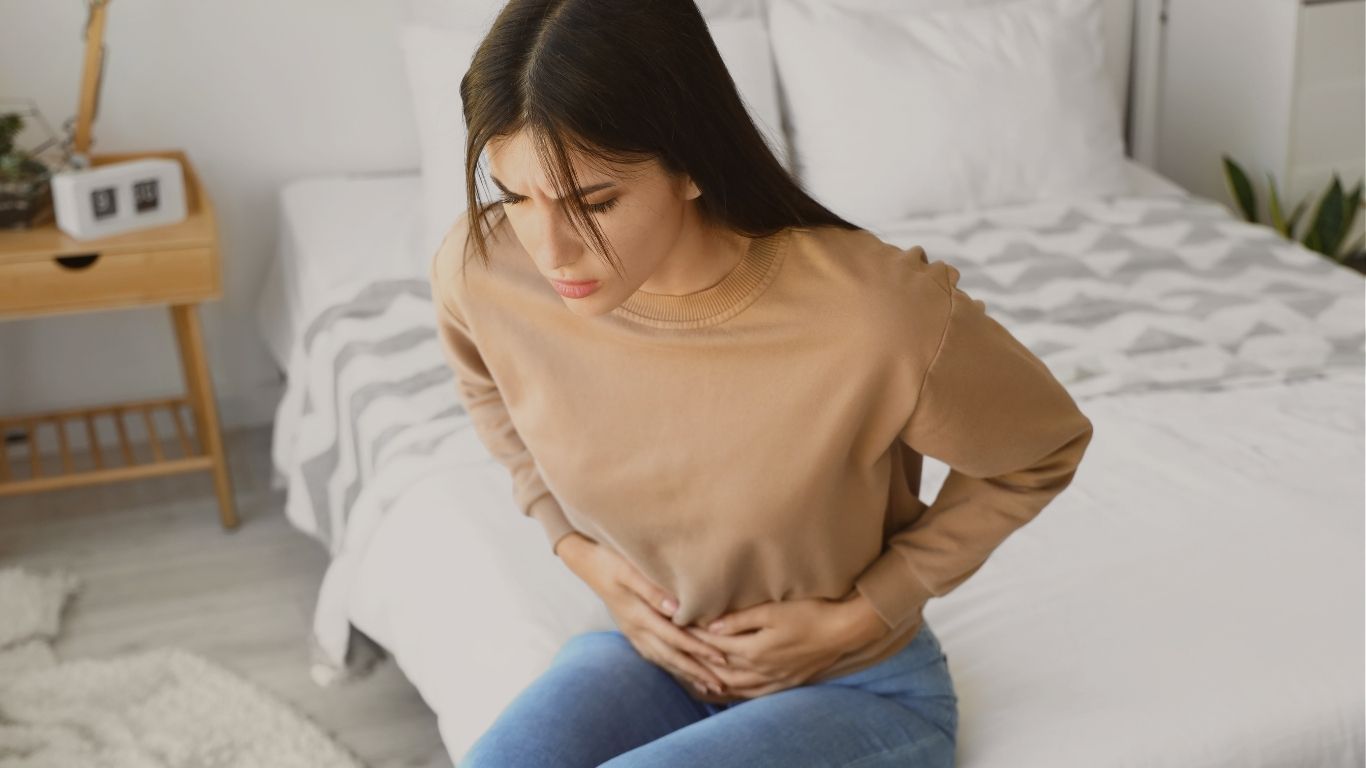
Menstrual cramps are throbbing or spasmodic pains in the lower abdomen that occur just before and during menstruation. For some, the pain is mild and short-lived, but for others, it can be severe enough to interfere with work, school, and social activities. The condition is classified into two main types: primary dysmenorrhea and secondary dysmenorrhea.
Primary dysmenorrhea refers to common menstrual cramps that are not caused by an underlying disease. This type typically begins soon after a person starts having periods, often during adolescence. The pain is usually felt in the lower abdomen and lower back and may be accompanied by nausea and fatigue. It tends to become less painful with age and can often improve after childbirth.
Secondary dysmenorrhea, on the other hand, is menstrual pain that stems from a disorder in the reproductive organs. This type usually begins later in life, often after age 25, and the pain may last longer than typical menstrual cramps. It can be a symptom of conditions such as endometriosis, uterine fibroids, or pelvic inflammatory disease. Understanding which type one is experiencing is crucial for effective treatment.
Recognizing the Symptoms: Beyond a Simple Stomach Ache
The symptoms of menstrual cramps are not uniform; they vary in intensity, duration, and associated features. The hallmark symptom is a dull, constant ache or a sharp, intermittent spasm in the lower abdomen. However, the experience is often multifaceted.
The primary symptom is pain that can radiate to the lower back, inner thighs, and hips. This pain typically begins one to three days before the onset of menstruation, peaks within 24 hours after the period starts, and subsides after two to three days. The character of the pain is often described as a gripping, squeezing, or cramping sensation, reflecting the rhythmic contractions of the uterine muscle.
Beyond the central pain, a constellation of systemic symptoms frequently accompanies severe cramps. These can include nausea and vomiting, which occur due to the release of pain-inducing chemicals called prostaglandins that also affect the gastrointestinal tract. Loose stools or diarrhea are common for the same reason. Some individuals experience headaches, dizziness, and a general feeling of fatigue or malaise. In more intense cases, the pain can lead to sweating, fainting, and a sensation of being overwhelmed. The emotional toll is also significant, with irritability, anxiety, and mood swings often exacerbating the physical discomfort. It is important to note that if the pain is consistently severe, or if it suddenly changes in character or intensity, it warrants a medical evaluation to rule out secondary causes.
The Root Causes: Unpacking the Biological Mechanisms
To understand menstrual cramps, one must look at the intricate dance of hormones and physiological processes that govern the menstrual cycle. The primary culprit in primary dysmenorrhea is a group of lipid compounds called prostaglandins.
As the uterine lining (endometrium) sheds during menstruation, it releases prostaglandins. These chemicals act like hormones, causing the muscles of the uterus to contract. These contractions help expel the endometrial tissue. However, high levels of prostaglandins cause intense, frequent, and uncoordinated uterine contractions. When the muscles contract too forcefully, they compress the blood vessels supplying the uterus, temporarily cutting off oxygen to the muscle tissue. This ischemia—the lack of oxygen—is what triggers the pain. The higher the level of prostaglandins, the more severe the cramps tend to be.
In secondary dysmenorrhea, the pain is caused by an underlying structural or pathological condition. Endometriosis is one of the most common causes, where tissue similar to the uterine lining grows outside the uterus, on organs like the ovaries, fallopian tubes, or the tissue lining the pelvis. These implants respond to hormonal signals, bleeding and causing inflammation, scarring, and intense pain. Uterine fibroids, which are noncancerous growths in the uterus, can also cause pressure and pain. Adenomyosis, a condition where the uterine lining grows into the muscular wall of the uterus, leads to an enlarged, tender uterus and severe cramps. Other causes include pelvic inflammatory disease (PID), a chronic infection of the reproductive organs, and the use of an intrauterine device (IUD) for birth control, which can sometimes exacerbate cramping.
The Ripple Effects: How Menstrual Cramps Impact Life
The effects of severe menstrual cramps extend far beyond the physical sensation of pain. They create a ripple effect that can touch every aspect of an individual’s life, from productivity to mental health.
One of the most significant effects is absenteeism. Studies consistently show that dysmenorrhea is a leading cause of missed school and work days among young individuals. This not only affects academic performance and career progression but can also lead to financial strain. The unpredictability of severe pain makes it difficult to plan commitments, fostering a sense of instability.
The chronic, cyclical nature of the pain contributes to a profound psychological burden. Living with the anticipation of debilitating pain each month can lead to anxiety, depression, and a sense of helplessness. The constant need to manage symptoms can be exhausting, leading to a state of physical and emotional burnout. Social relationships can also suffer as individuals may cancel plans, withdraw from social activities, or feel misunderstood by peers and family who may not grasp the severity of the experience.
Furthermore, if the cramps are a symptom of an underlying condition like endometriosis, the effects can include chronic pelvic pain even outside of menstruation, pain during intercourse, and fertility challenges. The diagnostic journey for such conditions is often long and fraught with frustration, adding to the emotional and psychological toll. Therefore, addressing menstrual cramps effectively is not merely about pain relief; it is about restoring quality of life, dignity, and well-being.
Prevention and Proactive Management
While it may not be possible to eliminate menstrual cramps entirely for everyone, a proactive approach involving lifestyle modifications and preventive measures can significantly reduce their severity and frequency. These strategies focus on reducing inflammation, balancing hormones, and promoting overall uterine health.
Dietary adjustments play a crucial role. Adopting an anti-inflammatory diet in the weeks leading up to menstruation can be highly beneficial. This involves increasing the intake of omega-3 fatty acids found in fish like salmon, flaxseeds, and walnuts, which help counteract the inflammatory effects of prostaglandins. Reducing or eliminating red meat, fried foods, refined sugars, and dairy can lower the body’s overall inflammatory load. Staying exceptionally well-hydrated is also key, as dehydration can exacerbate muscle contractions and pain. Herbal teas like chamomile, ginger, and peppermint have antispasmodic and soothing properties.
Regular physical activity is a powerful preventive tool. Exercise, particularly aerobic activities like walking, swimming, or cycling, increases blood circulation, releases endorphins—the body’s natural painkillers—and helps reduce prostaglandin levels. Yoga, with its focus on gentle stretching, breathwork, and relaxation, can be especially effective in easing pelvic tension and stress.
Stress management is another cornerstone of prevention. Chronic stress elevates cortisol levels, which can disrupt hormonal balance and heighten the perception of pain. Incorporating practices such as meditation, deep-breathing exercises, adequate sleep, and spending time in nature can help modulate the body’s stress response, thereby reducing the intensity of menstrual cramps. Applying heat to the lower abdomen via a heating pad or warm bath is a simple yet highly effective preventive and immediate relief measure, as it relaxes contracting muscles and improves blood flow.
A Holistic Approach: Homeopathic Treatment for Menstrual Cramps
For those seeking a gentle, individualized, and side-effect-free approach, homeopathy offers a profound system of care for menstrual cramps. Homeopathy operates on the principle of “like cures like,” using highly diluted substances to stimulate the body’s inherent healing mechanisms. The treatment is deeply individualized, meaning that the remedy chosen is not based solely on the condition of dysmenorrhea but on the unique totality of symptoms experienced by the person—including the type of pain, associated symptoms, modalities (what makes it better or worse), and even the person’s emotional state. This makes homeopathy particularly well-suited for a condition as variable as menstrual cramps.
Several homeopathic remedies are commonly indicated for different presentations of menstrual pain. It is essential to consult with a qualified homeopathic practitioner for a proper constitutional prescription, but understanding these remedies can provide insight into the homeopathic approach.
Magnesia Phosphorica is often considered a premier remedy for menstrual cramps. It is specifically indicated for neuralgic, spasmodic pains that are sharp, shooting, and cramping. The key characteristic is that the pain is relieved by warmth and firm pressure. A person needing Magnesia Phosphorica will often find relief by bending double, applying a hot water bottle to the abdomen, or pressing firmly on the painful area. The pain may be right-sided and can radiate down the thighs.
Colocynthis is another major remedy for severe, cutting, or griping pains in the abdomen that force the person to bend double. Like Magnesia Phosphorica, the pain is relieved by hard pressure and warmth. However, what distinguishes Colocynthis is a marked irritability and anger associated with the pain. The person may be furious, restless, and feel they cannot stand anyone or anything touching them, yet they paradoxically find relief from the pain by pressing hard on the abdomen.
Sepia is a deep-acting remedy often suited for individuals who experience a dragging, bearing-down sensation in the pelvis, as if everything is going to fall out. The menstrual flow may be profuse, dark, and clotted. A hallmark of the Sepia personality is a sense of indifference or aversion to loved ones and responsibilities, along with profound exhaustion and irritability. They often feel worse from cold air and better from vigorous exercise.
Pulsatilla Nigricans is indicated for menstrual cramps where the pain is changeable and erratic. The character of the pain may shift location or intensity. A key feature is a lack of thirst, even when the person is in pain. Those needing Pulsatilla often have a gentle, yielding, and weepy disposition. Their cramps are often worse in warm, stuffy rooms and are relieved by open air and gentle, slow walking.
Caulophyllum is a remedy with a specific affinity for the uterus and is particularly useful for spasmodic pains. The cramps are often characterized by a sensation of trembling or twitching in the uterus. The pain may be erratic, shooting from hip to hip. This remedy is often considered when there is a history of irregular or delayed menstruation, and the person may feel a sense of clumsiness or weakness in the limbs.
Viburnum Opulus (also known as Cramp Bark) is another valuable remedy for intense, spasmodic cramps that begin before the flow is fully established. The pain is often described as severe, clutching, and extending to the back and thighs. It is frequently indicated when the pain is relieved by bending double, similar to Magnesia Phosphorica and Colocynthis.
In homeopathic practice, a practitioner conducts a detailed consultation to understand the individual’s unique symptom picture before prescribing a remedy. The goal is not merely to suppress the pain but to address the underlying imbalance, leading to a long-term reduction in the severity of symptoms. Homeopathy can be used alongside conventional pain management and is a safe option for individuals of all ages.
Frequently Asked Questions About Homeopathic Remedies for Menstrual Cramps
Homeopathy offers a gentle, individualized approach to managing menstrual cramps, but it is natural to have questions about how it works, its safety, and what to expect. Below are some of the most common questions people have when considering homeopathic treatment for dysmenorrhea.
1. How does homeopathy work for menstrual cramps?
Homeopathy is based on the principle of “like cures like,” meaning a substance that causes symptoms in a healthy person can, in highly diluted form, stimulate the body to heal similar symptoms in a person who is unwell. For menstrual cramps, a homeopath does not simply prescribe a remedy for “cramps.” Instead, they look at the unique pattern of your pain—its location, sensation, what makes it better or worse, your emotional state, and any accompanying symptoms. The chosen remedy acts as a catalyst, encouraging your body to regulate its own hormonal balance, reduce excessive prostaglandin activity, and relax uterine muscle spasms naturally.
2. Are homeopathic remedies safe to use for menstrual cramps?
Yes, homeopathic remedies are generally considered very safe. They are prepared through a process of serial dilution, which means the original substance is diluted to the point where it is non-toxic and free from the side effects often associated with conventional painkillers such as nonsteroidal anti-inflammatory drugs (NSAIDs). They do not interact negatively with other medications, birth control pills, or herbal supplements. However, it is still important to inform your homeopathic practitioner or healthcare provider about all medications you are taking. Homeopathy is suitable for adolescents, adults, and even during breastfeeding, though professional guidance is always recommended.
3. Can I take homeopathic remedies alongside conventional painkillers like ibuprofen?
Absolutely. Homeopathic remedies can be safely taken alongside conventional pain relievers. There is no known negative interaction between them. In fact, many individuals use homeopathy as a complementary approach, finding that over time, their reliance on ibuprofen or other painkillers decreases as their overall cramp intensity reduces with constitutional homeopathic care. It is advisable to take the remedies at a different time than conventional medications—ideally fifteen to twenty minutes apart—to allow for optimal absorption.
4. How do I choose the right homeopathic remedy for my cramps?
Choosing the right remedy is the most critical aspect of homeopathic treatment. Unlike conventional medicine, where one drug is used for a condition, homeopathy requires matching the remedy to the individual’s specific symptom picture. For example, a person whose cramps are relieved by bending double and applying heat would benefit from a different remedy than someone whose pain is accompanied by a feeling of heaviness and emotional indifference. Because the selection process is highly nuanced, it is strongly recommended to consult a qualified homeopathic practitioner, especially for chronic or severe menstrual pain. Self-prescribing based on a single symptom often leads to inconsistent results.
5. How long does it take for homeopathic remedies to work for menstrual cramps?
The timeline varies depending on the individual and the nature of the cramps. For acute, intense pain during a period, a well-chosen remedy can sometimes provide relief within minutes to a few hours. For chronic dysmenorrhea—cramps that occur month after month—constitutional homeopathic treatment typically requires more time. Many individuals notice a gradual improvement over two to three cycles, with pain becoming less intense, shorter in duration, and accompanied symptoms like nausea or fatigue diminishing. The goal is long-term correction of the underlying imbalance rather than mere temporary suppression.
6. Do homeopathic remedies have any side effects?
When taken as directed, homeopathic remedies are free from the common side effects associated with pharmaceutical drugs, such as stomach upset, drowsiness, or liver strain from prolonged NSAID use. However, a temporary and mild initial worsening of symptoms—known as a “healing aggravation”—can occasionally occur. This is generally brief and is considered a positive sign that the body is beginning to respond to the remedy. If any new or concerning symptoms arise, it is always best to consult your practitioner.
7. Can homeopathy help if my cramps are caused by an underlying condition like endometriosis or fibroids?
Yes, homeopathy can be a valuable supportive therapy for secondary dysmenorrhea caused by conditions such as endometriosis, adenomyosis, or uterine fibroids. While homeopathy does not claim to physically remove fibroids or reverse structural changes in a mechanical sense, it works on a constitutional level to manage symptoms, reduce inflammation, balance hormones, and improve the body’s overall resilience. Many individuals with endometriosis, for example, report significant reductions in pain severity, fewer flare-ups, and improved quality of life with consistent homeopathic care. It is important to note that homeopathy should complement, not replace, regular medical monitoring and diagnostics for such conditions.
8. In what form are homeopathic remedies for cramps available?
Homeopathic remedies are most commonly available as small, sweet-tasting pellets or tablets that are dissolved under the tongue. They are also available in liquid drops. The pellets are easy to take and are typically lactose-based. For those with lactose sensitivity, lactose-free options are often available from professional pharmacies. The remedies are taken by allowing them to dissolve in a clean mouth, as absorption through the oral mucosa is considered optimal. Strong flavors like mint, coffee, or strong spices are often advised to be avoided around the time of taking the remedy, as they can potentially interfere with its action.
9. How often should I take a homeopathic remedy during my period?
The frequency depends entirely on the remedy chosen and the intensity of the symptoms. For acute cramping, a low potency such as 30C is often taken every fifteen minutes to an hour for a few doses as the pain begins to ease. For constitutional treatment, a practitioner may prescribe a single dose of a higher potency (such as 200C or 1M) once a month, often a few days before the expected onset of menstruation. Taking remedies too frequently or without proper indication can sometimes lead to less effective results, which is why individualized guidance is invaluable.
10. Can I use homeopathy preventatively, or only when cramps start?
Homeopathy can be used both preventatively and for acute relief. A constitutional remedy, prescribed by a practitioner based on your overall physical, emotional, and menstrual history, is typically taken regularly over several cycles to address the root tendency toward severe cramping. This preventive approach aims to reduce the severity of cramps before they even begin. Additionally, specific acute remedies can be kept on hand to manage pain if it arises despite preventive care. Many individuals find that combining a constitutional approach with acute remedies when needed yields the most consistent and satisfying results.
11. What should I do if the first homeopathic remedy I try does not work?
If a remedy does not provide relief, it may simply be an incorrect match for your symptom picture. This is a common experience with self-prescribing. Homeopathy is highly individualized, and even two people with seemingly similar cramps may require different remedies. If the first choice does not work, it does not mean homeopathy is ineffective for you—it means a different remedy may be needed. Consulting a professional homeopath can help clarify the correct remedy and potency, ensuring a more targeted and effective approach.
12. Is homeopathy backed by scientific evidence for menstrual cramps?
The evidence base for homeopathy is a subject of ongoing debate. While some clinical studies have shown positive results for homeopathic treatment in dysmenorrhea, others have been inconclusive due to challenges in study design and the inherently individualized nature of homeopathic prescribing. Many of the positive findings come from observational studies and extensive clinical experience spanning over two centuries. For countless individuals, the proof lies in personal results—significant, lasting relief where other approaches have failed. It is always advisable to approach homeopathy as part of a comprehensive care plan and to continue regular medical check-ups, especially if symptoms are severe or changing.
Conclusion
Menstrual cramps, while common, are not something one must simply endure without hope for relief. They are a complex condition rooted in the body’s biochemistry and, in some cases, underlying structural issues. The journey from debilitating pain to manageable comfort often involves a multi-faceted approach. Recognizing the difference between primary and secondary dysmenorrhea is the first critical step toward appropriate care. From there, integrating lifestyle modifications like an anti-inflammatory diet, regular exercise, and stress reduction can build a strong foundation for prevention.
For those seeking a path that honors their individuality, homeopathy offers a powerful, holistic alternative. By treating the person as a whole—considering their physical symptoms, emotional state, and unique pain patterns—homeopathic remedies work to stimulate the body’s innate capacity for balance and healing. Whether through conventional medicine, lifestyle changes, or the gentle art of homeopathy, the message is clear: persistent, severe menstrual cramps deserve attention and compassionate care. By understanding the condition in all its dimensions, individuals can reclaim their monthly cycles not as a period of suffering, but as a manageable and integral part of their overall health and vitality.













6 thoughts on “Homeopathic Remedies for Menstrual Cramps”