Table of Contents
ToggleRestless Leg Syndrome: Causes, Effects, Prevention, and
Homeopathic Remedies for Restless Leg Syndrome
Introduction
Restless Legs Syndrome (RLS), also known as Willis-Ekbom disease, is a neurological disorder that creates an irresistible urge to move the legs. This sensation is often described as uncomfortable, creeping, crawling, or tingling, and it typically strikes during periods of rest, particularly in the evening or at night . For those who experience it, RLS is more than just a minor annoyance; it is a condition that can severely disrupt sleep, leading to daytime fatigue and a significant decrease in quality of life. While it can affect anyone, understanding its nuances is the first step toward finding relief. This article provides a detailed exploration of RLS, covering its symptoms, causes, effects, prevention strategies, and the role of homeopathic treatment.
What is Restless Legs Syndrome?
Restless Legs Syndrome is a complex sensorimotor disorder, meaning it involves both sensory symptoms (like unusual feelings) and motor symptoms (like the need to move) . It is surprisingly common, affecting an estimated 5% to 13% of the population in Europe and North America, with millions of people in the United States alone grappling with its effects . The condition can begin at any age, from infancy to adulthood, but it becomes more prevalent with increasing age, and it is diagnosed about twice as often in women as in men . The core of the disorder lies in a disruption of sensation and movement, creating a cycle of discomfort and temporary relief that can be exhausting to manage.
Symptoms of Restless Legs Syndrome
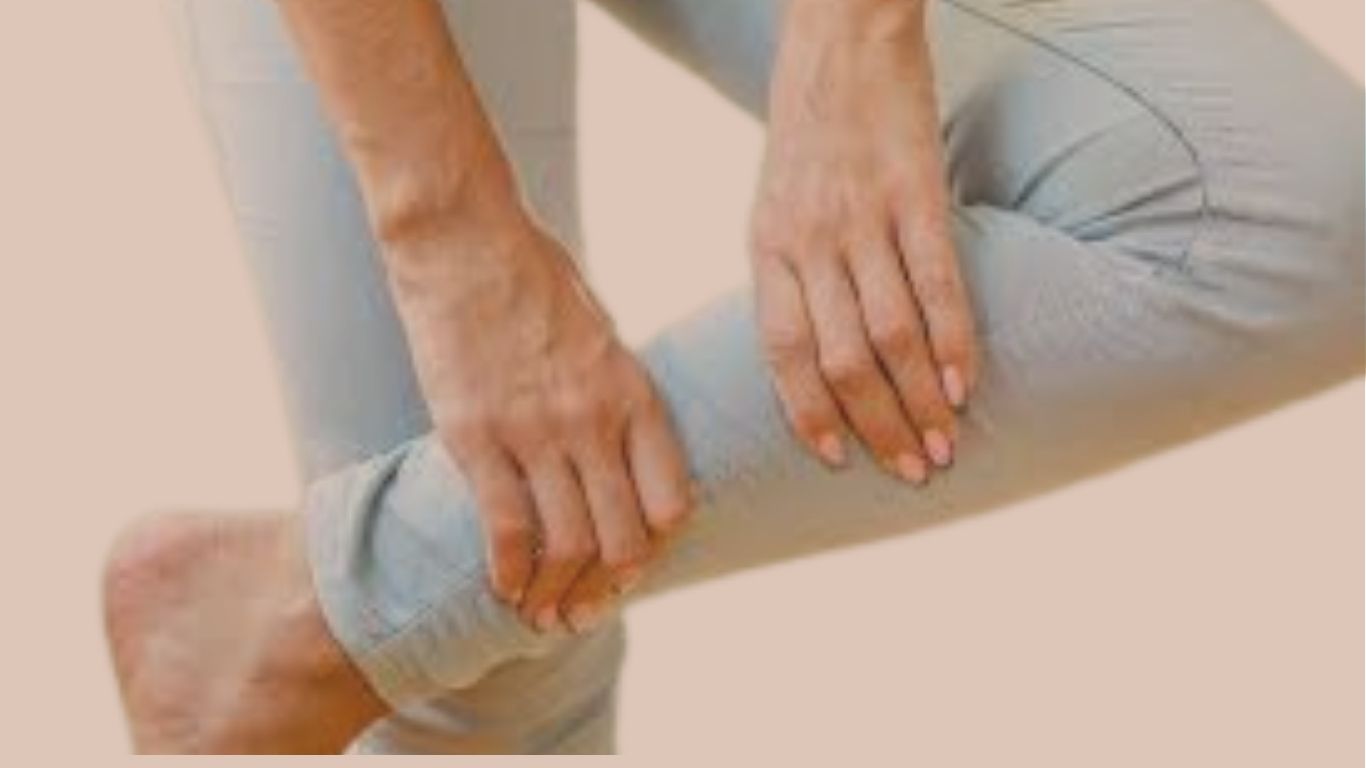
The symptoms of RLS are highly characteristic and are primarily defined by an overwhelming, nearly uncontrollable, urge to move the legs . This urge is often, but not always, accompanied by unpleasant sensations deep within the limbs. People describe these sensations in various ways, including:
Crawling or creeping: A feeling like insects or something is moving inside the legs.
Tingling or “pins and needles”: A prickly sensation similar to a limb “falling asleep.”
Aching or pulling: A deep, uncomfortable ache, sometimes mistaken for general muscle soreness.
Itching or burning: A surface-level or deep-seated itch that can’t be scratched away .
These symptoms follow a distinct pattern, which forms the basis for diagnosis. They typically:
Start or worsen during rest: The sensations are triggered or become more intense when you are sitting still for long periods, such as while watching a movie, reading, or traveling in a car or airplane .
Are relieved by movement: The urge to move and the uncomfortable feelings are partially or completely relieved by activity, such as walking, stretching, jiggling the legs, or pacing the floor. This relief is often immediate but usually returns as soon as the movement stops .
Worsen in the evening or at night: There is a clear circadian rhythm to RLS, with symptoms peaking during the evening and nighttime hours, which is why it so profoundly interferes with falling asleep and staying asleep .
In addition to these core symptoms, many individuals with RLS also experience periodic limb movements (PLM) . These are involuntary, repetitive jerking or twitching movements of the legs or arms that occur during sleep. While the person may be unaware of these movements, they can disrupt sleep architecture, leading to unrefreshing sleep and excessive daytime sleepiness. Bed partners are often the first to notice these jerking motions .
Causes of Restless Legs Syndrome
In most cases, RLS is classified as either primary (idiopathic) or secondary, based on its underlying cause.
Primary RLS is the most common form and has a strong genetic component. It often runs in families, and researchers have identified several gene variants, such as MEIS1 and BTBD9, that increase a person’s susceptibility to the disorder . This type usually begins earlier in life, often before the age of 40, and its progression is typically slow . The exact mechanism is linked to a dysfunction in the way the brain uses iron and the neurotransmitter dopamine, which is crucial for controlling muscle movement .
Secondary RLS is caused by or associated with another medical condition or factor. Addressing the underlying issue can often resolve or significantly improve the RLS symptoms. Common causes and associations include:
Iron Deficiency: This is one of the most common causes of secondary RLS. Even without full-blown anemia, low iron stores in the blood (specifically, low ferritin levels) can lead to insufficient iron in the brain, disrupting dopamine production and function .
Pregnancy: Many women experience RLS, especially during the third trimester. The exact reasons are unclear but may involve iron or folate deficiency and hormonal changes. Fortunately, pregnancy-related RLS usually disappears within a few weeks after delivery .
Chronic Diseases: Several medical conditions are linked to RLS, including end-stage kidney disease (renal failure) , diabetes, peripheral neuropathy (nerve damage), and Parkinson’s disease .
Medications: Certain drugs can trigger or worsen RLS symptoms. These include some antidepressants (like selective serotonin reuptake inhibitors), antihistamines (found in many allergy and cold medicines), and some antipsychotics (like quetiapine/Seroquel) .
Venous Insufficiency: Recent research has shown a strong link between RLS and superficial venous reflux, a condition where blood pools in the legs due to faulty vein valves. In one study, nearly 79% of people with this vein issue also reported RLS symptoms .
Effects of Restless Legs Syndrome
The impact of RLS extends far beyond the legs. Because its symptoms are most severe at night, its primary victim is sleep. The constant urge to move and the discomfort make it difficult to fall asleep and stay asleep, leading to chronic sleep deprivation . This lack of restorative sleep creates a cascade of secondary effects that can permeate every aspect of a person’s life:
Daytime Fatigue and Sleepiness: The most immediate effect is profound tiredness during the day, making it difficult to concentrate, work effectively, or stay alert while driving.
Mood Disturbances: Chronic sleep loss and the distress of managing a relentless condition can lead to irritability, anxiety, and depression .
Cognitive Impairment: Many people with RLS report problems with memory, attention, and focus, often described as “brain fog” .
Reduced Quality of Life: The condition can limit social activities that require sitting still, such as going to the theater, dining out, or taking long car trips, leading to social isolation.
Relationship Strain: The constant movement in bed can disturb a partner’s sleep, adding another layer of difficulty to the condition .
Prevention and Self-Care Strategies
While RLS cannot always be prevented, especially the primary genetic form, many lifestyle modifications and self-care techniques can significantly reduce the severity of symptoms and prevent flare-ups. For those with mild to moderate RLS, these strategies are often the first and most effective line of defense.
Lifestyle Modifications
Regular, Moderate Exercise: Engaging in regular physical activity like walking, swimming, or yoga can significantly alleviate symptoms. However, it is important to avoid intense or vigorous exercise close to bedtime, as this can sometimes make symptoms worse .
Good Sleep Hygiene: Establishing a consistent sleep schedule—going to bed and waking up at the same time every day—can help regulate the body’s internal clock. Creating a cool, dark, and quiet sleep environment is also crucial .
Avoid Stimulants: Caffeine, nicotine, and alcohol are common triggers that can exacerbate RLS symptoms. Eliminating or significantly reducing these substances, particularly in the afternoon and evening, is highly recommended .
Dietary Considerations: A balanced diet rich in iron, magnesium, and folate can be beneficial. Iron-rich foods include lentils, spinach, and red meat, while magnesium can be found in nuts, seeds, and bananas . It is vital to have iron levels checked by a doctor before taking supplements, as too much iron can be harmful.
Immediate Relief Measures
Movement and Stretching: When symptoms strike, getting up and walking around or doing gentle leg stretches can provide immediate, though temporary, relief .
Massage: Massaging the leg muscles can help relax them and reduce the uncomfortable sensations .
Heat or Cold Therapy: Applying a heating pad or taking a warm bath can soothe the legs. Conversely, some people find relief with a cold pack or ice massage .
Distraction: Engaging in an absorbing activity, such as reading a book, solving a puzzle, or having a conversation, can sometimes help take your mind off the symptoms long enough for them to subside .
Homeopathic Treatment for Restless Leg Syndrome
Homeopathy offers a distinct approach to treating RLS, focusing on the individual as a whole rather than just the leg symptoms. The fundamental principle of homeopathy is “like cures like,” meaning a substance that can cause certain symptoms in a healthy person can be used in a highly diluted form to treat similar symptoms in a person who is ill. The goal of homeopathic treatment is to stimulate the body’s own vital force to rebalance and heal itself.
Unlike conventional medicine, which often uses the same class of drugs (like dopamine agonists) for most patients, homeopathic treatment is highly individualized. A homeopath will spend considerable time understanding the unique way RLS manifests in a person, including the precise nature of the sensations, the factors that make them better or worse, and the person’s overall physical, emotional, and mental state .
Evidence and Common Remedies
While research on homeopathy for RLS is still emerging, some studies and extensive clinical practice point to its potential benefit. A clinical trial conducted in 2014 compared a common homeopathic remedy, Zincum metallicum, against a complex homeopathic formula and a placebo. The study concluded that both homeopathic preparations led to an improvement in RLS symptoms, with Zincum metallicum in a D6 potency showing a statistically significant improvement compared to the placebo . This suggests that specific homeopathic remedies may be effective in managing the condition.
In homeopathic practice, the choice of remedy is based on the principle of “individualization.” Here are some of the most common remedies considered for RLS, based on their characteristic symptom profiles :
Zincum metallicum: This is often a leading remedy for RLS, particularly when there is extreme restlessness. The person may have constant, fidgety movements of the feet and legs, even while sleeping. The classic indication is a compulsive need to move the legs, which often prevents sleep. It may be well-indicated for people who are also very exhausted, nervous, and find that alcohol makes their symptoms worse. The sensation described in one case study as legs feeling “stretchy” was a key indicator for this remedy .
Rhus toxicodendron: This remedy is derived from poison ivy and is known for its affinity for conditions characterized by restlessness that is worse upon first moving and better with continued motion. The classic Rhus tox picture is severe stiffness and pain when at rest or when first starting to move, which improves as the person “warms up” to the activity. This aligns perfectly with the RLS pattern, where relief is found in walking and movement.
Tarentula hispanica: This remedy is made from the Spanish spider. It is often indicated for intense, driven restlessness. The movements can be abrupt, hurried, and almost frantic. The person may feel the need to keep moving constantly and may find some relief from music or rhythm. The restlessness is often out of proportion to the physical sensations.
Arsenicum album: This remedy may be considered when the RLS is accompanied by significant anxiety, especially about health. The person is often meticulous, restless, and experiences burning pains that are relieved by heat. The restlessness is not just physical but also mental, leading to a need for order and control.
It is crucial to understand that these are just a few examples, and the selection of a homeopathic remedy should always be done by a qualified, professional homeopath. They will take a comprehensive case history to find the “simillimum”—the single remedy that most closely matches the individual’s complete symptom picture.
An Illustrative Case Study
The holistic nature of homeopathic treatment is beautifully illustrated in a published case study of a six-year-old boy with severe periodic limb movement disorder and RLS, along with significant behavioral issues . His restlessness was constant, and he described the feeling in his legs as “stretchy.” He had severe separation anxiety, noise sensitivity, and an obsessive interest in bugs. An initial homeopathic remedy provided some relief for the leg symptoms, but his emotional and behavioral problems did not improve. According to homeopathic principles, this indicated that the remedy was not the correct one.
After a deeper analysis, the homeopath prescribed a different, more individualized remedy. Over the next two and a half years, the child experienced a profound and lasting improvement. His leg restlessness subsided, he began sleeping peacefully, and his behavior at home and school normalized. This case demonstrates a key principle in homeopathy: true healing occurs from the inside out. As the most profound levels of the child’s being (his emotional and mental state) improved, so did the physical symptoms of RLS, leading to a genuine increase in his overall level of health and resilience .
Disclaimer: This article is for informational purposes only and does not constitute medical advice. Restless Legs Syndrome is a medical condition that should be diagnosed and managed by a qualified healthcare professional. Always consult with a doctor or a licensed healthcare provider before starting any new treatment, including homeopathic remedies, to ensure it is safe and appropriate for your specific health situation.
Frequently Asked Questions About Homeopathic Remedies for Restless Leg Syndrome
For those navigating the challenges of Restless Legs Syndrome, the prospect of a gentle, individualised treatment like homeopathy often raises many questions. This section aims to address the most common queries, providing clarity on how this holistic approach works alongside conventional care.
1. Is homeopathy effective for treating Restless Legs Syndrome?
A growing body of anecdotal evidence and some clinical research suggest that homeopathy can be effective in managing RLS. Its strength lies in its individualised approach. Rather than suppressing the single symptom of leg restlessness, homeopathy aims to stimulate the body’s self-regulating mechanisms to restore balance. This often leads to not only a reduction in the physical urge to move but also an improvement in associated issues like sleep quality, anxiety, and overall well-being. As mentioned earlier, a 2014 study indicated that the remedy Zincum metallicum showed statistically significant improvement in RLS symptoms compared to a placebo. However, the effectiveness varies greatly from person to person, as the treatment is tailored to the unique symptom profile of each individual.
2. How does a homeopath choose the right remedy for my RLS?
This is the cornerstone of homeopathic practice. A professional homeopath will conduct a detailed, hour-long consultation to understand the totality of your symptoms. This goes far beyond the simple “urge to move.” They will ask you to describe the sensation in your own words: is it a crawling, a burning, an ache, or a stretching feeling? They will want to know precisely what makes it better (walking, stretching, heat, cold) and what makes it worse (rest, evening, lying down). Crucially, they will also explore your overall constitution, including your personality, fears, sleep patterns, food cravings, and even your emotional responses to stress. By piecing together this comprehensive picture, they match you to the one remedy in the homeopathic materia medica that most closely mirrors your entire state of being.
3. Can I buy over-the-counter homeopathic remedies for RLS at a pharmacy?
While you can find combination remedies or single remedies like Rhus tox in health food stores or pharmacies, this is generally not recommended for a chronic condition like RLS. Self-prescribing based on a single symptom (“my legs are restless”) is unlikely to provide deep or lasting relief. You might experience a temporary improvement, but without the constitutional matching done by a professional, the remedy may not address the root cause. A qualified homeopath ensures the correct remedy, potency, and dosage are selected for your specific case, which is far safer and more effective for long-term management.
4. What are the most common homeopathic remedies used for RLS?
While the specific remedy is always individualised, certain remedies are frequently indicated due to their characteristic symptom patterns. These include:
Zincum metallicum: Often suited to extreme exhaustion with intense fidgety restlessness in the feet and legs, which can persist even during sleep.
Rhus toxicodendron: The classic “rusty gate” remedy, ideal for restlessness that is worse when still or when first starting to move, but improves with continued motion.
Tarentula hispanica: Indicated for a frantic, driven, and intense restlessness where the person feels they must keep moving, sometimes finding relief in rhythmic music.
Arsenicum album: Considered when restlessness is accompanied by significant anxiety, perfectionism, and burning pains that are relieved by warmth.
Causticum: May be helpful for RLS with tearing pains, weakness, and a sensation of rawness, often worse in dry, cold weather.
This list is not exhaustive, and many other remedies like Sepia, Ignatia, or Lycopodium could be the perfect match depending on the individual’s complete health picture.
5. Is homeopathic treatment safe to use alongside my current RLS medication?
Homeopathic remedies, when prepared according to official pharmacopoeias, are highly diluted and generally considered safe and non-toxic. They do not typically have chemical interactions with conventional drugs. However, you should never stop or alter your prescribed medication without consulting your prescribing doctor. It is crucial to inform both your medical doctor and your homeopath about all treatments you are using. An integrated approach, where both practitioners are aware of your care plan, is the safest and most effective way to manage your health. In some cases, as homeopathic treatment takes effect and your symptoms improve, your medical doctor may eventually consider adjusting your conventional medication, but this must always be done under professional supervision.
6. How long does it take to see results with homeopathic treatment for RLS?
The timeline for improvement varies significantly. Some people with mild, recent-onset RLS may notice a positive shift within a few weeks. For others, particularly those with chronic, long-standing RLS or those taking multiple medications, it can take several months of consistent, constitutional treatment to see a profound change. Homeopathy works by gently nudging the body’s vital force towards healing, which is a process that takes time. You might first notice improvements in your overall energy, mood, or sleep quality before the specific leg symptoms begin to subside. Patience and consistent follow-up with your homeopath are key.
7. Can homeopathy cure RLS permanently?
The concept of “cure” in homeopathy is holistic, meaning a permanent restoration of health on all levels—physical, emotional, and mental. For many individuals, especially those with primary (genetic) RLS, homeopathy can offer profound and long-lasting management, significantly reducing the frequency and intensity of episodes to the point where they are no longer a disruption to life. For others with secondary RLS, the focus is on stimulating the body’s ability to address the underlying imbalance (e.g., improving iron utilisation). While it may not erase the genetic predisposition, successful homeopathic treatment aims to raise the general level of health so that the person is less susceptible to experiencing symptoms. Regular follow-ups are often recommended to maintain this improved state of health.
8. Should I stop my conventional treatment when I start homeopathy?
Absolutely not. You should continue all prescribed medications and inform your homeopath of everything you are taking. The goal of homeopathic treatment is to work alongside conventional medicine. If, over time and under the guidance of both your homeopath and medical doctor, your symptoms improve significantly, a discussion can be had about potentially reducing medication. Any changes to prescribed medication must be managed by the doctor who prescribed it. Abruptly stopping medication for RLS, particularly dopamine agonists, can lead to a severe worsening of symptoms known as “augmentation,” where the symptoms become more intense and occur earlier in the day.
9. Is homeopathy a replacement for lifestyle changes in managing RLS?
Homeopathy is best viewed as a complementary therapy that works in conjunction with healthy lifestyle habits. The self-care strategies discussed earlier—such as regular moderate exercise, good sleep hygiene, and avoiding caffeine and alcohol—are essential foundations for managing RLS. Homeopathic treatment can help rebalance your system, making you more resilient and potentially more responsive to these positive lifestyle changes. They are not mutually exclusive; rather, they work synergistically to support your overall health and well-being.
10. How do I find a qualified homeopath for my RLS?
If you are considering homeopathic treatment, it is essential to seek a professionally qualified and experienced practitioner. Look for homeopaths who are registered with a recognised professional body in your country. These organisations typically require practitioners to have completed rigorous training and adhere to a code of ethics. A good homeopath will take a detailed case history, explain their approach clearly, and be willing to communicate with your other healthcare providers to ensure an integrated and safe approach to your care.
Disclaimer: The information provided in these FAQs is for educational purposes only and is not a substitute for professional medical advice. Always consult with a qualified healthcare provider for any health concerns or before making any decisions about your health or treatment.
Conclusion
Restless Legs Syndrome is far more than a simple nuisance; it is a complex neurological condition that can ripple through every aspect of a person’s life, disrupting sleep, diminishing energy, and affecting emotional well-being. From the crawling sensations that demand movement to the profound exhaustion that follows a restless night, the journey of those with RLS is one of persistent challenge. Yet, as we have explored, this journey is not without hope and multiple pathways to relief.
Understanding the condition is the first and most empowering step. Recognizing the distinct symptoms, identifying potential underlying causes like iron deficiency or venous insufficiency, and acknowledging the significant effects on daily life allows individuals to seek informed and appropriate help. The foundation of managing RLS often lies in lifestyle modifications—embracing regular exercise, refining sleep habits, and avoiding dietary triggers. These self-care strategies are powerful tools that place a degree of control back into the hands of the individual.
For those seeking a complementary approach that treats the person as a whole, homeopathy offers a distinct and gentle path. Moving away from a one-size-fits-all model, homeopathy delves into the unique expression of RLS in each individual. By matching a person’s complete physical, emotional, and mental symptom picture to a carefully selected natural remedy, the goal is to stimulate the body’s innate ability to rebalance and heal from within. The remedies discussed, from Zincum metallicum for fidgety exhaustion to Rhus toxicodendron for movement-easing stiffness, illustrate the depth and precision of this individualized system. The philosophy is clear: true and lasting relief often comes not from merely suppressing the urge to move, but from restoring harmony to the entire system, allowing the distressing symptom to resolve as a natural consequence of improved overall health.
The choice to integrate homeopathy with conventional care is a personal one, and it is a path best walked with professional guidance. A qualified homeopath can navigate the complexities of case-taking and remedy selection, while open communication with a medical doctor ensures that all treatments work together safely and effectively. The questions of safety, timing, and integration are paramount, and they underscore the importance of a partnership between the patient and all members of their healthcare team.
In conclusion, living with Restless Legs Syndrome requires a multifaceted strategy. It involves understanding the science of the condition, committing to supportive lifestyle habits, and exploring therapeutic options that resonate with one’s personal health philosophy. Whether through the well-trodden paths of conventional medicine or the holistic avenues of homeopathy, the ultimate destination is the same: a return to restful nights, peaceful days, and a life no longer defined by the constant, restless urge to move. With knowledge, patience, and the right support, that destination is well within reach.













2 thoughts on “Homeopathic Remedies for Restless Leg Syndrome”