Table of Contents
ToggleNeuropathy Pain: Symptoms, Causes, Effects, Prevention, and Homeopathic Remedies for Neuropathy Pain
Introduction
Neuropathy, often a source of persistent frustration and discomfort, is a condition that arises from damage to the peripheral nerves—the vast communication network that carries signals between the brain, spinal cord, and the rest of the body. When these nerves are injured or disrupted, they can misfire, sending incorrect signals that manifest as pain, numbness, or weakness. This article delves into the intricate details of neuropathic pain, exploring its symptoms, root causes, wide-ranging effects, preventive measures, and the controversial yet sought-after approach of homeopathic treatment, providing a comprehensive overview for anyone seeking to understand this complex condition.
Understanding Neuropathy and Its Hallmark Symptoms
Neuropathy, particularly peripheral neuropathy, is not a single disease but a description of a problem with the nerves. To understand its symptoms, it helps to know that nerves are categorized by their functions. Sensory nerves control sensations like touch, temperature, and pain. Motor nerves govern muscle movement and strength, while autonomic nerves manage involuntary bodily functions such as heart rate, digestion, and sweating . Depending on which type of nerve is damaged, the symptoms can vary significantly, though they often overlap.
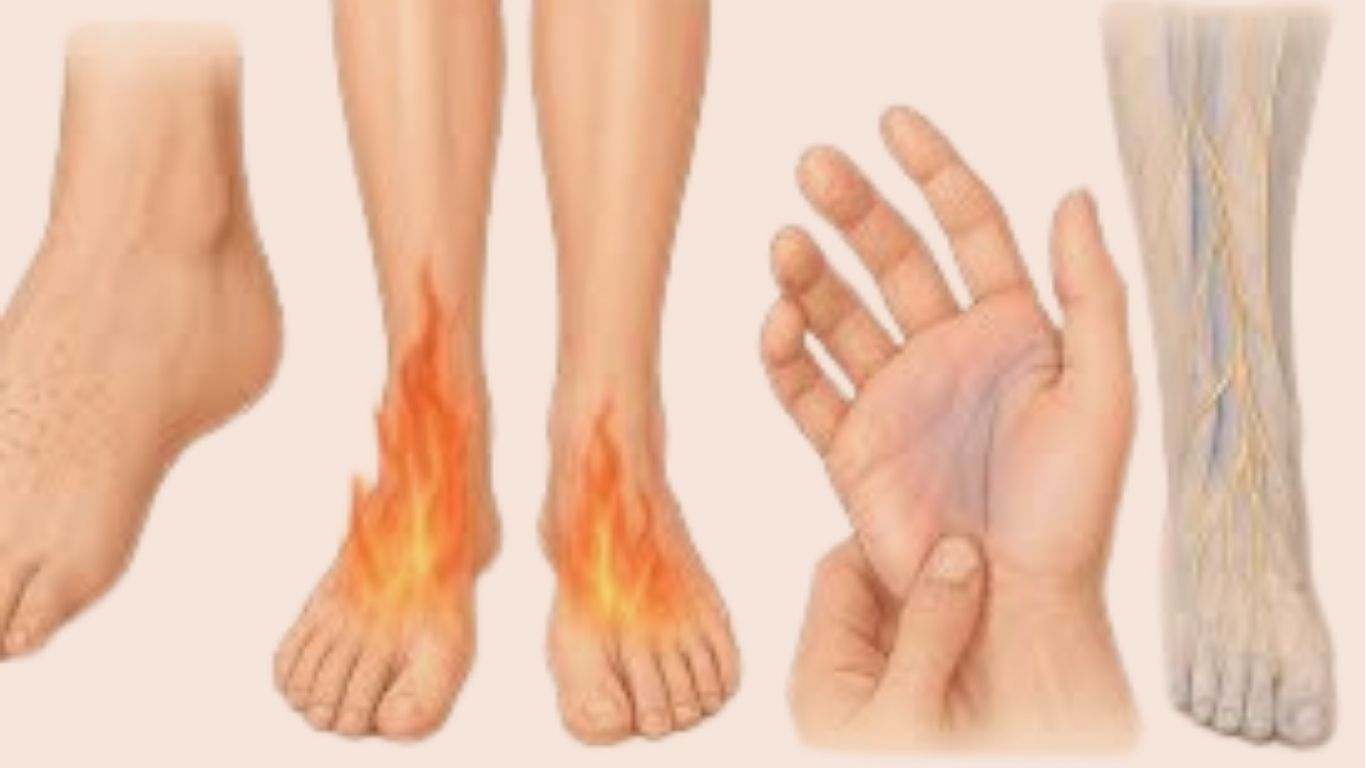
The sensory symptoms are usually the most noticeable and distressing. Many people describe the onset as a gradual creeping sensation. It often begins with a feeling of numbness, tingling, or a “pins and needles” prickling in the hands or feet. This can quickly progress to more intense and debilitating pain. Patients frequently report a burning sensation, sharp, stabbing pains, or sudden, electric-shock-like jolts . This discomfort often follows a “stocking-glove” distribution, meaning it starts in the feet and moves upward or in the hands and moves inward . A peculiar and frustrating symptom is allodynia, where something that shouldn’t normally cause pain—like the light touch of bedsheets or a gentle breeze—becomes intensely painful .
When motor nerves are affected, the symptoms shift from sensation to function. Individuals may experience muscle weakness, making it difficult to walk, climb stairs, or hold objects. Clumsiness can set in, leading to dropped dishes or an inability to button a shirt. Some may develop “foot drop,” a condition where the weakness in the leg makes it difficult to lift the front part of the foot, causing it to drag while walking . If autonomic nerves are involved, the symptoms are less obvious but equally impactful, potentially leading to dizziness upon standing, digestive issues, or abnormal sweating .
The Many Causes of Nerve Damage
The list of conditions that can lead to neuropathy is extensive, making diagnosis a complex puzzle. While diabetes is the most widely recognized and prevalent cause, accounting for a significant portion of cases, it is far from the only one .
Metabolic and Systemic Diseases: Diabetes stands out as the leading culprit. Chronically high blood sugar levels are toxic to nerves, gradually damaging them over time . Other systemic diseases that disrupt the body’s normal chemistry, such as chronic kidney disease, liver disorders, and an underactive thyroid (hypothyroidism), can also create an environment that leads to nerve deterioration .
Lifestyle and Nutritional Factors: Chronic alcohol abuse is a major cause of neuropathy. Alcohol can be directly toxic to nerves and often coexists with poor nutritional intake, leading to deficiencies in essential vitamins, particularly B vitamins like B1, B6, and B12, which are crucial for nerve health .
Injuries and Physical Compression: Physical trauma from car accidents, falls, or sports injuries can sever or damage nerves directly. Repetitive stress injuries, such as carpal tunnel syndrome, are also forms of neuropathy where nerves are compressed and damaged over time .
Infections and Autoimmune Disorders: The body’s immune system, when malfunctioning, can attack its own nerves. Autoimmune diseases like lupus, rheumatoid arthritis, and Guillain-Barré syndrome are prime examples . Infections can also trigger neuropathy; this includes viral infections like HIV, shingles (which can lead to postherpetic neuralgia, a persistent neuropathic pain), and bacterial infections like Lyme disease .
Medical Treatments and Toxins: Ironically, treatments designed to save lives can sometimes cause nerve damage. Chemotherapy drugs, particularly a class called taxanes, are a common cause of what is known as Chemotherapy-Induced Peripheral Neuropathy (CIPN) . Exposure to environmental toxins and heavy metals like lead and mercury is another, though less common, cause .
The Cascading Effects on Life and Health
The impact of neuropathy extends far beyond the physical sensations of pain. It creates a ripple effect that can touch every aspect of a person’s life. The constant battle with pain, sleep disturbances, and the frustration of losing physical capability can lead to significant emotional distress, including anxiety and depression .
The physical effects create a dangerous cycle. Numbness in the feet, for instance, means a person might not feel a small cut or blister. Because of poor circulation that often accompanies conditions like diabetes, these minor injuries can go unnoticed and become infected, sometimes leading to serious complications like ulcers or, in severe cases, gangrene . The loss of balance and proprioception—the body’s ability to sense its position in space—dramatically increases the risk of falls, which can result in fractures and further immobility . As pain and weakness make movement more difficult, muscles can atrophy from disuse, compounding the initial weakness and making the individual even more sedentary. This loss of independence and the constant presence of pain can be profoundly isolating, affecting social life, relationships, and the ability to work .
Strategies for Prevention and Management
While reversing established nerve damage can be challenging, preventing its onset or halting its progression is a primary goal of medical management. Prevention is intrinsically linked to managing the underlying causes.
For those with diabetes, this means meticulous blood sugar control. Maintaining stable glucose levels is the single most effective way to prevent diabetic neuropathy or slow its progression . For others, prevention might involve correcting a vitamin B12 deficiency through diet or supplements, especially for those on long-term metformin or with digestive issues that hinder absorption . Limiting or eliminating alcohol and adopting a balanced diet rich in whole foods and nutrients supports overall nerve health. In the context of chemotherapy, researchers are actively exploring preventive measures. While no pharmacological preventive is yet standard, techniques like cryotherapy (cooling the hands and feet during infusion) are showing promise in reducing the severity of CIPN .
When neuropathy is established, management focuses on treating the pain and maintaining function. Medically approved treatments often include medications that were originally developed for other conditions, such as specific antidepressants (like amitriptyline or SNRIs) and anti-seizure drugs (like gabapentin or pregabalin), which are effective at calming overactive nerve signals . Physical and occupational therapy are cornerstone non-pharmacological approaches. Therapists use techniques like desensitization (gradually exposing affected areas to different textures to retrain the brain), nerve gliding exercises to improve nerve mobility, and balance training to prevent falls . They also provide crucial education on foot care, proper footwear, and home safety .
The Role of Homeopathic Treatment
In the search for relief, many individuals turn to complementary and alternative medicine, with homeopathy being one of the more discussed, yet controversial, options. Homeopathy is based on the principle of “like cures like”—using highly diluted substances that, in large doses, would produce symptoms similar to the condition being treated. Its application in neuropathy is multifaceted, ranging from systemic oral remedies to localized injections.
Homeopathic Injections for Pain: From a clinical perspective, some practitioners advocate for the use of homeopathic injectables, particularly for localized nerve and muscle pain. The approach involves injecting low-dose, complex homeopathic remedies directly into trigger points (TP) or subcutaneously (SC) near the affected area . Proponents argue that this method delivers a concentrated anti-inflammatory and tissue-regenerative stimulus without the side effects associated with conventional corticosteroids or NSAIDs. Remedies used in these injections often include combinations like Arnica montana for trauma and soreness, Hypericum perforatum (St. John’s Wort), known as the “arnica of the nerves” for its affinity to nerve-rich areas, and other substances aimed at modulating inflammation and relaxing muscle spasm . Practitioners report high success rates in resolving difficult pain conditions, including sciatica and neuropathic joint pain, by treating the neuromuscular tension that often accompanies nerve irritation .
Constitutional and Specific Oral Remedies: Beyond injections, homeopaths prescribe oral remedies based on the individual’s complete symptom picture. For nerve pain, a remedy like Toxicodendron pubescens (Rhus tox) is sometimes used. Interestingly, a 2025 preclinical study investigated the anti-neuropathic efficacy of homeopathic dilutions of Rhus tox. In an animal model of neuropathic pain, the treatment showed promise, with researchers attributing the effects to the remedy’s antioxidant, anti-inflammatory, and pain-modulating properties . Another notable area of research involves the use of Mercurius solubilis. A randomized double-blind clinical trial published in 2009 explored its effects on neuropathy and trophic ulcers in patients who had been treated for leprosy. The study found statistically significant improvement in ulcer healing and the regaining of nerve sensation in the group receiving the homeopathic treatment compared to placebo, with biopsy results showing evidence of nerve regeneration .
Integrating Homeopathy with Conventional Care: It is crucial to view homeopathy as a potential complementary therapy rather than a replacement for conventional medical care. While the research, such as the studies on Rhus tox and Mercurius solubilis, provides intriguing insights into possible biological mechanisms, the field remains debated within the broader medical community due to the extreme dilutions used. The high safety profile of these remedies, however, is a commonly cited advantage, with adverse reactions being very rare . For a patient with neuropathy, an ideal approach might be to use conventional medicine for diagnosis, blood sugar control, and pain management with proven pharmaceuticals, while exploring therapies like physical therapy, acupuncture , and under professional guidance, homeopathy, to address residual symptoms and improve overall well-being.
Frequently Asked Questions About Homeopathic Remedies for Neuropathy Pain
1. What exactly are homeopathic remedies, and how are they made for conditions like neuropathy?
Homeopathic remedies are prepared through a specific process of serial dilution and vigorous shaking, known as “succussion.” The philosophy behind homeopathy is that a substance that can cause symptoms in a healthy person can, in a highly diluted form, stimulate the body’s own healing response to those same symptoms. For neuropathy, a remedy might be derived from a plant, mineral, or other natural source. For example, Hypericum perforatum (St. John’s Wort) is used because in its raw form it can affect nerve tissue. Through the homeopathic preparation process, it is diluted to the point where only a minute, or often non-detectable, amount of the original substance remains. Homeopaths believe that it is this “energetic” signature of the substance, rather than its chemical presence, that prompts the body to heal.
2. Which specific homeopathic remedies are most commonly recommended for different types of nerve pain?
The choice of remedy is highly individualized, based on a person’s unique symptom picture. However, some remedies are frequently indicated for specific nerve pain patterns:
-
Hypericum perforatum: Often considered the premier remedy for nerve injuries, especially in areas rich in nerve endings like fingers, toes, and the spine. It is commonly used for sharp, shooting, or tearing pains that follow the path of a nerve, often from an injury.
-
Aconitum napellus (Aconite): This may be indicated for sudden, intense, and distressing nerve pain that comes on rapidly, such as after exposure to cold, dry wind or a sudden shock. The pain is often described as numbness with tingling.
-
Magnesia phosphorica (Mag-phos): Known as the “homeopathic aspirin” for cramps, this remedy is useful for neuralgic pains that are cramping, shooting, and spasmodic in nature. A key feature is that the pain is often relieved by warmth and gentle pressure.
-
Kalmia latifolia: This remedy is often indicated for pains that shoot down the body rapidly, such as in sciatica, where the pain radiates from the lower back down the leg. It’s also considered for pains that shift rapidly from one location to another.
-
Arsenicum album: This may be considered for burning pains, particularly those that feel better with warmth. It is often indicated for restlessness and anxiety accompanying the pain, with symptoms often worsening after midnight.
It is vital to remember that this list is not a prescription. A professional homeopath would consider your overall physical, mental, and emotional state before selecting a remedy and potency.
3. Can homeopathic remedies cure diabetic neuropathy or reverse nerve damage?
This is a critical question. Current scientific and medical consensus holds that significant, established nerve damage, such as that caused by long-term diabetes, is often irreversible. While some preliminary studies, like the one on Mercurius solubilis for leprosy-related neuropathy, have hinted at possible nerve regeneration, this is not a proven or expected outcome for most forms of neuropathy. Therefore, homeopathy is generally not considered a “cure” for diabetic neuropathy in the sense of reversing the damage. Instead, its primary role in management is to help alleviate the debilitating symptoms—such as burning, stabbing pain, and numbness—and improve quality of life. It should always be used as a complementary therapy alongside, not in place of, strict blood sugar control and conventional medical care.
4. Is it safe to take homeopathic remedies alongside my prescribed conventional pain medications?
Generally, high-quality homeopathic remedies prepared in a licensed facility are considered safe to take with conventional medications because they are so highly diluted that they are unlikely to cause chemical interactions. However, this does not mean it is risk-free or advisable to do so without professional guidance. There are two main concerns:
-
Missed Diagnosis: A homeopath might misattribute your symptoms or fail to recognize a worsening of your underlying condition.
-
Delayed Effective Treatment: If you rely solely on homeopathy and abandon your prescribed conventional treatments (like gabapentin, pregabalin, or antidepressants for nerve pain), your pain could worsen significantly.
-
Holistic Confusion: A professional homeopath needs a clear picture of your symptoms. The effects of strong conventional medications can sometimes mask or alter the very symptoms the homeopath needs to find the correct remedy.
Always inform both your medical doctor and your homeopath about all treatments, remedies, and supplements you are taking.
5. How do I find a qualified and reputable homeopathic practitioner for my neuropathy?
Finding a competent practitioner is essential for a safe and effective experience. In many countries, homeopathy is not as strictly regulated as conventional medicine. Here are steps you can take:
-
Seek Professional Credentials: Look for practitioners who are licensed healthcare professionals (like medical doctors, naturopathic doctors, or osteopaths) who have completed extensive, certified post-graduate training in homeopathy.
-
Check for Certification or Registration: In some regions, there are professional bodies that certify or register homeopaths. This often indicates they have met specific educational standards and adhere to a code of ethics.
-
Ask About Experience: Inquire specifically about their experience in treating neuropathy or chronic pain conditions. A practitioner with a focused interest will be more familiar with the complexities of nerve pain.
-
Prepare for a Comprehensive Intake: A proper homeopathic consultation for a chronic condition like neuropathy should be very detailed, often lasting an hour or more, covering your physical symptoms, emotional state, lifestyle, and medical history. Be wary of practitioners who offer a quick fix after a brief conversation.
6. How long does it typically take to see results from homeopathic treatment for nerve pain?
The timeline for seeing results varies greatly from person to person. It depends on several factors: the duration and severity of the neuropathy, the underlying cause, the individual’s overall vitality, and the accuracy of the remedy choice. Some people with acute flare-ups of nerve pain might experience relief relatively quickly, perhaps within days or a couple of weeks. However, for chronic, long-standing neuropathy, treatment is often a longer-term process. It may take several weeks or even months of consistent treatment and follow-up appointments to see a noticeable and sustained improvement in symptoms. Patience and open communication with your practitioner are key.
Conclusion
In conclusion, neuropathy is a multifaceted condition that demands a comprehensive and individualized management plan. Understanding its causes and symptoms is the first step toward effective treatment. While the focus must remain on evidence-based medical interventions to manage underlying diseases and alleviate pain, the growing interest in and research into complementary approaches like homeopathy highlight the desperate need for better solutions. Ultimately, the goal is to combine the best of all available modalities—conventional, physical, and complementary—to slow the progression of the disease, protect the patient from its devastating effects, and restore the highest possible quality of life.