
Table of Contents
ToggleDiscover Effective Homeopathic Remedies for Diverticulitis. Explore Causes, Effects, Prevention and Manage Diverticulitis Naturally
Introduction:
Diverticulitis is a condition that affects the digestive system, specifically the large intestine. It can range from a mild inconvenience to a severe, life-threatening emergency. This article provides a detailed, human-written exploration of diverticulitis, covering its symptoms, causes, effects, prevention, and the role of homeopathic treatment, ensuring you have a thorough understanding of this common ailment.
What is Diverticulitis? Understanding the Basics
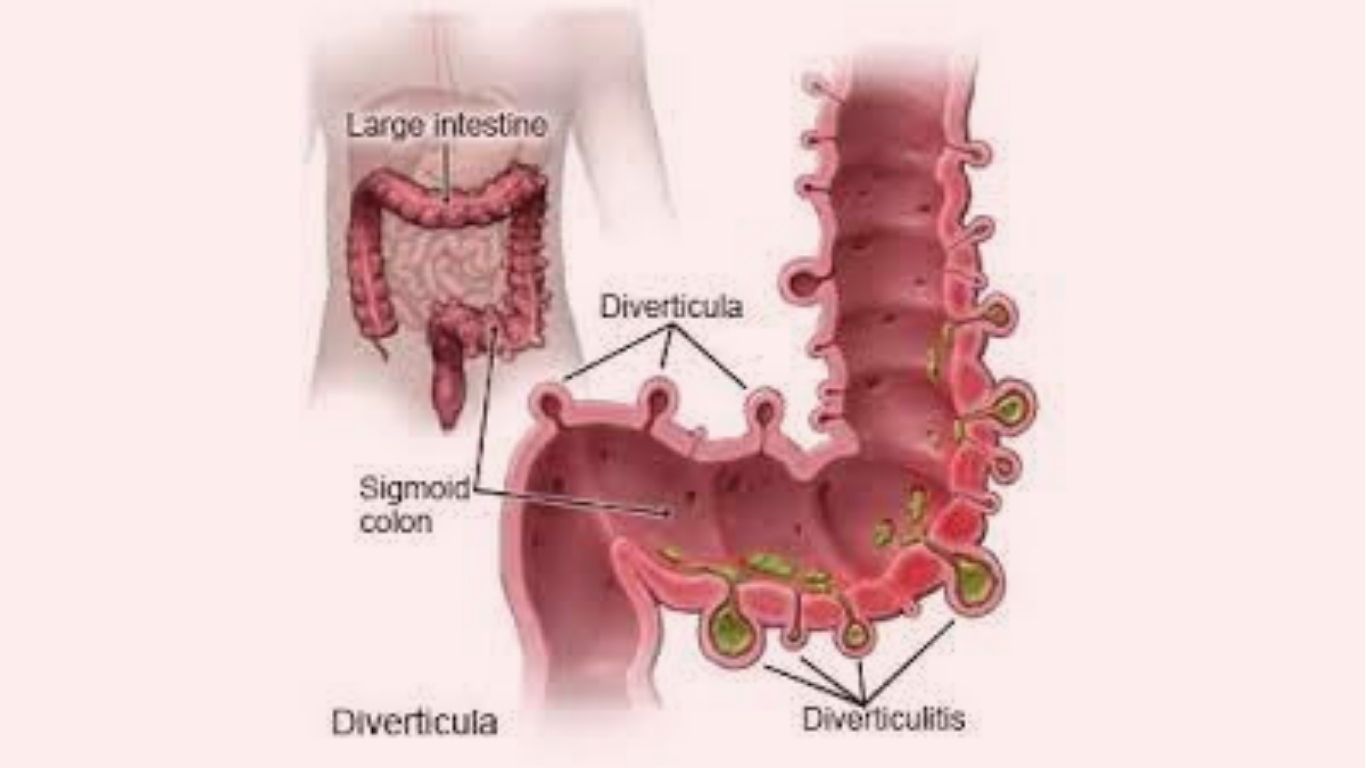
To understand diverticulitis, one must first understand diverticulosis. The inner wall of the large intestine (colon) can develop small, bulging pouches in weakened areas, similar to an inner tube pushing through a weak spot in a tire. These pouches are called diverticula, and the harmless condition of having them is known as diverticulosis . For many people, diverticulosis causes no symptoms and is often found incidentally during a routine colonoscopy.
Diverticulitis occurs when one or more of these diverticula become inflamed or infected . This inflammation can happen suddenly and without warning. It is a much more serious condition than diverticulosis and requires medical attention. It’s important to distinguish between the two: diverticulosis is the presence of the pouches, while diverticulitis is the inflammation or infection of those pouches .
Symptoms of Diverticulitis
The signs and symptoms of diverticulitis can vary depending on the severity of the inflammation and infection. They can appear suddenly or develop over a few days.
Common Signs and Symptoms
The most common symptom is persistent, often sudden, pain in the lower left side of the abdomen . This is because the sigmoid colon, the last part of the large intestine before the rectum, is the most common site for diverticula in Western populations . However, in people of Asian descent, pain may sometimes be felt on the right side . Other common symptoms include:
Fever and Chills: Indicating the body is fighting an infection .
Nausea and Vomiting: Common during a flare-up .
Changes in Bowel Habits: This can include constipation, diarrhea, or both .
Abdominal Bloating and Gas: A feeling of fullness and pressure in the abdomen .
Loss of Appetite: Due to discomfort and nausea .
When Symptoms Indicate a Complication
In some cases, diverticulitis can lead to serious complications, which present with more severe symptoms. These require immediate emergency medical attention and include:
High Fever and Severe Pain: Intensifying abdominal pain and high fever can indicate a spreading infection, an abscess (a pocket of pus), or peritonitis (infection of the abdominal cavity lining) .
Blood in Stool: While diverticulitis itself doesn’t typically cause bleeding, it can be a sign of other complications or a separate issue like diverticular bleeding .
Persistent Vomiting: Inability to keep fluids down can lead to dehydration .
Changes in Urination: Frequent urination, pain during urination, or air bubbles in the urine (pneumaturia) can signal a fistula, an abnormal connection that has formed between the colon and the bladder .
Causes and Risk Factors
The exact mechanism of how diverticula become inflamed is not fully understood, but the prevailing theory is that it begins with a micro-tear or perforation in a diverticulum . This allows bacteria from the stool to escape, leading to infection and inflammation. Several factors can increase a person’s risk of developing diverticulitis.
The Role of Diet and Lifestyle
For decades, a low-fiber diet has been considered a primary contributor to diverticular disease . Fiber adds bulk to the stool, making it softer and easier to pass. Without enough fiber, the colon has to work harder to move small, hard stools, which increases pressure within the colon. This increased pressure is thought to contribute to the formation of diverticula and potentially trigger their inflammation . Other lifestyle factors that increase risk include:
Obesity: Excess weight puts additional pressure on the abdominal cavity and colon .
Physical Inactivity: Regular exercise helps maintain healthy bowel function .
Smoking: Smokers have a significantly higher risk of developing diverticulitis and its complications .
Diet High in Red Meat: A diet rich in red meat and low in fiber has been strongly linked to an increased risk of diverticulitis .
Debunking the Nut and Seed Myth
For years, patients with diverticulosis were told to avoid nuts, seeds, corn, and popcorn, with the belief that these small particles could get trapped in the diverticula and cause inflammation. This theory has been disproven by modern research . Studies have shown that these foods do not increase the risk of diverticulitis and may even be protective due to their fiber content .
Non-Modifiable Risk Factors
Age: The risk of diverticulosis increases dramatically with age. It is estimated that 10% of people under 50 have diverticula, compared to over 50% of those over 70 and up to 70% of those over 80 .
Genetics: A strong genetic component is involved. If you have a family history of diverticular disease, your risk is higher. Twin studies suggest that genetics account for 40-50% of the risk .
Certain Medications: Long-term use of nonsteroidal anti-inflammatory drugs (NSAIDs) like ibuprofen and naproxen, as well as steroids and opioids, has been associated with an increased risk of developing diverticulitis and its complications .
Effects and Potential Complications
If left untreated or if the inflammation is severe, diverticulitis can lead to serious health consequences. These complications often require hospitalization and surgery.
Abscess: A collection of pus that forms around the inflamed diverticulum. It can sometimes be drained with a needle guided by a CT scan .
Perforation: A rupture of the diverticulum, which can spill intestinal contents into the abdominal cavity, causing peritonitis . This is a life-threatening emergency requiring immediate surgery .
Fistula: An abnormal tunnel-like connection that forms between the colon and another organ, most commonly the bladder (colovesical fistula) . This can cause recurrent severe urinary tract infections.
Intestinal Obstruction: Scarring from repeated bouts of diverticulitis can cause the colon to narrow or become blocked, preventing stool from passing .
Stricture: Similar to obstruction, a stricture is a narrowing of the colon due to scar tissue, which can lead to chronic constipation and bloating .
Prevention Strategies
While you cannot change your age or genetics, you can significantly lower your risk of developing diverticulitis through lifestyle modifications.
Dietary Recommendations
Eat a High-Fiber Diet: The most crucial step is to increase your fiber intake. Aim for at least 25-35 grams of fiber per day from fruits, vegetables, legumes (beans, lentils), and whole grains .
Stay Hydrated: Fiber works by absorbing water, so it’s essential to drink plenty of fluids—water is best—to keep the stool soft .
Limit Red Meat and Processed Foods: Reduce consumption of red meat and high-fat, low-fiber processed foods .
Lifestyle Modifications
Exercise Regularly: Aim for at least 30 minutes of moderate exercise, like brisk walking, most days of the week. This helps maintain healthy bowel function and a healthy weight .
Maintain a Healthy Weight: Achieving and maintaining a healthy body mass index (BMI) reduces pressure on the colon .
Avoid Smoking: If you smoke, seek help to quit. This is one of the most impactful things you can do for your overall and digestive health .
Homeopathic Treatment for Diverticulitis
Homeopathy is a system of alternative medicine based on the principle of “like cures like” (similia similibus curentur). This means a substance that causes certain symptoms in a healthy person can, in very small, diluted doses, be used to treat similar symptoms in a sick person . It’s a holistic approach, aiming to treat the entire individual—their physical, mental, and emotional state—rather than just the disease . For diverticulitis, homeopathy focuses on stimulating the body’s own healing response to reduce inflammation, relieve pain, and restore balance to the digestive system .
Common Homeopathic Remedies
A professional homeopath would select a remedy based on a person’s specific and unique symptom picture. It is crucial to consult a qualified practitioner for personalized treatment. Here are some remedies commonly associated with diverticulitis symptoms:
Colocynthis: Often indicated for intense, cramping abdominal pain that may cause the person to double over. The pain might improve with firm pressure or bending forward .
Nux Vomica: Frequently recommended for individuals with a sedentary lifestyle who experience constipation with a constant feeling of incomplete evacuation, bloating, and irritability .
Belladonna: Used for sudden, violent attacks with throbbing pain, high fever, and a red, hot face. The person may be hypersensitive to touch and noise.
Bryonia: Indicated for sharp, stabbing pains that are worsened by the slightest movement. The person tends to be irritable and wants to lie perfectly still.
Arsenicum Album: Suitable for individuals who experience burning pains in the abdomen, along with restlessness, anxiety, and exhaustion. They may feel better with heat.
Mercurius Solubilis: May be considered when there is bad breath, a metallic taste in the mouth, and tenderness in the abdomen, often with pus formation .
The Holistic Homeopathic Approach
A homeopathic practitioner will not simply prescribe a remedy for “diverticulitis.” They will take a detailed case history, considering factors like:
Location and type of pain: Is it sharp, cramping, or burning?
Modalities: What makes the pain better or worse? (e.g., heat, cold, pressure, movement)
Associated symptoms: What is the nature of the constipation or diarrhea? Is there nausea?
Mental and emotional state: Is the person anxious, irritable, or fearful?
Important Disclaimer on Homeopathy
While homeopathy can be a supportive therapy for many, it is not a substitute for conventional medical care, especially in acute or severe cases of diverticulitis. If you suspect you have diverticulitis, you must see a medical doctor for a proper diagnosis. Homeopathic treatment should be used as a complementary approach alongside, and with the knowledge of, your primary healthcare provider . In emergency situations like peritonitis or a perforation, immediate surgical intervention is life-saving.
Frequently Asked Questions About Homeopathic Remedies for Diverticulitis
Navigating the world of homeopathy for a condition like diverticulitis can raise many questions. This section aims to address the most common queries, helping you understand how this holistic approach fits into your overall health strategy.
1. Can homeopathy cure diverticulitis permanently?
This is a complex question. From a homeopathic perspective, the goal is not just to suppress the acute symptoms of diverticulitis but to stimulate the body’s own vital force to restore balance and health. A qualified homeopath will look for the “constitutional remedy”—a medicine that matches your unique physical, mental, and emotional makeup. The aim of this deep-acting treatment is to strengthen the terrain of the body, potentially reducing the recurrence of flare-ups and improving overall digestive health.
However, it’s important to have realistic expectations. Homeopathy may not “undo” the existing diverticula (the pouches themselves). The focus is on preventing them from becoming inflamed and infected. While many people experience a significant reduction in frequency and severity of attacks with long-term homeopathic treatment, it is not a guaranteed “cure” in the conventional sense, and lifestyle modifications remain crucial.
2. How quickly do homeopathic remedies work for an acute diverticulitis attack?
The speed of action depends on the severity of the attack and how precisely the remedy matches the individual’s symptoms.
In mild, acute cases: If the correct remedy (like Colocynthis for specific cramping pain or Belladonna for a sudden, violent onset) is taken at the onset of symptoms, improvement can sometimes be seen within hours. The pain may lessen, and the person may feel more at ease.
In moderate to severe cases: It is critical to understand that homeopathy should never be the sole treatment for a severe attack. If you have a high fever, debilitating pain, or signs of complications, you must seek conventional medical care immediately. In such cases, homeopathy can be used as a complementary therapy alongside antibiotics or other medical treatments, always under the guidance of your doctor and a professional homeopath.
3. Is it safe to take homeopathic remedies alongside conventional antibiotics or painkillers?
Generally, yes. Homeopathic remedies are highly diluted and do not contain pharmacologically active molecules that would interfere with conventional drugs. They are considered safe to take alongside other medications. However, there are two crucial points to remember:
Inform All Practitioners: You must inform both your medical doctor and your homeopath about all treatments and medications you are taking. This ensures coordinated and safe care.
Avoid “Antidoting” Effects: Some strong-smelling substances, like camphor, eucalyptus, or menthol, as well as coffee and dental work, are thought by some homeopaths to potentially interfere with (“antidote”) the action of a homeopathic remedy. While this is a debated topic within homeopathy, it’s best to follow your practitioner’s advice regarding these substances during treatment.
4. I have diverticulosis but have never had an attack. Can homeopathy prevent me from getting diverticulitis?
Yes, this is one of the most promising applications of homeopathy for diverticular disease. This is where the constitutional approach shines. By taking a comprehensive case, a homeopath will work to address underlying weaknesses in your digestive system. This might involve improving your overall bowel function, reducing bloating and gas, and strengthening the tone of your colon.
The goal of this preventative or prophylactic treatment is to create an internal environment that is less prone to inflammation and infection, thereby reducing the likelihood of a diverticulitis flare-up. This approach is best combined with the dietary and lifestyle preventive measures discussed in the main article.
5. How do I know which homeopathic remedy is right for me? Can I just buy one from the health store?
While you can purchase combination remedies or single remedies like Nux vomica or Colocynthis over the counter for minor, self-limiting digestive upsets, self-prescribing for a condition like diverticulitis is not recommended.
Choosing the correct homeopathic remedy is an art and a science. As detailed in the main article, remedies are selected based on a very specific “symptom picture.” For example, two people with diverticulitis might need different remedies:
One person with Colocynthis pain might be doubled over with cramping that improves with hard pressure.
Another person with Bryonia pain might have a sharp, stitching pain that makes them want to lie completely still and not be moved.
A professional homeopath takes the time to gather this detailed information to find your unique symptom match. Using the wrong remedy is unlikely to help and can sometimes delay proper treatment.
6. Are there any side effects of homeopathic remedies?
Homeopathic remedies, when prepared from properly approved sources and taken as directed, are generally considered very safe and non-toxic. They are so diluted that they are unlikely to cause adverse effects like those seen with conventional drugs. However, some people may experience a temporary, mild worsening of their original symptoms shortly after starting a remedy. This is known as a “healing aggravation” and is often interpreted by homeopaths as a sign that the remedy is working. It is usually short-lived. If you experience any new or concerning symptoms, you should stop the remedy and consult your practitioner.
Conclusion
Diverticulitis is a common but potentially serious condition that arises from inflamed diverticula in the colon. Its symptoms, from abdominal pain and fever to more severe complications, require attention and care. The good news is that by understanding its causes—particularly the role of diet and lifestyle—you can take significant steps to prevent it. A high-fiber diet, regular exercise, and avoiding smoking are your best defenses. For those seeking additional support, homeopathy offers a holistic and individualized approach to managing symptoms and promoting overall digestive wellness. However, it is vital to remember that homeopathy should complement, not replace, conventional medical diagnosis and treatment, especially in emergency situations. By staying informed and proactive about your digestive health, you can effectively manage this condition and maintain a good quality of life.













1 thought on “Homeopathic Remedies for Diverticulitis”