
Table of Contents
ToggleProstate Enlargement (BPH): Causes, Effects, Prevention and Effective Homeopathic Remedies for Prostate Enlargement (BPH)
Introduction:
Benign Prostatic Hyperplasia (BPH) is one of the most common health conditions affecting aging men, yet it remains a topic that many are reluctant to discuss openly. This non-cancerous enlargement of the prostate gland can significantly impact quality of life, disrupting sleep, daily activities, and peace of mind. Understanding this condition is the first step toward managing it effectively. This article provides a comprehensive look at BPH, covering its symptoms, causes, effects, preventive strategies, and the role of homeopathic treatment.
What is Benign Prostatic Hyperplasia?
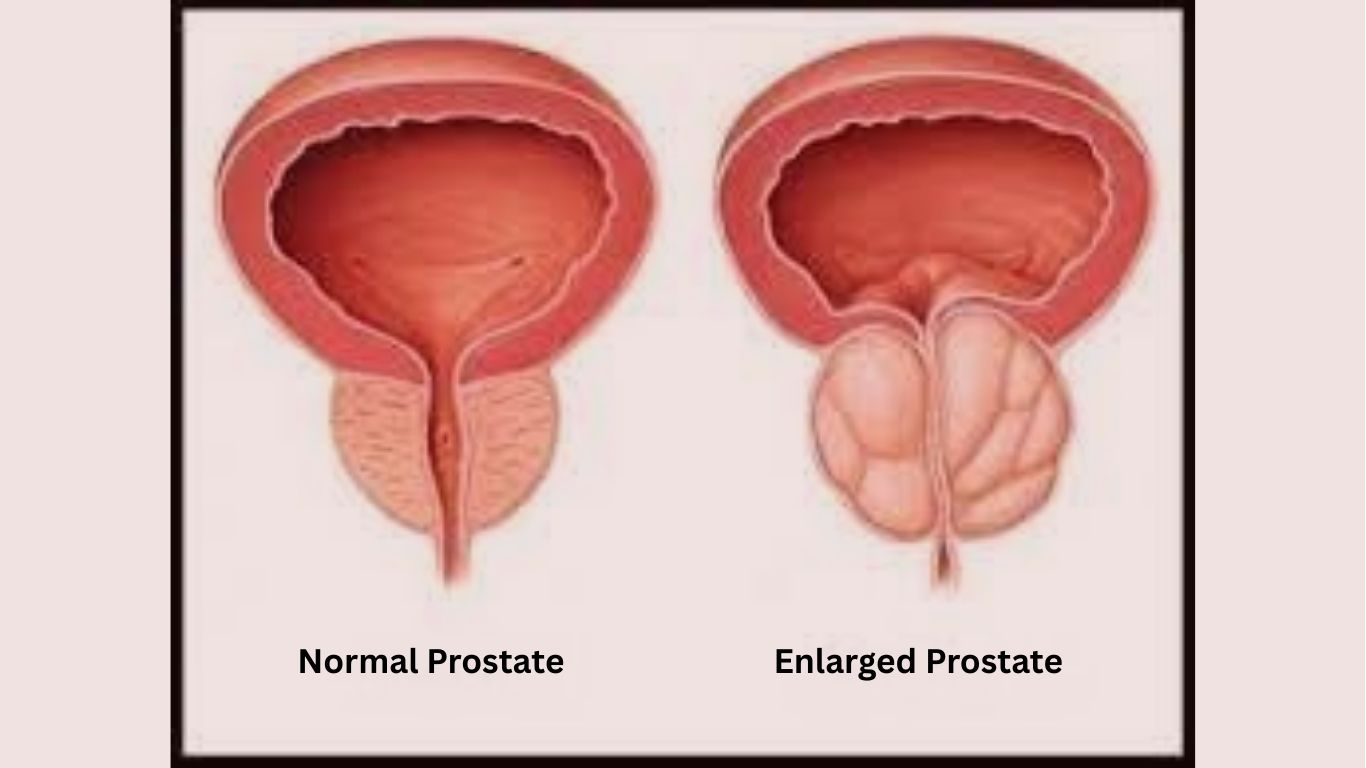
Benign Prostatic Hyperplasia, often called BPH or simply an enlarged prostate, is a condition where the prostate gland grows in size . The prostate is a small, walnut-sized gland located below the bladder and surrounding the urethra, the tube through which urine and semen exit the body . Its primary function is to produce fluid that nourishes and transports sperm.
In BPH, the growth of the prostate is benign, meaning it is not cancerous and does not increase the risk of developing prostate cancer . However, as the gland enlarges, it can squeeze or pinch the urethra, acting like a gentle clamp on a garden hose. This constriction can obstruct the flow of urine and lead to a variety of uncomfortable urinary symptoms .
Symptoms of an Enlarged Prostate
The symptoms of BPH are often referred to as lower urinary tract symptoms (LUTS) . They can range from mild to severe and typically develop gradually over many years. It’s important to note that the severity of symptoms does not always correlate with the size of the prostate; some men with significant enlargement have few symptoms, while others with slight enlargement may experience considerable discomfort .
Common symptoms can be categorized into two main groups:
Voiding (or Obstructive) Symptoms:
A weak or slow urine stream: The flow may be less forceful and take longer to empty the bladder .
Hesitancy: Difficulty starting the urine stream. You may stand at the toilet for a while before the urine begins to flow .
Intermittency: The stream may stop and start several times during urination.
Straining to urinate: You may need to push or bear down to begin and maintain the stream.
Dribbling at the end of urination: An annoying leakage of urine after you think you have finished .
Storage (or Irritative) Symptoms:
Urinary frequency: The need to urinate frequently, often every one or two hours .
Nocturia: Waking up multiple times during the night to urinate . This is often one of the most disruptive symptoms.
Urgency: A sudden, strong, and difficult-to-control urge to urinate .
Incomplete emptying: The feeling that your bladder is not completely empty even right after you have finished urinating .
If you experience symptoms like a complete inability to urinate, painful urination accompanied by fever and chills, or blood in your urine, you should seek immediate medical attention .
Causes and Risk Factors
The exact cause of BPH is not fully understood, but it is closely linked to the aging process and hormonal changes .
Primary Causes:
Aging: BPH is extremely age-related. It rarely causes symptoms before age 40, but the prevalence increases dramatically with each passing decade. Studies show that while 5-6% of men between 40-64 experience BPH, this number jumps to nearly a third for those over 65 . By age 80, most men will have some degree of prostate enlargement .
Hormonal Shifts: The prostate’s growth throughout a man’s life is influenced by male hormones (androgens), particularly testosterone and its more potent form, dihydrotestosterone (DHT). As men age, changes in the balance of hormones like testosterone and estrogen are believed to play a central role in stimulating the prostate to grow .
Risk Factors:
Beyond age, several other factors can increase a man’s likelihood of developing BPH:
Family History: Having a father or brother with BPH increases your own risk .
Obesity: Excess body weight is a significant risk factor .
Medical Conditions: Men with certain health problems, such as type 2 diabetes, heart disease, and erectile dysfunction, are more prone to BPH .
Lack of Physical Activity: A sedentary lifestyle is associated with a higher risk .
Effects and Complications
While BPH itself is not life-threatening, if left untreated, it can lead to several serious complications that affect the bladder, urinary tract, and kidneys .
Urinary Retention: This is the complete inability to urinate, a painful condition that requires emergency medical care to drain the bladder with a catheter. It can be triggered by cold temperatures, long periods of immobility, or certain medications .
Urinary Tract Infections (UTIs): When the bladder cannot empty completely, stagnant urine becomes a breeding ground for bacteria, leading to recurrent infections .
Bladder Stones: Incomplete emptying can lead to the crystallization of minerals in the urine, forming bladder stones, which can cause irritation, blood in the urine, and infection .
Bladder Damage: Over time, the bladder muscles have to work overtime to push urine through the obstructed urethra. This can cause the bladder wall to become thickened, weak, and lose its ability to contract properly .
Kidney Damage: In severe and prolonged cases, the back pressure from an obstructed bladder can travel up the ureters to the kidneys, potentially causing irreversible kidney damage .
Blood in the Urine (Hematuria): The straining and increased pressure can cause small veins in the urethra or bladder to stretch and rupture, leading to blood in the urine .
Prevention and Lifestyle Management
While it may not be possible to completely prevent BPH, research suggests that certain lifestyle choices can significantly reduce your risk and help manage symptoms .
Dietary Strategies
What you eat can have a profound impact on your prostate health. A diet rich in whole, unprocessed foods is recommended.
Eat a “Prostate-Healthy” Diet: Focus on a diet high in fruits, vegetables, and whole grains. This pattern is often similar to the Mediterranean or Eastern-style eating patterns, which are anti-inflammatory . Specifically, men with a high intake of phytochemical-rich foods (found in vibrant produce, legumes, and soy) are significantly less likely to develop BPH .
Choose Your Protein Wisely: Opt for plant-based proteins like beans, legumes, and soy products over red and processed meats, which have been linked to a higher risk of BPH .
Limit Irritants: Reduce or eliminate alcohol and caffeine, especially in the evening, as they can act as diuretics and bladder irritants, worsening urgency and frequency .
Lifestyle Modifications
Simple changes to daily habits can also make a big difference.
Exercise Regularly: Engaging in regular moderate to vigorous physical activity, such as brisk walking, biking, or swimming for at least 150 minutes per week, can improve symptoms and reduce risk .
Maintain a Healthy Weight: Obesity is a key risk factor, so managing your weight through diet and exercise is a powerful preventive measure .
Manage Fluid Intake: Drink plenty of fluids during the day but reduce consumption in the evening before bed to help combat nocturia .
Double Voiding: Practice double voiding by urinating, waiting a few moments, and then trying to urinate again. This helps empty the bladder more completely .
Homeopathic Treatment for BPH
For those seeking alternative or complementary approaches, homeopathy offers a holistic system of medicine that treats the individual as a whole. The goal of homeopathic treatment is not just to shrink the prostate, but to stimulate the body’s own healing response and address the underlying susceptibility that led to the condition. Treatment is highly individualized, meaning a remedy is chosen based on the person’s unique physical, emotional, and psychological symptoms .
Evidence and Approach in Homeopathy
Several studies and case reports have documented the positive effects of homeopathy in managing BPH. For instance, a case series published in the Indian Journal of Research in Homoeopathy showed that individualized homeopathic medicines like Pulsatilla and Thuja led to a reduction in urinary symptoms and, in many cases, a decrease in prostate volume . Another case report demonstrated significant symptom relief and a reduction in prostate size from 37cc to 20cc over six months using a combination of Tabacum and Sabal serrulata .
The Central Council for Research in Homoeopathy (CCRH) has also published case studies highlighting the effectiveness of remedies like Staphysagria, noting that a holistic approach which incorporates a patient’s mental state (such as anxiety and sensitivity) is crucial for success .
Common Homeopathic Remedies for BPH
While a professional homeopath must be consulted for proper prescription, here are some of the remedies commonly indicated for BPH symptoms :
Sabal serrulata: Often considered one of the most important remedies for BPH. It is indicated for enlarged prostate with frequent and difficult urination, especially at night. It can help reduce the congestion and irritation of the gland.
Pulsatilla nigricans: Suited for mild, gentle, and often emotional individuals whose symptoms are changeable. In BPH, it may be indicated when there is a feeling of incomplete emptying, and the symptoms worsen when the person is lying down or with rich, fatty foods.
Thuja occidentalis: Often prescribed when there is a sensation of a split or interrupted urine stream, a feeling of a drop rolling down the urethra after urination, and when the person has a history of warts or other growths.
Staphysagria: This remedy is often indicated for men who are very sensitive to the opinions of others and may suppress their emotions. Urinary symptoms often involve a slow stream, difficulty starting, and a history of unsatisfactory sexual experiences.
Chimaphila umbellata: Known for urinary retention in BPH. A key symptom is the need to strain to urinate, with the stream stopping and starting. There may be a sensation of sitting on a ball (perineal pressure) .
Clematis erecta: Indicated for hesitant and slow urination, often with a constricted feeling. The flow is interrupted, and there is burning in the last drops .
A Note on Homeopathic Treatment
It is vital to understand that homeopathic treatment for BPH should be managed by a qualified practitioner. They will take an extensive case history to find the remedy that best matches the patient’s “constitution” or totality of symptoms. You should never attempt to self-prescribe for a condition like BPH. A proper diagnosis from a urologist is essential to rule out other causes, including prostate cancer . Homeopathy can be used alongside conventional medical treatment, but it is crucial to inform all your healthcare providers about any therapies you are using .
Frequently Asked Questions About Homeopathic Remedies for Prostate Enlargement (BPH)
When considering homeopathic treatment for Benign Prostatic Hyperplasia, many men have questions about how it works, what to expect, and whether it is a safe and effective option. Below are answers to some of the most commonly asked questions about using homeopathy for an enlarged prostate.
1. Can homeopathy really shrink an enlarged prostate?
This is perhaps the most common question, and the answer requires some nuance. Homeopathic treatment aims to do more than simply reduce the size of the prostate gland. The primary goal is to alleviate the troubling urinary symptoms associated with BPH and improve overall quality of life.
Clinical case reports and studies published in reputable journals like the Indian Journal of Research in Homoeopathy have documented instances where patients experienced both symptomatic relief and a measurable reduction in prostate volume after receiving individualized homeopathic treatment. However, results vary from person to person. Some men may notice a significant improvement in their urinary flow and frequency without a dramatic change in the physical size of the gland, while others may experience both. Homeopathy works by stimulating the body’s own regulatory mechanisms, which can sometimes lead to a reduction in glandular tissue over time.
2. How long does it take for homeopathic remedies to work for BPH?
The timeline for improvement depends on several factors, including the severity and duration of the condition, the patient’s overall health, and how precisely the chosen remedy matches the individual’s unique symptom picture.
In acute exacerbations or for mild, recent-onset symptoms, some men may notice improvement within a few days or weeks. For chronic, long-standing BPH with significant enlargement, treatment is often a longer-term process. It may take several months of consistent, carefully monitored treatment to see substantial and lasting results. Homeopathy addresses the underlying susceptibility, so deep-seated conditions naturally require more time to resolve than superficial ones. Patience and adherence to the prescribed regimen are essential.
3. Is homeopathic treatment safe to use alongside my current conventional medications?
In most cases, yes. Homeopathic remedies are prepared from natural substances and are highly diluted, which makes them generally safe and free from toxic side effects. They do not typically interact with pharmaceutical drugs in the way that two conventional drugs might interact.
However, this does not mean you should combine treatments without professional guidance. It is absolutely essential to inform both your urologist and your homeopathic practitioner about all treatments you are receiving. Never stop or alter the dosage of any prescribed conventional medication without consulting your doctor. A qualified homeopath will know how to work alongside your other healthcare providers to ensure an integrated and safe approach to your health. The goal is complementary care, not conflicting care.
4. Do I need to see a professional homeopath, or can I treat myself?
While there are over-the-counter homeopathic combinations available for prostate health, self-prescribing for a condition like BPH is not recommended. BPH requires a proper medical diagnosis to rule out other serious conditions, including prostate cancer. A professional homeopath, especially one with experience in treating urological conditions, will conduct an extensive consultation lasting an hour or more. They will delve into not just your urinary symptoms, but also your physical constitution, emotional state, sleep patterns, food preferences, and overall medical history.
This holistic assessment is crucial for finding the single remedy that most closely matches your “totality of symptoms.” For example, one man with BPH might need Pulsatilla, while another with seemingly similar urinary issues might require Thuja based on their distinct emotional and physical characteristics. A professional is trained to make this distinction, ensuring the treatment is truly individualized and effective.
5. What are the most commonly used homeopathic remedies for BPH?
Several remedies are frequently indicated for prostate enlargement, each with its own unique set of guiding symptoms. A professional homeopath will choose the one that best fits the patient’s overall picture.
Sabal serrulata: Often the first remedy considered. It is specific to the prostate gland and is indicated for frequent urination, especially at night, and difficulty urinating. It is thought to help with the congestive enlargement of the gland.
Thuja occidentalis: This remedy is often suited to men who have a sensation of a splinter or a drop rolling down the urethra after urination. The stream may be thin and interrupted. It is also associated with individuals who have a history of warts or other growths.
Pulsatilla nigricans: Indicated for mild, gentle, and sometimes emotional individuals. Their BPH symptoms are often changeable, with a feeling of incomplete emptying. Symptoms may worsen when lying down or after eating rich foods.
Staphysagria: Often prescribed for men who are very sensitive, easily offended, or who suppress their anger. Urinary symptoms include a slow stream and a frequent urge, often with a history of unsatisfactory sexual experiences or prostate issues following suppressed emotions.
Chimaphila umbellata: Known as the “queen’s root,” it is a key remedy for urinary retention. A classic symptom is the need to strain to urinate, with the urine flow stopping and starting. There may be a sensation of sitting on a ball due to perineal pressure.
Clematis erecta: Suited for hesitant and slow urination with a constricted feeling. The flow is interrupted, and there may be burning in the last drops of urine.
This is not an exhaustive list, and other remedies like Conium, Digitalis, or Lycopodium may also be indicated depending on the individual case.
6. Are there any side effects or risks associated with homeopathic remedies?
Because homeopathic remedies are prepared through a process of serial dilution and succussion (vigorous shaking), they are generally considered extremely safe and non-toxic. They do not cause the common side effects associated with many conventional BPH medications, such as dizziness, low blood pressure, or sexual dysfunction.
However, some individuals may experience a temporary “homeopathic aggravation” at the start of treatment. This is a brief, mild worsening of existing symptoms that is often seen as a positive sign that the body is beginning to respond to the remedy. This aggravation is usually short-lived and should be reported to your homeopath, who can then adjust the dosage or remedy accordingly.
7. What lifestyle changes should I make to support homeopathic treatment?
Homeopathy works best when supported by a healthy lifestyle. Your homeopath will likely encourage you to adopt habits that promote overall prostate and urinary health.
Diet: Focus on a diet rich in fruits, vegetables, and whole grains. Reduce your intake of red meat and processed foods. Incorporate zinc-rich foods like pumpkin seeds (a traditional remedy for prostate health) and tomatoes cooked in olive oil (for lycopene).
Hydration: Drink plenty of water and fluids during the day, but reduce your intake in the evening to minimize nighttime urination. Limit or avoid bladder irritants like caffeine and alcohol, especially after dinner.
Exercise: Regular physical activity, such as walking, swimming, or cycling, helps improve circulation and reduce the congestion associated with BPH.
Voiding Habits: Practice double voiding (urinating, waiting a moment, and trying again) to help empty the bladder more completely. Respond to the urge to urinate promptly rather than holding it in for long periods.
8. How do I know if homeopathic treatment is working?
You will know homeopathic treatment is working through the gradual improvement of your symptoms. This might look like:
A stronger, more consistent urine stream.
Less straining and hesitancy when starting to urinate.
A decrease in the number of times you wake up at night to urinate.
A reduced sense of urgency and frequency during the day.
A greater feeling of complete emptying after urination.
Some men may also notice improvements in their overall energy levels and sense of well-being. Regular follow-ups with your homeopath are crucial, as they will track these changes and adjust the treatment plan as needed to ensure continued progress toward better prostate health.
Conclusion
Benign Prostatic Hyperplasia is a pervasive condition of aging, but it doesn’t have to be accepted as an unmanageable burden. From the first signs of a hesitant stream or a sleepless night due to frequent bathroom trips, BPH signals a need for attention. A multi-faceted approach offers the best path to relief. Conventional medicine provides effective diagnostic tools and a range of treatments from lifestyle changes to medication and minimally invasive procedures . Integrative approaches, including targeted dietary changes and exercise, empower men to take an active role in their prostate health . For those drawn to holistic healing, homeopathy offers a gentle, individualized method that aims to correct systemic imbalances . By understanding all available options and working closely with healthcare professionals, men can effectively navigate BPH and maintain a high quality of life.













2 thoughts on “Homeopathic Remedies for Prostate Enlargement (BPH)”