
Table of Contents
ToggleArthritis: Symptoms, Causes, Effects, Prevention, and Homeopathic Remedies for Arthritis
Arthritis is one of the most widespread chronic health conditions affecting people of all ages, though it is more common in older adults. The term “arthritis” literally means inflammation of the joints, but in reality, it represents a group of more than 100 different joint-related disorders. These conditions can affect not only the joints but also surrounding tissues and, in some cases, internal organs.
Arthritis can interfere with daily activities such as walking, climbing stairs, writing, or even holding a cup of tea. Beyond physical discomfort, it can also affect emotional health and quality of life. Understanding arthritis in detail helps in early recognition, prevention, and choosing the right treatment approach, including homeopathic care.
What Is Arthritis?
A joint is the place where two or more bones meet, such as the knees, hips, shoulders, elbows, and fingers. In a healthy joint, cartilage covers the ends of bones, allowing smooth movement. The joint is surrounded by a synovial membrane that produces lubricating fluid, ensuring flexibility and ease of motion.
In arthritis, inflammation develops in one or more joints. This inflammation can damage cartilage, bones, ligaments, and surrounding tissues. Over time, untreated arthritis may lead to joint deformity and restricted movement.
Arthritis is not a single disease but a broad category that includes various conditions with different causes and patterns.
Common Types of Arthritis
Osteoarthritis
Osteoarthritis is the most common form of arthritis. It is often referred to as “wear and tear” arthritis. It occurs when the protective cartilage cushioning the ends of bones gradually wears down over time. It commonly affects weight-bearing joints such as the knees, hips, and spine.
Rheumatoid Arthritis
Rheumatoid arthritis is an autoimmune disorder. In this condition, the immune system mistakenly attacks the synovial lining of the joints, leading to inflammation, swelling, and eventual joint damage. It often affects both sides of the body symmetrically, such as both hands or both knees.
Gout
Gout is caused by the accumulation of uric acid crystals in the joints. It typically affects the big toe but can involve other joints as well. Gout attacks are sudden and extremely painful.
Psoriatic Arthritis
Psoriatic arthritis occurs in some individuals who have psoriasis, a chronic skin condition. It can cause joint pain, stiffness, and swelling along with skin lesions.
Symptoms of Arthritis
The symptoms of arthritis vary depending on the type and severity, but several features are commonly observed.
Joint Pain
Pain is the primary symptom of arthritis. It may develop gradually or suddenly. The pain can be dull and aching or sharp and severe. In osteoarthritis, pain often worsens with activity and improves with rest. In rheumatoid arthritis, pain is usually accompanied by prolonged morning stiffness.
Joint Stiffness
Stiffness is especially noticeable after periods of inactivity, such as upon waking up. In rheumatoid arthritis, morning stiffness may last for more than an hour, while in osteoarthritis it usually lasts for a shorter duration.
Swelling
Inflamed joints may appear swollen due to fluid accumulation or thickening of the joint lining. Swelling can make movement difficult and painful.
Reduced Range of Motion
Arthritis may limit how far a joint can move. Over time, this restriction may become permanent if not properly managed.
Redness and Warmth
Some forms of arthritis, such as gout and rheumatoid arthritis, can cause redness and warmth around the affected joint.
Fatigue and General Weakness
Autoimmune types of arthritis may cause fatigue, low-grade fever, and an overall feeling of tiredness or malaise.
Joint Deformity
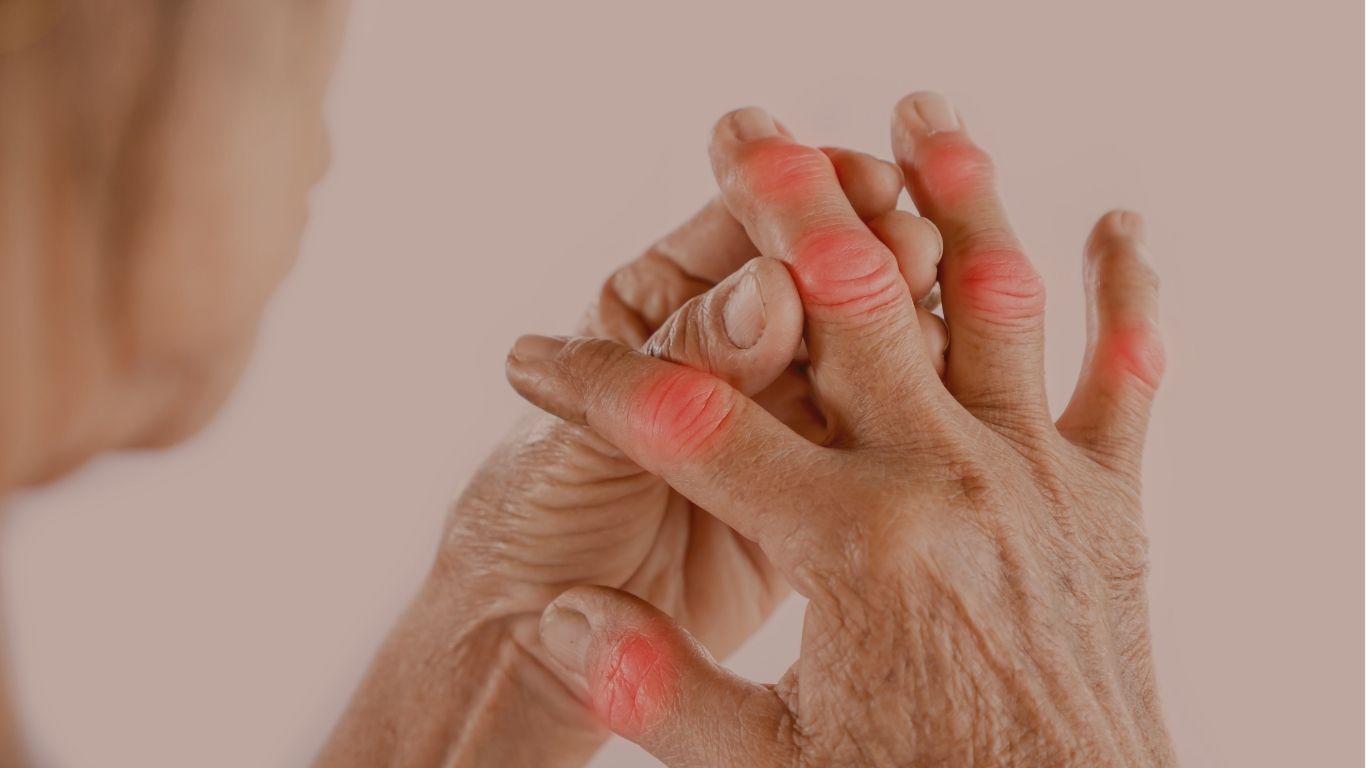
In advanced cases, chronic inflammation can lead to visible deformities, especially in the hands and feet.
Causes of Arthritis
The underlying causes of arthritis differ according to the specific type, but several contributing factors are recognized.
Aging
As people age, cartilage naturally degenerates, increasing the risk of osteoarthritis.
Genetic Factors
Family history can increase the likelihood of developing certain types of arthritis, particularly autoimmune forms.
Joint Injuries
Previous injuries from sports, accidents, or repetitive stress can increase the risk of arthritis later in life.
Obesity
Excess body weight puts additional stress on weight-bearing joints, accelerating cartilage breakdown.
Autoimmune Disorders
In conditions like rheumatoid arthritis, the immune system mistakenly attacks healthy joint tissues.
Metabolic Imbalance
High levels of uric acid in the blood can lead to gout.
Infections
Certain bacterial or viral infections can trigger reactive arthritis.
Hormonal Influences
Women are more commonly affected by rheumatoid arthritis, suggesting hormonal factors may play a role.
Effects of Arthritis
Arthritis affects more than just the joints. Its impact can be physical, emotional, and social.
Physical Limitations
Persistent pain and stiffness can make everyday tasks difficult. Simple activities like walking, dressing, or cooking may become challenging.
Muscle Weakness
Reduced activity can lead to muscle wasting, which further weakens joint support.
Emotional Distress
Chronic pain may lead to anxiety, depression, sleep disturbances, and reduced social interaction.
Organ Involvement
In autoimmune types such as rheumatoid arthritis, other organs like the heart, lungs, and eyes may be affected.
Financial Burden
Medical treatments, medications, physiotherapy, and possible surgeries can create financial strain.
Prevention of Arthritis
While not all types of arthritis can be prevented, certain measures can reduce the risk or slow progression.
Maintain a Healthy Weight
Keeping body weight within a healthy range reduces stress on joints.
Engage in Regular Exercise
Low-impact activities like walking, swimming, and cycling strengthen muscles and maintain flexibility.
Eat a Balanced Diet
A diet rich in fruits, vegetables, whole grains, and healthy fats supports joint health. Reducing processed foods and excess sugar may help decrease inflammation.
Protect Your Joints
Using proper techniques during physical activities and maintaining good posture can prevent injuries.
Stay Hydrated
Adequate water intake helps maintain cartilage health.
Seek Early Treatment
Early diagnosis and management can prevent severe joint damage.
Homeopathic Treatment of Arthritis
Homeopathy approaches arthritis holistically. Instead of focusing solely on joint pain, it considers the individual’s physical symptoms, emotional state, and overall constitution. Remedies are selected based on the totality of symptoms.
Rhus Toxicodendron
This remedy is often indicated when stiffness is worse at the beginning of movement but improves with continued motion. Pain may worsen in cold, damp weather and improve with warmth.
Bryonia Alba
Bryonia is useful when joint pain worsens with the slightest movement and improves with rest. The joints may be swollen and very sensitive.
Arnica Montana
Arnica is helpful when arthritis follows injury or overexertion. The joints feel bruised and sore.
Ledum Palustre
Often used in gouty arthritis, especially when pain starts in the lower limbs and moves upward. The joint may feel cold but improve with cold applications.
Colchicum Autumnale
This remedy is suitable for intense gouty pain with extreme sensitivity to touch and motion.
Causticum
Indicated when joint stiffness progresses gradually with deformities and tendon weakness.
Calcarea Carbonica
Useful for overweight individuals who tire easily and are sensitive to cold and damp conditions.
Pulsatilla
Suitable for shifting joint pains that move from one location to another and improve in fresh air.
Sulphur
Often prescribed in chronic cases with recurring inflammation and a sensation of heat in the joints.
Homeopathic remedies are available in various potencies, and proper selection requires careful evaluation by a qualified practitioner. Self-medication without professional guidance may not provide lasting results.
Supportive Measures Alongside Homeopathy
Gentle Exercise and Physiotherapy
Regular stretching and strengthening exercises maintain mobility and reduce stiffness.
Warm Applications
Warm compresses can relieve stiffness and improve blood circulation.
Stress Management
Yoga, meditation, and relaxation techniques help manage chronic pain and emotional strain.
Adequate Rest
Balancing activity with rest prevents excessive strain on inflamed joints.
When to Seek Immediate Medical Attention
Sudden severe joint pain, high fever, rapid swelling, or inability to move a joint may indicate infection or acute gout and require immediate medical care. Early intervention prevents complications.
Frequently Asked Questions (FAQs) About Homeopathic Remedies for Arthritis
1. What is the role of homeopathy in treating arthritis?
Homeopathy aims to treat arthritis by stimulating the body’s natural healing response rather than merely suppressing symptoms. It focuses on the individual as a whole — including physical symptoms, emotional state, and overall constitution. Remedies are selected based on the “totality of symptoms,” meaning each patient may receive a different remedy even if they share the same medical diagnosis.
2. Can homeopathic remedies cure arthritis permanently?
The outcome depends on the type and stage of arthritis. In early or mild cases, homeopathy may significantly reduce symptoms and slow disease progression. In chronic or advanced cases, it can help manage pain, stiffness, and inflammation while improving quality of life. However, structural damage that has already occurred in joints may not always be completely reversible.
3. Are homeopathic medicines safe for long-term use?
Yes, homeopathic remedies are generally considered safe when prescribed by a qualified practitioner. They are prepared in highly diluted forms and typically have minimal side effects. However, professional guidance is important to ensure proper remedy selection and dosage.
4. Can I take homeopathic remedies along with conventional arthritis medications?
In many cases, homeopathic remedies can be taken alongside conventional treatments. However, it is essential to inform both your homeopathic practitioner and your physician to ensure coordinated care. Abruptly stopping prescribed medications without medical advice is not recommended.
5. How long does it take for homeopathic treatment to show results in arthritis?
The response time varies from person to person. Acute flare-ups may show improvement within days or weeks. Chronic arthritis cases may require several months of consistent treatment. Factors such as age, overall health, severity of the disease, and adherence to lifestyle recommendations influence results.
6. Which homeopathic remedies are commonly used for arthritis?
Several remedies are frequently prescribed depending on symptom patterns. For example:
Rhus Toxicodendron is often used when stiffness improves with movement.
Bryonia Alba may help when pain worsens with movement and improves with rest.
Arnica Montana is commonly indicated when arthritis follows injury.
Ledum Palustre is often used in gouty arthritis.
Colchicum Autumnale may be recommended for intense gout pain with sensitivity to touch.
The correct remedy depends on individual symptoms rather than the name of the disease alone.
7. Can homeopathy help in rheumatoid arthritis?
Yes, homeopathy may support individuals with rheumatoid arthritis by helping reduce inflammation, stiffness, and fatigue. Since rheumatoid arthritis is an autoimmune condition, long-term management and regular follow-up are important. Early treatment tends to yield better outcomes.
8. Is homeopathy effective for osteoarthritis?
Homeopathy may help reduce pain, stiffness, and slow the progression of osteoarthritis, particularly in early and moderate stages. It is often combined with lifestyle changes such as weight management and gentle exercise for better results.
9. Are there any dietary restrictions while taking homeopathic medicines?
Some practitioners advise avoiding strong flavors such as coffee, mint, or camphor close to the time of taking remedies, as these may interfere with their action. A balanced, anti-inflammatory diet rich in fruits, vegetables, and whole foods is generally recommended for arthritis management.
10. Can children or elderly patients safely use homeopathic remedies for arthritis?
Yes, homeopathy is often considered suitable for people of all age groups, including children and the elderly. However, remedy selection and potency should be determined by a qualified homeopath to ensure safety and effectiveness.
11. Do homeopathic remedies have side effects?
Homeopathic remedies are generally well tolerated. Occasionally, a mild temporary worsening of symptoms, known as a “homeopathic aggravation,” may occur before improvement. If symptoms persist or worsen significantly, professional consultation is necessary.
12. How is the correct homeopathic remedy selected?
A homeopathic practitioner conducts a detailed case-taking process that includes questions about joint pain, weather sensitivity, emotional tendencies, sleep patterns, cravings, and overall personality traits. This individualized approach ensures the most suitable remedy is chosen.
13. Can homeopathy prevent arthritis from worsening?
While it may not completely stop disease progression in all cases, homeopathy aims to strengthen the body’s resistance and reduce inflammatory tendencies. When combined with healthy lifestyle practices, it may help slow the progression of arthritis.
14. Is self-medication advisable for arthritis in homeopathy?
Mild cases may respond to commonly known remedies, but chronic or severe arthritis requires individualized assessment. Self-medication without proper guidance may delay effective treatment. Consulting a trained homeopath is strongly recommended for long-term management.
These FAQs provide general guidance, but each individual’s condition is unique. A comprehensive and personalized approach is essential for the best results in managing arthritis through homeopathy.
Conclusion
Arthritis is a complex condition that can significantly affect physical health, emotional well-being, and overall quality of life. Its causes range from age-related degeneration to autoimmune and metabolic disorders. Symptoms may vary from mild stiffness to severe pain and deformity.
Adopting preventive lifestyle measures, recognizing early symptoms, and seeking appropriate treatment can make a substantial difference. Homeopathy offers a gentle and individualized approach aimed at stimulating the body’s natural healing response. With timely care and proper guidance, many individuals can manage arthritis effectively and maintain an active, fulfilling life.













1 thought on “Homeopathic Remedies for Arthritis”