Table of Contents
ToggleTitle: Unveiling Acne: Understanding Symptoms, Causes,
Effects, Prevention and Homeopathic Remedies for acne.
Introduction
Acne vulgaris, commonly known simply as acne, is far more than a superficial skin condition. It is a complex, multifaceted dermatological issue that affects millions worldwide, transcending age, gender, and ethnicity. While often dismissed as a mere teenage rite of passage, its physical and psychological impacts can be profound and long-lasting. This article delves into the intricate details of acne, exploring its symptoms, root causes, far-reaching effects, preventive strategies, and the principles of homeopathic treatment, offering a holistic perspective on managing this common yet challenging condition.
Understanding the Symptoms: More Than Just Pimples
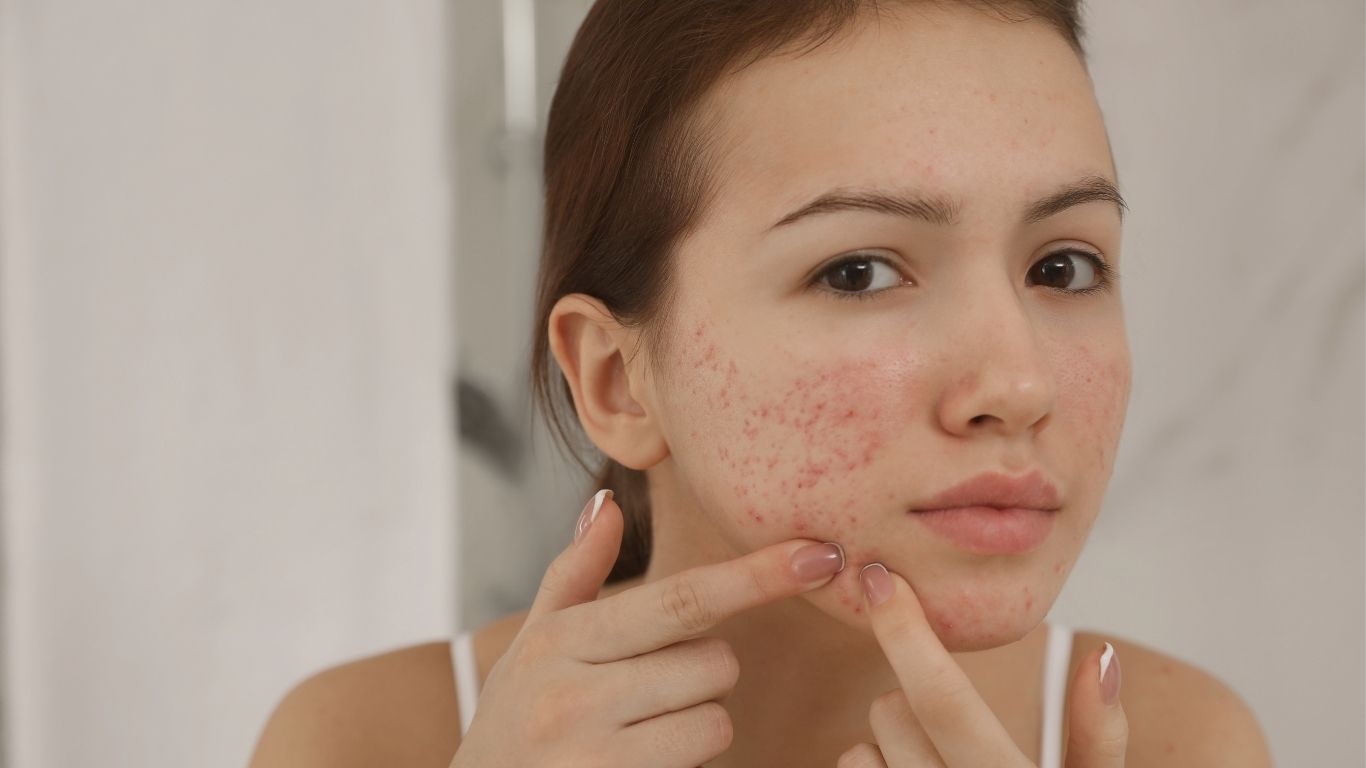
Acne manifests through a variety of lesions, primarily on areas rich in sebaceous (oil) glands like the face, chest, back, and shoulders. Recognizing these symptoms is the first step toward effective management.
Non-Inflammatory Lesions:
Comedones: These are the foundation of most acne. They occur when hair follicles become plugged with oil and dead skin cells.
Open Comedones (Blackheads): Plugs that sit at the skin’s surface. The dark appearance is not dirt but oxidized melanin.
Closed Comedones (Whiteheads): Plugs that remain beneath the skin’s surface, appearing as small, flesh-colored bumps.
Inflammatory Lesions:
When comedones become infected with bacteria (Cutibacterium acnes), inflammation sets in, leading to more visible and often painful lesions.
Papules: Small, red, raised bumps caused by inflamed or infected hair follicles. They are tender to the touch.
Pustules: Similar to papules but with a white or yellow center of pus. Commonly known as pimples or zits.
Nodules: Large, solid, painful lumps lodged deep within the skin. They develop when clogged, swollen follicles endure further irritation and grow larger.
Cysts: The most severe form, these are deep, pus-filled, painful lesions that resemble boils. They carry the highest risk of causing permanent scarring and skin texture changes.
The condition can also present with general symptoms like oily skin (seborrhea), hyperpigmentation (dark spots left after lesions heal), and significant skin sensitivity.
Unraveling the Root Causes: A Perfect Storm
Acne is not caused by a single factor but by a confluence of interrelated processes occurring at the follicular level.
Excess Sebum Production: Androgens (hormones) surge during puberty, pregnancy, and due to certain medical conditions, stimulating the sebaceous glands to produce an excess of oily sebum. This overproduction is a primary driver.
Follicular Hyperkeratinization: This refers to the abnormal shedding of skin cells lining the hair follicle. Instead of being shed normally, these cells stick together, mixing with sebum to form a plug that blocks the follicle.
Bacterial Colonization: Cutibacterium acnes (C. acnes), a bacteria that normally lives harmlessly on the skin, thrives in the clogged, oily, oxygen-depleted environment of a blocked follicle. It multiplies rapidly, breaking down sebum into irritating fatty acids and triggering inflammation.
Inflammation: The body’s immune system responds to the bacterial activity and follicle distension, sending white blood cells to combat the perceived threat. This results in the redness, swelling, heat, and pain characteristic of inflammatory acne.
Contributing and Aggravating Factors:
Hormonal Fluctuations: Beyond puberty, menstrual cycles, polycystic ovary syndrome (PCOS), and stress (which elevates cortisol) can exacerbate acne.
Genetics: A strong familial predisposition exists; if both parents had acne, a child is more likely to develop moderate to severe forms.
Diet: Emerging research suggests high-glycemic-index foods (sugary drinks, white bread, processed snacks) and dairy products (particularly skim milk) may worsen acne in some individuals by influencing insulin and hormone levels.
Medications: Drugs containing corticosteroids, androgens, or lithium can induce or aggravate acne.
Cosmetics and Skincare Products: Comedogenic (pore-clogging) oils, heavy creams, and improper makeup removal can contribute to follicular blockage.
Friction and Pressure: Helmets, tight collars, chin straps, and habitual leaning on the hands can cause “acne mechanica.”
Stress: While not a direct cause, chronic stress worsens existing acne through hormonal pathways.
The Far-Reaching Effects: Beyond the Skin
The impact of acne extends far beyond physical symptoms, often leaving a deeper emotional and social imprint.
Physical Effects:
Scarring: The most lasting physical consequence. Inflammatory acne, especially nodules and cysts, can damage the skin’s collagen as it heals, leading to:
Atrophic Scars: Depressed or pitted scars (icepick, boxcar, rolling scars).
Hypertrophic or Keloid Scars: Raised, thickened scars.
Post-Inflammatory Hyperpigmentation (PIH): Dark spots or patches that remain after an acne lesion has healed, particularly common in individuals with darker skin tones. These can persist for months or years.
Psychosocial Effects:
This is where the true burden of acne often lies. In a society that places immense value on appearance, acne can severely affect:
Self-Esteem and Body Image: Persistent acne can lead to feelings of unattractiveness, shame, and social anxiety.
Social Withdrawal: Individuals may avoid social situations, dating, or public events due to embarrassment.
Depression and Anxiety: Studies have consistently shown a higher prevalence of depression and anxiety disorders among those with acne. The distress is real and can be debilitating.
Anger and Frustration: The unpredictable nature and perceived lack of control over breakouts can lead to significant emotional distress.
Prevention and Management: A Proactive Approach
While not all acne is preventable, especially that driven by genetics and hormones, strategic measures can significantly reduce its frequency and severity.
Gentle, Consistent Skincare:
Cleanse: Wash affected areas twice daily with a gentle, non-abrasive, non-comedogenic cleanser. Over-washing can irritate skin and worsen acne.
Moisturize: Use an oil-free, non-comedogenic moisturizer to maintain skin barrier health. Even oily skin needs hydration.
Sun Protection: Use a non-comedogenic, oil-free sunscreen daily. Some acne medications increase sun sensitivity, and sun exposure can worsen PIH.
Mindful Product Selection: Choose makeup, sunscreen, and hair products labeled “non-comedogenic,” “oil-free,” or “won’t clog pores.”
Hands Off: Avoid picking, popping, or squeezing lesions. This forces bacteria deeper, increases inflammation, and dramatically raises the risk of scarring.
Dietary Considerations: While individual responses vary, maintaining a balanced diet low in processed sugars and high in whole foods (fruits, vegetables, lean proteins) may benefit some. Staying hydrated is also key.
Stress Management: Incorporating stress-reduction techniques like regular exercise, meditation, yoga, or adequate sleep can help modulate hormone levels.
Professional Guidance: For persistent or moderate-to-severe acne, consulting a dermatologist is crucial. They can provide treatments like topical retinoids, antibiotics, hormonal therapies, or isotretinoin, which are highly effective for many.
Homeopathic Treatment: A Constitutional Approach
Homeopathy offers a distinct, individualized approach to treating acne. It operates on the principle of “like cures like” and aims to treat the person as a whole, not just the disease. A homeopathic practitioner believes that acne is an external manifestation of an internal systemic imbalance—be it hormonal, immune, or metabolic. Therefore, treatment focuses on correcting this underlying disturbance.
The Consultation Process:
A homeopathic consultation for acne is detailed. The practitioner will not only examine the skin but also delve into:
The precise nature of the eruptions (burning, itching, painful).
Modalities: What makes the acne better or worse (e.g., before menses, in cold weather, after washing, from certain foods).
The patient’s overall physical health, including digestion, menstrual cycle, and sleep patterns.
Mental and emotional state: Stress levels, temperament, anxieties, and how the condition affects the individual’s psyche.
Common Homeopathic Remedies for Acne:
The remedy is chosen based on the patient’s unique symptom picture. Some frequently used remedies include:
Hepar Sulphuris Calcareum: For painful, pus-filled pimples that are extremely sensitive to touch. The patient may be very irritable. Suited for infected acne that is slow to heal.
Kali Bromatum: Often indicated for severe, deep acne, particularly on the face, shoulders, and chest. It is associated with intense itching and is frequently considered for acne in teenagers and young adults with a tendency toward depression or nervousness.
Pulsatilla: Commonly prescribed for acne linked to hormonal changes, especially around puberty or menstruation. The acne may be worse from rich, fatty foods. The individual is often mild, emotional, and seeks comfort.
Silicea (Silica): For stubborn, cystic acne that tends to form deep-seated nodules or leave scars. It is also used for acne where pustules are slow to heal or tend to scar. The person may be intelligent but lacking confidence and prone to fatigue.
Sulphur: A major skin remedy for itchy, burning acne that looks red and inflamed. The skin may be generally unhealthy, and symptoms are often worse with heat (washing with warm water) and better with cool applications. The individual may be philosophical but untidy.
Calcarea Phosphorica: Useful for acne in adolescents going through rapid growth spurts, often accompanied by fatigue and weak digestion.
Important Considerations for Homeopathic Treatment:
Individualization is Key: There is no single “acne remedy.” Two people with similar-looking acne may receive completely different prescriptions based on their overall constitution.
The Aggravation: A temporary worsening of symptoms can sometimes occur initially, which is viewed as the body’s vital force responding to the remedy.
Time and Patience: Homeopathy is not a quick fix. It requires time for the remedy to work on the deeper imbalance. Treatment duration varies from months to longer, depending on severity and chronicity.
Complementary, Not Exclusive: Homeopathy can be used alongside a good skincare routine and healthy lifestyle. However, it is crucial to inform all healthcare providers about all treatments being used.
Professional Guidance: Self-prescribing for chronic conditions like acne is not advisable. A qualified homeopathic practitioner should be consulted for proper evaluation and remedy selection.
Frequently Asked Questions About Homeopathic Remedies for Acne
Homeopathy offers a unique and holistic path for managing acne, which often leads to many questions. Here are some detailed answers to the most common queries.
Q1: How does homeopathy view and treat acne differently from conventional medicine?
A: Conventional medicine typically views acne as a localized problem of clogged pores, bacteria, and inflammation, treating it with topical agents, antibiotics, or hormones to suppress these symptoms. Homeopathy, in contrast, sees acne as an external signal of an internal systemic imbalance—often related to digestion, hormonal regulation, stress response, or detoxification. The treatment goal is not to kill bacteria or dry out pimples, but to stimulate the body’s own self-healing mechanisms to correct the root imbalance. This is why a homeopath will ask detailed questions about your overall physical and emotional health, not just the appearance of your skin.
Q2: Is homeopathic treatment effective for severe cystic or hormonal acne?
A: Yes, homeopathy can be effective for severe forms of acne, including cystic and hormonal acne. Remedies are chosen based on the individual’s complete symptom picture, which includes the nature of the deep, painful cysts as well as associated hormonal patterns (like breakouts linked to the menstrual cycle). While the process may require more time and patience compared to milder cases, the constitutional approach aims to reduce the severity and frequency of deep lesions by addressing underlying susceptibility. It is important to work with an experienced practitioner for such cases.
Q3: Can I use homeopathy alongside my current topical acne treatments or prescription medications?
A: Generally, yes, homeopathy can be used alongside many conventional treatments. However, it is crucial to inform both your dermatologist and your homeopath about all the medicines and products you are using. Some strong topical treatments (like high-dose retinoids) or oral medications (like isotretinoin) have profound systemic effects that can interact with or mask the action of a homeopathic remedy. Your practitioners can help you create a coordinated, safe plan. A common approach is to use homeopathy for the systemic cause while using gentle, non-medicated topical care for basic skin hygiene.
Q4: How long does it take to see results with homeopathic treatment for acne?
A: There is no one-size-fits-all timeline. For recent or acute flare-ups, improvement may be seen in weeks. For chronic, long-standing acne, it may take several months of consistent treatment. Homeopathy works by initiating a deep, curative response, not by superficially suppressing symptoms. The pace of healing depends on factors like the severity and duration of your acne, your overall vitality, and how accurately the chosen remedy matches your constitution. Patience and regular follow-ups with your practitioner are essential.
Q5: What is a “homeopathic aggravation,” and will my acne get worse before it gets better?
A: A homeopathic aggravation is a temporary, mild intensification of existing symptoms following the correct remedy. It is seen as a sign that the body’s vital force has been activated and is responding. In the context of acne, this might mean a few more pimples appear or existing ones become slightly more prominent for a short period (usually a few days to a week). This is followed by a clear improvement in overall skin health. Not everyone experiences an aggravation. A good practitioner will distinguish this brief, therapeutic flare from a true worsening of the condition and will guide you through it.
Q6: Can I choose my own homeopathic remedy for acne from a health food store?
A: While some acute, single-symptom issues might be amenable to self-treatment, acne is considered a chronic constitutional condition. The choice of a deep-acting, constitutional remedy requires professional assessment. Using over-the-counter remedies like Sulphur or Hepar Sulph based solely on a generic acne description is unlikely to yield lasting results and may even confuse your symptom picture, making it harder for a practitioner to find the correct remedy later. For best outcomes, a consultation with a qualified homeopath is strongly recommended.
Q7: Do I have to stop drinking coffee or using mint products while on homeopathic treatment?
A: Many homeopaths advise patients to avoid strong aromatic substances as they are thought to potentially interfere with or “antidote” the action of the remedy. This traditionally includes coffee, camphor (found in some muscle rubs and lip balms), and strong mint (like peppermint tea or toothpaste). However, guidelines vary. Some modern practitioners believe the effect is minimal if consumption is moderate and at a separate time from taking the remedy (e.g., 30 minutes before or after). Always follow the specific instructions given by your homeopath, as they are based on their clinical experience and your individual case.
Q8: Will homeopathic treatment prevent acne scars?
A: Homeopathy aims to reduce the severity and depth of inflammatory lesions (like nodules and cysts) that cause scarring. By promoting a healthier skin response and reducing intense, recurrent inflammation, it can lower the risk of new scars forming. However, homeopathy is not typically used to physically remove existing scar tissue. For that, procedures like microneedling or laser therapy may be more direct. The best strategy is to begin homeopathic treatment early to manage active acne and prevent future scarring, while considering dermatological interventions for scars that have already formed.
Q9: Is homeopathy safe for teenagers with acne?
A: Absolutely. Homeopathy is non-toxic, free from chemical side effects, and non-habit-forming, making it a very safe option for teenagers. It can be particularly beneficial during the turbulent hormonal shifts of puberty, as it works to bring the system into balance without suppressing natural development. It also addresses the emotional distress and self-esteem issues that often accompany teenage acne, treating the individual as a whole.
Q10: What should I expect during my first consultation with a homeopath for acne?
A: Expect a long and detailed conversation, typically lasting 60-90 minutes. The homeopath will want to examine your skin but will spend most of the time asking questions. These will cover not just your acne (location, sensation, modalities) but also your medical history, digestion, sleep patterns, energy levels, response to temperature, and most importantly, your emotional temperament, stress responses, and how the acne affects your life. This holistic information is what allows them to select the single remedy that best matches your unique constitution.













I’m always learning something new from your blog.