Table of Contents
ToggleTitle: Understanding Homeopathic Remedies of Eczema (Dermatitis): Types, Symptoms, Causes, Effects and Prevention.
Introduction
Eczema, a term often used interchangeably with its most common form, atopic dermatitis, is more than just a skin condition; it is a chronic, inflammatory journey that affects millions worldwide. Characterized by an intense, often maddening itch and a distinctive rash, eczema transcends physical symptoms, weaving itself into the emotional and social fabric of daily life. This detailed exploration will delve into the multifaceted nature of eczema, covering its symptoms, root causes, far-reaching effects, preventive strategies, and the principles of homeopathic treatment.
Unpacking the Symptoms: More Than Just Dry Skin
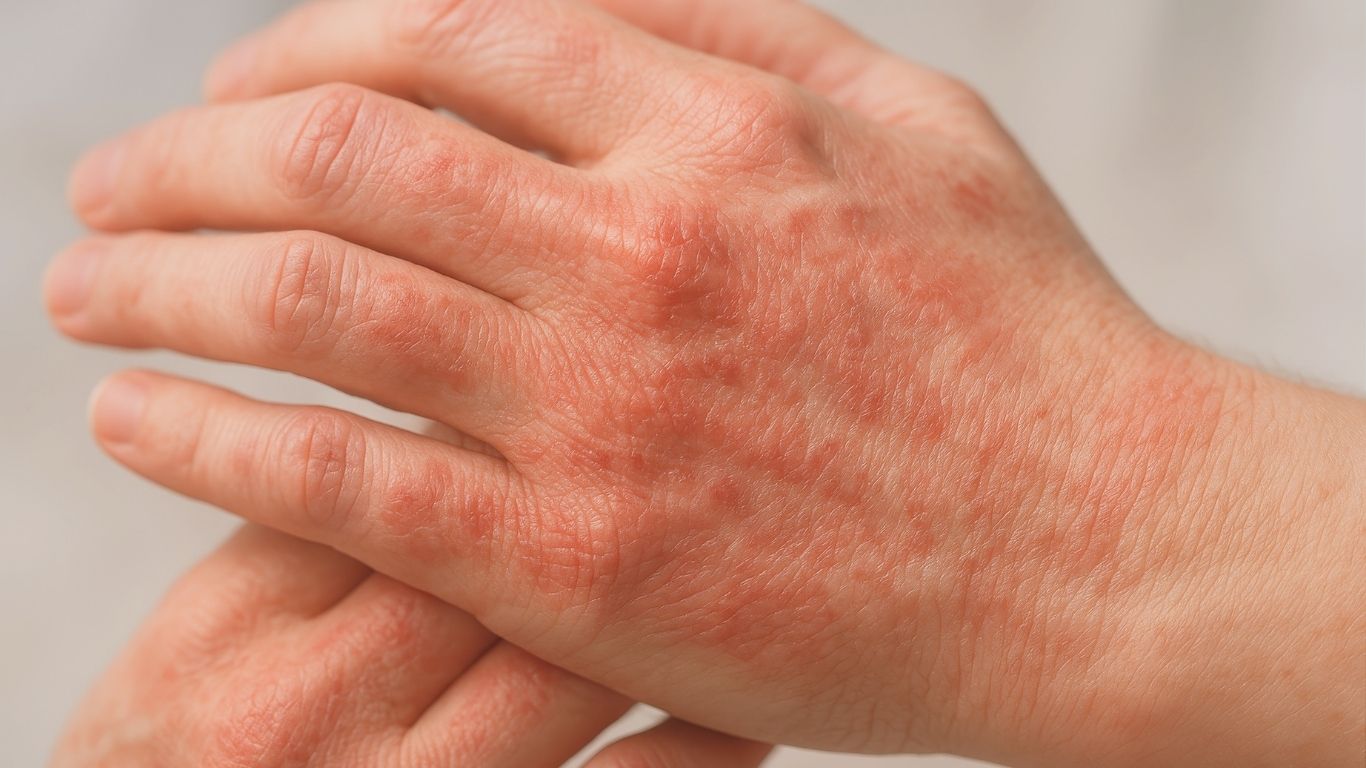
Eczema presents a spectrum of symptoms that can vary dramatically with age, severity, and individual triggers. The hallmark is the “itch-scratch cycle,” where itching leads to scratching, which in turn exacerbates the rash and intensifies the itch. Symptoms are typically phase-dependent.
In the acute phase, skin reacts violently to triggers. This is marked by:
Intense Pruritus (Itching): Often severe and worse at night, this can be debilitating, disrupting sleep and concentration.
Erythema (Redness): Inflamed, red patches appear due to increased blood flow.
Papules and Vesicles: Small, raised bumps and even tiny fluid-filled blisters may develop.
Weeping and Crusting: Vesicles can burst, exuding clear fluid that dries into yellowish crusts, often seen in infected eczema.
As inflammation persists, the skin enters a chronic phase, adapting to repeated cycles of damage and repair:
Lichenification: The skin becomes thickened, leathery, and deeply lined from constant scratching and rubbing.
Dryness and Scaling: A compromised skin barrier loses moisture, leading to severe dryness and flaking.
Fissures: Deep, painful cracks can develop, particularly on hands, feet, and joint creases.
Hyperpigmentation or Hypopigmentation: Affected areas may become darker or lighter than the surrounding skin.
Eczema also manifests differently across ages. Infants (2-6 months) often have oozing, crusting patches on the scalp and cheeks. Children commonly experience rashes in the creases of elbows, knees, wrists, and ankles. Adults may have more diffuse, lichenified patches, with a predilection for hands, eyelids, and the neck.
Root Causes and Triggers: A Complex Interplay
Eczema is not caused by a single factor but arises from a complex interaction of genetic predisposition, immune system dysfunction, and environmental triggers—a perfect storm that compromises the skin’s primary role as a barrier.
1. Genetic and Immunological Factors:
A family history of eczema, asthma, or hay fever (the “atopic triad”) is a strong indicator. Mutations in the gene responsible for filaggrin, a protein crucial for maintaining the skin’s barrier and hydration, are found in many sufferers. Immunologically, there is an overactive T-helper 2 (Th2) cell response, leading to excessive inflammation and IgE antibody production in reaction to harmless substances.
2. Skin Barrier Dysfunction:
The “brick and mortar” structure of the skin is compromised. With insufficient filaggrin and lipids (ceramides), the skin barrier becomes porous, allowing moisture to escape (causing dryness) and allowing irritants, allergens, and microbes to enter, which trigger immune responses.
3. Key Triggers:
Irritants: Harsh soaps, detergents, disinfectants, shampoos, and even natural juices from fruits or meats.
Allergens: Dust mites, pet dander, pollens, and molds. Food allergens like dairy, eggs, nuts, and wheat can be triggers, especially in children.
Microbes: Staphylococcus aureus bacteria often colonize eczema skin, producing toxins that worsen inflammation. Viral (e.g., herpes) and fungal infections can also cause flare-ups.
Climate Factors: Hot, humid weather that induces sweating, or cold, dry air that dehydrates the skin.
Stress and Hormones: While not a direct cause, psychological stress is a potent trigger for flare-ups. Hormonal changes in women (pregnancy, menstrual cycles) can also influence severity.
The Ripple Effects: Beyond the Skin
The impact of eczema extends far beyond the physical lesions. It is a condition with profound psychosocial dimensions.
Sleep Disruption: Nocturnal itching leads to fragmented, poor-quality sleep, resulting in chronic fatigue, irritability, and impaired cognitive function in both children and adults.
Mental Health: The constant discomfort, visibility of lesions, and social stigma contribute to higher rates of anxiety, depression, and social isolation. Children may become withdrawn or exhibit behavioral issues.
Quality of Life: Daily routines become battlegrounds—from choosing clothing that won’t irritate, to avoiding social or recreational activities (like swimming). The time-consuming, often costly skincare regimen is a constant burden.
Financial Cost: Expenses include prescriptions, specialty moisturizers, doctor visits, and lost productivity at work or school.
Infection Risk: Broken skin is vulnerable to bacterial (staph), viral (eczema herpeticum), and fungal infections, which can become serious.
Prevention and Management: Building a Strong Defense
While there is no absolute cure, proactive prevention and diligent management can control symptoms, prolong remission, and vastly improve quality of life. The cornerstone is a consistent, daily skincare routine.
1. The Moisturizing Imperative (Emollient Therapy): This is non-negotiable. Applying fragrance-free, hypoallergenic moisturizers (ointments or creams preferred over lotions) at least twice daily, especially after bathing, helps repair and fortify the skin barrier. This is effective even when the skin is clear.
2. Trigger Identification and Avoidance: Keeping a detailed symptom diary helps pinpoint personal triggers. Common strategies include using dust-mite-proof bedding, opting for fragrance-free laundry detergents, wearing soft, breathable cotton clothing, and managing stress through mindfulness or yoga.
3. Bathing Wisdom: Short (5-10 minute), lukewarm baths or showers with mild, non-soap cleansers. Immediate pat-drying and application of moisturizer on damp skin (the “soak and seal” method) locks in hydration.
4. Conventional Medical Therapies: These remain vital for flare management. They include topical corticosteroids (for reducing acute inflammation), topical calcineurin inhibitors (like tacrolimus), newer biologic drugs (dupilumab), and phototherapy. These should always be used under medical supervision.
The Homeopathic Perspective: Treating the Individual, Not Just the Rash
Homeopathy offers a distinct, holistic approach to eczema. It operates on the principle of “like cures like” and individualization. A homeopath views eczema not as an isolated skin disorder, but as a manifestation of an internal systemic imbalance. The treatment goal is to stimulate the body’s innate self-healing mechanism, addressing the root predisposition rather than merely suppressing the symptoms.
The Consultation Process: A homeopathic consultation is extensive, often lasting an hour. The practitioner seeks to understand the complete picture of the person:
The precise sensations of the rash (burning, itching, crawling).
Modalities (what makes it better or worse—heat, cold, bathing, time of day).
The discharge character (thick, thin, offensive).
The patient’s constitutional makeup: temperament, food cravings/aversions, response to weather, sleep patterns, and associated mental/emotional states (anxiety, restlessness, clinginess in children).
Common Homeopathic Remedies for Eczema:
Remedies are chosen based on this totality of symptoms. Some frequently indicated remedies include:
Graphites: For thick, cracked, oozing skin that discharges a sticky, honey-like fluid. Skin is rough, hard, and intensely itchy. Often suited to individuals who are chilly, prone to weight gain, and indecisive.
Sulphur: For burning, intensely itchy, red skin worsened by heat and washing. The skin is often dirty-looking, dry, and scaly. The individual may be philosophically minded, messy, and feel hot.
Arsenicum Album: For dry, scaly, burning eczema that feels better with warm applications. Itching is intense and restless. The person is often fastidious, anxious, and fearful of illness, with a deep need for order and security.
Petroleum: For extremely dry, rough, cracked skin that deep, painful fissures, especially on hands and fingertips. Skin often worsens in winter. The individual may have motion sickness and skin that bleeds easily.
Rhus Toxicodendron: For intensely itchy, red, swollen vesicles that ooze clear fluid. Itching and restlessness are worse at night and better from hot showers or warm applications.
Natrum Muriaticum: For eczema with raw, cracked areas, especially at the margins of hairline or on backs of hands. Often associated with a history of grief, reserved emotions, and a craving for salt.
Integration and Cautions:
Homeopathic treatment is often a gradual process. An initial aggravation, or temporary worsening of symptoms, can occur as the body responds to the remedy—this is often viewed as a positive sign of action. It is crucial to understand that homeopathy does not reject conventional care. In severe or infected eczema, conventional medicine is essential. A collaborative approach, under the guidance of qualified practitioners in both fields, is safest and most effective.
Homeopaths also emphasize the importance of diet and lifestyle, often recommending the elimination of processed foods and potential allergens, while ensuring proper nutrition to support healing from within.
Frequently Asked Questions (FAQs) Homeopathic Remedies of Eczema (Dermatitis)
1. What is the homeopathic approach to treating eczema?
Homeopathy views eczema not as an isolated skin problem, but as a manifestation of an internal systemic imbalance or a sign that the body’s natural healing force is compromised. Instead of suppressing the skin symptoms with topical agents, homeopathy aims to treat the whole person by identifying and addressing the root cause of this hypersensitivity. A homeopath will select a remedy based on your unique physical, mental, and emotional symptom profile to stimulate your body’s inherent self-healing capacity.
2. Are homeopathic remedies safe for children with severe eczema?
Yes, homeopathic remedies are often considered for children due to their highly diluted nature, which typically makes them non-toxic and free from chemical side effects. They can be particularly gentle for infants and children. However, it is crucially important to never delay or replace necessary conventional medical care, especially for severe, weeping, or infected eczema, which can pose serious health risks. Consultation with both a qualified homeopath and your pediatrician or dermatologist for an integrated approach is strongly recommended.
3. How long does it take to see results with homeopathic treatment for eczema?
The timeline varies significantly from person to person. Acute flare-ups may respond relatively quickly, sometimes within days, when the correct remedy is matched. For chronic, long-standing eczema, treatment is a deeper process and may take several weeks or months to show substantial and sustained improvement. Homeopathy is a system of healing that works by restoring balance from within, which is not an overnight process. Patience and consistency are key.
4. Can I use my topical steroid creams while taking homeopathic medicine?
This is a common and important question. You should not stop any prescribed conventional medication without consulting your doctor. In many cases, an integrated approach is possible. A skilled homeopath will work with you and your healthcare plan. As the homeopathic remedy begins to act and the internal state improves, the need for topical steroids may gradually decrease, but this should always be done under the supervision and guidance of your prescribing physician to avoid dangerous rebound flares.
5. I’ve heard about an “initial aggravation.” What is it, and should I be worried?
An initial aggravation is a temporary, mild worsening of existing symptoms that can occur after starting a correctly chosen homeopathic remedy. It is seen by homeopaths as a positive sign that the body’s vital force is responding and beginning to move the disease outward and away from deeper systems. It is usually short-lived. However, any severe worsening or new concerning symptoms should be reported immediately to your homeopath and medical doctor to rule out other causes, such as infection.
6. How do homeopaths decide which remedy to give? They all say they are for “eczema.”
This is the core of classical homeopathy: individualization. While over-the-counter remedies may list “eczema,” a professional homeopath does not prescribe based on the disease name alone. They conduct a detailed consultation (often 1-2 hours) to understand your specific eczema. They will ask about the exact sensation (burning, itching, crawling), the type of discharge, what makes it better or worse (weather, bathing, time of day), its location, and crucially, your overall mental, emotional, and general physical characteristics (like food cravings, sleep patterns, and temperament). One person’s eczema may require Sulphur, while another’s requires Graphites, based on this full picture.
7. Do I have to follow a special diet while on homeopathic treatment?
Many homeopaths will offer dietary advice tailored to your case, as diet can be a major trigger. Common recommendations may include reducing processed foods, sugars, and known personal allergens (like dairy or gluten for some). They may also suggest avoiding excessive mint (including toothpaste), caffeine, and camphor (found in some balms and inhalers), as these are traditionally considered to potentially interfere with the action of some remedies. Always follow the specific guidance given by your practitioner.
8. Is homeopathic treatment for eczema covered by insurance?
Coverage varies widely by country, insurance provider, and specific policy. In some regions, homeopathic treatment by a licensed medical doctor (MD) who also practices homeopathy may be partially covered. In other cases, it may be considered an out-of-pocket complementary therapy. It is best to contact your insurance provider directly to inquire about their policies regarding homeopathic care.
9. Can homeopathy cure my eczema permanently?
Homeopathy aims for a deep, curative response rather than temporary palliation. For many, especially children with a strong genetic predisposition (atopy), the goal is to significantly strengthen the immune system, reduce the frequency and severity of flare-ups, improve overall health, and potentially achieve long-term remission. The concept of “cure” in homeopathy means restoring the body to a state of balance where it no longer needs to express illness through the skin. Success depends on many factors, including the chronicity of the condition, overall vitality, and accurate remedy selection.
10. Where can I find a qualified homeopathic practitioner?
It is essential to seek a professionally trained and licensed practitioner. Look for certifications from recognized bodies such as the Council for Homeopathic Certification (C.H.C. – North America), the Society of Homeopaths (UK), or a licensed Medical Doctor (MD) or Naturopathic Doctor (ND) with advanced training in homeopathy. Personal referrals from trusted sources or your primary care physician can also be valuable. Always verify their credentials and experience in treating chronic conditions like eczema.
Conclusion: A Journey of Understanding and Care
Eczema is a lifelong dialogue between an individual’s constitution and their environment. Its management demands patience, consistency, and compassion. From the rigorous science of barrier repair and immunology to the holistic philosophy of homeopathy, effective care lies in a multifaceted strategy. By understanding the intricate causes, respecting the profound effects, diligently practicing prevention, and exploring personalized treatment avenues—whether conventional, complementary, or both—individuals with eczema can reclaim comfort, confidence, and control over their lives. The path is not about eradication, but about achieving a sustainable balance, allowing the skin, and the person within, to find peace.













This post has really helped me.