
Table of Contents
ToggleUnlocking the Healing Potential of Homeopathic Medicine Agaricus Muscarius
Introduction
In the vast and intricate world of homeopathic medicine, few remedies possess a character as distinctive and multifaceted as Agaricus Muscarius. Derived from the striking and well-known Amanita muscaria mushroom, commonly called the fly agaric, this remedy stands as a testament to homeopathy’s core principle of “like cures like” – using a substance that can cause certain symptoms in a healthy person to treat similar symptoms in a sick person. This article delves into the comprehensive details of Agaricus Muscarius, exploring its origins, preparation, clinical applications, and its unique place within the homeopathic materia medica.
Origin and Botanical Background
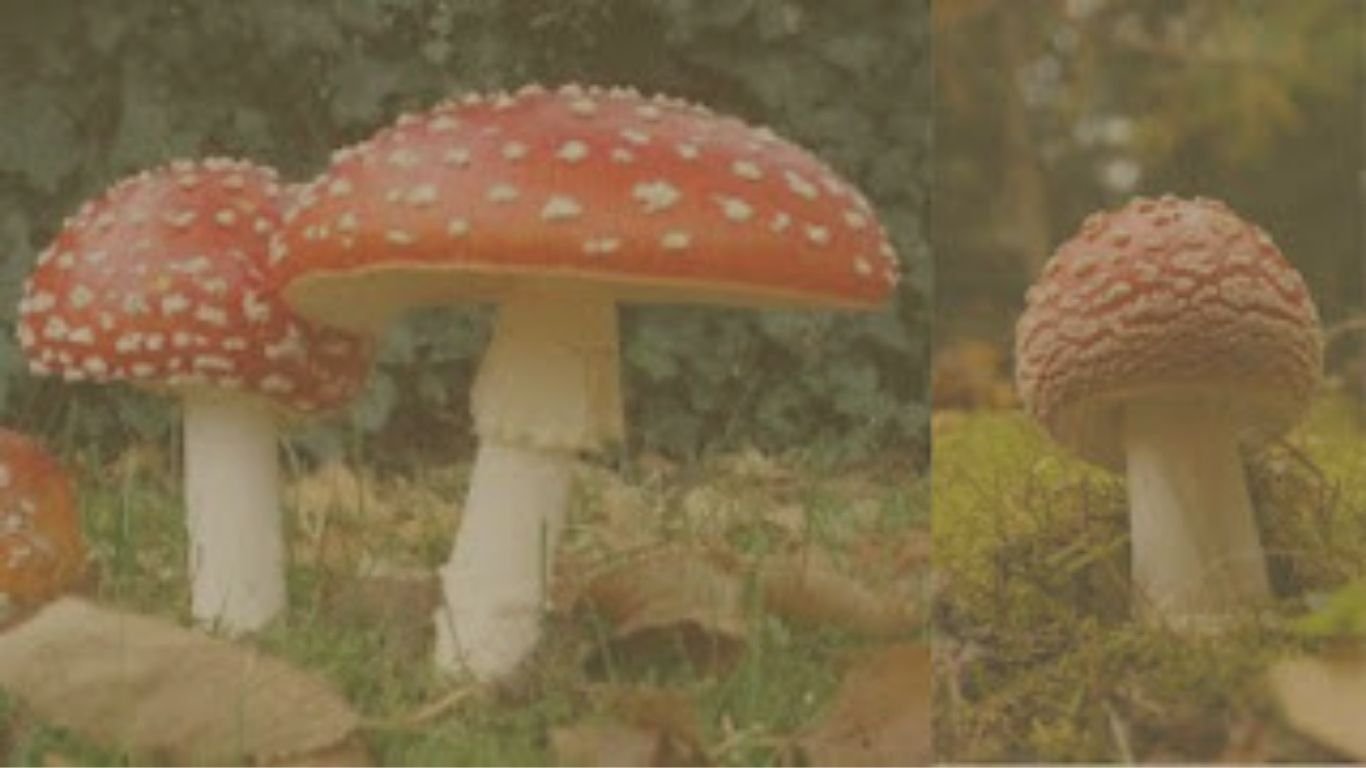
The source of this powerful remedy is the fungus Amanita muscaria, a member of the Amanitaceae family . This iconic mushroom is easily recognized by its bright red or orange cap, which is typically dotted with white, wart-like remnants of the universal veil. Its appearance is so distinctive that it has become a staple of fairy tale illustrations and popular culture. The fly agaric has a wide natural habitat, being native to the northern hemisphere, where it grows in symbiotic relationships with various trees, including birch, pine, and spruce, across Europe, Asia, and North America .
The name “muscarius” itself is derived from the Latin word for fly, “musca,” as the mushroom was historically used as an insecticide. Pieces of the fungus would be placed in milk or water to attract and kill flies, a practice that further underscores the potent nature of this organism’s chemical constituents . In homeopathy, the mushroom is often referred to by its older binomial name, Agaricus muscarius, which remains the accepted nomenclature for the remedy .
Extraction and Preparation
The preparation of the homeopathic remedy is a meticulous process that begins with the fresh, whole mushroom. In traditional practice, the fungus is harvested, and the complete, undried fruiting body is used to create the mother tincture . In some historical contexts, the dried pileus, or cap, was also used to make a trituration, but the use of the whole fresh fungus is often considered the preferable method to capture the full spectrum of its therapeutic essence . Once the mother tincture is prepared, it is then subjected to the process of potentization, involving serial dilution and succussion, to produce the various homeopathic potencies.
The primary toxic agents in Amanita muscaria are muscarine and an additional, less fully understood principle . While muscarine’s action is recognized and has been studied, its effects are considered only a part of the remedy’s overall action. For instance, muscarine has a stimulating effect on secretions, but this alone does not account for the wide-ranging nervous system symptoms for which Agaricus is indicated. Interestingly, the substance agaricin, which in large doses checks sweating, is not found in the Agaricus muscarius tincture used in homeopathy . The second, unnamed principle is considered by some homeopathic practitioners to be the more important ingredient, responsible for the mental and neurological symptoms that are so characteristic of the remedy . This understanding reinforces the idea that the homeopathic preparation acts on a holistic level, its effects being more than just the sum of its toxicological parts.
Potencies and Administration
Agaricus Muscarius is available in a wide range of homeopathic potencies, from low decimal and centesimal dilutions to very high potencies. In pharmacies and homeopathic dispensaries, one can find it in potencies such as 3CH, 4CH, 5CH, 6CH, 7CH, 9CH, 12CH, 15CH, 30CH, 35CH, 100CH, 200CH, 1000K, 10000K, and also in LM potencies like 6LM . The choice of potency is a crucial clinical decision, guided by the nature and intensity of the patient’s symptoms and their individual constitution. Acute, superficial conditions might respond to lower potencies like 6C or 30C, while deep-seated, chronic, or constitutional issues often require higher potencies such as 200C, 1M, or higher.
For certain conditions, the remedy can be applied externally. For example, Agaricus Muscarius ointment is available and is traditionally used for chilblains, applied directly to the affected areas . The internal use usually involves taking a few pellets or globules sublingually, preferably away from meals . The general guideline for acute dosing might be several doses over a short period, while chronic use should always be under the guidance of a qualified homeopathic practitioner. It is also important to note that some homeopathic pharmacies offer the remedy in complex formulations, where it is combined with other remedies for specific indications such as tremors or nerve support .
Characteristic Symptoms and Clinical Uses
The genius of Agaricus Muscarius lies in its profound affinity for the nervous system, the skin, and the mind. Its symptom picture is characterized by a range of neurological disturbances, including twitching, trembling, spasms, and a peculiar type of neuralgic pain. A deep understanding of its keynotes, modalities, and mental state is essential for its successful prescription .
Mental and Emotional State
The mental symptoms of Agaricus are quite unique. The individual may appear dull, stupid, or have a puzzled expression, as if unable to comprehend a simple question . This can manifest as a form of dementia or senility. There is often great anxiety and restlessness. A particularly striking feature is the presence of involuntary grimaces and twitching of the facial muscles. These jerking movements can affect individual muscle fibers or entire bundles, and they are often exacerbated by mental stress or when the person is trying to think . Interestingly, these twitchings and convulsive movements typically cease completely during sleep .
Neurological Symptoms and Chorea
Agaricus is a premier remedy for conditions involving chorea (involuntary, rapid, jerky movements) and other nervous twitchings. It is often indicated in cases of St. Vitus’ dance, where there is universal trembling, continual twitching of tendons, and an inclination to dance, along with strange distortions of the limbs . The limbs may feel stiff, and the patient may experience a sensation of drawing or cramping that is worse at rest and is ameliorated by slow, gentle movement . This modality is a key characteristic: the symptoms are better from slow motion and worse from cold air and before a thunderstorm .
This remedy is also valuable in treating nervous headaches, especially those that occur in individuals who are subject to twitching or who are intemperate in their habits regarding food and drink. The pain may be a rending or tearing feeling in the forehead, sometimes extending to the root of the nose . It is also considered in cases of dizziness from cerebral congestion, and in the headaches that accompany influenza or spinal irritation. The patient may experience a feeling of fullness, sleepiness, and frequent yawning .
Facial Neuralgia and Sensory Symptoms
Agaricus has a strong affinity for the face and is a valuable remedy for trigeminal neuralgia. The pain is often described as feeling like cold needles piercing the nerves, or as a pain similar to the burning, stinging, and itching sensation of a frostbite . This frostbite-like pain is, in fact, a more general characteristic of the remedy, extending to other parts of the body. The individual may also have twitching of the eyelids, winking, and other facial grimaces .
In terms of other sensory organs, Agaricus is indicated for various eye complaints, such as dim-sightedness, short-sightedness, and seeing spots (muscae volitantes), where everything seems to be obscured by a mist or covered with a cobweb . There may also be itching and burning in the ears, as well as nervous pains . In the mouth, there may be trembling of the tongue, which affects speech, making it jerky or difficult .
Skin Conditions and Chilblains
One of the most well-known and specific indications for Agaricus is the treatment of chilblains . This condition, caused by an abnormal reaction to cold, results in itching, redness, swelling, and a burning sensation on the skin, particularly on the fingers, toes, and ears. The skin may appear red, swollen, and feel intensely itchy and burning, as if it were frozen. The remedy’s ability to address this condition is so recognized that it is often the first remedy considered . It is also useful for other skin eruptions that are accompanied by intolerable itching and burning, such as a miliary rash or pimples that feel like flea bites .
Other Systemic Indications
The scope of Agaricus extends to other systems as well. In the digestive system, it can be used for gastric disturbances with stitching pains in the liver and spleen, and for diarrhea with fetid flatus . It may be indicated when there is an unusual appetite, with a desire for salt and eggs, but an aversion to bread, meat, and wine . In the respiratory system, it is useful for spasmodic coughs, particularly those that end in a sneeze, and for labored breathing . It can also be considered for certain female complaints, such as dysmenorrhea with spasmodic pains, and for complaints following coitus or parturition . Interestingly, the remedy is said to have a general aggravation after coition, with symptoms of the peripheral nervous system becoming worse .
Modalities
Understanding the modalities, or the conditions that make a patient’s symptoms better or worse, is a cornerstone of homeopathic prescribing. For Agaricus Muscarius, these are:
Worse:
Cold air and cold weather .
Before a thunderstorm .
After eating .
After coitus .
When at rest or seated .
From pressure on the dorsal spine, which can cause involuntary laughter .
Better:
From slow, gentle movement .
From walking about slowly.
All symptoms cease during sleep .
Side Effects, Precautions, and Antidotes
Agaricus Muscarius is a powerful homeopathic remedy and should be used with respect. As with all homeopathic medicines, it is generally considered safe when taken in the appropriate potentized form and under professional supervision. However, it is crucial to note that the raw, unpotentized mushroom is highly toxic and should never be ingested . The homeopathic preparation, through the process of potentization, minimizes the toxic effects while enhancing its therapeutic properties.
Potential side effects from the homeopathic remedy are rare but can include a temporary aggravation of symptoms or, very uncommonly, an allergic reaction in sensitive individuals. If symptoms worsen or do not improve after a few days of treatment, it is imperative to discontinue use and consult a healthcare professional . It should not be taken by individuals who are allergic to its components, which typically include sucrose (sugar) in the form of globules or pellets . Pregnant and nursing women should only take it under the advice of their physician .
In traditional homeopathy, the known antidotes for Agaricus Muscarius include Camphor, Coffee (Coffea), Pulsatilla, and Wine . These substances are believed to counteract the action of the remedy if it has been given inappropriately or if an overreaction occurs. The duration of action for this remedy can be profound, reportedly lasting up to 40 days in some chronic affections .
Comparisons with Other Homeopathic Remedies
A clear understanding of Agaricus is enhanced by comparing it with other remedies that may share some of its features.
Agaricus vs. Tarantula hispanica: Both remedies are known for their action on the nervous system and can be useful in cases of chorea and restlessness. However, the Tarantula patient is typically driven by intense, frantic restlessness and a desire for constant motion and music. They may be destructive, while the Agaricus patient is characterized by dullness, stupidity, and involuntary, jerky movements that cease during sleep .
Agaricus vs. Hyoscyamus niger: Hyoscyamus is another major remedy for nervous disorders and mental symptoms. It is associated with suspiciousness, jealousy, and a tendency to be talkative or to expose oneself. Agaricus, in contrast, has more of a “stupid” expression with twitchings and grimaces, and its mental state is less about cunning and more about a confused, senile, or childlike demeanor .
Agaricus vs. Cimicifuga racemosa (Actaea racemosa): Both are indicated for nervous headaches and neuralgias. Cimicifuga is known for its uterine and ovarian affinities, with pains that are often erratic and shifting. It also has a strong mental component of depression and a “sensation of a black cloud” over the head. Agaricus is more specific to facial neuralgia, chorea, and frostbite pains, and its mental state is often marked by dullness and involuntary twitching .
Agaricus vs. Secale cornutum: This remedy is a key comparator for frostbite and chilblains. However, Secale’s characteristic state is one of constriction and contraction, with a feeling of numbness, a sensation of the skin being cold to the touch while the patient burns internally, and a strong desire for cold air. In contrast, Agaricus is worse from cold and its frostbite pains are more of a burning, itching, and stinging sensation .
Agaricus vs. Jaborandi (Pilocarpus): Both are linked to the action of muscarine, which affects secretions. However, Jaborandi is primarily known for its powerful action on the sweat and salivary glands. Agaricus has a wider range of action, particularly in its profound effects on the brain and nervous system, making it more suitable for conditions like chorea, neuralgias, and mental derangements .
Agaricus vs. Nitricum acidum: A more specific comparison is made regarding food desires. Agaricus has a strong desire for eggs, while Nitricum acidum is known for having an aversion to eggs . This is a small but useful differentiating point in a clinical case.
Frequently Asked Questions About Homeopathic Medicine Agaricus Muscarius
What is Agaricus Muscarius in homeopathy?
Agaricus Muscarius is a homeopathic remedy made from the Amanita muscaria mushroom, commonly known as the fly agaric. It is the bright red mushroom with white spots that you often see in fairy tale illustrations. In homeopathy, it is prepared through a special process of dilution and succussion to transform this toxic substance into a safe and effective healing remedy.
Is Agaricus Muscarius safe to take?
Yes, when taken as a homeopathic preparation in potentized form, it is generally very safe. However, the raw, unprocessed mushroom is highly toxic and should never be eaten. The homeopathic version has been diluted to remove the toxic properties while retaining the healing qualities. As with any medicine, it should be used under the guidance of a qualified homeopathic practitioner, especially for chronic conditions.
What are the main conditions treated with Agaricus Muscarius?
This remedy is particularly known for treating nervous system disorders such as chorea (involuntary jerky movements), tremors, twitching, and facial neuralgia. It is also the primary homeopathic remedy for chilblains, which are painful, itchy swellings on the fingers and toes caused by exposure to cold weather. Additionally, it is used for certain types of headaches, dizziness, and skin conditions with intense itching and burning sensations.
How do I know if I need Agaricus Muscarius?
You might benefit from this remedy if you experience involuntary twitching or jerking of muscles, especially in the face, along with a feeling of mental dullness or confusion. A key indication is experiencing symptoms that feel like frostbite, even if the skin appears normal. The pain is often described as burning, stinging, or like cold needles piercing the nerves. Your symptoms typically worsen in cold air and improve with slow, gentle movement.
What are the characteristic mental symptoms of this remedy?
People who need Agaricus Muscarius often appear confused, dull, or have a puzzled expression as if they cannot understand simple questions. They may show involuntary grimaces and facial twitching. Their symptoms tend to worsen when they try to think or concentrate, and interestingly, all these jerky movements completely stop during sleep. There may also be marked anxiety and restlessness.
Does Agaricus Muscarius help with chilblains?
Yes, this is one of its most famous and specific uses. If you suffer from chilblains, which cause redness, swelling, itching, and a burning sensation on your fingers, toes, or ears after cold exposure, Agaricus Muscarius is often the first remedy considered. It helps relieve the intense itching and burning and promotes healing of the affected skin.
What makes symptoms better or worse with this remedy?
Symptoms are typically worse from cold air, cold weather, and before a thunderstorm. They also worsen after eating and after sexual intercourse. Symptoms tend to be worse when you are at rest or sitting still. On the other hand, you will usually find relief from slow, gentle movement and walking about slowly. A very important feature is that all symptoms cease completely during sleep.
In which potencies is Agaricus Muscarius available?
You can find this remedy in a wide range of potencies, from low strengths like 6C and 30C to higher potencies like 200C, 1M, and even LM potencies. Lower potencies are generally used for acute or superficial conditions, while higher potencies are reserved for deep-seated, chronic issues. The appropriate potency should always be selected by a qualified homeopath based on your individual case.
Can I use Agaricus Muscarius externally?
Yes, it is available as an ointment or cream for external application, particularly for chilblains. The ointment can be applied directly to the affected skin to soothe itching and burning sensations. For internal use, it comes in the form of tiny sugar pellets or globules that are dissolved under the tongue.
How often should I take this remedy?
The dosage depends on the condition and the potency used. For acute problems, a homeopath might recommend taking it several times a day for a short period. For chronic conditions, it is typically taken less frequently, perhaps once a week or even less often. It is always best to follow the specific instructions given by your homeopathic practitioner, as improper dosing can either be ineffective or cause a temporary aggravation of symptoms.
Are there any side effects of taking Agaricus Muscarius?
Side effects are rare when the remedy is taken in the proper homeopathic form. Some people may experience a temporary worsening of their symptoms, which is often considered a positive sign that the remedy is working. In very rare cases, allergic reactions may occur, especially if you are sensitive to any of the inactive ingredients like lactose or sucrose used in the pellets.
What should I avoid while taking this remedy?
In homeopathic practice, it is generally recommended to avoid strong substances like coffee, strong mint, camphor, and alcohol while taking any homeopathic remedy, as they can interfere with the medicine’s action. It is also best to take the pellets away from meals, allowing them to dissolve under the tongue without food or drink for about 15 to 30 minutes before and after.
How does it differ from other similar remedies?
While several remedies treat nerve problems, Agaricus is unique for its “frostbite” type of pain and its specific mental state of dullness and confusion. For example, Tarantula hispanica also treats chorea but the patient is frantic and restless, while Agaricus patients are more dull and confused. Hyoscyamus is another nervous remedy but its patients are suspicious and talkative, whereas Agaricus patients show involuntary grimaces and twitching.
Can pregnant or nursing women take this remedy?
Pregnant and nursing women should only take Agaricus Muscarius under the direct supervision and advice of a qualified healthcare professional or homeopathic practitioner. While the remedy itself is gentle, any medication during pregnancy or breastfeeding requires careful consideration and professional guidance.
How long does the effect of this remedy last?
The duration of action can vary greatly depending on the individual and the condition being treated. In some chronic cases, the effects of a single dose of Agaricus Muscarius have been known to last for up to 40 days. This is why it is important to have follow-up consultations with your homeopath to monitor your progress and determine when, if ever, a repeat dose is needed.
Is this remedy suitable for children?
Yes, Agaricus Muscarius can be safely used for children when prescribed appropriately. It is particularly useful for children who experience chorea, nervous twitching, or involuntary movements. It may also be indicated for children who seem mentally dull or confused. As with all medications, the dosage and potency should be adjusted for the child’s age and condition, and professional guidance is recommended.
What should I do if I accidentally take too much?
Homeopathic remedies are generally quite safe, and accidental overdosing is unlikely to cause serious harm. However, if you experience any concerning symptoms or a severe aggravation of your original condition, stop taking the remedy and consult your homeopathic practitioner or a healthcare provider immediately. They may recommend an antidote such as Camphor or Coffee to counteract the effects.
Can I take Agaricus Muscarius alongside conventional medicines?
While homeopathic remedies do not typically interfere with conventional medications, it is always wise to inform all your healthcare providers about everything you are taking. This ensures coordinated care and allows your practitioners to monitor for any potential interactions or overlapping effects. Never stop prescribed conventional medications without consulting your doctor.
How should I store this remedy?
Homeopathic remedies should be stored in a cool, dry place away from direct sunlight, strong odors, and electromagnetic devices like mobile phones or computers. Keep the container tightly closed and avoid touching the pellets with your hands, as this can contaminate them. Always keep them out of reach of children.
Do I need a prescription to buy Agaricus Muscarius?
In many countries, lower potencies of homeopathic remedies like 6C and 30C are available over-the-counter in pharmacies and health food stores. However, higher potencies and remedies for chronic conditions are best obtained through a qualified homeopathic practitioner who can provide proper guidance on selection and dosage based on your individual case.
Conclusion
Agaricus Muscarius is a profound and complex homeopathic remedy with a rich history and a distinct therapeutic profile. Its journey from a toxic, folklore-rich mushroom to a highly refined medicinal agent exemplifies the art and science of homeopathy. Its primary sphere of action is the nervous system, making it indispensable for a range of conditions including chorea, neuralgias, tremors, and mental dullness. Its specific affinity for the skin, particularly in the treatment of chilblains, further solidifies its value in clinical practice. By carefully matching the patient’s unique totality of symptoms, including their mental state, physical complaints, and characteristic modalities, Agaricus Muscarius can provide deep and lasting relief, offering a powerful tool for healing in the homeopathic armamentarium.