Table of Contents
ToggleThe Bitter Bark: A Comprehensive Guide to Homeopathic Medicine Angostura
In the vast and intricate world of homeopathy, every remedy tells a story. It is a story woven from the physical characteristics of its source, the symptoms it can provoke in a healthy person, and the unique tapestry of suffering it can alleviate in the sick. Among these many stories, that of Angostura, derived from a South American tree known for its intensely bitter bark, stands out for its specific and powerful action on the nervous system and muscular tissues. This article delves deep into the origins, preparation, uses, and nuances of this fascinating homeopathic medicine.
Origin and Historical Background
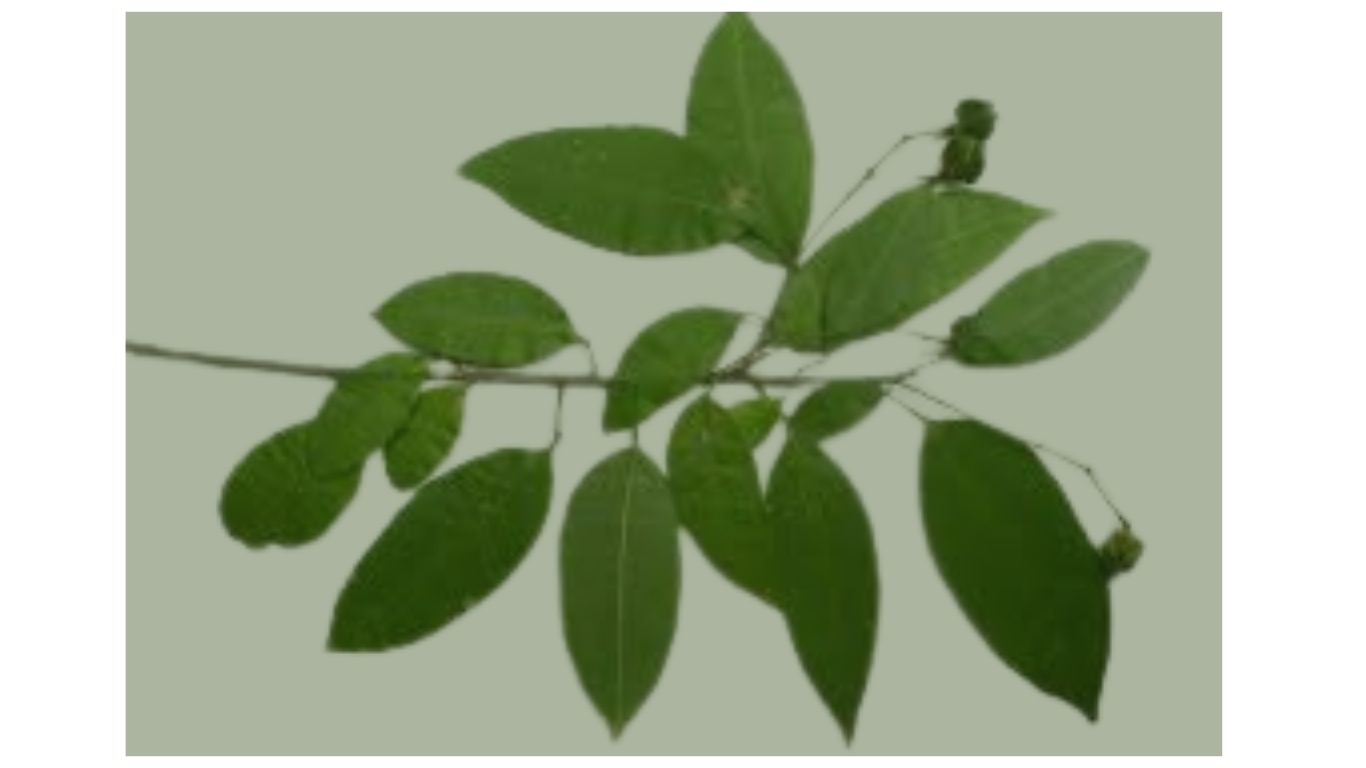
The name Angostura can be a source of confusion, a historical mix-up that adds to its intrigue. The remedy is prepared from the bark of the Galipea officinalis tree, formerly known as Cusparia febrifuga. This tree is native to the tropical regions of South America, particularly Venezuela and Brazil. The bark is renowned for its extreme bitterness and was traditionally used by indigenous peoples as a tonic and febrifuge (fever reducer).
The confusion arose in the early 19th century when the bark of Galipea officinalis was sometimes mistakenly substituted or contaminated with the highly toxic bark of Strychnos nux-vomica, the source of the poison strychnine. This led to several cases of poisoning and cast a shadow over the use of the genuine bark. The true Angostura bark, while bitter, is not dangerously toxic in its crude form. It was the renowned German physician and founder of homeopathy, Dr. Samuel Hahnemann, who first proved the genuine Angostura bark and introduced it into the homeopathic materia medica in the early 1800s. He sought to understand its pure healing properties, separate from the dangers of its toxic lookalike.
Extraction and Preparation: The Journey to a Remedy
The journey of Angostura from a crude botanical substance to a dynamic homeopathic remedy follows the principle of potentization, a cornerstone of homeopathic philosophy. The process begins with the collection of the dried bark of Galipea officinalis.
The initial substance, known as the mother tincture, is prepared by macerating the bark in a mixture of alcohol and water. This extraction pulls the active chemical constituents, including various alkaloids like cusparine and galipine, into the liquid. This mother tincture, labeled as Ø, represents the crude medicinal power of the bark.
Potentization is the subsequent serial dilution and succussion (vigorous shaking). Homeopathy operates on the principle that diluting and succussing a substance enhances its therapeutic energy while mitigating any toxic physical effects. Angostura is available in a wide range of these potencies, typically divided into two scales:
-
Centesimal (C) Potencies: Here, one part of the mother tincture is diluted with 99 parts of a diluent (like alcohol or water) and succussed. This creates a 1C potency. The process is repeated using one part of the 1C solution with 99 parts of diluent to make a 2C, and so on.
-
Decimal (X or D) Potencies: This involves a one-in-ten dilution ratio. One part of the mother tincture is mixed with nine parts of diluent and succussed to create a 1X potency.
As the potency number increases (e.g., 30C, 200C, 1M), the material quantity of the original substance becomes infinitesimally small. Homeopaths believe that these higher potencies act on a deeper, more energetic level, influencing the vital force of the individual. The choice of potency is complex and is best left to a qualified homeopathic practitioner, as it depends on the totality of the patient’s symptoms and their individual sensitivity.
The Symptom Picture: Understanding the Angostura Patient
The homeopathic indication for any remedy is based on its “symptom picture,” which is derived from the provings conducted on healthy individuals. When people take a substance during a proving, they record all the mental, emotional, and physical symptoms it produces. The core principle of homeopathy, “like cures like” (similia similibus curentur), states that a substance capable of causing a set of symptoms in a healthy person can cure those same symptoms in a sick person.
The symptom picture of Angustura is distinct and revolves around a profound disturbance of the nervous system and muscular function.
Key Mental and Emotional Symptoms:
A prominent feature of the Angustura state is a peculiar confusion of mind. The individual may find it difficult to collect their thoughts. They might start a sentence and forget how to finish it, or struggle to find the right words. This mental fog is often accompanied by a sensation of being “spaced out” or disconnected.
There is often a deep-seated anxiety that is felt predominantly in the solar plexus or the pit of the stomach. This anxiety can be free-floating or triggered by specific events. The person may be irritable, taciturn, and desire solitude. They feel worse from consolation and prefer to be left alone with their discomfort.
Characteristic Physical Symptoms:
-
Muscular Weakness and Tremors: This is arguably the most defining characteristic of Angustura. There is a profound, paralytic weakness in the limbs. The muscles feel heavy, weak, and refuse to obey the will. This is accompanied by fine tremors and twitching of muscles (fasciculations). The weakness is so pronounced that the person may stumble easily, drop objects, or have difficulty climbing stairs. It feels as if the connection between the nerves and the muscles has been disrupted.
-
Speech Difficulties: Reflecting the mental confusion and muscular weakness, speech is affected. The tongue feels heavy, thick, and stiff. There may be stammering or an inability to articulate words properly. The person might speak slowly and with great effort.
-
Gastrointestinal Issues: True to its bitter nature, Angustura has a strong affinity for the digestive tract. There is often a sensation of emptiness and weakness in the stomach, not necessarily relieved by eating. There may be nausea, vomiting, and diarrhea. The tongue may be coated white, and there can be a bitter or putrid taste in the mouth.
-
Modalities: Modalities are conditions that make the symptoms better or worse. Angustura symptoms are typically worse from touch and pressure. The muscular pains are sore and bruised. There is an overall aggravation from cold and an amelioration (improvement) from warmth. The symptoms also tend to worsen in the evening and at night.
Primary Uses and Clinical Applications
Based on this symptom picture, homeopaths prescribe Angustura for conditions where this specific pattern of nervous exhaustion and muscular failure is present.
-
Neurological Weakness: It is a leading remedy for conditions like Myasthenia Gravis, a chronic autoimmune disorder characterized by rapid fatigue and weakness of voluntary muscles. The symptom of ptosis (drooping eyelids) and difficulty swallowing or speaking align perfectly with the Angustura picture.
-
Post-Viral Fatigue and Recovery from Illness: After severe illnesses like influenza, COVID-19, or other debilitating infections, patients may experience a prolonged state of exhaustion, brain fog, and muscular weakness that strongly resembles the Angustura state.
-
Effects of Toxins and Medications: Angustura is considered a valuable remedy for addressing the side effects of certain pharmaceuticals, particularly those that affect the nervous system, or for symptoms resulting from exposure to environmental toxins.
-
Digestive Weakness: When digestive complaints like nausea, vomiting, and diarrhea are accompanied by the characteristic nervous exhaustion and weakness, Angustura may be indicated.
-
Speech Disorders: For stammering or speech difficulties arising from nervous weakness or after a shock or illness, especially when the tongue feels heavy and unmanageable.
Side Effects and Safety Considerations
In homeopathic potencies, Angustura is considered extremely safe. Due to the high dilution, there is no risk of chemical toxicity or direct side effects as one would expect from a conventional drug. The primary risk in homeopathy is the “aggravation,” a temporary intensification of existing symptoms that can sometimes occur after taking a well-selected remedy. This is usually seen as a positive sign that the vital force is responding to the medicine.
However, it is crucial to emphasize that self-prescribing for serious conditions like Myasthenia Gravis or post-viral syndromes is strongly discouraged. These are complex health issues that require a proper medical diagnosis and the guidance of an experienced homeopathic practitioner. The incorrect remedy will simply be ineffective, but the delay in seeking appropriate care could be harmful.
Comparisons with Other Homeopathic Remedies
Differentiating between remedies with overlapping symptoms is the art of homeopathic prescribing. Here is how Angustura compares to some other commonly used medicines.
-
Angustura vs. Gelsemium: Both remedies feature dizziness, trembling, and muscular weakness, especially in the context of flu-like states or stage fright. However, the key difference lies in the nature of the weakness. Gelsemium weakness is characterized by a heavy, drooping lethargy. The person is drowsy, listless, and their eyelids are heavy. The trembling is from weakness. Angustura weakness is more of a paralytic, uncoordinated failure. The muscles tremble and twitch actively, and there is a distinct loss of control, not just heaviness. Mentally, Gelsemium has anticipatory anxiety, while Angustura has a more profound confusion.
-
Angustura vs. Causticum: Both can be used for speech difficulties and muscle weakness. Causticum, however, is suited for conditions with a slow, progressive paralysis, like after a stroke. The paralysis in Causticum is often accompanied by contractures and stiffness. The mental state is one of profound sympathy for others and sadness. Angustura’s weakness is more acute and accompanied by marked confusion and irritability.
-
Angustura vs. Nux Vomica: Given the historical confusion between their source barks, this is an interesting comparison. Both can be used for irritable, oversensitive individuals. However, Nux Vomica is the classic remedy for the effects of modern stress, overwork, and indulgence in stimulants. Its digestive issues are centered around spasms, cramps, and constipation. Angustura’s digestive profile is more about weakness and emptiness, and its primary focus is on the profound neuromuscular failure, which is not a key feature of Nux Vomica.
Frequently Asked Questions (FAQs) About Homeopathic Angustura
1. I’ve heard of Angostura bitters for cocktails. Is this the same thing?
No, this is a very common point of confusion. They are related but fundamentally different. The popular Angostura aromatic bitters used in drinks are made from a proprietary blend of herbs and spices. While it was originally named after the town of Angostura in Venezuela and may have historically contained a small amount of the Galipea officinalis bark, the modern commercial product is a different formulation. Homeopathic Angustura is prepared exclusively from the bark of the Galipea officinalis tree using the specific homeopathic process of potentization. They should not be used interchangeably.
2. What is the single most important symptom that indicates Angustura?
The most characteristic indication is a profound, paralytic weakness in the muscles, accompanied by trembling or twitching. It’s not just feeling tired; it’s a feeling that the nerves and muscles have lost their connection, leading to a lack of coordination, stumbling, and dropping things. This key symptom is often paired with a confused mind, where the person struggles to think clearly or find the right words.
3. Can I use Angustura for general fatigue or burnout?
It depends on the nature of the fatigue. If your exhaustion is a simple feeling of being overworked and needing sleep, Angustura may not be the correct remedy. However, if your burnout includes the specific symptoms of muscular trembling, a heavy feeling in the limbs, significant brain fog (difficulty formulating thoughts), and irritability, then it could be a potential match. It is best suited for fatigue states that follow a distinct illness or involve neuromuscular symptoms.
4. How does Angustura differ from Gelsemium, since both are used for weakness and flu?
This is a crucial distinction for homeopathic prescribing.
-
Gelsemium weakness feels like heavy, drooping lethargy. The person is drowsy, listless, and feels too weak to move. Their eyelids are heavy, and they may have a slow, weak pulse. The trembling is from sheer weakness.
-
Angustura weakness feels like a paralytic loss of control. The muscles actively twitch and tremble, and there is a distinct lack of coordination. Mentally, Gelsemium has anticipatory anxiety (e.g., before an exam), while Angustura features more confusion and an inability to string thoughts together.
5. Is homeopathic Angustura safe? Does it have side effects?
In homeopathic potencies, Angustura is considered extremely safe. Because the substance is highly diluted, there is no risk of chemical toxicity or side effects like those from conventional drugs. The main reaction to be aware of is a homeopathic aggravation, which is a temporary, mild intensification of existing symptoms. This is often seen as a positive sign that the body is responding to the remedy. If this occurs, it is usually short-lived. However, consulting a qualified homeopath is always recommended for proper guidance.
6. What potency of Angustura should I start with?
For acute, self-limiting issues (like recovery from a short flu), a lower potency such as 6C or 30C is often suggested. The frequency of dosage is more important than the potency itself; it’s typically stopped as soon as improvement begins. For chronic or deep-seated conditions like long-term fatigue or neurological weakness, the selection of a potency (which could be much higher, like 200C or 1M) is complex and should be determined by a professional homeopath based on a detailed case analysis. Self-prescribing for chronic conditions is not advisable.
7. Can Angustura be used for anxiety?
Yes, but specifically for anxiety that manifests with the characteristic physical sensations of Angustura. The anxiety is often felt as a sinking feeling or sensation of weakness in the pit of the stomach (solar plexus). The person is irritable, wants to be left alone, and feels worse from consolation. It is not a general remedy for all types of anxiety but is specific to this particular mind-body symptom picture.
8. My child is stammering after a fright or illness. Could Angustura help?
It is a possible remedy to consider. If the stammering is accompanied by other key features of Angustura—such as a clumsy child who drops things easily, seems mentally confused or spaced out, and has a tongue that seems heavy or stiff—then it may be indicated. However, speech disorders in children should always be evaluated by a healthcare professional to rule out any underlying causes before considering homeopathic or other interventions.
9. Where can I find genuine homeopathic Angustura?
Genuine homeopathic Angustura is available from reputable manufacturers of homeopathic medicines. It can be found in well-stocked health food stores, pharmacies that carry homeopathic products, or through online retailers specializing in homeopathy. Look for the Latin name Galipea officinalis or Cusparia febrifuga on the label to ensure you have the correct remedy.
10. When should I definitely consult a professional instead of self-prescribing Angustura?
You should seek professional guidance from a qualified homeopath or medical doctor in the following situations:
-
For any serious neurological symptoms like persistent muscle weakness, paralysis, or difficulty swallowing.
-
If symptoms are severe, persistent, or worsening.
-
For any chronic health condition, such as diagnosed Myasthenia Gravis or long COVID.
-
If you are unsure about the match between your symptoms and the remedy picture.
A professional can conduct a full assessment to ensure the correct remedy and potency are selected for your individual case.
Conclusion
homeopathic Angustura is a remedy of great depth and specificity. Its story, from a bitter South American bark to a sophisticated neurological medicine, exemplifies the homeopathic process of transformation. It offers potential relief for those suffering from debilitating weakness, confusion, and a loss of control over their own bodies. As with all homeopathic practice, its power is unlocked not by matching a disease name, but by matching the unique, individual expression of illness to the intricate symptom picture of the remedy. Its application remains a testament to the holistic and individualized approach that defines homeopathic healing.