Table of Contents
ToggleDiscover Homeopathic Medicine for Extra Growth of Nasal Bone or Nasal Polyps: Unveiling the Causes, Symptoms, Effects and Prevention.
Introduction
The human nose, often celebrated for its role in shaping our appearance, is a marvel of anatomical engineering. Beyond aesthetics, it is the gateway to our respiratory system, responsible for filtering, warming, and humidifying the air we breathe. However, this complex structure, with its delicate bones, cartilage, and mucosal lining, is susceptible to growths that can disrupt its harmony. Two common yet distinctly different conditions are nasal bone spurs (osteophytes) and nasal polyps. While both can occupy the nasal cavity and cause similar symptoms, their origins, nature, and implications are worlds apart. Understanding these “uninvited guests” is the first step toward reclaiming clear breathing and optimal health.
Understanding the Intruders: Definitions and Differences
Nasal Bone Spurs (Nasal Osteophytes):
A nasal bone spur is a bony outgrowth that develops along the edges of the nasal bones or, more commonly, from the nasal septum—the thin wall of bone and cartilage that divides the two nostrils. Think of it as a small, hard “knot” or sharp projection of extra bone. It is a form of localized hyperplasia, where the bone grows abnormally, often in response to stress or instability. These spurs are not cancerous and are composed of the same dense, calcified tissue as the rest of the skeletal system.
Nasal Polyps:
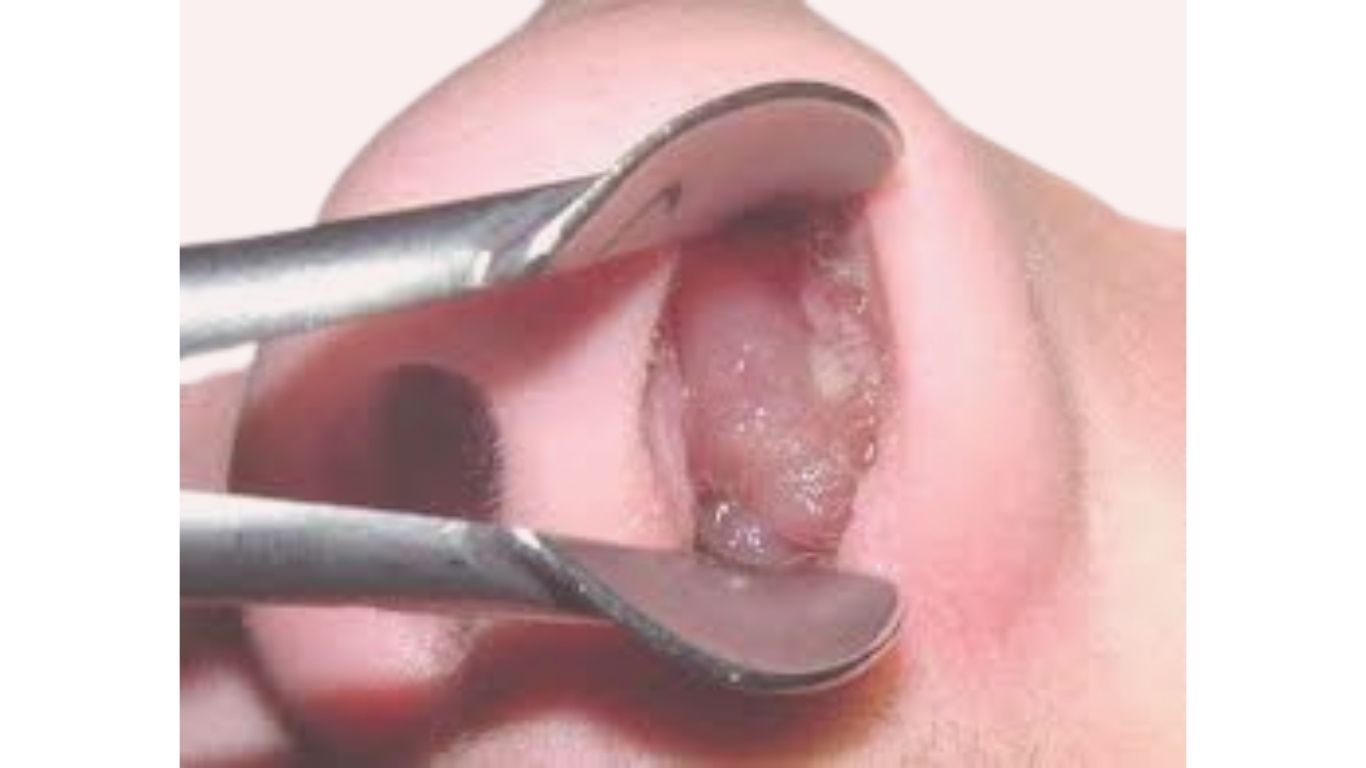
In stark contrast, nasal polyps are soft, painless, non-cancerous growths that dangle from the lining of the nasal passages or sinuses like teardrops or grapes. They are not bony but are made of inflamed, swollen mucosa—the same wet tissue that lines the inside of your nose. They are essentially a manifestation of chronic inflammation and are often associated with conditions like asthma, allergies, or recurrent infections.
The core difference lies in their composition: bone spurs are hard and structural, while polyps are soft and inflammatory.
The Telltale Signs: Symptoms and Clinical Presentation
The symptoms of both conditions can overlap significantly, as they both physically obstruct the nasal airway. However, subtle differences in the symptom profile can offer clues.
Common Symptoms Shared by Both Conditions:
Nasal Obstruction: A persistent stuffy nose, often one-sided if the spur or polyp is unilateral. This is the most frequent complaint.
Reduced Sense of Smell (Hyposmia) and Taste: Obstruction and inflammation can prevent odor molecules from reaching the olfactory nerve.
Facial Pressure or Pain: A feeling of fullness or ache across the forehead, cheeks, or between the eyes, particularly with larger growths.
Postnasal Drip: Mucus draining down the back of the throat, which can be chronic.
Snoring and Sleep Disturbances: Obstruction can lead to turbulent airflow, causing snoring and potentially contributing to sleep apnea.
Symptoms More Suggestive of Nasal Bone Spurs:
Localized Headache or Facial Pain: A sharp, pinpoint pain can occur if the spur presses directly on sensitive nasal tissue.
Recurrent Nosebleeds (Epistaxis): The sharp, bony projection can easily irritate and tear the delicate mucosal covering, leading to bleeding.
Difficulty Breathing that Feels Structurally Blocked: The obstruction is often described as a constant, hard blockage.
Symptoms More Suggestive of Nasal Polyps:
Complete Loss of Smell (Anosmia): More common with polyps due to extensive inflammatory involvement of the olfactory cleft.
A Feeling of a Movable Mass: Some patients report a sensation of something “moving” or “shifting” in the nose when they change position.
Association with Other Conditions: Symptoms often coexist with asthma flares, aspirin sensitivity (Samter’s Triad), or allergic rhinitis.
Double Vision or Vision Changes (in severe cases): Very large polyps can expand and press on the optic structures, though this is rare.
The Root of the Problem: Causes and Contributing Factors
The etiology of these two growths is fundamentally different.
Causes of Nasal Bone Spurs:
Microtrauma and Stress: The leading theory is that minor, repeated trauma or stress on the nasal septum leads to bony remodeling. This can be from subtle imbalances in facial structure.
Aging: As with bone spurs in other joints (like the spine or heel), age-related degenerative changes can prompt bony overgrowths.
Previous Nasal Trauma or Surgery: A history of a broken nose or septoplasty can lead to uneven healing and bony spur formation.
Genetic Predisposition: Some individuals may have a hereditary tendency toward bony overgrowth.
Causes and Risk Factors for Nasal Polyps:
Chronic Inflammation: This is the cornerstone. Persistent inflammation of the nasal and sinus mucosa causes swelling, fluid retention, and eventually, the formation of polyps.
Asthma: The link between airway inflammation in the lungs and sinuses is strong.
Allergic Rhinitis and Sensitivity: Allergies to airborne allergens, fungi, or even aspirin/NSAIDs can trigger the inflammatory cascade.
Chronic Rhinosinusitis: Long-term sinus infections, especially those with a component of fungal sensitivity or immune dysregulation, are a major cause.
Cystic Fibrosis: This genetic disease leads to thick mucus, which predisposes individuals to sinus infections and polyp formation.
Churg-Strauss Syndrome: A rare vasculitic disease that causes inflammation of blood vessels.
The Ripple Effects: Complications and Long-Term Impact
Leaving these conditions unaddressed can lead to a cascade of secondary problems that affect overall quality of life.
Chronic Sinus Infections: Both spurs and polyps block the natural drainage pathways of the sinuses (ostiomeatal complex), creating a stagnant environment perfect for bacterial or fungal growth, leading to recurrent acute or chronic sinusitis.
Sleep Apnea and Disordered Breathing: Significant nasal obstruction forces mouth breathing, which can worsen snoring and contribute to obstructive sleep apnea, leading to chronic fatigue, cardiovascular strain, and cognitive issues.
Expansion and Structural Changes: Large polyps can widen the nose and even increase the distance between the eyes in extreme, untreated cases. Bone spurs, while not expansive, can cause pressure necrosis on opposing tissues.
Asthma Exacerbations: For those with asthma and polyps, uncontrolled nasal inflammation can make lower airway symptoms much harder to control.
Significant Reduction in Quality of Life: Chronic congestion, loss of smell (which affects flavor and safety, like detecting smoke or spoiled food), facial pain, and sleep deprivation can lead to irritability, depression, and social withdrawal.
Prevention: Can These Growths Be Avoided?
While not all cases are preventable, risk can be substantially mitigated.
For Nasal Bone Spurs: Prevention is challenging due to the microtrauma theory. Protecting the nose from significant injury is the primary measure. Proper management after a nasal fracture may help.
For Nasal Polyps: Prevention focuses squarely on controlling inflammation.
Aggressive Allergy Management: Work with an allergist to identify and avoid triggers. Use prescribed antihistamines, nasal sprays, and consider immunotherapy (allergy shots).
Diligent Asthma Control: Keeping asthma in check with controller medications reduces systemic inflammation.
Nasal Hygiene: Regular use of saline nasal rinses (like neti pots) helps clear irritants, allergens, and thick mucus, reducing inflammatory load.
Avoid NSAID Sensitivity: If you have Samter’s Triad, strict avoidance of aspirin and related drugs is crucial.
Early Intervention: Treat sinus infections promptly and thoroughly to prevent them from becoming chronic.
The Homeopathic Perspective: A Holistic Approach to Treatment
Homeopathy is a system of alternative medicine based on the principle of “like cures like,” using highly diluted substances to stimulate the body’s self-healing processes. It treats the individual, not just the disease. A homeopathic practitioner views nasal spurs and polyps not as isolated growths, but as local expressions of a systemic imbalance or diathesis.
The Constitutional Approach: A homeopath will conduct a detailed interview, delving into the patient’s physical symptoms, emotional state, temperament, likes/dislikes, and modalities (what makes symptoms better or worse). The goal is to find the single, unique “constitutional remedy” that matches the whole person. This remedy aims to correct the underlying predisposition to inflammation or abnormal growth.
Commonly Used Homeopathic Medicines for Nasal Issues:
While self-prescription for such structural conditions is not advised, and consultation with a qualified homeopath is essential, some remedies often considered include:
Teucrium Marum Verum: A leading remedy for nasal polyps with a sensation of constant tickling in the nose, leading to sneezing. Often indicated for fleshy polyps.
Lemna Minor: Used for atrophic changes and polyps, especially when associated with a marked loss of smell and crusting inside the nose.
Calcarea Carbonica: For patients who are chilly, easily fatigued, and prone to growths (like spurs, polyps, or cysts). Often suited to individuals who feel overwhelmed.
Sanguinaria Canadensis: Useful for right-sided nasal polyps or congestion, with burning pains and a tendency towards acrid discharges.
Phosphorus: For polyps that bleed easily, in individuals who are sympathetic, sensitive, and desire cold drinks.
Silicea: For hard, bony growths like spurs. Suited to individuals who are intellectually keen but physically frail, prone to suppuration (infection), and often chilly.
Adjuvant Therapies and Potency: Homeopathic treatment is often complemented with dietary advice (sometimes reducing mucus-forming foods like dairy), and the use of specific tissue salts like Calcarea Fluorica (Calc Fluor) for hard, bony growths. The potency and repetition of doses are carefully determined by the practitioner based on the individual’s vitality and the chronicity of the condition.
Important Considerations:
Homeopathy operates on the principle that treatment may initially cause a temporary intensification of symptoms (“aggravation”), which is often seen as a positive sign of the body responding. It requires patience, as treating chronic structural issues is a process that unfolds over months. Crucially, homeopathy does not claim to mechanically dissolve large bone spurs or massive polyps. In cases of severe obstruction, infection, or sleep apnea, conventional interventions like corticosteroid nasal sprays, oral steroids, or surgery (functional endoscopic sinus surgery or septoplasty with spur removal) may be necessary. An integrated approach, where homeopathy works to correct the underlying tendency and manage inflammation while conventional medicine handles acute crises or structural blockages, can be a very effective strategy under the guidance of cooperative healthcare providers.
Frequently Asked Questions (FAQs): Homeopathic Medicine for Extra Growth of Nasal Bone or Nasal Polyps
1. Can homeopathic medicines completely dissolve a nasal bone spur (osteophyte)?
No, homeopathic medicines cannot dissolve or reverse the hard, calcified bone tissue of a fully formed spur. Homeopathy aims to address the underlying systemic imbalance that may have contributed to the bony overgrowth and to manage the symptoms it causes, such as inflammation of the covering mucosa, pain, and bleeding. It can help prevent further progression and alleviate associated discomfort. For a large, mechanically obstructive spur, surgical removal (septoplasty) may be the only way to physically eliminate the blockage.
2. Are homeopathic remedies effective in treating nasal polyps?
Yes, homeopathy can be very effective in managing nasal polyps, especially in the early stages and for recurrent cases. Since polyps are soft growths of inflamed mucous membrane, they are more responsive to the anti-inflammatory and constitutional corrective action of homeopathic treatment. The goal is to reduce the chronic inflammation that leads to polyp formation, potentially shrinking existing polyps and preventing new ones from developing. Success often depends on the size, chronicity, and the individual’s overall health responsiveness.
3. Is it safe to take homeopathic medicine alongside my conventional nasal steroid sprays or asthma inhalers?
Generally, yes. Homeopathic medicines are highly diluted and typically do not interact chemically with conventional drugs. It is considered safe to use them concurrently. In fact, an integrated approach is common, where homeopathy works on the constitutional level to reduce the predisposition to inflammation, while steroid sprays manage acute local inflammation. However, it is absolutely crucial to inform both your homeopath and your conventional doctor about all the medicines you are taking. You should never discontinue prescribed conventional medication, especially for conditions like asthma, without explicit medical advice.
4. How does a homeopath choose the right medicine for me?
A homeopath does not simply prescribe a standard “polyp remedy.” They conduct a detailed “constitutional” consultation, which includes:
Your specific nasal symptoms (side, type of blockage, discharge character).
Your general health (history of allergies, asthma, sensitivities).
Your mental and emotional temperament.
Your likes and dislikes (food, weather).
What makes your symptoms better or worse (modalities).
The remedy selected (e.g., Teucrium, Sanguinaria, Calcarea) is the one that most closely matches your entire symptom picture and constitution, not just your diagnosis.
5. What are some common homeopathic medicines used for these conditions?
While prescription must be individualized, some frequently considered remedies include:
Teucrium Marum Verum: For fleshy nasal polyps with a constant, violent tickling sensation in the nose leading to sneezing.
Lemna Minor: For polyps with a marked loss of smell, atrophic changes, and crusting inside the nose, often worse in damp weather.
Calcarea Carbonica: For individuals prone to growths (polyps, spurs, cysts) who are chilly, easily fatigued, and may feel anxious or overwhelmed.
Sanguinaria Canadensis: Often for right-sided nasal issues, polyps, or congestion with burning pain and acrid discharges.
Silicea: Useful for hard, bony formations and for individuals who are intellectually sharp but physically delicate, prone to infections.
Calcarea Fluorica (as a tissue salt): Often recommended for hard, knobby growths like bone spurs to help maintain tissue integrity.
6. Will my symptoms get worse when I start homeopathic treatment?
A temporary, mild intensification of existing symptoms, known as a “homeopathic aggravation,” can sometimes occur, especially in the initial phase of treatment. This is often viewed as a positive sign that the body’s healing response has been activated. However, a severe or prolonged aggravation is not typical and should be reported to your homeopath, who may adjust the potency or remedy. Not everyone experiences this phenomenon.
7. How long does homeopathic treatment for nasal growths take to show results?
Homeopathic treatment for chronic conditions like polyps or symptomatic bone spurs is not a quick fix. It is a process that requires patience. You may notice improvements in associated symptoms like congestion, headache, or sense of smell within weeks. However, significant changes in the size of polyps or managing the underlying tendency may take several months of consistent treatment. The duration depends on the severity, your body’s responsiveness, and your overall health.
8. Can homeopathy prevent the recurrence of polyps after surgery?
Yes, this is one of the key strengths of constitutional homeopathic treatment. Surgery removes the existing polyp but does not alter the underlying inflammatory tendency of the mucosa. Homeopathy aims to correct this very predisposition, thereby reducing the likelihood of recurrence. Many patients turn to homeopathy after experiencing multiple polyp recurrences post-surgery.
9. Are there any dietary or lifestyle changes I should follow during treatment?
Your homeopath may suggest supportive measures, which often include:
Nasal Hygiene: Regular saline nasal irrigation (e.g., Neti pot) to clear allergens and irritants.
Dietary Modifications: Some may advise reducing mucus-forming foods like dairy products, especially if you notice they worsen congestion.
Managing Triggers: Identifying and avoiding known allergens (dust, pollen, etc.) remains important.
Avoiding Strong Substances: Traditional advice is to avoid strong camphor, menthol (in balms, cough drops), and excessive coffee during treatment, as they are thought to potentially interfere with the action of the remedies. Discuss this with your practitioner.
10. Where should I buy homeopathic medicines, and what potency should I use?
It is strongly recommended to seek treatment from a qualified, professional homeopath. They will prescribe the correct remedy, potency (e.g., 30C, 200C), and dosage schedule tailored to you. Self-prescribing for structural nasal conditions can be ineffective and delay appropriate care. If purchasing for acute symptoms under guidance, use a reputable pharmacy. Store medicines away from strong sunlight, smells, and electronics, ideally in a cool, dry place.
Conclusion
Whether facing the hard obstruction of a nasal bone spur or the soft, inflammatory presence of polyps, understanding the nature of the growth is paramount. From diligent prevention and management of underlying inflammation to exploring holistic treatment modalities like homeopathy, a multifaceted approach offers the best hope for not just removing the symptom, but for restoring lasting balance and the simple, profound joy of breathing freely.













3 thoughts on “Homeopathic Medicine for Extra Growth of Nasal Bone or Nasal Polyps”