
Table of Contents
ToggleTitle: Understanding Hiccups: Symptoms, Causes, Effects, Prevention, and Best Homeopathic Medicine for Hiccups
Introduction:
Hiccups are a familiar and often harmless experience that nearly everyone encounters at some point. While they typically resolve on their own within minutes, persistent or chronic hiccups can become a source of significant discomfort and may signal underlying health concerns. This article explores the nature of hiccups, their symptoms, common and serious causes, potential effects on the body, practical prevention strategies, and the traditional homeopathic remedies that have been used to address this condition.
What Are Hiccups?
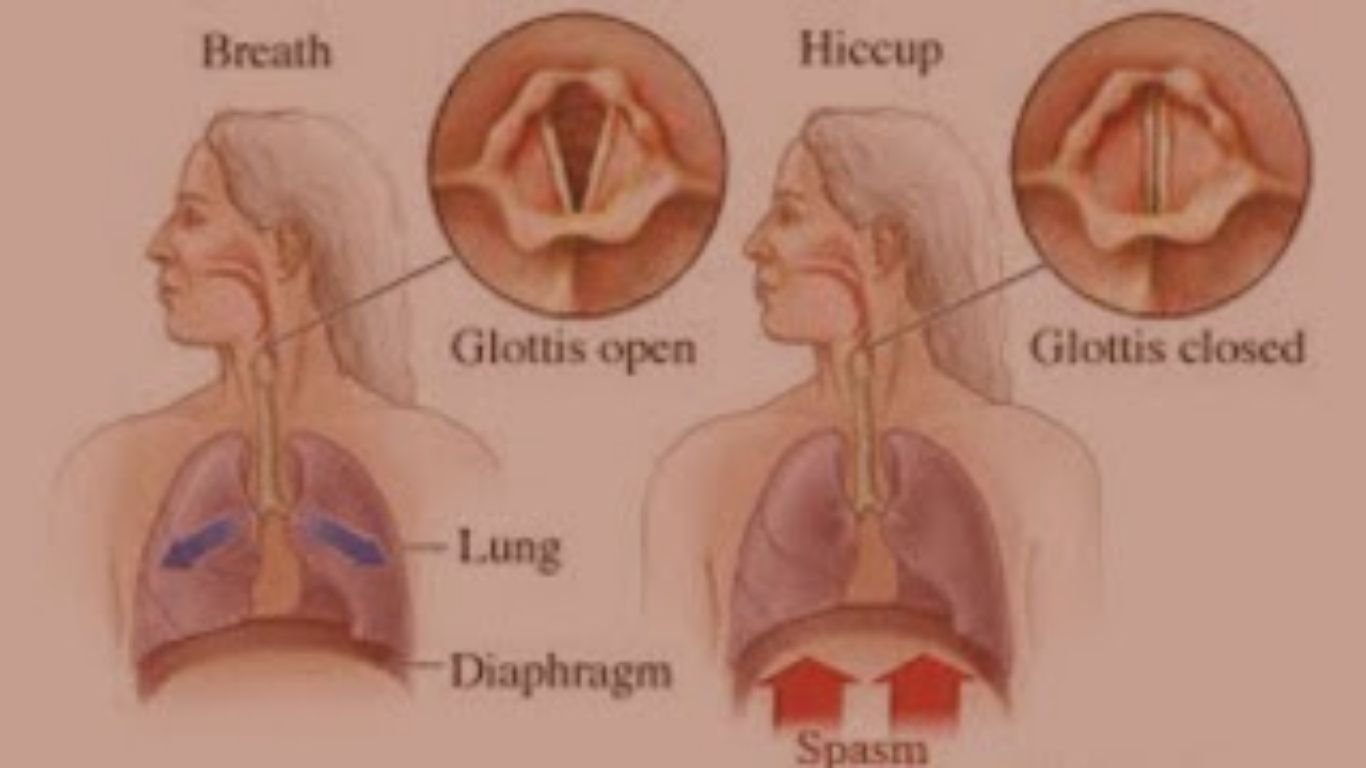
Hiccups, also spelled hiccoughs, are involuntary, repetitive spasms of the diaphragm, the dome-shaped muscle that separates the chest cavity from the abdomen and plays a central role in breathing . When the diaphragm contracts suddenly and involuntarily, it causes a rapid intake of air. This rush of air is abruptly halted by the closure of the vocal cords, which produces the characteristic “hic” sound that gives the condition its name . These episodes are generally rhythmic and can occur at a rate of several times per minute.
Hiccups are extremely common and usually resolve spontaneously after a few minutes. However, when they persist beyond 48 hours, they are classified as persistent or chronic hiccups, which may warrant medical evaluation . Intractable hiccups, a term sometimes used, refer to episodes lasting more than one month .
Recognizing the Symptoms
The symptoms of hiccups are straightforward and easily identifiable. The primary symptom is the repeated, involuntary contraction of the diaphragm accompanied by the distinctive “hic” sound . Individuals may also experience a slight tightening sensation in the chest, stomach area, or throat with each spasm .
While most hiccup episodes are benign and self-limiting, certain signs indicate the need for medical attention. You should consider consulting a healthcare provider if your hiccups last more than 48 hours or if they are severe enough to interfere with eating, sleeping, or breathing . Seeking urgent care is advised if hiccups are accompanied by symptoms such as weakness, numbness, fever, or severe chest pain . For infants, prolonged hiccups accompanied by vomiting or other symptoms should prompt a consultation with a pediatrician .
Common Causes and Triggers
The causes of hiccups can be broadly divided into those that provoke short-lived episodes and those that underlie persistent or chronic cases. Understanding these distinctions is important for both prevention and appropriate management.
Everyday Triggers
For hiccups lasting less than 48 hours, the triggers are often related to lifestyle and immediate physical factors. Common causes include eating a large meal too quickly, which can distend the stomach and irritate the diaphragm . Drinking carbonated beverages introduces gas into the stomach, leading to distension and nerve stimulation . Consuming hot or cold drinks, as well as sudden temperature changes, can also provoke hiccups . Drinking excessive alcohol, smoking, and chewing gum are additional factors that can lead to swallowing air and triggering the reflex . Emotional states such as stress, excitement, or sudden shock can stimulate the nervous system and induce hiccups as well .
Underlying Medical Conditions
When hiccups persist beyond 48 hours, they may be a sign of an underlying medical issue. Persistent hiccups can result from nerve irritation or damage, particularly to the vagus or phrenic nerves, which supply the diaphragm . Causes of such irritation include a foreign object in the ear touching the eardrum, a tumor or cyst on the thyroid gland, gastroesophageal reflux disease, and sore throat or laryngitis .
Central nervous system disorders can also disrupt the normal control of the hiccup reflex. These include encephalitis, meningitis, multiple sclerosis, stroke, and traumatic brain injury . Metabolic disturbances such as diabetes, electrolyte imbalances, and kidney disease are additional potential causes of long-term hiccups . Furthermore, certain medications, including anesthetics, corticosteroids, chemotherapy agents, and drugs used for epilepsy, can induce hiccups as a side effect . Iatrogenic causes related to medical procedures, such as bronchoscopy or cardiac ablation, have also been documented .
Potential Effects and Complications
For the vast majority of people, hiccups are a temporary nuisance with no lasting consequences. However, when hiccups become persistent or chronic, they can significantly impact quality of life and lead to various complications.
Ongoing hiccups can interfere with basic functions such as eating, drinking, sleeping, and speaking . The continuous spasms can make it difficult to consume adequate nutrition and fluids, potentially leading to weight loss and dehydration . Sleep disturbances are common, which can result in fatigue, exhaustion, and decreased cognitive function . The persistent nature of chronic hiccups can also cause significant emotional distress, including anxiety and depression . In severe cases, hiccups can worsen existing pain and, if they interfere with breathing or swallowing, may pose a risk of aspiration .
Prevention Strategies
While it is not always possible to prevent hiccups, certain lifestyle modifications can reduce the frequency of episodes. Adopting mindful eating habits is a key preventative measure. Eating slowly, chewing food thoroughly, and avoiding gulping can help prevent the swallowing of excess air . Avoiding overindulgence in a single sitting and steering clear of carbonated beverages and excessive alcohol can also be beneficial . It is wise to avoid extreme temperature changes in the stomach, such as alternating between very hot and very cold drinks .
Behavioral adjustments can also play a role. Avoiding chewing gum or eating hard candy can reduce air intake . For those who smoke, quitting is advisable, not only for hiccup prevention but for overall health. Managing emotional stress through relaxation techniques may help individuals who are prone to stress-induced hiccups . If you wear dentures, ensuring they fit properly can help prevent the swallowing of air .
Homeopathic Approaches to Hiccups
Homeopathy is a system of alternative medicine that has been used traditionally for a wide range of conditions, including hiccups. Homeopathic remedies are selected based on the principle of “like cures like,” where a substance that produces symptoms in a healthy person is used in highly diluted form to address similar symptoms in a sick person. It is important to note that the efficacy of homeopathy is not accepted by mainstream medical science, and these remedies are presented here in the context of their traditional use. Any use of homeopathic remedies should be discussed with a qualified healthcare practitioner.
Cajuputum
Cajuputum is a homeopathic remedy derived from the cajuput tree. It has been traditionally used to manage hiccups that occur on the slightest provocation . According to homeopathic literature, it may also be helpful for flatulence and a sensation of nervous distension in the bowels . In the United States, a homeopathic product containing Cajuputum 30C is marketed with the indication to relieve hiccups or heartburn, though it is explicitly stated that these claims are based on traditional homeopathic practice and have not been evaluated by the Food and Drug Administration .
Natrum Sulphuricum
Natrum sulphuricum, also known as sodium sulphate, is a homeopathic remedy traditionally indicated for a variety of digestive complaints. It is described as being useful in cases of bitter belching and hiccups . In homeopathic practice, it is often considered for conditions where there is an imbalance in water distribution within the body, and it is associated with symptoms that may be worse in humid weather .
Dioscorea Villosa
Dioscorea villosa, derived from wild yam, is another remedy with a traditional use for digestive disorders. It has been indicated for flatulence accompanied by frequent hiccups and eructation . Homeopathic practitioners may consider it for individuals experiencing stomach pain associated with colic and indigestion, particularly when hiccups are a prominent feature .
Tarentula Hispanica
Tarentula hispanica is a homeopathic remedy with a broad range of traditional applications. It has been reported in homeopathic literature for use in various clinical conditions, including hiccough . A multicentric clinical verification study conducted by the Central Council for Research in Homoeopathy (CCRH) in India examined the use of Tarentula hispanica and reconfirmed many of its traditional symptoms . While this study provides documentation of its use, it does not constitute definitive evidence of effectiveness.
Historical Perspectives and Other Remedies
Historical homeopathic texts describe additional remedies for hiccups. For simple hiccups in infants, particularly those associated with a cold or an acid stomach, remedies such as Calcarea and Nux vomica have been mentioned . For hiccups occurring in the context of intestinal catarrh, Chamomilla or Rheum have been suggested . These historical recommendations reflect the individualized approach central to homeopathic practice, where remedy selection depends on the specific symptom pattern of the patient. It is crucial to remember that persistent hiccups can be a sign of a serious medical condition, and a qualified healthcare provider should be consulted for proper diagnosis and management.
FAQs About Homeopathic Medicines for Hiccups
This FAQ addresses common questions about the traditional homeopathic approach to hiccups. It is important to understand that homeopathy is a system of alternative medicine based on principles that are not accepted by mainstream medical science, and its remedies are traditionally used rather than scientifically proven to be effective. The information below is presented for educational purposes and should not replace professional medical advice.
Which homeopathic medicines are traditionally used for hiccups?
Several homeopathic remedies have been traditionally associated with the management of hiccups. Cajuputum is perhaps the most specific, historically used for hiccups that occur “on the slightest provocation”. A homeopathic product containing Cajuputum 30C is marketed in the United States with the indication to relieve hiccups or heartburn, though the label explicitly states that these claims are based on traditional homeopathic practice and have not been evaluated by the FDA.
Other remedies with traditional indications include Dioscorea villosa, which has been used for flatulence accompanied by frequent hiccups and eructation. Ignatia amara is indicated in some homeopathic literature for spasmodic hiccough associated with emotional disturbances such as grief or hysteria. Tarentula hispanica has also been documented in homeopathic literature for hiccough, with a clinical verification study conducted by the Central Council for Research in Homoeopathy in India.
Historical homeopathic texts describe additional remedies for specific contexts, such as Calcarea and Nux vomica for simple hiccups in infants associated with a cold or acid stomach, and Chamomilla or Rheum for hiccups occurring with intestinal catarrh. These recommendations reflect the individualized approach central to homeopathic practice, where remedy selection depends on the specific symptom pattern of the individual.
How are homeopathic remedies for hiccups typically taken?
The method of administration depends on the specific remedy and its form. For pellet forms, a common instruction is to dissolve five pellets under the tongue three times a day at the onset of symptoms, or as directed by a healthcare provider. Liquid dilutions are typically taken as drops in water. Homeopathic practitioners generally advise maintaining a gap of at least thirty minutes between taking a remedy and consuming food, drink, or other medicines, and avoiding strong smells such as coffee or camphor around the time of administration. It is always advisable to follow the directions on the product label or the guidance of a qualified homeopathic practitioner.
What is the homeopathic philosophy behind using these remedies?
Homeopathy is based on the principle of “like cures like” or similia similibus curantur, which holds that a substance that produces symptoms in a healthy person can, in highly diluted form, address similar symptoms in a person who is unwell. For hiccups, a remedy like Cajuputum is selected because it is traditionally believed to produce or relate to symptoms resembling hiccups and related digestive disturbances. The remedies are prepared through a process of serial dilution and succussion, resulting in extremely low concentrations of the original substance. This principle and the resulting dilutions are central to homeopathic practice but are not consistent with conventional pharmacological understanding.
Are there any side effects or risks associated with homeopathic medicines for hiccups?
Homeopathic remedies are typically highly diluted and are generally considered to have a low risk of direct toxicity or adverse effects. The most common ingredients in pellet forms are lactose and sucrose. However, individuals with lactose intolerance or specific allergies should check the inactive ingredients. More importantly, the primary risk associated with using homeopathic remedies for hiccups is the potential delay in seeking appropriate medical care for persistent or serious underlying conditions. If hiccups last more than forty-eight hours or are accompanied by symptoms such as numbness, weakness, difficulty speaking, or chest pain, immediate medical evaluation is essential, as these could indicate a serious condition such as a stroke or heart issue. Homeopathic remedies should not be used as a substitute for necessary medical diagnosis or treatment.
When should I seek medical attention instead of trying homeopathic remedies?
You should seek medical attention if your hiccups persist for more than two days, especially if they are preventing you from sleeping or eating. More urgently, you should seek emergency care if hiccups are accompanied by the sudden onset of numbness or coordination issues, difficulty speaking or swallowing, facial droop, vision changes, or weakness on one side of the body, as these could indicate a stroke. Heart-related symptoms accompanying hiccups also warrant immediate evaluation. For infants, prolonged hiccups with vomiting or other symptoms should prompt a consultation with a pediatrician. Homeopathic remedies may be considered for transient, benign hiccups, but they are not a substitute for proper medical care when warning signs are present.
Is there scientific evidence that homeopathic medicines work for hiccups?
The scientific consensus is that homeopathic treatments are not more effective than placebo. Major reviews by bodies including the Australian National Health and Medical Research Council, the UK House of Commons Science and Technology Committee, and the European Academies’ Science Advisory Council have consistently reached this conclusion. The perceived efficacy of homeopathic remedies is often attributed to the placebo effect, which is a real phenomenon but should not be mistaken for actual treatment effectiveness. The FDA does not evaluate homeopathic products for safety or efficacy, and product labels typically carry disclaimers stating that claims are based on traditional homeopathic practice and not accepted medical evidence. Individuals interested in homeopathy for hiccups should be aware of this context and make informed decisions in consultation with healthcare professionals.
What should I do if homeopathic remedies do not relieve my hiccups?
If hiccups persist despite trying homeopathic remedies or other self-care measures, and especially if they last longer than forty-eight hours, you should consult a primary care provider. A medical professional can rule out underlying causes such as nerve irritation, metabolic disturbances, or central nervous system conditions that may require specific treatment. In some cases, prescription medications may be considered for persistent hiccups. The key is to avoid allowing a focus on complementary approaches to delay the diagnosis and management of any potential underlying health issue.
Conclusion
Hiccups are a common physiological phenomenon that most people experience occasionally. While typically transient and harmless, they can become persistent and indicate underlying health issues, potentially leading to significant discomfort and complications. Understanding the triggers and knowing when to seek medical advice is important. Preventive measures focused on eating habits and lifestyle can help reduce the frequency of episodes. For those interested in complementary approaches, homeopathy offers a tradition of remedies that have been used for hiccups, but these should be approached with an understanding of their traditional nature and in consultation with a healthcare professional, especially when hiccups are persistent or concerning.