Table of Contents
ToggleHomeopathic Medicine Justicia Adhatoda: The Botanical Healer of Respiratory Distress
Within the vast and intricate world of homeopathy, a system of medicine that operates on the principle of “like cures like,” many remedies have their origins not in rare minerals or animal venoms, but in the humble plant kingdom. One such powerful botanical agent is Justicia adhatoda, more commonly known in homeopathic circles simply as Justicia. Derived from a shrub long revered in traditional medicine, this remedy has carved a distinct niche for itself as a primary ally in combating acute and stubborn respiratory afflictions. To understand its full therapeutic potential, one must explore its origin, preparation, characteristic symptom picture, clinical applications, and its place within the homeopathic materia medica.
Origin and Historical Roots
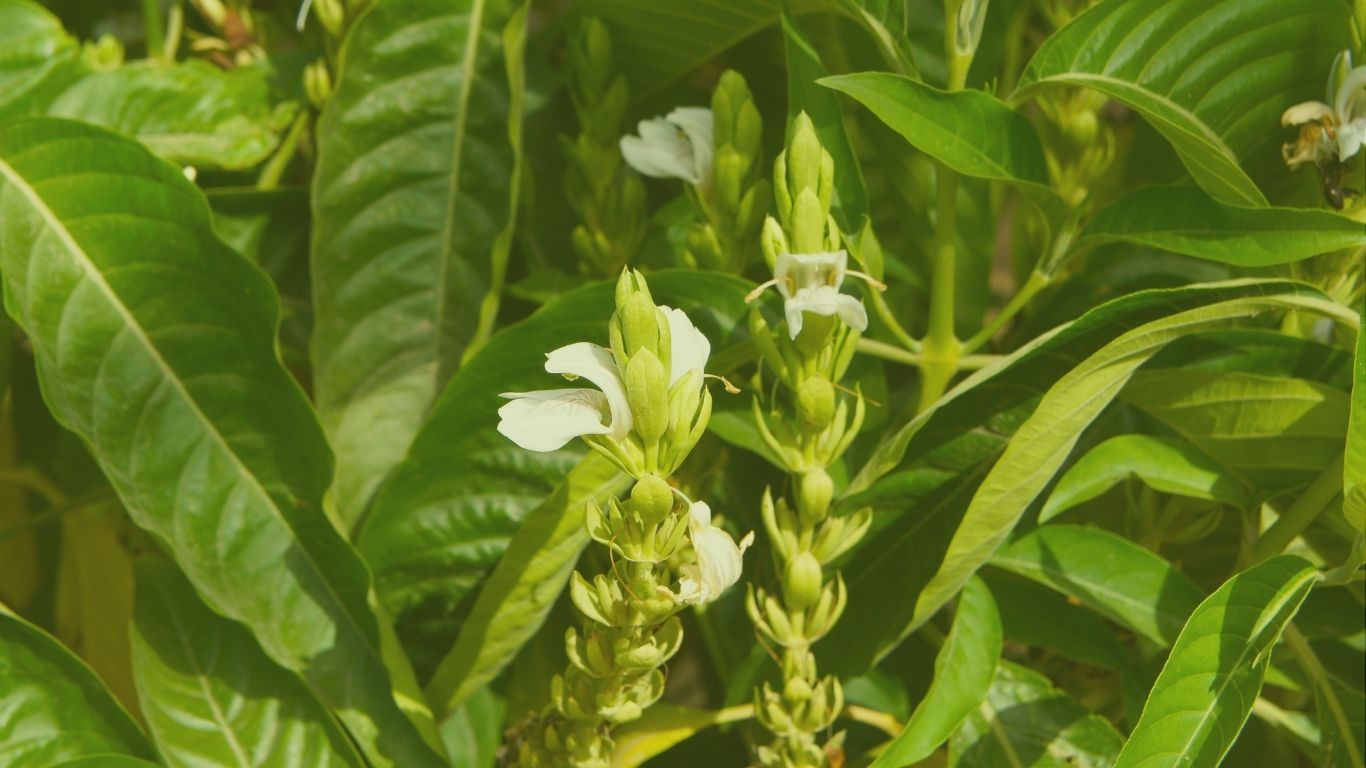
The homeopathic remedy Justicia is prepared from the fresh leaves of the plant Justicia adhatoda (formerly and still widely known as Adhatoda vasica). This evergreen shrub, belonging to the Acanthaceae family, is indigenous to the Indian subcontinent and Southeast Asia. It thrives in the plains and lower Himalayan ranges.
Long before its introduction into homeopathy, the plant, commonly called Vasaka or Malabar Nut, was a cornerstone of Ayurvedic and other indigenous medical systems for thousands of years. Its use was primarily for respiratory conditions: its leaves were boiled to make decoctions for coughs, asthma, and bronchial congestion. The Sanskrit name “Vasaka” itself is thought to be derived from terms implying “to perfume” or “to cleanse,” hinting at its action on the respiratory passages. Its translation into homeopathic practice represents a classic example of the system’s methodology: taking a substance with a known physiological effect and potentizing it to harness a deeper, curative energetic effect.
Extraction and Preparation of Potencies
The preparation of Justicia in homeopathy follows the standard homeopathic pharmacopoeial guidelines. The starting material, or mother tincture, is typically derived from the fresh leaves of the plant. These leaves are cleaned, macerated (crushed), and then subjected to a process of alcoholic extraction to draw out the active phytochemical constituents. This resultant liquid is known as the Ø (phi) or mother tincture.
From this tincture, the various homeopathic potencies are created through a process of serial dilution and succussion (vigorous shaking). This process, central to homeopathy, is believed to imprint the energetic blueprint of the substance onto the diluent (water or alcohol), while eliminating any toxicological effects of the crude material.
Common Potencies and Their Use
Justicia is available in a wide range of potencies, and the selection depends on the acuity of the condition and the individual’s vitality.
-
Lower Potencies (6C, 12C, 30C): These are frequently employed for acute conditions. A 30C potency might be used for a sudden, violent cough that fits the Justicia symptom picture. They may be repeated every few hours during a crisis, with frequency tapering off as improvement sets in.
-
Medium Potencies (200C): Used for more established acute conditions or for subacute flare-ups of a chronic respiratory tendency.
-
Higher Potencies (1M, 10M and above): These are typically reserved for deep-seated, chronic conditions like longstanding bronchial asthma or a chronic cough with a clear Justicia constitution. Their prescription usually falls under the purview of an experienced homeopathic practitioner, as they aim at a constitutional level.
It is crucial to note that self-prescription, especially with higher potencies or for chronic conditions, is not advised. A qualified homeopath makes the selection based on a totality of symptoms, not just the disease name.
The Characteristic Symptom Picture of Justicia
Homeopathy does not prescribe for a disease label but for a unique constellation of symptoms. Justicia has a very clear and pronounced portrait, especially regarding respiratory symptoms.
Key Indications and Uses:
-
Violent, Spasmodic Cough: This is the hallmark of Justicia. The cough is relentless, loud, and explosive. It comes in exhausting paroxysms that shake the entire body. The patient may feel as if their head or chest will burst from the violence of the cough. It is often a dry, hacking cough initially.
-
Profuse, Easy Expectoration: Following the paroxysms, there is often copious expectoration. The mucus is typically thick, tenacious, and yellow or greenish in color. A defining feature is that this phlegm is raised very easily and without much effort once the coughing fit subsides. It may leave a salty taste in the mouth.
-
Chest and Abdominal Strain: Due to the violence of the cough, there is intense soreness and aching in the chest muscles and the abdominal wall. The patient often needs to hold their sides or press their hands against their chest during a fit. A sensation of weakness or emptiness in the chest may follow an episode.
-
Hemoptysis (Coughing of Blood): Justicia is a leading remedy for cough accompanied by bright red blood in the sputum. This aligns with its traditional use and its known effects on the bronchial capillaries.
-
Worse at Night and on Lying Down: Symptoms are often aggravated upon retiring to bed or lying down flat, which can trigger the coughing fits. This can lead to significant sleep deprivation.
-
Associated Sensations: There may be a feeling of constriction or tightness in the chest, as if a band is tied around it. Headaches can accompany the cough, and the face may become flushed or congested during the paroxysm.
-
Specific Conditions: Clinically, it is frequently considered in cases of acute bronchitis, whooping cough (pertussis), chronic bronchial asthma with copious expectoration, and bronchiectasis. It is also thought of in respiratory ailments that follow the suppression of a skin eruption, fitting the homeopathic observation of disease displacement.
Side Effects and Safety Considerations
As a potentized homeopathic medicine, Justicia, when correctly prescribed, is not known to cause pharmacological side effects or drug interactions in the conventional sense. It contains no measurable molecules of the original plant in higher dilutions. However, homeopathic remedies can provoke a “homeopathic aggravation.” This is a temporary, mild intensification of existing symptoms, seen as a sign that the vital force is responding to the correctly chosen remedy. It is short-lived and followed by improvement.
The primary risk lies in incorrect use. Using Justicia for a cough that does not match its specific symptom picture will likely result in no effect, delaying appropriate treatment. For instance, a dry, teasing cough that is worse in the evening (like Rumex) or a cough relieved by drinking cold water (like Causticum) would not respond to Justicia. It is not a general “cough medicine.” Furthermore, symptoms like hemoptysis always warrant immediate conventional medical investigation to rule out serious pathology.
Prevention and Constitutional Approach
In homeopathy, the concept of prevention is deeply linked to strengthening the individual’s constitutional vitality. While Justicia is not typically used as a prophylactic in the way a vaccine is, a well-chosen constitutional remedy can improve overall respiratory resilience, potentially reducing the frequency and severity of acute attacks.
For someone with a recurring pattern of Justicia-type respiratory infections, a homeopath might, after the acute episode is managed with Justicia itself, look for a deeper-acting constitutional remedy (such as Calcarea carbonica, Pulsatilla, or Sulphur) that addresses their underlying susceptibility. This holistic approach aims to prevent recurrence by raising the level of health, rather than by targeting a specific pathogen.
Comparisons with Other Homeopathic Remedies
Distinguishing Justicia from other common respiratory remedies is essential for accurate prescription.
-
vs. Bryonia Alba: Both have chest pain with cough. However, Bryonia has a dry, painful cough that is aggravated by any movement, even deep breathing. The patient is irritable, thirsty, and wants to lie perfectly still. Expectoration, if any, is scanty and rust-colored. Justicia, in contrast, has a wet, productive cough with easy expectoration and violence, not specifically worse by motion.
-
vs. Antimonium Tartaricum: Both have rattling coughs with copious mucus. Antimonium Tart is characterized by great weakness and drowsiness, with lungs seemingly full of phlegm that they are too weak to expel. The cough is feeble. Justicia has a violent, energetic cough with easy raising of phlegm and no marked prostration during the fit.
-
vs. Drosera Rotundifolia: Both are premier remedies for violent, spasmodic coughs, like whooping cough. Drosera has a spasmodic cough that ends in vomiting or retching, and is triggered by a tickling in the larynx. The cough comes on the moment the head touches the pillow. Justicia’s cough is also violent but is more defined by chest-holding and easy expectoration afterward, not necessarily vomiting.
-
vs. Spongia Tosta: Excellent for a dry, barking, croupy cough that sounds like a saw going through wood. There is a sensation of dryness and tightness in the respiratory tract, with little to no expectoration. This contrasts sharply with Justicia’s productive, wet cough.
-
vs. Ipecacuanha: Ipecac presents with a constant nausea that accompanies the cough, and a clean tongue despite nausea. The cough is incessant and can lead to vomiting, but the expectation is not as profuse or colored as in Justicia. The chest seems full of phlegm, but it is not raised easily.
Frequently Asked Questions About Homeopathic Medicine Justicia Adhatoda
1. What is homeopathic Justicia Adhatoda used for?
Homeopathic Justicia Adhatoda is primarily used for acute and chronic respiratory conditions. Its key indications include violent, spasmodic coughing fits, bronchitis (especially with thick yellow or green phlegm), whooping cough (pertussis), bronchial asthma with easy expectoration, and coughs accompanied by hemoptysis (coughing up blood). It is specifically chosen based on a distinct set of symptoms, not just the disease name.
2. How does Justicia differ from over-the-counter cough syrups?
Conventional cough syrups often work by suppressing the cough reflex or loosening mucus (expectorant action) through biochemical means. Homeopathic Justicia does not suppress symptoms. Instead, it is selected to stimulate the body’s self-healing response based on the “law of similars.” It is prescribed for a very specific pattern of cough—violent, shaking, with easy raising of copious colored phlegm—with the goal of resolving the underlying imbalance causing the symptoms.
3. What are the most common potencies of Justicia and how often should I take it?
For acute, sudden coughs, lower potencies like 6C, 12C, or 30C are commonly used. A typical acute dosing might be 2-3 pellets every 2-4 hours during intense symptoms, reducing frequency as improvement occurs. For more chronic or severe conditions, potencies like 200C or 1M may be prescribed by a practitioner, taken less frequently. Always follow the dosage instructions provided by your homeopath or on the product label, and cease dosing once clear improvement is seen.
4. Are there any side effects or risks?
As a highly diluted homeopathic preparation, Justicia is generally considered safe and non-toxic. It is not known to cause pharmacological side effects or drug interactions. However, a temporary homeopathic aggravation—a slight, short-lived intensification of existing symptoms—can occasionally occur, which is seen as a positive sign of the body responding. The main risk is misusing it for a cough that does not match its symptom picture, leading to a delay in effective treatment. Serious symptoms like coughing blood require immediate medical evaluation.
5. Can I take Justicia alongside my conventional asthma or allergy medications?
Yes, homeopathic Justicia can generally be taken concurrently with conventional medications, as it works on a different principle and does not interfere chemically. However, you should never discontinue or alter your prescribed medication without consulting your doctor. Inform both your physician and your homeopath about all the treatments you are using so they can provide coordinated care.
6. How quickly can I expect to see results?
In acute conditions like a sudden bout of bronchitis, well-selected Justicia can sometimes produce noticeable relief within hours, particularly in the intensity and frequency of coughing fits. For longer-standing chronic conditions, the response may be more gradual. If no improvement is seen after a reasonable period (24-48 hours for acute issues) or if symptoms worsen, stop the remedy and consult a professional.
7. Can Justicia be used for children?
Yes, Justicia is often considered a valuable remedy for children’s coughs, particularly the violent, spasmodic type seen in whooping cough or severe bronchitis. The same symptom picture applies: a loud, exhausting cough that shakes the child, with easy expectoration of thick mucus. Potencies for children are typically the same (e.g., 30C), but dosing frequency may be adjusted. It is advisable to consult a homeopathic practitioner for pediatric use.
8. Can I use Justicia for prevention during cold and flu season?
Justicia is not typically used as a broad preventive measure. Homeopathic prophylaxis usually involves a different approach, such as a genus epidemicus remedy for a specific flu or a constitutional remedy to strengthen overall vitality. Justicia is a therapeutic remedy meant to treat an active, presenting symptom picture that matches its profile.
9. What makes a cough a “Justicia cough”?
The classic “Justicia cough” has three key features: Violence (paroxysms are explosive and shake the whole body), Easy Expectoration (large amounts of yellow/green phlegm are raised without great effort after the fit), and Chest Strain (pain or soreness from the muscular effort). It is often worse when lying down at night.
10. How do I choose between Justicia and other common cough remedies like Bryonia or Drosera?
The choice depends on subtle but critical symptom differences:
-
Justicia: Wet cough, easy phlegm, chest soreness from coughing.
-
Bryonia: Extremely dry, painful cough; patient is irritable, thirsty, and must stay still; worse from any motion.
-
Drosera: Spasmodic, choking cough that ends in vomiting or gagging; triggered by a tickle in the throat.
If your symptoms don’t closely match Justicia’s specific portrait, another remedy will likely be more effective. Consulting a homeopathic materia medica or a practitioner is best for differentiation.
Conclusion
Justicia adhatoda stands as a testament to the bridge between traditional wisdom and homeopathic refinement. From the Ayurvedic groves to the homeopath’s pharmacy, it has retained its identity as a powerful respiratory cleanser. Its value lies not in a blanket treatment for all coughs, but in its precise application to a specific, intense, and exhausting pattern of respiratory distress characterized by violence, easy expectoration, and chest strain. As with all homeopathic medicines, its power is unlocked not by the diagnosis alone, but by the careful, individualized matching of the patient’s unique suffering to the remedy’s distinct symptom signature. When this match is achieved, Justicia can provide profound relief, turning a night of wrenching coughs into one of restorative rest, affirming homeopathy’s gentle yet potent healing potential.