Table of Contents
ToggleExploring Homeopathic Medicine Nux Vomica: The Renaissance Remedy for Modern Maladies
In the bustling world of homeopathic medicine, few remedies hold as prominent and well-defined a place as Nux vomica. Often considered the quintessential prescription for the ailments of contemporary life, this potent substance, derived from the seeds of the Strychnos nux-vomica tree, embodies a fascinating paradox. It is a powerful poison in its crude form and a profoundly restorative healing agent in its homeopathically prepared state. Its story is one of ancient origins, meticulous preparation, and a unique symptom picture that mirrors the stresses of our fast-paced existence.
Origin and Botanical Profile
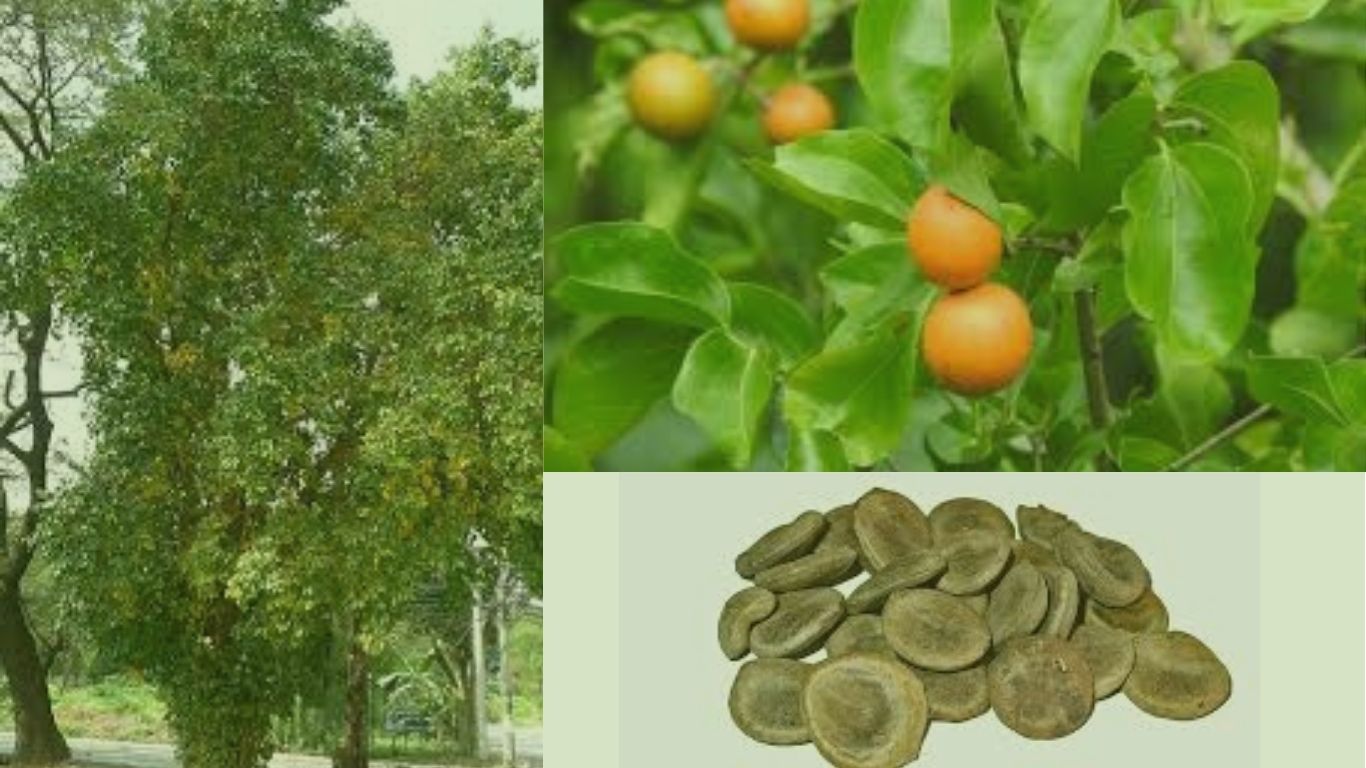
Nux vomica’s journey begins in the tropical forests of Southeast Asia and Northern Australia. Its source is the Strychnos nux-vomica, an evergreen tree that bears orange-like fruits. Within these fruits lie disk-shaped seeds, grey and horny in appearance, which are the raw material for the remedy. These seeds are notoriously toxic, containing two powerful alkaloids: strychnine and brucine. Historically, crude extracts were used in minute doses in traditional practices for various complaints, but their primary notoriety came from their use as a rodent poison. The name itself is telling: “nux” meaning nut, and “vomica” referring to its emetic properties. It was the pioneering work of Samuel Hahnemann, the founder of homeopathy, who, through his rigorous process of proving (testing substances on healthy individuals to ascertain their healing properties), unlocked its therapeutic potential. He discovered that when prepared according to homeopathic principles, the very qualities that caused toxicity could be harnessed to treat a specific set of physical and psychological symptoms.
Extraction and Preparation: The Alchemy of Potentization
The transformation of Nux vomica from a dangerous botanical to a safe, dynamic medicine is achieved through the homeopathic process of potentization. This method is fundamental to homeopathy and involves sequential dilution and succussion (vigorous shaking).
The initial substance, the nux vomica seed, is dried and ground into a coarse powder. This powder is then soaked in alcohol to create a mother tincture, which extracts the essential qualities of the plant. From this tincture, the potentization process begins. For centesimal (C) potencies, one drop of the mother tincture is diluted with 99 drops of a water-alcohol mixture and succussed vigorously. This yields a 1C potency. One drop of this 1C is then diluted again with 99 drops of diluent and succussed to create a 2C potency, and so on. Decimal (X or D) potencies follow a 1:10 ratio. This process is repeated dozens, hundreds, or even thousands of times to produce the various potencies available.
Critically, and often misunderstood, is that homeopathy posits that this serial dilution and succussion does not merely weaken the substance but potentizes it—releasing and imprinting the energetic or informational blueprint of the original substance into the solution. The final remedies contain little to no measurable molecules of the original seed, operating on a principle of bio-informational stimulation rather than biochemical action. This renders the medicine entirely non-toxic, while theoretically enhancing its therapeutic reach.
The Spectrum of Potencies and Their Application
Nux vomica is available across the entire range of homeopathic potencies, each suited to different situations. Lower potencies, such as 6C, 12C, or 30C, are most commonly used for acute, physical symptoms. A 30C potency might be taken for a hangover, acute indigestion, or a cold coming on after exposure to cold, dry wind. These are typically repeated several times a day for short periods.
Medium potencies (200C) are often employed for more established conditions or when the emotional and mental components are clearer. They may be used for recurring digestive issues linked to stress or for breaking the cycle of insomnia in a driven individual.
High potencies (1M, 10M and above) are reserved for deep-seated, chronic conditions where the entire constitutional picture of the patient—their physical generals, mental-emotional state, and peculiar symptoms—closely matches the “Nux vomica constitution.” These are prescribed by experienced practitioners and are usually given as single, infrequent doses due to their profound and long-acting nature.
The Nux Vomica Symptom Picture: A Portrait of the Modern Overachiever
Understanding Nux vomica is to understand a specific personality and reactivity type. The remedy is famously associated with the “Type A” personality. The archetypal Nux patient is a high-achiever: ambitious, competitive, diligent, and impatient. They are often a workaholic, driven by deadlines and a desire for success, who pushes themselves relentlessly. This constant stress and overindulgence in mental work, stimulants (coffee, alcohol, rich food), and lack of sleep create a state of acute sensitivity and irritability.
Mental-Emotional Symptoms: The keynote is irritability. They are easily angered, fault-finding, and intolerant of contradiction or delay. They can be highly critical, both of themselves and others. Despite being overtired, their mind remains racing, preventing restful sleep. They often wake at 3 or 4 a.m. with mental churn, only to feel wretched a few hours later when the alarm sounds. There is a peculiar contradiction: they are hypersensitive to noise, light, odors, and even music, yet they desire strong stimulants to keep going.
Physical Symptoms: The physical symptoms often stem from the mental stress and dietary indiscretions.
-
Digestive: This is a primary sphere of action. Nux is the remedy for “the morning after.” Symptoms include nausea, heartburn, sour burping, bloating, and a feeling of weight or cramping in the stomach—especially after overeating or excessive drinking. There is a constant, ineffectual urge to pass stool, feeling as if not finished. Constipation with frequent, incomplete urges is classic.
-
Colds & Flu: They catch colds easily from dry, cold wind. The cold settles in the nose, which is runny during the day but blocked at night. They are extremely chilly and cannot uncover.
-
Headaches: Typically a crushing, bursting headache, as if a nail were driven into the skull, often from mental overexertion, hangovers, or overeating. The headache is worse in the morning and from light and noise.
-
Sleep: As described, sleep is unrefreshing. They fall asleep easily but wake in the wee hours with active thoughts, then struggle to wake up in the morning, feeling irritable and unwell.
Primary Uses and Therapeutic Applications
In practice, Nux vomica is a first-aid staple and a key constitutional remedy.
-
Acute Indigestion and Hangovers: It is the premier remedy for ailments caused by excess—too much food, alcohol, spice, or coffee. It helps the body process and recover from these insults.
-
Irritable Bowel Syndrome (IBS) and Constipation: Particularly where symptoms are aggravated by stress, anger, and a sedentary lifestyle with rich diet. The ineffectual urging is a strong indicator.
-
Stress-Related Insomnia: For the individual who cannot “switch off” their mind, waking alert and anxious in the middle of the night.
-
Tension Headaches and Migraines: When linked to stress, overwork, or digestive upset.
-
Colds and Coughs: For colds with a stuffed-up feeling at night and watery discharge by day, accompanied by great chilliness and irritability.
-
Constitutional Treatment: For individuals whose lifelong pattern of reactivity matches the Nux picture—tense, driven, and prone to digestive and stress-related disorders.
Side Effects and Safety Considerations
As a homeopathically prepared medicine, Nux vomica in potencies is generally considered safe and non-toxic, with no risk of chemical poisoning from strychnine. There are no known drug interactions in the conventional sense. However, homeopathic medicines can produce a homeopathic aggravation. This is a temporary, mild intensification of existing symptoms following a dose, seen as a sign that the vital force is responding to the correctly matched remedy. Such aggravations are short-lived and are often followed by improvement. An incorrect prescription may simply fail to act or, in rare cases, produce new symptoms not belonging to the remedy picture. It is always prudent to consult a qualified homeopathic practitioner for chronic or serious conditions, and never to delay conventional medical diagnosis and treatment when needed.
Prevention and the Lifestyle Connection
The philosophy surrounding Nux vomica inherently points toward prevention. Since the remedy state is often induced or exacerbated by a lifestyle of excess, stress, and poor self-care, preventive measures are straightforward: moderation. For the Nux-prone individual, prevention involves cultivating balance—ensuring adequate sleep, managing work hours, incorporating relaxation and gentle exercise, and moderating the intake of stimulants, rich foods, and alcohol. Nux vomica, in a sense, acts as a corrective, helping the individual return to equilibrium, but maintaining health requires conscious choices to avoid re-creating the conditions that necessitated the remedy.
Comparisons with Other Key Remedies
Distinguishing Nux vomica from similar remedies is crucial for accurate prescription.
-
vs. Lycopodium: Both are used for digestive issues and irritability. However, the Lycopodium patient lacks the driving intensity of Nux. They have less confidence, fear new challenges, and their digestive symptoms (severe bloating, gas) are typically worse in the late afternoon. Their irritability is often shown at home, while they may be publicly affable.
-
vs. Arsenicum Album: Both are chilly, restless, and perfectionistic. Arsenicum anxiety, however, is profound, centered on health and security, with a fear of death and a need for order. Their digestive issues involve burning pains and vomiting/diarrhea that lead to exhaustion, unlike the constipated, congested state of Nux. Arsenicum is more anxious and weak; Nux is more angry and tense.
-
vs. Sulphur: The Sulphur intellectual is also philosophical and irritable but is typically less disciplined and more untidy (the “ragged philosopher”). They are warm-blooded, hate bathing, and have a characteristic 11 a.m. hunger. Their ailments are more chronic and metabolic, lacking the acute, stress-induced nature of many Nux complaints.
-
vs. Pulsatilla: For digestive upset from rich food, Pulsatilla is also indicated. But the Pulsatilla temperament is soft, weepy, clingy, and changeable, craving sympathy and open air. They are the opposite of the irritable, closed-up, chilly Nux patient.
Frequently Asked Questions About Homeopathic Medicine Nux Vomica
1. What is Nux vomica used for most commonly?
Nux vomica is most commonly used for ailments stemming from overindulgence and stress. This includes hangovers, indigestion from rich food or alcohol, heartburn, bloating, and constipation (especially with a frequent, ineffective urge to go). It’s also a leading remedy for stress-related insomnia, where you fall asleep easily but wake up around 3-4 a.m. with a racing mind, and for tension headaches brought on by overwork.
2. What kind of person benefits from Nux vomica?
The classic Nux vomica patient is often a “Type A” personality. They are typically ambitious, competitive, diligent, and impatient. They may be workaholics who thrive under pressure but are prone to irritability, sensitivity to noise and light, and a general “wired and tired” feeling. They often rely on stimulants like coffee to keep going and may be critical and easily angered when stressed.
3. Is Nux vomica safe? Does it contain strychnine?
In its homeopathic form, Nux vomica is prepared through a process of serial dilution and potentization. While derived from the strychnos seed which contains strychnine, the final potentized remedy contains little to no measurable molecules of the original substance. It is considered non-toxic and safe when used according to homeopathic principles. However, it should be sourced from reputable homeopathic pharmacies.
4. What potencies are available, and which one should I use?
Nux vomica is available in various potencies like 6C, 12C, 30C, 200C, and 1M.
-
For acute issues (hangover, sudden indigestion, a cold): Lower potencies like 6C, 12C, or 30C are commonly used, often repeated a few times over a short period.
-
For chronic or constitutional issues that match the full Nux personality, higher potencies like 200C or 1M may be prescribed by a homeopath. These are typically taken as a single dose or infrequently. For self-care of acute conditions, starting with a 30C potency is generally recommended.
5. How do I take Nux vomica? Are there any specific instructions?
Standard homeopathic administration applies: take the pellets or liquid on a clean tongue, ideally 15-20 minutes before or after eating, drinking, or brushing your teeth. Avoid strong flavors like mint or coffee immediately before or after. For acute situations, you might take a dose every 1-2 hours for a few doses, stopping as soon as improvement begins.
6. Can Nux vomica be taken with other medications?
Homeopathic medicines are not known to interfere with conventional pharmaceutical drugs in a biochemical way. They operate on a different principle. However, it is always crucial to inform all your healthcare providers about every remedy and supplement you are taking. Do not stop any prescribed medication without consulting your doctor.
7. What are the side effects?
A correctly chosen homeopathic remedy in potency is not known to have toxic side effects. However, a homeopathic aggravation is possible. This is a temporary, mild worsening of existing symptoms, often seen as a sign the remedy is acting. It usually passes quickly. If new or strong symptoms appear, or if there is no improvement after a reasonable time, stop the remedy and consult a practitioner.
8. How is Nux vomica different from over-the-counter antacids or pain relievers?
Antacids and analgesics work biochemically to suppress symptoms like stomach acid or pain signals. Nux vomica is selected based on the totality of your symptoms—physical and emotional—with the aim of stimulating the body’s self-healing response. For example, it wouldn’t just target heartburn but would be chosen for heartburn in an irritable, stressed person who got it from overeating.
9. Can I take Nux vomica for long-term stress?
While it can be profoundly helpful for acute stress reactions and their physical consequences, long-term or constitutional use of Nux vomica should be guided by a qualified homeopathic practitioner. They can assess if your overall health picture matches the remedy and prescribe the appropriate potency and dosing schedule for deep-acting, chronic treatment.
10. How does Nux vomica compare to other remedies for digestion, like Carbo vegetabilis or Pulsatilla?
-
Nux vomica: Indigestion with irritability, fullness, and nausea after overindulgence. Constipation with constant urging.
-
Carbo vegetabilis: For sluggish digestion with extreme bloating, gas, and a feeling of heaviness. The person feels weak and cold but desires moving air.
-
Pulsatilla: Indigestion from fatty, rich foods (like Nux), but the person is weepy, gentle, craves sympathy, feels worse in a stuffy room, and is without the sharp irritability of Nux.
11. Is it suitable for children?
Yes, but the key is the symptom match. A child who might benefit from Nux vomica is often very irritable, easily frustrated, competitive, and may get stomachaches or constipation from excitement or overstimulation. Potencies should be chosen carefully, often starting with low potencies like 12C or 30C.
12. Where can I buy Nux vomica?
It is widely available in health food stores, pharmacies with a homeopathic section, and from online retailers specializing in homeopathic medicines. Ensure you purchase from a reputable brand.
Conclusion
Nux vomica stands as a pillar of homeopathic practice, a remedy whose origin story from deadly seed to healing agent encapsulates the core principles of homeopathy. Its detailed symptom profile paints a vivid portrait of the ailments of modern civilization—stress, overwork, indulgence, and hypersensitivity. It teaches a lesson in balance, offering a therapeutic tool not just to alleviate acute suffering from excess, but to nudge a particular constitutional type back towards its center. Whether used in a low potency for a holiday feast’s aftermath or as a high-potency constitutional prescription for a lifelong pattern, Nux vomica’s value lies in its precise mirroring of a state of being that is all too common. In its careful application, we see homeopathy’s goal: not merely to suppress symptoms, but to stimulate a profound and holistic return to health.