Table of Contents
ToggleThe Root of the Issue: A Comprehensive Guide to Homeopathic Medicines for Hair Problems
Hair is more than just a biological feature; it is a symbol of identity, health, and vitality. When our hair thrives, we often feel more confident. Conversely, when it begins to thin, fall, or lose its luster, it can be a source of significant distress. Hair problems are pervasive, affecting millions worldwide, and their causes are as varied as their manifestations. Understanding these issues—from their subtle symptoms to their profound effects—is the first step toward effective management. This article delves into the intricate world of hair health, exploring common problems, their underlying causes, and a detailed look at the principles of homeopathic treatment alongside preventive strategies.
Common Hair Problems and Their Symptoms
Hair disorders present in numerous ways, each with a distinct set of symptoms.
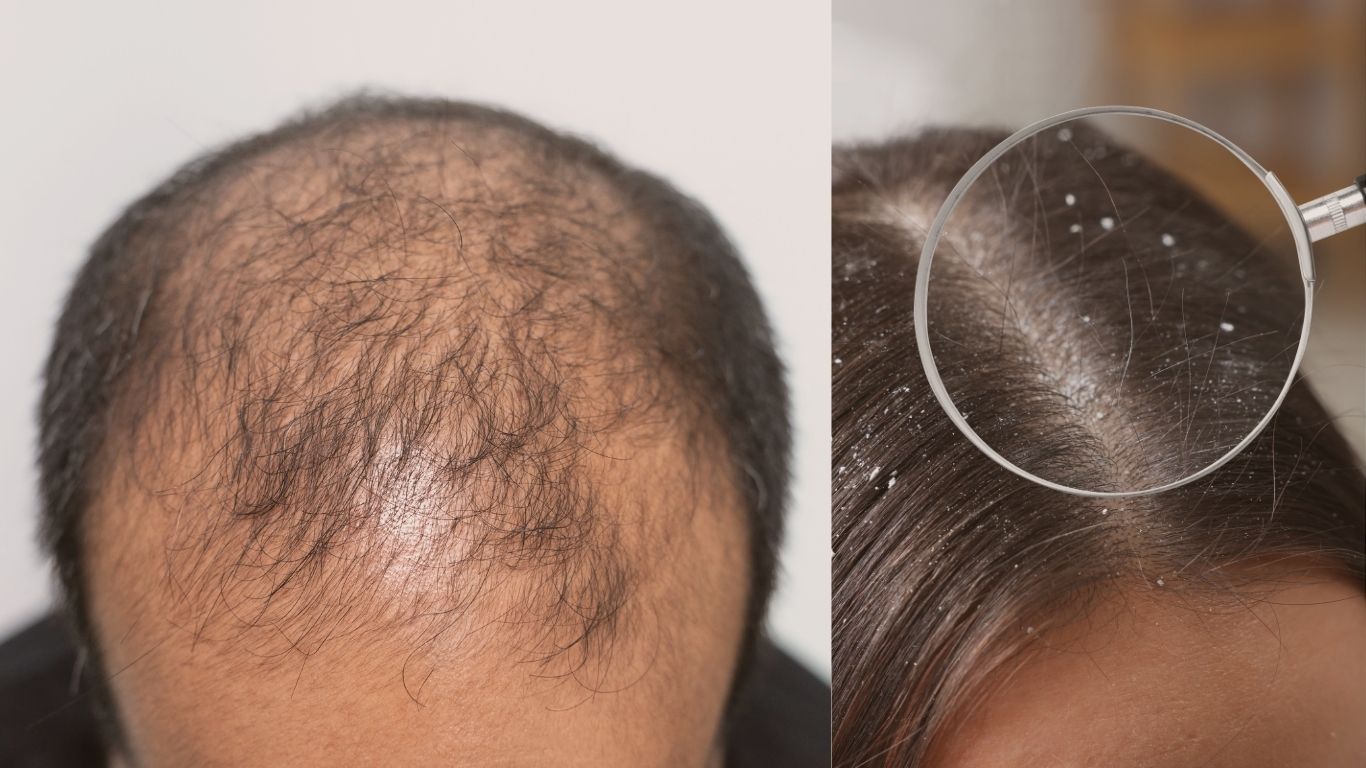
Hair Loss (Alopecia): This is the most prevalent concern. It ranges from gradual thinning (androgenetic alopecia, common in both men and women) to sudden, patchy loss (alopecia areata). Symptoms include an increasing amount of hair on pillows, in shower drains, or on brushes, a widening part, or clearly defined bald spots.
Dandruff and Scalp Flaking: Characterized by white or yellowish flakes on the scalp and shoulders, often accompanied by itching and redness. Severe dandruff can evolve into seborrheic dermatitis, presenting with greasy, inflamed patches.
Premature Greying: The loss of pigment in hair strands before the age of 30 in Caucasians and before 40 in people of African descent. Stress and nutritional deficiencies are often implicated alongside genetics.
Dry, Brittle, and Frizzy Hair: Hair that lacks moisture and shine, breaks easily, and is difficult to manage. It often feels coarse to the touch and is prone to split ends (trichoptilosis).
Oily Hair and Scalp: An overproduction of sebum from the scalp glands, making hair look greasy and limp shortly after washing. It can create an environment conducive to fungal infections and dandruff.
Scalp Conditions: This includes psoriasis (red, scaly, itchy patches), folliculitis (inflamed hair follicles, often from bacterial infection), and scalp acne. Symptoms are visible inflammation, tenderness, and sometimes pustules.
Unraveling the Causes: From Internal Imbalance to External Assault
Hair problems are rarely isolated events; they are frequently signs of internal disharmony or external damage.
Internal & Systemic Causes:
-
Genetics: A major player in pattern baldness and premature greying.
-
Hormonal Fluctuations: Thyroid disorders (both hypo- and hyperthyroidism), pregnancy, childbirth, menopause, and conditions like Polycystic Ovary Syndrome (PCOS) can dramatically alter hair growth cycles.
-
Nutritional Deficiencies: Iron deficiency (a leading cause of hair loss in women), along with low levels of vitamin D, B12, zinc, and protein, directly impair hair follicle function.
-
Chronic Stress: Physical or emotional stress can trigger telogen effluvium, pushing a large percentage of hair follicles into a premature resting and shedding phase.
-
Autoimmune Diseases: Alopecia areata is an autoimmune condition where the body attacks its own hair follicles.
-
Medications: Drugs for cancer (chemotherapy), arthritis, depression, heart problems, and gout can have hair loss as a side effect.
-
Chronic Illness: Underlying conditions like lupus, diabetes, and inflammatory bowel disease can manifest through hair changes.
External & Environmental Causes:
-
Chemical Overprocessing: Frequent use of harsh hair dyes, bleaches, perms, and relaxers weakens the hair shaft, leading to breakage.
-
Heat Styling: Regular use of blow dryers, straighteners, and curling irons without heat protection causes dehydration and structural damage.
-
Physical Trauma: Traction alopecia results from hairstyles that pull tightly on the roots (e.g., tight ponytails, braids, cornrows).
-
Poor Hair Care Habits: Aggressive brushing, towel-drying with friction, and using low-quality, sulfateladen shampoos that strip natural oils.
-
Environmental Factors: Sun exposure (UV damage), pollution, hard water (mineral buildup), and chlorinated swimming pool water.
The Ripple Effect: Beyond the Scalp
The impact of hair problems extends far beyond the physical. The psychological and social effects can be profound. Hair is intimately tied to self-image; its loss or deterioration can lead to a significant decline in self-esteem and body confidence. Many individuals experience anxiety, social withdrawal, and even depression. In some cases, it can affect professional and personal interactions, as the individual may feel constantly judged or unattractive. The financial burden of seeking treatments—from topical solutions and supplements to surgical procedures—can add further stress.
Foundational Prevention: Building a Pillar of Hair Health
Prevention is rooted in nurturing hair from the inside out and adopting gentle external practices.
Nutritional Cornerstones: A diet rich in iron (leafy greens, lentils), omega-3 fatty acids (fatty fish, walnuts), protein (eggs, lean meat, legumes), and antioxidants (berries, nuts) is essential. Staying hydrated is crucial for scalp and hair moisture.
Stress Management: Incorporating practices like yoga, meditation, regular exercise, and adequate sleep (7-8 hours) helps regulate cortisol levels, which can disrupt the hair growth cycle.
Gentle Hair Care Regimen:
-
Use a mild, pH-balanced shampoo suitable for your scalp type.
-
Condition regularly, focusing on the ends.
-
Limit heat styling; when used, always apply a heat-protectant spray.
-
Detangle with a wide-tooth comb on wet hair, starting from the ends.
-
Avoid tight hairstyles and change your part regularly.
-
Protect hair from the sun with hats or UV-protectant products.
-
Get regular trims to prevent split ends from traveling up the shaft.
Scalp Care: Treat your scalp like the skin on your face. Gentle massage increases blood circulation. Occasional exfoliation with a soft brush or gentle scrub can remove buildup.
The Homeopathic Approach: Treating the Individual, Not Just the Hair
Homeopathy offers a distinct, holistic paradigm for treating hair problems. It operates on the principle of “like cures like” and individualization. A homeopath does not merely prescribe for “hair loss”; they seek to understand the unique pattern of symptoms, the patient’s overall constitution, and the root cause of the imbalance.
Core Principles in Hair Treatment:
-
Individualization: Two people with identical hair loss may receive completely different remedies based on their associated symptoms, temperament, and triggers.
-
Addressing the Root Cause: Homeopathy aims to correct the underlying systemic or hormonal dysfunction—be it stress, hormonal imbalance, or a nutritional assimilation issue—that is manifesting as a hair problem.
-
Holistic View: Mental and emotional states (grief, anxiety, shock) are considered vital to the prescription.
Common Homeopathic Remedies and Their Indications:
Here is a look at some frequently used remedies, illustrating the detailed symptom-matching process:
-
Lycopodium Clavatum: Often indicated for premature greying and baldness, especially beginning on the vertex (crown) or temples. Suited to individuals who may suffer from digestive issues like gas and bloating and often have strong anxiety about performance.
-
Phosphoric Acidum: A premier remedy for hair loss following grief, shock, or prolonged mental exhaustion. The hair may fall out in handfuls, and the person often feels apathetic, indifferent, and weak.
-
Silicea (Silica): For dry, brittle, slow-growing hair that splits easily. The scalp may be sensitive, prone to infections, and sweat excessively, especially on the feet. Suits individuals who are often timid, refined, and prone to suppurative conditions (e.g., boils).
-
Graphites: Useful for hair loss in conjunction with unhealthy scalp skin—moist, oozing, crusty eczema behind the ears or on the scalp. The hair itself may be dry and coarse.
-
Vinca Minor: A specific remedy for alopecia areata, where hair falls out in spots, sometimes replaced by white hair. Also indicated for severe dandruff with intense itching.
-
Sepia: Frequently used for hormonal hair loss related to menopause, postpartum periods, or PCOS. There may be bearing-down sensations, irritability, and indifference to family. The hair may be oily at the roots but dry elsewhere.
-
Natrum Muriaticum: For hair loss due to grief, disappointment, or chronic stress. Often, the hair is greasy, especially at the roots, and dandruff may be present. The individual is typically reserved, holds grudges, and may crave salt.
-
Fluoricum Acidum: Indicated for rapid hair loss where the hair is dry, brittle, and tangles easily. It is also a key remedy for alopecia areata.
The Consultation and Process: A homeopathic consultation is detailed, exploring the hair complaint, general health, medical history, food preferences, sleep patterns, and emotional temperament. The remedy, often in highly diluted potencies, is then selected. The treatment is dynamic; responses are monitored, and remedies may be changed as the patient’s condition evolves. It is crucial to consult with a qualified, professional homeopath who can make an accurate prescription. Homeopathy is generally safe and can be used alongside conventional care, but a practitioner should always be informed of all treatments being undertaken.
Important Considerations: Homeopathy is not a quick fix. It requires patience, as the body’s healing response is encouraged from within. An initial aggravation of symptoms, though usually mild and temporary, is sometimes seen as part of the healing process. Consistency and follow-up with the homeopath are vital for success.
Frequently Asked Questions (FAQs) About Homeopathic Medicines for Hair Problems
Q1: How does homeopathy treat hair loss differently from conventional medicine?
A: Conventional treatments often focus on the symptom (hair loss) using topical applications like minoxidil or oral medications like finasteride, which target specific hormonal pathways. Homeopathy, in contrast, takes a holistic, individualized approach. A homeopath seeks to identify and treat the underlying root cause—such as chronic stress, hormonal imbalance, nutritional malabsorption, or a past illness—that is manifesting as hair loss. The goal is to stimulate the body’s inherent healing response to restore balance, thereby addressing the hair problem from within.
Q2: Is homeopathic treatment effective for genetic hair loss (androgenetic alopecia)?
A: While homeopathy cannot alter your genetic code, it can be highly effective in managing the condition. The aim is to slow down the progression of hair loss, strengthen the existing hair, improve hair quality, and delay the onset of pattern baldness. By optimizing overall health, improving scalp circulation, and balancing hormonal activity to the extent possible, homeopathy can offer significant supportive management, even for hereditary conditions. Many patients report reduced shedding and improved hair density.
Q3: How long does it take to see results with homeopathic treatment for hair issues?
A: Patience is key. Hair has a slow growth cycle (often 2-6 months from follicle to visible strand), so any systemic treatment requires time. Initial changes, like a reduction in excessive hair fall or decreased scalp itching, may be noticed within 4-8 weeks. Visible signs of new hair growth or significant thickening typically take 6 months to a year or more, depending on the chronicity and cause of the problem. Consistency with the prescribed remedy and follow-ups is crucial.
Q4: Can I use homeopathic medicines along with my regular hair oils, shampoos, or even conventional treatments?
A: Generally, yes. Homeopathic medicines are non-invasive and do not typically interact chemically with other substances. You can usually continue your external hair care routine. However, it is vitally important to inform your homeopath about all medications and topical treatments you are using. Some strong topical applications (like those with potent steroids or chemicals) might influence the case’s presentation. A qualified homeopath will guide you on the best integrative approach.
Q5: Are there any dietary or lifestyle restrictions while taking homeopathic medicine for hair?
A: Traditionally, homeopaths advise avoiding substances that might antidote or interfere with the remedy’s action. Common recommendations include avoiding coffee, camphor (found in some balms and inhalers), and strong menthol products. Your homeopath will give you specific guidelines. Furthermore, since diet is central to hair health, they will likely suggest nutritional support—such as increasing iron or protein intake—as a complementary part of your treatment plan.
Q6: I have severe dandruff and hair loss. Will I get one medicine for both?
A: Yes, that is the strength of homeopathic individualization. A homeopath does not prescribe separate medicines for separate symptoms. They select a single, constitutional remedy that matches your entire symptom picture—which includes your dandruff (its type, itch, appearance), your hair loss pattern, along with your general health, temperament, and likes/dislikes. The correct single remedy is intended to address all your related issues by correcting the core imbalance.
Q7: Is homeopathic treatment safe for hair loss after pregnancy or during menopause?
A: Absolutely. Homeopathy is exceptionally safe and well-suited for hair problems related to hormonal transitions like postpartum period or menopause. Remedies like Sepia or Pulsatilla are often considered, but only if they match the individual’s unique set of symptoms. It is a gentle, non-hormonal way to help the body adapt to changing hormone levels, thereby reducing associated hair fall and promoting regrowth.
Q8: What happens during a homeopathic consultation for a hair problem?
A: The consultation is comprehensive and detailed. Expect to spend 45-90 minutes. The homeopath will ask not only about your hair (texture, fall pattern, scalp condition) but also about your medical history, digestion, sleep patterns, stress levels, menstrual cycle, food cravings, and your emotional response to stress or illness. This complete picture allows them to find the remedy that fits you as a whole person, not just your hair diagnosis.
Q9: Can homeopathy treat alopecia areata (patchy hair loss)?
A: Yes, homeopathy has a good record in managing alopecia areata, an autoimmune condition. Remedies like Vinca Minor, Fluoricum Acidum, and Phosphorus are often used, but the prescription depends entirely on the individual’s symptoms. The treatment aims to modulate the immune response, reduce the autoimmune attack on hair follicles, and stimulate regrowth. Success rates vary, but many cases show significant improvement or complete regrowth.
Q10: Do homeopathic medicines have any side effects for hair treatment?
A: Homeopathic medicines in potencies commonly used for chronic conditions are highly diluted and non-toxic, with no direct side effects like those associated with conventional drugs. Occasionally, a patient may experience a brief, mild “aggravation” of symptoms—a temporary increase in itching or shedding—which is often seen as a positive sign that the remedy is initiating a healing response. This is always monitored by your homeopath, who can adjust the potency or remedy if needed.
Conclusion
Hair problems are complex signals from our body. A successful approach to restoring hair health demands a multi-faceted strategy that combines diligent preventive care, addressing nutritional and lifestyle factors, and, for many, considering holistic modalities like homeopathy that seek to restore balance at the deepest level. By listening to these signals and responding with a comprehensive, patient, and individualized plan, the journey toward healthier hair can also become a journey toward greater overall well-being.













2 thoughts on “Homeopathic Medicines for Hair Problems”