Table of Contents
ToggleUnderstanding Hirsutism: A Comprehensive Guide to Symptoms, Causes, Effects, Prevention, and Homeopathic Remedies for Hirsutism (Unwanted Hair Growth)
What is Hirsutism?
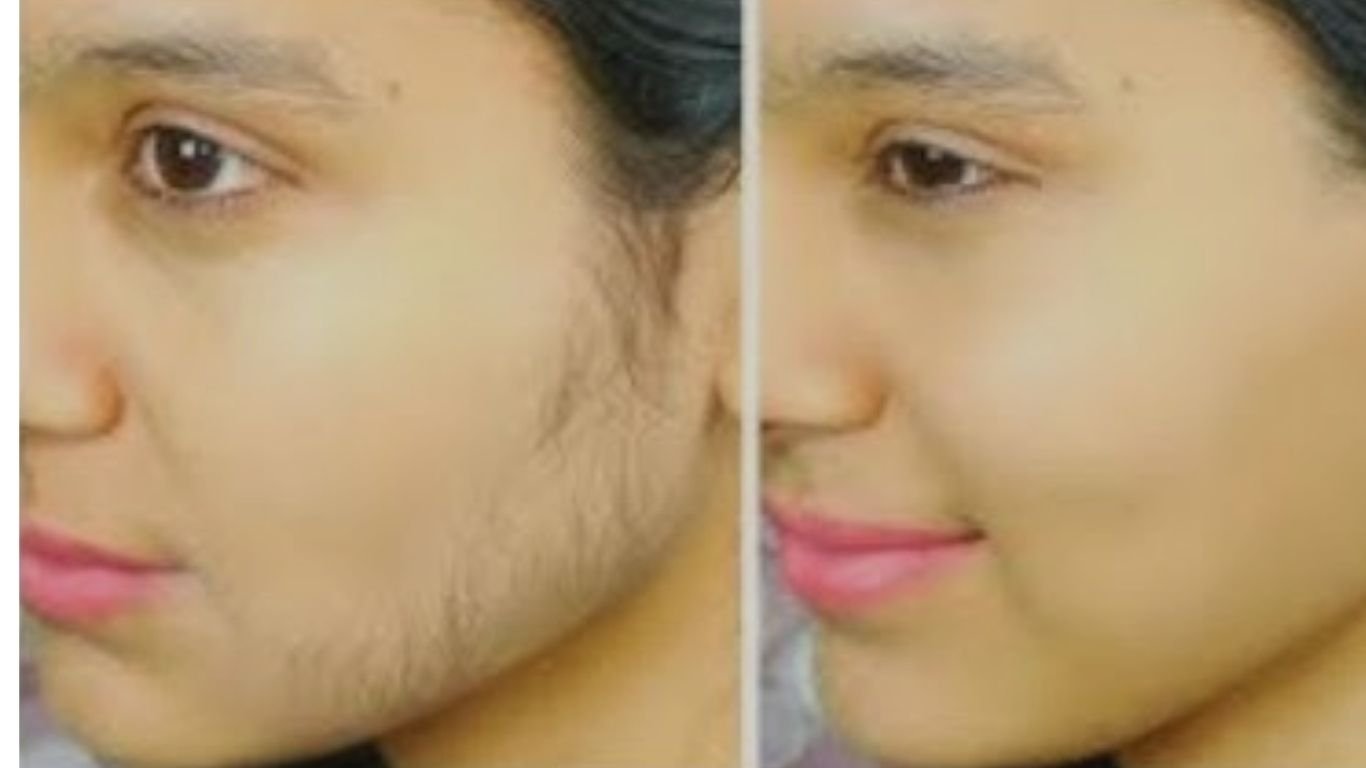
Hirsutism is a medical condition affecting women and people assigned female at birth, defined by excessive hair growth that follows a male-pattern distribution. This means that hair appears in locations such as the upper lip, chin, chest, lower abdomen, and back—areas where women typically have fine, light, and sparse hair or none at all. The hair associated with hirsutism is terminal hair, which is coarse, pigmented, and thick, as opposed to the fine, downy vellus hair that covers most of the body. This distinction is important because terminal hair growth in these specific areas is driven by androgens, the so-called male hormones that are present in smaller amounts in women. The severity of hirsutism can vary widely among individuals, and what is considered excessive depends significantly on ethnic background and cultural norms. For instance, women of Mediterranean, Middle Eastern, or South Asian descent tend to have more body hair and may have a higher tolerance for it without it being considered abnormal, whereas women of East Asian descent typically have less body hair and may develop hirsutism with relatively less growth.
The underlying mechanism of hirsutism involves the interaction between androgens and hair follicles. In women, androgens like testosterone and dihydrotestosterone are produced by the ovaries and adrenal glands. When these hormone levels become elevated or when hair follicles become unusually sensitive to normal levels, the hair growth cycle is altered. Specifically, androgens stimulate the transformation of fine vellus hair into terminal hair by increasing the size of the hair follicle, the diameter of the hair fiber, and the duration of the anagen phase, which is the active growth phase of the hair cycle. This process results in the growth of thick, dark, and noticeable hair in androgen-sensitive areas.
It is also essential to distinguish hirsutism from hypertrichosis, another condition involving excessive hair growth. Hypertrichosis refers to an increase in hair growth anywhere on the body in either men or women, and the hair can be fine and light-colored or thick and dark. Unlike hirsutism, hypertrichosis is not related to androgen excess and does not follow a male-pattern distribution. It can be caused by certain medications, systemic illnesses, or even be present at birth as a rare genetic condition.
Recognizing the Symptoms of Hirsutism
The primary symptom of hirsutism is the presence of terminal hair in androgen-sensitive areas. These areas typically include the face, specifically the upper lip, chin, and sideburn regions; the chest, including around the nipples; the back; the lower abdomen; and the shoulders or inner thighs. The hair is usually dark, coarse, and more noticeable than the fine hair that might normally grow in these regions.
Beyond the obvious hair growth, many women with hirsutism may also exhibit other symptoms that point to an underlying hormonal imbalance. These can include persistent acne, which is often more severe and resistant to typical treatments; oily skin; and irregular menstrual cycles. In some cases, women may also experience weight gain, making it difficult to maintain a healthy weight, or a deepening of the voice, which is a more pronounced sign of elevated androgen levels.
In more severe cases, particularly when androgen levels are extremely high, women may develop signs of virilization. Virilization refers to the development of masculine characteristics and is a concerning sign that warrants immediate medical attention. These symptoms can include a further deepening of the voice, an increase in muscle bulk, a receding hairline or male-pattern baldness, a decrease in breast size, and enlargement of the clitoris. The presence of these symptoms, especially if they develop rapidly, can indicate a more serious underlying condition, such as an androgen-secreting tumor. In women with hirsutism, the combination of irregular periods and acne is particularly common and often points to Polycystic Ovary Syndrome as the root cause.
Exploring the Causes Behind Hirsutism
The causes of hirsutism are varied, ranging from common hormonal disorders to rare tumors. Essentially, hirsutism develops due to an increase in circulating androgen levels or an enhanced sensitivity of hair follicles to these hormones.
The most common cause of hirsutism is Polycystic Ovary Syndrome. PCOS is a hormonal disorder that affects women of reproductive age and is characterized by an excess of androgen production from the ovaries. Women with PCOS often experience irregular or absent menstrual periods, difficulty conceiving, and the development of small cysts on the ovaries. The high androgen levels associated with PCOS directly stimulate hair follicles, leading to excessive hair growth on the face and body. It is estimated that hyperandrogenemia is present in 60% to 80% of women with PCOS, making it the primary driver of hirsutism in this population.
Another relatively common cause is idiopathic hirsutism, which is a diagnosis of exclusion. This means it is diagnosed when no identifiable underlying condition or hormonal abnormality can be found. Women with idiopathic hirsutism have regular menstrual cycles and normal levels of circulating androgens in their blood. In these cases, hirsutism is believed to result from an increased local sensitivity of the hair follicles to normal levels of androgens, possibly due to increased activity of the enzyme 5-alpha-reductase, which converts testosterone to the more potent dihydrotestosterone within the hair follicle. This form of hirsutism often runs in families, suggesting a genetic component and is commonly seen in women of Mediterranean, Middle Eastern, or South Asian descent.
Several less common but significant causes of hirsutism exist. Congenital Adrenal Hyperplasia is a genetic condition affecting the adrenal glands, causing them to overproduce androgens. Cushing’s Syndrome, characterized by prolonged exposure to high levels of cortisol, can also lead to increased androgen production and subsequently hirsutism. Rarely, tumors in the ovaries or adrenal glands that secrete androgens can cause a sudden and rapid onset of hirsutism, often accompanied by signs of virilization, which requires prompt medical evaluation. Certain medications, such as anabolic steroids, danazol, and some birth control pills with high progestin activity, can also contribute to hirsutism by increasing androgen levels. Additionally, conditions like obesity can play a role, as excess fat cells increase insulin production, which can stimulate the ovaries to produce more androgens. Other factors like hyperprolactinemia and, temporarily, the hormonal changes of pregnancy and menopause can also influence hair growth.
Understanding the Effects of Hirsutism
The effects of hirsutism reach far beyond the physical symptom of unwanted hair, deeply affecting a woman’s psychological, social, and emotional well-being. For many women, the appearance of coarse hair on the face and body directly contradicts societal norms of femininity and beauty, leading to significant distress, embarrassment, and a profound loss of self-esteem.
Psychologically, hirsutism can be a source of constant anxiety and self-consciousness. Women may go to great lengths to hide their hair, avoiding activities that expose the affected areas, such as swimming or wearing certain types of clothing. The daily routine of managing unwanted hair through shaving, waxing, or bleaching can be time-consuming, expensive, and physically uncomfortable, adding to the overall burden of the condition. Socially, women with hirsutism may experience stigma, discrimination, and social isolation. They may withdraw from social interactions, romantic relationships, and career opportunities due to feelings of shame and a fear of judgment. This can lead to a lower quality of life and contribute to mental health issues such as depression and anxiety.
The physical effects of hirsutism are not limited to hair growth. When the condition is associated with an underlying hormonal imbalance, such as PCOS, women may also face the physical challenges of acne, weight gain, and menstrual irregularities. In more severe cases, the presence of virilizing features like voice deepening and clitoromegaly can be particularly alarming and can further exacerbate psychological distress. The long-term health implications also need consideration, as conditions like PCOS are associated with an increased risk of developing type 2 diabetes and cardiovascular disease, highlighting the importance of addressing the root cause of hirsutism for overall health.
Strategies for Prevention
While hirsutism cannot always be entirely prevented, especially when it has a strong genetic or hormonal basis, certain lifestyle modifications and proactive health management strategies can help reduce its severity and manage its impact. Prevention, in this context, focuses more on managing the risk factors and underlying conditions that contribute to excessive hair growth.
Maintaining a healthy weight through a balanced diet and regular exercise is a crucial step. Obesity can exacerbate hormonal imbalances by increasing insulin levels, which in turn stimulate the ovaries to produce more androgens. Weight loss can help lower insulin and androgen levels, potentially reducing hair growth and improving other symptoms associated with conditions like PCOS. Research has indicated that dietary patterns like the DASH diet and ketogenic diet may have a positive effect on hirsutism by improving insulin sensitivity and reducing androgenic production, particularly in overweight or obese women with PCOS. Adopting a diet rich in anti-oxidant foods and avoiding refined sugars can also be beneficial in balancing the body’s hormonal systems.
Managing underlying hormonal conditions is another key aspect. For women diagnosed with PCOS or other endocrine disorders, working closely with a healthcare provider to manage the condition through medication and lifestyle changes can help keep androgen levels in check and minimize symptoms. This includes taking prescribed medications as directed and attending regular follow-up appointments to monitor hormone levels and overall health.
It is also important to be mindful of medications that could trigger or worsen hirsutism. Consulting a doctor before starting any new medication, particularly anabolic steroids or certain hormonal therapies, can help avoid unnecessary hormonal disruptions. While genetic factors cannot be changed, being aware of family history and having a proactive approach to health can empower women to seek early intervention and management for hirsutism. For women experiencing temporary hormonal fluctuations, such as during menopause or pregnancy, understanding that these changes are often transient can provide some reassurance while they discuss management options with their healthcare provider.
Homeopathic Remedies for Hirsutism
Homeopathy offers a gentle and individualized approach to managing hirsutism. Instead of simply suppressing the symptom of excessive hair growth, homeopathic treatment works by stimulating the body’s own healing mechanisms to address the underlying hormonal imbalances. The selection of a homeopathic remedy is highly personalized, based on a person’s unique physical symptoms, emotional state, and overall constitution. Here are some commonly indicated homeopathic remedies that may be considered for managing hirsutism.
Sepia
Sepia is one of the most frequently prescribed remedies for women with hormonal imbalances. It is particularly suited for women who experience irregular menstrual cycles, a bearing-down sensation in the pelvis, and a tendency toward irritability or indifference toward family members. Women needing Sepia often have a sallow complexion and may feel worse before their periods. This remedy is often helpful when hirsutism is accompanied by acne, digestive sluggishness, and a general feeling of being worn out. The hair growth in such cases often appears on the upper lip, chin, and chest.
Pulsatilla
Pulsatilla is another important remedy for hormonal issues, especially in younger women with gentle, emotional, and easily tearful dispositions. Women who benefit from Pulsatilla often have irregular or scanty periods and experience a changeable mood. The hirsutism in these cases is often associated with PCOS and may be accompanied by acne that worsens after eating rich or fatty foods. The woman requiring Pulsatilla often feels better in the open air and craves affection and sympathy. The remedy works by gently regulating the menstrual cycle and balancing hormone production.
Calcarea Carbonica
Calcarea Carbonica is suited for women who tend to be overweight, chilly, and easily fatigued. They often have a fair complexion and sweat profusely on the head, especially during sleep. These women may experience heavy or prolonged menstrual periods and feel anxious or overwhelmed easily. When hirsutism presents in such a constitution, Calcarea Carbonica may help by addressing the sluggish metabolism and supporting the endocrine system. This remedy is often considered when the hair growth is accompanied by a tendency to gain weight and crave eggs or chalk-like substances.
Natrum Muriaticum
Natrum Muriaticum is a deep-acting remedy often indicated for women who are reserved, serious, and deeply emotional but tend to suppress their feelings. They may have a history of grief or emotional disappointments that have affected their overall health. Women needing this remedy often experience irregular periods, constipation, and a craving for salt. The hirsutism may be accompanied by acne on the hairline and dry skin. Natrum Muriaticum works by helping the body release emotional stress and rebalance the hormonal system, which can gradually reduce excessive hair growth.
Lachesis
Lachesis is a remedy often considered for women approaching menopause or those with severe menstrual irregularities. Women needing Lachesis are typically talkative, jealous, and highly sensitive to touch or pressure around the neck. They often feel worse in the morning and after sleeping and experience intense hot flashes along with their hormonal symptoms. This remedy may be helpful when hirsutism develops during perimenopause and is accompanied by a tendency to bleed heavily during periods and feel generally overheated.
Thuja Occidentalis
Thuja is known for its action on the skin and hair follicles. It is often indicated for women who have excessive hair growth associated with ovarian cysts or warty growths on the skin. The woman needing Thuja may have a history of suppressed skin eruptions or recurrent infections. This remedy is considered when the hair growth is coarse and the individual feels as if something is alive in the abdomen, which is a characteristic symptom in ovarian conditions. Thuja helps by stimulating the body to resolve abnormal growths and balance ovarian function.
Thyroidinum
Thyroidinum is a remedy derived from the thyroid gland and is useful when hirsutism is linked to an underactive thyroid. Women with thyroid insufficiency often experience weight gain, fatigue, cold intolerance, and thinning of the outer eyebrows. When hair growth is excessive alongside these symptoms, Thyroidinum may support the thyroid function, which in turn can help regulate other hormonal pathways. This remedy is often prescribed in lower potencies and requires careful monitoring.
Lycopodium Clavatum
Lycopodium is suited for women who are intelligent, anxious, and lack self-confidence despite being competent. They often have digestive issues like bloating and flatulence and crave sweets and warm drinks. The hair growth in women needing Lycopodium tends to appear on the chin and upper lip, and they may also experience acne and irregular periods. This remedy works by supporting liver function and hormonal balance, particularly when the right side of the body is more affected.
Selenium
Selenium is a remedy that may be helpful when hair growth is excessive and accompanied by a general weakness or debility, often in women who have experienced stress or exhaustion. There may also be a tendency toward hair loss on the scalp even while facial hair increases. Women needing Selenium often feel mentally fatigued and may have a flushed face. The remedy acts by supporting the nervous and hormonal systems, helping to restore balance.
Graphites
Graphites is another remedy for women with a tendency toward obesity and skin issues. These women often have a history of eczema or dry, rough skin. They feel worse from warmth and better in the open air. The hair growth is often coarse and accompanied by chronic constipation and heavy periods. Graphites helps by addressing the metabolic sluggishness and supporting the body’s natural elimination processes, which can gradually reduce the hormonal imbalance causing hirsutism.
FAQs About Homeopathic Remedies for Hirsutism
(Unwanted Hair Growth)
1. Can homeopathy completely cure hirsutism?
Homeopathy aims to treat the underlying hormonal imbalance that causes excessive hair growth rather than just removing the hair itself. While results vary from person to person, many women experience a significant reduction in hair growth over time with consistent treatment. The remedy works gradually by stimulating the body’s natural healing mechanisms. Complete resolution depends on several factors including the duration of the condition, the underlying cause, and how faithfully the treatment plan is followed. Homeopathy does not promise overnight results but offers a gentle path toward long-term improvement.
2. How long does homeopathic treatment take to show results for hirsutism?
Homeopathic treatment is a gradual process and results cannot be expected immediately. Most women begin to notice subtle changes within three to six months of starting the correct remedy. These changes may include slower hair regrowth, finer texture of new hair, improvement in associated symptoms like acne or irregular periods, and better overall energy levels. Significant reduction in hair growth may take anywhere from six months to two years, depending on the individual case. Patience and consistency are essential, as homeopathy works at a deep level to restore hormonal balance rather than providing a quick fix.
3. Are homeopathic remedies safe for hirsutism?
Yes, homeopathic remedies are generally very safe when taken under the guidance of a qualified practitioner. They are prepared through a process of dilution and potentization, which makes them non-toxic and free from harmful side effects. Unlike conventional hormonal medications, homeopathic remedies do not interfere with other medicines and can be taken alongside them. However, self-prescribing is not recommended because selecting the correct remedy requires a thorough understanding of the individual’s complete symptom picture. A professional homeopath ensures the remedy is appropriate for your specific constitution and condition.
4. Do I need to stop my conventional treatment before starting homeopathy?
No, you do not need to stop any conventional treatment when beginning homeopathic treatment for hirsutism. Homeopathic remedies can be safely taken alongside conventional medications, including birth control pills, anti-androgens, or other hormonal therapies. In fact, many women choose to combine both approaches for comprehensive management. It is always wise to inform both your homeopath and your conventional doctor about all the treatments you are receiving so that they can coordinate your care effectively. Some homeopaths may suggest gradually reducing conventional medications over time as your condition improves, but this should only be done under medical supervision.
5. How does a homeopath choose the right remedy for hirsutism?
The selection of a homeopathic remedy is highly individualized and based on a detailed consultation. The homeopath will ask about a wide range of factors including the exact locations where hair grows excessively, the texture and color of the hair, your menstrual history, any associated symptoms like acne or weight changes, your emotional state, food cravings or aversions, sleep patterns, and your general energy levels. Family history of hormonal disorders and any past medical treatments are also considered. The remedy is chosen to match your unique symptom picture rather than just the diagnosis of hirsutism. This is why two women with the same condition may receive different remedies.
6. Can homeopathy help with hirsutism caused by PCOS?
Yes, homeopathy can be very helpful for women with hirsutism caused by Polycystic Ovary Syndrome. Homeopathic remedies work by regulating ovarian function, balancing hormone levels, and supporting the endocrine system as a whole. Many case studies have shown improvement in PCOS symptoms including menstrual regularity, reduction in ovarian cysts, and decreased hair growth with individualized homeopathic treatment. The approach not only addresses hirsutism but also helps with associated issues like weight management, acne, and fertility concerns. However, PCOS is a complex condition that requires patience and consistent treatment over time.
7. Are there any dietary or lifestyle changes I should make while taking homeopathic remedies?
Yes, certain lifestyle modifications can significantly enhance the effectiveness of homeopathic treatment for hirsutism. Maintaining a healthy weight through a balanced diet rich in whole foods and low in refined sugars helps improve insulin sensitivity, which in turn reduces androgen production. Regular exercise supports hormonal balance and overall well-being. Stress management techniques like yoga, meditation, or deep breathing are also beneficial because stress can disrupt hormone levels. Staying well-hydrated and getting adequate sleep support the body’s healing process. Your homeopath may also suggest avoiding strong substances like coffee, mint, or camphor shortly after taking remedies, as these can interfere with their action in some cases.
8. What happens if I choose the wrong homeopathic remedy?
Taking an incorrect homeopathic remedy is generally not dangerous, as these medicines are very safe. However, an inappropriate remedy is unlikely to produce the desired improvement and may even temporarily aggravate some symptoms. This is why professional guidance is strongly recommended. If you experience any worsening of symptoms after taking a remedy, it is best to stop and consult your homeopath. They may adjust the prescription or choose a different remedy based on how your body responded. Homeopathic treatment is a dynamic process, and the remedy may need to be changed as your symptoms evolve over time.
9. Can homeopathy prevent hirsutism from returning after treatment?
Homeopathy aims to address the root cause of hirsutism, which means that when treatment is successful, the condition is less likely to recur. By balancing hormone levels and supporting the body’s regulatory systems, homeopathic remedies help create lasting change. However, factors like stress, significant weight changes, pregnancy, or menopause can temporarily disrupt hormone balance even after successful treatment. Maintaining a healthy lifestyle and continuing periodic follow-ups with your homeopath can help sustain the improvements achieved. Some women may benefit from occasional maintenance doses to prevent relapse.
10. Is homeopathic treatment expensive for hirsutism?
The cost of homeopathic treatment varies depending on the practitioner’s fees and the region where you live. Initial consultations are typically more comprehensive and therefore more expensive than follow-up visits. However, homeopathic remedies themselves are generally quite affordable. Compared to the ongoing expense of conventional treatments like electrolysis, laser hair removal, or long-term hormonal medications, homeopathy can be a cost-effective option for many women. Additionally, by addressing the underlying hormonal imbalance, homeopathic treatment may reduce the need for other costly interventions over time.
11. Can homeopathy help with the emotional distress caused by hirsutism?
Yes, homeopathy considers the emotional and mental state of the individual as an integral part of treatment. Many homeopathic remedies are chosen specifically because they address both the physical symptoms and the emotional challenges a person faces. Feelings of embarrassment, anxiety, depression, low self-esteem, and social withdrawal that often accompany hirsutism are taken into account when selecting the remedy. By supporting emotional well-being alongside hormonal balance, homeopathy offers a holistic approach that helps women feel better not just physically but also psychologically.
12. How do I know if homeopathy is working for my hirsutism?
Improvement with homeopathy is often gradual and may be subtle at first. Signs that treatment is working include slower regrowth of hair after removal, the hair becoming finer and lighter in color, reduction in associated symptoms like acne or oily skin, more regular menstrual cycles, better energy levels, and an overall sense of well-being. Sometimes, there may be a temporary worsening of symptoms before improvement begins, which homeopaths consider a positive sign that the body is responding to the remedy. Keeping a journal of your symptoms can help you and your homeopath track progress over time.
13. Can I use homeopathic remedies along with hair removal methods?
Yes, homeopathic treatment works internally to reduce excessive hair growth, and there is no conflict with external hair removal methods like shaving, waxing, threading, or laser treatments. Many women continue their usual hair removal routines while homeopathy gradually reduces the growth. Over time, as the underlying hormonal balance improves, you may find that you need to remove hair less frequently or that the hair becomes easier to manage. It is important to be patient and not expect immediate changes in hair growth, as the internal healing process takes time.
14. Are homeopathic remedies for hirsutism suitable for teenagers?
Yes, homeopathy can be safely used for teenagers experiencing hirsutism, especially when it is associated with conditions like PCOS that often become apparent during adolescence. Homeopathic remedies are gentle and free from side effects, making them a suitable option for young women. However, it is especially important for teenagers to be under the care of a qualified homeopath who can assess their unique constitutional picture. Teenagers experiencing hormonal changes may also benefit from lifestyle guidance regarding diet, exercise, and stress management as part of their overall treatment plan.
15. Do I need to take homeopathic remedies forever for hirsutism?
No, the goal of homeopathic treatment is to stimulate lasting healing, not to create lifelong dependency on remedies. Once the underlying hormonal imbalance is corrected and symptoms have significantly improved, your homeopath will likely reduce the frequency of doses or stop treatment altogether. Some women may require occasional maintenance doses during times of stress or hormonal transitions like pregnancy or menopause. Others may find that they no longer need treatment once their system has rebalanced. Regular follow-ups help determine the appropriate duration of treatment for each individual.
16. How do I find a qualified homeopath for hirsutism?
Look for a homeopath who is registered with a recognized professional association or licensing board in your country. A qualified practitioner will have completed formal training in homeopathy and will take a detailed case history before prescribing any remedy. Personal recommendations from friends or family, online reviews, and professional directories can help you find a reputable homeopath. During your first consultation, feel free to ask about their experience in treating hormonal conditions and hirsutism specifically. A good homeopath will be transparent about the treatment process, realistic about expectations, and willing to work collaboratively with your conventional healthcare providers.
Conclusion
It is crucial to understand that homeopathic treatment for hirsutism requires professional guidance. A qualified homeopath conducts a detailed consultation that goes far beyond the symptom of hair growth. The homeopath inquires about menstrual history, the onset of hair growth, family history of hormonal disorders, emotional state, lifestyle, and any associated symptoms like acne, weight changes, or digestive issues. This thorough assessment is necessary because the correct remedy is determined by the complete picture of the individual, not just by the condition name. Two women with hirsutism may receive entirely different remedies based on their unique symptom patterns.
Homeopathic treatment is not a quick cosmetic fix but a gradual process aimed at deep, lasting healing. The remedies stimulate the body’s regulatory systems to correct hormonal imbalances at their source. This approach contrasts with conventional treatments that often suppress symptoms without addressing the underlying disturbance. Homeopathic medicines are prepared through a process of dilution and potentization, making them safe, non-toxic, and free from side effects when taken as prescribed. This makes them suitable for long-term use, especially for chronic conditions like PCOS.
While homeopathy offers a promising holistic path, it is most effective when combined with supportive lifestyle measures. A healthy diet, regular exercise, and stress management techniques like yoga and meditation can significantly enhance the effectiveness of homeopathic treatment. It is also advisable for women with hirsutism to work collaboratively with both a homeopathic practitioner and, when necessary, a conventional medical doctor. This integrated approach ensures comprehensive care, especially when monitoring underlying conditions like PCOS that have implications for long-term health, such as increased risk of diabetes and cardiovascular disease. With patience and consistent treatment, many women find that homeopathy helps reduce hair growth, restore menstrual regularity, and improve overall well-being.













I love the depth of your articles.
Thanks for the comprehensive guide.
Please let me know if you’re looking for a article author for your site. You have some really good posts and I think I would be a good asset. If you ever want to take some of the load off, I’d really like to write some material for your blog in exchange for a link back to mine. Please shoot me an e-mail if interested. Many thanks!
Thanks for your post. I’d prefer to say that the cost of car insurance will vary from one insurance policy to another, since there are so many different facets which bring about the overall cost. For instance, the make and model of the motor vehicle will have a massive bearing on the purchase price. A reliable older family auto will have a more affordable premium when compared to a flashy sports vehicle.
Thanks for the suggestions shared on your own blog. Something else I would like to say is that weight-loss is not about going on a celebrity diet and trying to shed as much weight as you’re able in a set period of time. The most effective way to lose weight is by having it slowly and following some basic guidelines which can provide help to make the most from a attempt to lose fat. You may understand and already be following some of these tips, yet reinforcing understanding never hurts.
hi!,I like your writing so much! share we communicate more about your article on AOL? I require an expert on this area to solve my problem. May be that’s you! Looking forward to see you.