Table of Contents
ToggleUnderstanding Vulvar Itching: Symptoms, Causes, Effects, Prevention, and Homeopathic Medicines for Vulvar Itching
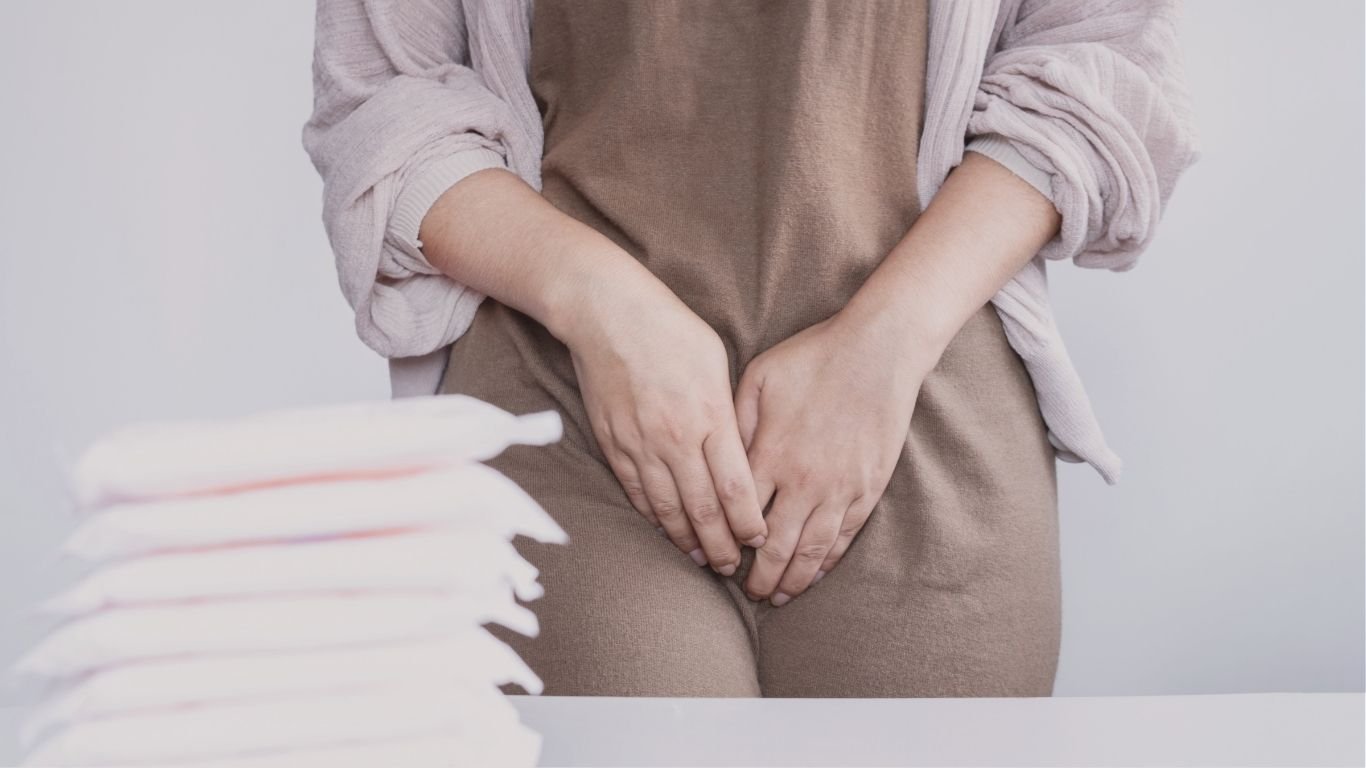
Vulvar itching, medically referred to as pruritus vulvae, is a common and often distressing condition that affects women across all age groups. It is characterized by an uncomfortable, scratchy sensation in the external female genital area known as the vulva. While occasional mild itching is a normal experience for most women and typically resolves on its own, persistent or recurring vulvar itching can significantly impact a woman’s quality of life, emotional well-being, and intimate relationships . This article explores the multifaceted nature of vulvar itching, examining its symptoms, underlying causes, potential effects, preventive strategies, and the role of traditional homeopathic remedies in managing this condition.
Understanding the Anatomy and Nature of Vulvar Itching
The vulva encompasses the external female genital structures, including the labia majora, labia minora, clitoris, vaginal opening, and the surrounding perineal area. When itching occurs in this region, it can be localized to a specific area or involve the entire vulvar surface. The sensation may range from a mild, intermittent tickle to an intense, uncontrollable urge to scratch that disrupts sleep and daily activities .
The skin of the vulva is uniquely sensitive and is constantly exposed to moisture, friction, and potential irritants. This makes it particularly vulnerable to itching and irritation. The area’s natural barrier function can be compromised by various factors, including hormonal fluctuations, infections, allergic reactions, and certain skin conditions .
Recognizing the Symptoms of Vulvar Itching
The primary symptom of vulvar itching is, quite simply, the sensation of itchiness in the external genital area. However, the condition is often accompanied by a constellation of other symptoms that can provide clues about the underlying cause. These symptoms may include:
Burning and Soreness: Many women experience a burning or sore sensation alongside the itching, particularly if the skin has been scratched or irritated .
Redness and Swelling: The vulvar skin may appear red and inflamed, which can be a sign of infection, irritation, or an allergic reaction .
Abnormal Vaginal Discharge: Changes in vaginal discharge, such as a thick white, yellowish, or greenish discharge with an unusual or foul odor, often accompany vulvar itching caused by infections .
Thickened or Discolored Skin: Chronic scratching and rubbing can lead to skin changes known as lichenification, where the skin becomes thickened, leathery, and may appear white or grayish. This is characteristic of a condition called lichen simplex chronicus .
Pain During Urination or Intercourse: In some cases, vulvar itching may be accompanied by pain or discomfort during urination (dysuria) or sexual intercourse (dyspareunia) .
The intensity and pattern of itching can also vary depending on the cause. For instance, itching associated with yeast infections may worsen at night when the body is warm in bed, while itching related to contact dermatitis may occur after exposure to a specific irritant or allergen .
Exploring the Multitude of Causes
Vulvar itching is not a disease in itself but rather a symptom of a wide array of underlying conditions. Identifying the cause is crucial for effective management. The causes can be broadly categorized into infectious, dermatological, allergic, hormonal, and systemic factors.
Infectious Causes
Vaginal infections are among the most common causes of vulvar itching. Candidiasis, commonly known as a yeast infection, is caused by an overgrowth of the fungus Candida albicans. It typically produces a thick, white, cottage cheese-like discharge and intense itching . Bacterial vaginosis results from an imbalance of naturally occurring bacteria in the vagina and may cause a thin, grayish discharge with a fishy odor . Trichomoniasis, a sexually transmitted infection, can cause a frothy, yellow-green discharge and significant vulvar irritation . Genital herpes is a viral infection that can cause painful blisters and ulcers, along with itching and burning sensations .
Dermatological Conditions
Several skin conditions can affect the vulva and cause itching. Eczema and psoriasis can manifest in the genital area, leading to red, scaly, and itchy patches . Lichen sclerosus is a chronic inflammatory condition that causes white, thinning patches of skin on the vulva and can be intensely itchy . Lichen planus can also affect the vulva, causing itchy, purplish, flat-topped bumps . Lichen simplex chronicus is a condition that results from the itch-scratch cycle, where repeated scratching thickens the skin and makes it even itchier, creating a self-perpetuating problem .
Allergic and Irritant Contact Dermatitis
The vulvar skin is highly susceptible to irritation from external products. Allergic contact dermatitis is an immune-mediated reaction to an allergen, such as fragrances in soaps, detergents, or feminine hygiene products; nickel in sanitary pads; or topical antibiotics and anesthetics . Irritant contact dermatitis occurs when the skin is damaged by direct contact with a substance, such as urine, stool, or harsh soaps, without an immune response .
Hormonal Factors
Hormonal changes throughout a woman’s life can affect vulvar health. Postmenopausal women often experience vulvar itching due to a lack of estrogen, which leads to thinning and drying of the vulvar and vaginal tissues, a condition known as atrophic vaginitis . Pregnancy can also cause vulvar itching due to hormonal fluctuations and increased blood flow to the pelvic area .
Systemic and Other Causes
In some cases, vulvar itching can be a symptom of a systemic condition. Diabetes can predispose women to yeast infections, which cause itching . Anxiety and depression can contribute to or exacerbate vulvar itching, as stress can affect the immune system and skin sensitivity . Rarely, vulvar itching can be caused by parasitic infections or other systemic diseases .
The Broader Effects on Quality of Life
Vulvar itching is more than just a physical annoyance; it can have profound effects on a woman’s overall well-being. The persistent nature of the itch can lead to sleep disturbances, as the sensation often worsens at night, leading to fatigue and reduced daytime functioning .
The condition can cause significant emotional distress. Women may feel embarrassed, anxious, or frustrated by the symptoms. The difficulty in diagnosing the cause and the frustration when over-the-counter remedies fail can exacerbate feelings of helplessness . The intimate nature of the condition may also lead to avoidance of healthcare appointments, as some women may feel uncomfortable discussing their symptoms .
Vulvar itching can negatively impact sexual relationships. Discomfort during intercourse can diminish pleasure and satisfaction, and the condition may lead to misconceptions about sexually transmitted infections, causing further anxiety . The chronic nature of the itching can also affect work and social interactions, as the constant need to scratch or adjust oneself can be distracting and embarrassing .
Preventive Strategies for Vulvar Itching
Prevention is a key component in managing vulvar itching. Many cases can be prevented or alleviated by adopting simple lifestyle and hygiene practices:
Maintain Proper Hygiene: Gently wash the vulvar area with warm water and a mild, unscented soap. Avoid harsh soaps, douches, and feminine sprays, which can disrupt the natural flora and irritate the skin .
Choose Clothing Wisely: Wear loose-fitting, breathable cotton underwear. Avoid tight-fitting clothing, nylon underwear, and pantyhose, which can trap moisture and heat, creating an environment conducive to fungal growth .
Avoid Irritants: Use unscented laundry detergents and avoid fabric softeners. Choose unscented toilet paper, sanitary pads, and tampons. Avoid using baby wipes, which may contain irritating chemicals .
Practice Good Menstrual Hygiene: Change sanitary pads and tampons frequently. Avoid leaving tampons in for extended periods .
Manage Underlying Conditions: If you have diabetes, maintaining good blood sugar control can help prevent yeast infections . If you suffer from allergies, identifying and avoiding triggers can reduce allergic contact dermatitis .
Avoid Scratching: While difficult, avoiding scratching is crucial to breaking the itch-scratch cycle. Scratching damages the skin, which can lead to further irritation and infection. Keep fingernails short and consider wearing cotton gloves at night .
Traditional Homeopathic Approaches to Vulvar Itching
Homeopathy is a system of alternative medicine that uses highly diluted natural substances to stimulate the body’s self-healing mechanisms. In the context of vulvar itching, homeopathic remedies are traditionally selected based on the principle of “like cures like,” where a substance that can produce symptoms in a healthy person is used to treat similar symptoms in a sick person. It is important to note that homeopathic remedies are traditionally used to support the body’s natural balance, and individual responses can vary. The following remedies are traditionally indicated for vulvar itching, with selection based on the specific character of the symptoms.
Calcarea Carbonica
This remedy is traditionally considered when vulvar itching is accompanied by a burning sensation that may occur before or after the menstrual period. The discharge from vaginitis may be milky and acrid or thick and yellow. A woman who may benefit from this remedy is often described as chilly, easily tired by exertion, and may have a craving for sweets .
Kreosotum
Kreosotum is traditionally indicated for vaginitis with a watery, thin, unpleasant-smelling, and very irritating discharge that makes the vulva swell and itch. The symptoms are often worse in the morning and worse when standing up. Infections are more likely to appear before the menstrual period or during pregnancy .
Natrum Muriaticum
This remedy is traditionally considered when the vaginal discharge resembles egg white, which itches and makes the vagina feel dry and irritated. A woman who may need this remedy often seems reserved yet is very emotional inside. A craving for salt and a tendency to feel worse from being in the sun are other traditional indications .
Sepia
Sepia is a commonly indicated remedy for yeast infections that cause vaginal discharge that is yellow and itchy, or white and curd-like. A woman needing Sepia often feels worn down and irritable, with cold extremities and a weak or sagging feeling in the pelvic region. The discharge may be more profuse in the morning and increased by walking .
Borax
Borax is traditionally used for yeast infections of the vagina with a discharge resembling egg white, along with a feeling that warm water is flowing out. Vaginitis that responds to Borax usually appears midway between the menstrual periods. A person who needs this remedy is often nervous and very sensitive to noise .
Kali Bichromicum
This remedy may be indicated in cases of vaginitis where the discharge is yellow and tenacious, and makes the vulva itch and burn. Symptoms may be worse in the morning, and the person feels better from resting and keeping warm .
Pulsatilla
When Pulsatilla is indicated for yeast infections, symptoms may be changeable. A creamy white or yellowish discharge appears, which can be either bland or irritating. The vagina may feel sore, and the labia may itch or burn. The woman may be moody, possibly tearful, and wanting a lot of attention and affection. This remedy is often considered helpful for vaginitis during pregnancy .
Sulphur
Sulphur is traditionally indicated for discharge that looks yellowish, is offensive-smelling, and causes great burning and itching. Symptoms may be aggravated by warmth and bathing .
Caladium Seguinum
This remedy is traditionally used for severe itching of the vulva and vagina, particularly during pregnancy. It is also indicated for itching in the genital area that may be accompanied by a burning sensation .
Conium Maculatum
Historically, Conium has been mentioned as a remedy for itching of the vulva, particularly in older women. It is traditionally associated with conditions where the itching is accompanied by a feeling of dryness and may be worse at night .
Carbo Vegetabilis
Carbo vegetabilis is traditionally indicated for itching of the vulva, especially when the symptoms are worse at night and accompanied by a burning sensation. It has historically been used for itching that comes on after getting heated in bed .
Important Considerations for Homeopathic Use
It is essential to approach homeopathic treatment with a clear understanding of its role. Homeopathic remedies are traditionally used based on the individual’s unique symptom picture, and what works for one person may not work for another. Self-treatment with homeopathic remedies should be limited to mild, acute cases. Persistent, severe, or recurrent vulvar itching requires a proper medical diagnosis to rule out serious underlying conditions.
If a vaginal infection lasts longer than a week, if there is an offensive-smelling discharge, if there is accompanying fever or a deeper feeling of illness, or if it is a woman’s first experience with such symptoms, it is best to consult a physician . Homeopathic remedies can be used alongside conventional medical treatments, but it is important to inform your healthcare provider about all therapies you are using.
Frequently Asked Questions About Homeopathic Medicines for Vulvar Itching
What is vulvar itching?
Vulvar itching is an uncomfortable sensation in the external female genital area. It can range from mild and occasional to severe and persistent. Many women experience it at some point in their lives.
Can homeopathic medicines help with vulvar itching?
Homeopathic medicines are traditionally used by some practitioners to help manage symptoms of vulvar itching. These remedies are selected based on the individual’s specific symptoms, overall health, and emotional state. Many women report feeling relief, though responses can vary from person to person.
How do homeopathic doctors choose the right remedy?
Homeopathic practitioners consider many factors before suggesting a remedy. These include the type of itching, when it occurs, what makes it better or worse, the nature of any discharge, and the woman’s emotional and physical constitution. This individualized approach is central to homeopathic practice.
Which homeopathic medicines are commonly used for vulvar itching?
Several remedies are traditionally associated with vulvar itching. Some of the most commonly mentioned include Calcarea Carbonica, Kreosotum, Natrum Muriaticum, Sepia, Borax, Pulsatilla, Sulphur, and Caladium Seguinum. Each is traditionally indicated for specific symptom patterns.
What is Calcarea Carbonica used for?
Calcarea Carbonica is traditionally considered when itching is accompanied by a burning sensation, especially before or after menstrual periods. The discharge may be milky or thick and yellow. Women who may benefit from this remedy are often described as chilly and easily tired.
What is Kreosotum used for?
Kreosotum is traditionally indicated when there is a watery, thin, and irritating discharge that causes swelling and itching of the vulva. Symptoms are often worse in the morning and when standing. It is also associated with infections appearing before menstruation or during pregnancy.
What is Natrum Muriaticum used for?
Natrum Muriaticum is traditionally considered when the discharge resembles egg white and causes itching and dryness. Women who may need this remedy often seem reserved but are emotionally sensitive. A craving for salt is a common indication.
What is Sepia used for?
Sepia is a commonly mentioned remedy for yeast infections with yellow, itchy discharge or white, curd-like discharge. Women needing Sepia often feel worn down, irritable, and have cold extremities. The discharge may be worse in the morning and after walking.
What is Borax used for?
Borax is traditionally used for yeast infections with a discharge resembling egg white, along with a sensation of warm water flowing out. Symptoms often appear midway between menstrual periods. Women who may benefit are often nervous and sensitive to noise.
What is Pulsatilla used for?
Pulsatilla is traditionally indicated when symptoms are changeable. A creamy white or yellowish discharge appears, which may be bland or irritating. The woman may be moody and tearful, wanting attention and affection. It is often considered during pregnancy.
What is Sulphur used for?
Sulphur is traditionally associated with yellowish, offensive-smelling discharge that causes burning and itching. Symptoms may be worse from warmth and bathing.
What is Caladium Seguinum used for?
Caladium Seguinum is traditionally used for severe itching of the vulva and vagina, particularly during pregnancy. It may also help when itching is accompanied by a burning sensation.
How should homeopathic medicines be taken?
Homeopathic medicines are usually taken as small pellets or tablets that dissolve under the tongue. The frequency and potency depend on the individual case and should be guided by a qualified homeopathic practitioner. It is best to avoid eating or drinking strong flavors shortly before and after taking the remedy.
Are homeopathic medicines safe?
Homeopathic medicines are highly diluted and are generally considered safe when used as directed. They are often used alongside conventional treatments. However, it is important to consult a healthcare provider before starting any new treatment, especially if you are pregnant, nursing, or taking other medications.
Can I use homeopathic medicines without consulting a doctor?
Self-treatment with homeopathic remedies may be suitable for mild, occasional itching. However, persistent, severe, or recurrent vulvar itching should be evaluated by a healthcare professional. A proper diagnosis is important to rule out serious conditions.
When should I see a doctor instead of using homeopathy?
You should consult a doctor if the itching lasts more than a week, if there is an offensive-smelling discharge, if you have fever or feel unwell, if there are sores or blisters, or if this is your first experience with such symptoms. These signs may indicate an infection or another condition that needs medical attention.
Can homeopathic medicines be used along with conventional treatment?
Yes, homeopathic medicines can often be used alongside conventional treatments. However, it is important to inform your healthcare provider about all therapies you are using to ensure safety and avoid interactions.
How long does it take for homeopathic medicines to work?
Response times vary depending on the individual, the severity of symptoms, and the underlying cause. Some women notice improvement within a few days, while others may take longer. Consistency and proper remedy selection are important.
Do homeopathic medicines have side effects?
Because homeopathic medicines are highly diluted, they are generally considered to have few side effects. Some people may experience mild, temporary worsening of symptoms initially. If any unusual symptoms occur, consult a practitioner.
Can homeopathic medicines prevent vulvar itching from returning?
Homeopathic treatment aims to support the body’s overall balance. Some practitioners suggest that constitutional treatment may help reduce the frequency of recurrence. However, prevention also depends on hygiene practices, avoiding irritants, and managing underlying conditions.
What lifestyle measures can support homeopathic treatment?
Wearing loose cotton underwear, avoiding scented products, practicing gentle hygiene, and managing stress can all support overall vulvar health. These measures complement any treatment approach, including homeopathy.
Is homeopathy effective for all causes of vulvar itching?
Homeopathy is traditionally used for symptom management based on individual presentation. It may not be effective for all causes, especially those requiring antibiotics or other specific medical treatments. A proper diagnosis is essential before choosing any treatment path.
Final thoughts
Vulvar itching can be uncomfortable and frustrating, but help is available. Homeopathic medicines are traditionally used by some practitioners to support relief based on individual symptoms. If you are considering homeopathy, consult a qualified practitioner and your healthcare provider to ensure a safe and comprehensive approach to your care.
Conclusion
Vulvar itching is a common yet complex condition with a wide range of potential causes. It can significantly impact a woman’s physical comfort, emotional well-being, and quality of life. Understanding the symptoms and underlying causes is the first step toward effective management. Preventive strategies, including proper hygiene and avoidance of irritants, can help reduce the frequency and severity of episodes. While conventional medical treatments target specific causes such as infections or inflammation, traditional homeopathic remedies offer a holistic approach that considers the individual’s unique symptom profile. These remedies are traditionally used to support the body’s natural balance, and while they may provide relief for some individuals, they should be used with caution and in conjunction with appropriate medical care. Persistent or concerning symptoms should always be evaluated by a healthcare professional to ensure accurate diagnosis and safe, effective treatment.