Unveiling the Secrets to Facial Beauty: Problems,
Causes, Effects, Prevention, Homeopathic Remedies and Facial Creams for Face Beauty
Introduction
Face beauty is often seen as a reflection of overall health, confidence, and well-being. While society frequently emphasizes external appearances, true facial beauty stems from healthy, balanced skin. However, many people struggle with various facial skin issues that affect not only their appearance but also their self-esteem and quality of life. This comprehensive guide explores common facial skin problems, their underlying causes, symptoms, prevention strategies, and how homeopathy offers gentle yet effective solutions.
The Concept of Face Beauty Beyond Skin Deep
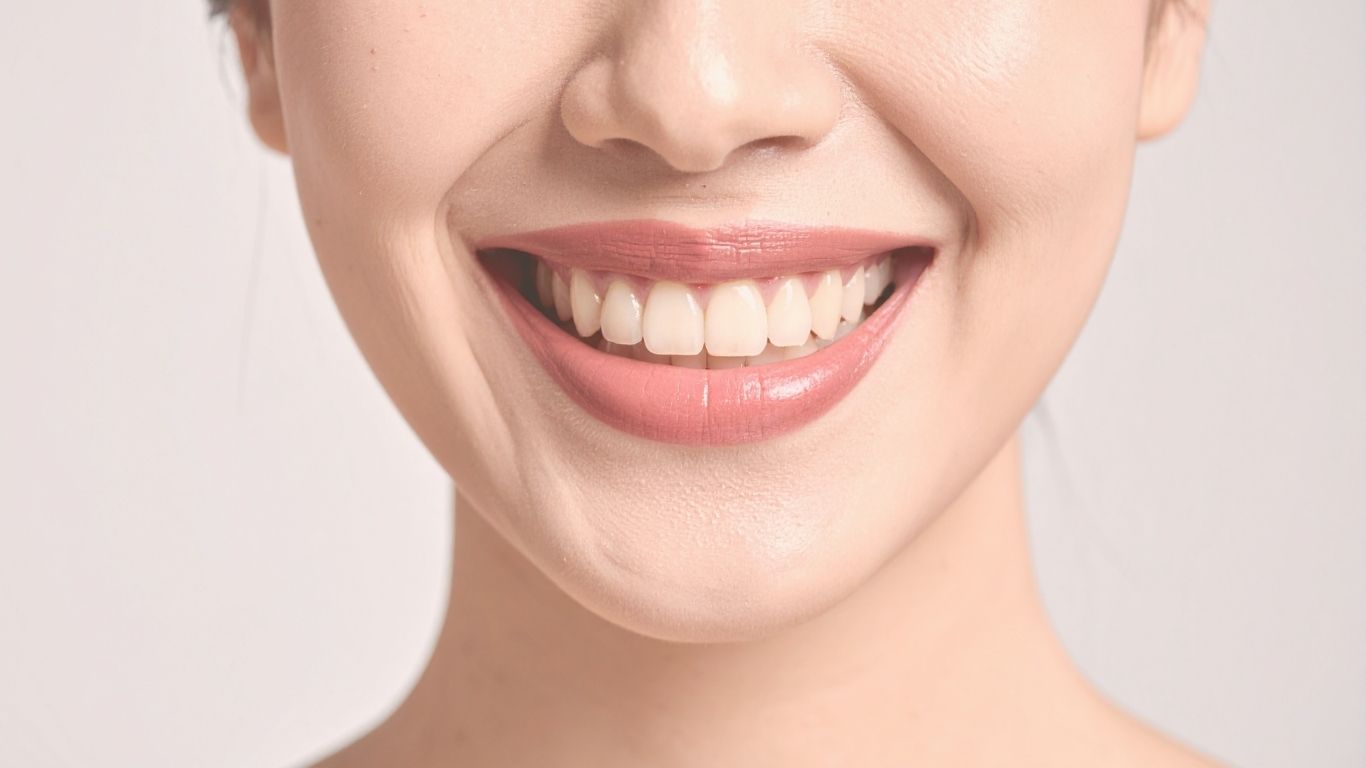
True facial beauty is not about perfection or meeting unrealistic standards. Instead, it involves having skin that is well-hydrated, evenly toned, free from persistent inflammation or infection, and capable of repairing itself naturally. Factors such as genetics, lifestyle, diet, stress levels, and environmental exposures all play significant roles in determining how our facial skin looks and feels. Beauty, from a health perspective, means skin that functions properly as a protective barrier, regulates temperature, and communicates internal health through its clarity and texture.
Common Facial Skin Problems and Their Symptoms
Facial skin issues vary widely, but some conditions are more prevalent than others. Recognizing the symptoms early can help in seeking appropriate care.
Acne is one of the most common facial skin problems. Symptoms include blackheads, whiteheads, papules, pustules, nodules, and cysts, typically appearing on the forehead, cheeks, chin, and nose. Acne can range from mild occasional breakouts to severe, painful, deep lesions that may lead to scarring.
Eczema or atopic dermatitis on the face presents as red, itchy, dry, and scaly patches. The skin may feel rough and cracked, and in severe cases, oozing or crusting can occur. The eyelids, cheeks, and areas around the mouth are frequently affected.
Rosacea is characterized by persistent facial redness, visible blood vessels, small red bumps that sometimes resemble acne, and a tendency for the skin to flush easily. Many individuals with rosacea also experience eye irritation and a burning or stinging sensation on the skin.
Hyperpigmentation includes conditions like melasma and post-inflammatory hyperpigmentation. Symptoms are darkened patches or spots on the skin, often on the cheeks, forehead, upper lip, or around the eyes. These patches do not cause physical discomfort but can be emotionally distressing.
Psoriasis on the face appears as thick, red, well-defined patches covered with silvery-white scales. It commonly affects the eyebrows, hairline, forehead, and skin between the nose and upper lip. Itching and burning are frequent complaints.
Seborrheic dermatitis leads to greasy, yellowish scales on the scalp, eyebrows, sides of the nose, behind the ears, and the chest area. The skin may appear red and inflamed, and itching is common.
Underlying Causes of Facial Skin Problems
Understanding the root causes of facial skin issues is essential for effective treatment and prevention. Most conditions arise from a combination of internal and external factors.
Hormonal imbalances are a major cause, particularly for acne and melasma. Androgens stimulate sebaceous glands to produce more oil, which can clog pores. Fluctuations during menstrual cycles, pregnancy, perimenopause, or due to conditions like polycystic ovary syndrome often trigger breakouts and pigmentation changes.
Genetic predisposition plays a significant role. If your parents had acne, rosacea, or eczema, you are more likely to develop similar conditions. Genetic factors influence skin thickness, oil production, inflammatory responses, and barrier function.
Dietary factors can exacerbate many skin problems. High glycemic foods like sugar, white bread, and processed snacks spike insulin levels, which may increase oil production and inflammation. Dairy products have been linked to acne in some individuals. Deficiencies in vitamins A, C, D, E, and zinc can impair skin healing and immunity.
Stress triggers the release of cortisol, a hormone that increases oil production and inflammation throughout the body, including the skin. Chronic stress weakens the skin’s barrier function, making it more susceptible to infections and slower to heal.
Environmental aggressors such as ultraviolet radiation, pollution, harsh weather, and indoor heating or air conditioning strip the skin of natural oils, disrupt its pH balance, and trigger oxidative stress. UV exposure specifically worsens hyperpigmentation, rosacea, and premature aging.
Skincare and cosmetic products that contain alcohol, artificial fragrances, sulfates, or certain preservatives can irritate sensitive skin. Over-exfoliating or using multiple active ingredients like retinoids, acids, and vitamin C together without proper introduction often damages the skin barrier.
Gut health has emerged as a critical factor in facial skin conditions. Leaky gut syndrome, dysbiosis (imbalance of gut bacteria), and food sensitivities can manifest as acne, rosacea, or eczema on the face. The gut-skin axis is a real physiological connection.
Effects of Facial Skin Problems on Life
The impact of facial skin conditions extends far beyond physical discomfort. Many individuals experience significant emotional and psychological effects. Social anxiety, avoidance of social situations, lowered self-esteem, and even clinical depression are common among those with persistent facial acne, rosacea, or pigmentation issues. Professional life can suffer when people feel self-conscious during meetings or client interactions. Relationships may be affected by reduced confidence in intimate settings. Physical effects include pain from inflamed cysts, itching that disrupts sleep, and permanent scarring or discoloration that serves as a long-term reminder of the condition.
Prevention Strategies for Healthy Facial Skin
Prevention is always better than cure, and many facial skin problems can be minimized with consistent, gentle care.
Sun protection is non-negotiable. Daily application of a broad-spectrum sunscreen with at least SPF 30 prevents UV-induced pigmentation, collagen breakdown, and inflammation. Physical sunscreens containing zinc oxide or titanium dioxide are less likely to irritate sensitive skin.
Gentle cleansing twice daily removes dirt, excess oil, and pollutants without stripping the skin. Use lukewarm water and a non-soap, pH-balanced cleanser. Avoid harsh scrubs or cleansing brushes that can damage the skin barrier.
Moisturizing regularly supports the skin’s barrier function. Even oily skin needs hydration. Look for non-comedogenic, fragrance-free formulas containing ceramides, niacinamide, or hyaluronic acid.
Dietary adjustments can make a remarkable difference. Increase intake of omega-3 fatty acids from fish, flaxseeds, and walnuts to reduce inflammation. Eat colorful vegetables and fruits rich in antioxidants. Stay hydrated with water and herbal teas. Reduce sugar, processed foods, and potentially problematic dairy.
Stress management techniques such as meditation, deep breathing exercises, regular physical activity, and adequate sleep lower cortisol levels and reduce skin flare-ups. Aim for seven to nine hours of quality sleep nightly, as the skin repairs itself during deep sleep.
Avoid touching your face throughout the day, as hands transfer bacteria, oils, and irritants. Change pillowcases at least twice weekly. Clean your phone screen regularly and use headphones when possible.
Patch test new skincare products before applying them to your entire face. Introduce one new product at a time and wait at least two weeks before adding another.
Homeopathic Remedies for Facial Skin Problems
Homeopathy offers a gentle, individualized approach to treating facial skin conditions. Rather than suppressing symptoms, homeopathic remedies aim to stimulate the body’s innate healing response. The remedies listed below are commonly used, but professional homeopathic consultation is recommended for chronic or severe cases.
For acne, several remedies are frequently indicated. Sulphur is useful for acne with itching, burning, and rough, unhealthy skin that looks dirty even when clean. The person may be worse from warmth and bathing. Hepar sulphuris calcareum helps with painful, pus-filled pimples that are extremely sensitive to touch and cold air. Calcarea sulphurica is indicated for yellow-crusted acne that tends to form abscesses. Berberis aquifolium is known as a beauty tonic for the skin, especially when acne leaves behind brownish spots and the skin looks sallow.
For eczema and dry, itchy skin conditions, Graphites is beneficial when the skin cracks, oozes a sticky fluid, and is worse from warmth. The person often has a tendency toward constipation and obesity. Petroleum helps with deeply cracked, bleeding skin that worsens in winter and improves in summer. Mezereum is for thick, crusty eczema with intense itching that is worse from heat of the bed.
Rosacea responds well to several remedies. Arsenicum album suits rosacea with burning redness that feels better from warm applications. The person may be anxious, restless, and fastidious. Lachesis is indicated when the face becomes purple or mottled, with symptoms worse from pressure, heat, and during sleep. Carbo vegetabilis helps when the face is bluish-red, burning hot, and the person feels faint and weak.
For hyperpigmentation and melasma, Sepia is a leading remedy. The skin shows yellowish-brown, saddle-shaped patches across the nose and cheeks. The person often experiences hormonal imbalances, irritability, and a dragging sensation in the pelvis. Thuja occidentalis helps with brown spots, warty growths, and skin that is oily and sweaty. Lycopodium clavatum is useful for liver spots and premature aging, especially when the right side of the face is more affected and the person has digestive complaints.
For seborrheic dermatitis, Kali sulphuricum is indicated for greasy, yellowish scales, with symptoms worse from warmth and better from cool air. Natrum muriaticum helps when the hairline and skin behind the ears are greasy and crusty, and the person craves salt and is emotionally reserved.
Psoriasis on the face may benefit from Arsenicum iodatum for dry, scaly, itching skin that peels off in large scales. Radium bromatum is used for intense itching and burning that is relieved by scratching and hot water. Chrysarobinum is specific for stubborn psoriasis with ring-shaped lesions.
Homeopathic Facial Creams and Topical Applications
While homeopathy is primarily known for internal remedies taken as pills or liquid dilutions, topical homeopathic preparations are also available for facial skin care. These creams combine homeopathic ingredients with nourishing bases to support healing from the outside in.
Calendula cream is perhaps the most popular homeopathic topical preparation. Calendula officinalis, derived from marigold flowers, has remarkable wound-healing, anti-inflammatory, and antimicrobial properties. It is excellent for dry, cracked, irritated skin, minor burns, and slow-healing blemishes. Calendula cream can be used daily as a moisturizer for sensitive or reactive skin.
Hypericum cream is valued for nerve-rich areas of the face. It helps with pain and sensitivity following skin trauma, such as after extractions, chemical peels, or laser treatments. Hypericum is also useful for shingles-related facial pain or post-herpetic neuralgia.
Belladonna cream addresses sudden, intense facial redness and heat, such as in acute rosacea flare-ups or sunburn. The skin appears bright red, throbs, and is hot to the touch. Belladonna cream should be used only for acute episodes and not continuously.
Echinacea cream supports the skin’s immune function. It is helpful for infected pimples, boils, or any facial skin condition with pus formation. Echinacea can be applied to individual lesions rather than the whole face.
Hamamelis (witch hazel) cream is excellent for reducing visible capillaries and calming inflamed, tender skin. It is particularly useful for rosacea and after sun exposure. Hamamelis has astringent properties that tighten and tone the skin.
Sulphur cream is used for stubborn acne with itching, burning, and rough texture. It should be applied sparingly and for short periods, as it can be drying. Sulphur cream works well for people who are worse from warmth and bathing.
Graphites cream benefits extremely dry, cracked, crusty eczema. It softens hard, rough patches and reduces oozing. Graphites cream is especially useful around the mouth, nostrils, and eyes where the skin is thin and delicate.
When using homeopathic creams, apply a thin layer to clean, dry skin once or twice daily. Most homeopathic creams are non-comedogenic and free from harsh chemicals, parabens, and artificial fragrances. However, as with any skincare product, perform a patch test on your inner arm before applying to your face. Stop use if you experience increased redness, burning, or irritation, as this may indicate a rare but possible aggravation.
Integrating Homeopathy with General Skincare
Homeopathic remedies work best when combined with a healthy lifestyle and gentle skincare routine. Take internal homeopathic remedies at least fifteen minutes away from food, drinks (except water), and strong flavors like mint, coffee, or camphor. These substances can antidote the remedy. Do not touch the pills with your hands; instead, tip them into the cap and then into your mouth.
For chronic facial skin conditions, seek professional homeopathic care. A qualified homeopath will take a detailed case history, considering your physical symptoms, emotional state, sleep patterns, food cravings, temperature preferences, and many other individualized factors. Constitutional homeopathic treatment addresses the root cause rather than just suppressing the rash or breakout.
Be patient with homeopathy. While acute conditions may respond within hours or days, chronic skin problems often require weeks to months of consistent treatment. The healing process sometimes involves an initial mild aggravation of symptoms before improvement begins. This is considered a positive sign that the remedy is working.
When to Seek Conventional Medical Care
Homeopathy is a wonderful supportive therapy, but certain situations require conventional medical attention. Seek immediate care if you develop sudden facial swelling, difficulty breathing, or hives, as these may indicate a severe allergic reaction. If a facial skin condition is accompanied by fever, chills, swollen lymph nodes, or spreading redness, an infection may be present that requires antibiotics. Severe cystic acne that is disfiguring or causing deep scarring may need prescription retinoids or other medical interventions. If homeopathic treatment has not produced any improvement after three months of consistent, professional care, reevaluation by a dermatologist is wise.
Conclusion
Facial beauty emerges from healthy skin that is well cared for from the inside and outside. By understanding the symptoms, causes, and effects of common skin problems, you can take proactive steps toward prevention. Homeopathy offers a gentle, individualized, and holistic approach that works with your body’s natural healing mechanisms rather than against them. Combined with a healthy diet, stress management, sun protection, and appropriate skincare, homeopathic remedies and creams can help you achieve clear, radiant, and truly beautiful skin. Remember that every face is unique, and what works for one person may not work for another. Be patient, be consistent, and treat your skin with the kindness it deserves.