Table of Contents
ToggleDiscover Homeopathic Remedies for Dry Eyes and Explore Symptoms, Causes, Effects and Prevention for Better Eye Health
Introduction
Dry eye syndrome, a pervasive and often chronic condition, affects millions of people worldwide, impacting their quality of life and visual comfort. It occurs when the eyes either do not produce enough tears or when the tears evaporate too quickly, leading to an unstable tear film. This condition is far more than a fleeting discomfort; for many, it is a persistent challenge that can interfere with daily activities, from reading and driving to using digital devices. Understanding the multifaceted nature of dry eyes is the first step toward effective management and finding lasting relief. This article provides a comprehensive overview of dry eye disease, exploring its symptoms, causes, effects, preventive strategies, and the potential of homeopathic treatments.
Understanding Dry Eye Disease
Dry eye disease is a multifactorial disorder of the tears and the ocular surface that results in symptoms of discomfort, visual disturbance, and tear film instability, with the potential to damage the ocular surface. The tear film is a complex, three-layered structure essential for maintaining eye health and clear vision. The outermost lipid layer, produced by the meibomian glands, prevents rapid evaporation. The middle aqueous layer, secreted by the lacrimal glands, provides moisture and nutrients. The inner mucin layer, produced by goblet cells, helps the tears spread evenly across the eye’s surface. A deficiency or dysfunction in any of these layers can lead to dry eye.
There are two primary types of dry eye. Aqueous tear-deficient dry eye is a disorder where the lacrimal glands fail to produce enough of the watery component of tears. Evaporative dry eye, the more common form, is caused by inflammation or dysfunction of the meibomian glands, leading to a deficient lipid layer that allows tears to evaporate too quickly . Many individuals experience a combination of both types.
Recognizing the Symptoms
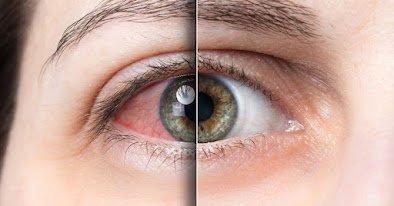
The symptoms of dry eye can vary from person to person in both nature and intensity. While some may experience mild, occasional irritation, others suffer from constant, debilitating discomfort. Common symptoms include a stinging, burning, or scratchy sensation, often described as a feeling that something is in the eye. The eyes may appear red and feel tired, particularly after prolonged periods of reading, working on a computer, or driving. Paradoxically, dry eye can also cause excessive watering, a reflex response to the irritation on the eye’s surface. Fluctuating vision, where sight comes in and out of focus, is another frequent complaint, as is a stringy discharge from the eyes . For contact lens wearers, dry eye can cause significant discomfort, often leading to the premature removal of lenses. Other symptoms include heavy eyelids, an inability to cry, and difficulty with tasks that require sustained visual focus .
The Underlying Causes
The causes of dry eye are extensive and often interrelated. A common contributor is inflammation of the tear-producing glands or the ocular surface itself. Age is a significant factor, as tear production naturally decreases with age . Hormonal changes, particularly in women due to pregnancy, menopause, or the use of oral contraceptives, can also influence tear production . Environmental factors play a crucial role; exposure to dry, windy conditions, air conditioning, and smoke can accelerate tear evaporation . In our digital age, prolonged screen time is a major cause, as people tend to blink less frequently and less completely when focusing on screens, leading to tear instability and evaporative dry eye .
Certain medications, including antihistamines, decongestants, blood pressure medications, and antidepressants, are known to reduce tear production . Underlying systemic diseases such as Sjögren’s syndrome, rheumatoid arthritis, and lupus can also cause dry eye . Other contributing factors include meibomian gland dysfunction, eyelid problems like blepharitis or incomplete closure during sleep, a history of refractive surgery (such as LASIK), and even the preservatives found in some eye drops .
Effects on Vision and Quality of Life
While often perceived as a minor nuisance, the effects of untreated dry eye can be significant. The constant discomfort can lead to difficulty concentrating, reduced productivity, and a diminished ability to perform daily tasks that rely on clear vision, such as reading, driving, or using a computer . The chronic nature of the condition can also lead to psychological distress, including anxiety and frustration . In more severe cases, chronic inflammation from dry eye can damage the surface of the eye, leading to corneal abrasions, ulcers, and scarring, which can cause permanent vision loss . This is why it is essential to not dismiss dry eye as just a temporary inconvenience but to seek appropriate management and treatment.
Prevention and Lifestyle Modifications
Many of the environmental and behavioral risk factors for dry eye can be mitigated through simple lifestyle changes. The 20-20-20 rule is a cornerstone of digital eye strain prevention: every 20 minutes, look away from your screen at an object at least 20 feet away for 20 seconds . Making a conscious effort to blink more frequently while using screens is also beneficial . Modifying the environment can also help; using a humidifier to add moisture to dry indoor air, avoiding direct air from fans or air conditioning vents, and wearing wrap-around sunglasses or moisture chamber goggles outdoors can reduce tear evaporation .
Dietary adjustments may also play a role. A diet rich in omega-3 fatty acids, found in fish like salmon and tuna or in flaxseed, may help improve the quality of the tear film and reduce inflammation . Staying well-hydrated by drinking plenty of water supports overall bodily functions, including tear production. For contact lens wearers, reducing wearing time or switching to glasses during extended screen use can provide significant relief . Maintaining good eyelid hygiene, such as using warm compresses and gentle lid scrubs, can help manage meibomian gland dysfunction and blepharitis, common contributors to evaporative dry eye .
The Role of Homeopathy in Treating Dry Eyes
Homeopathy offers a unique and holistic approach to treating dry eyes. Unlike conventional treatments that often focus on replacing tears or suppressing inflammation, homeopathy aims to stimulate the body’s own regulatory and healing mechanisms . It operates on the principle of “like cures like,” using highly diluted substances that, in larger doses, would produce symptoms similar to those being treated. This regulatory approach, or “immune-stimulating” method, works on the premise of triggering the body to correct the underlying imbalance that is causing the dryness .
This is in contrast to conventional artificial tears, which are essentially a replacement therapy—they lubricate the eye but do not address the root cause of the deficiency . Homeopathic preparations, when matched correctly to the individual’s symptom picture, are believed to prompt the body to improve its own tear production and quality. Some studies have even shown that certain homeopathic eye drops can be as effective as, or more effective than, conventional artificial tears in relieving the symptoms of mild-to-moderate dry eye disease . It is important to note that these statements are based on traditional homeopathic practice and the results of individual clinical studies; however, the FDA does not evaluate homeopathic products for safety or efficacy . As with any treatment, it is essential to consult with a physician to rule out any serious underlying conditions before beginning a homeopathic regimen.
Homeopathic Remedies for Dry Eyes
Homeopathic treatment is highly individualized. A homeopath will consider not just the physical symptoms of dry eyes but also the patient’s overall constitution, emotional state, and specific triggers. However, certain remedies are frequently indicated for different presentations of dry eye. It is crucial to remember that these are traditional homeopathic indications and should be used under the guidance of a qualified practitioner.
Euphrasia (Eyebright)
Euphrasia is one of the most well-known homeopathic remedies for eye conditions. It is particularly indicated when there is a burning, acrid discharge that causes the skin around the eyes to become sore and raw. The eyes may be red, watery, and sensitive to light, with a feeling of grittiness or sand in the eyes. The symptoms are often worse in the evening or in warm rooms .
Natrum Muriaticum
This remedy is derived from common salt and is often prescribed for individuals who experience a feeling of dryness and a lack of tears, as if the eyes are too dry to cry. There may be a burning sensation and a feeling of sand or grit in the eyes. Natrum Muriaticum is also useful for conditions where there is a history of grief or emotional suppression, as these can be underlying factors in dry eye .
Nux Moschata (Nutmeg)
Nux Moschata is a key remedy for severe dry eyes where there is a notable lack of tears. The eyes may feel as though they are made of wood or are completely devoid of moisture. This remedy is also indicated for individuals with dry mouth and a general sense of confusion or disorientation, which may accompany the ocular dryness .
Arsenicum Album
This is a powerful remedy for intense, burning dryness of the eyes. The individual may experience a sensation of sand in the eyes, along with redness and inflammation. The symptoms are often worse at night and may be accompanied by restlessness and anxiety. Arsenicum Album is often indicated for dry eye conditions that come with a feeling of heat and burning .
Sulphur
Sulphur is a polychrest remedy, meaning it has a wide range of applications. For dry eyes, it is indicated when there is a combination of dryness, redness, and burning. The eyes may feel irritated and itchy, with a sensation of heat. Symptoms are often worse from warmth and washing, and the person may be generally prone to a flushed, irritated appearance .
Zincum Metallicum
Zincum Metallicum is useful when there is extreme dryness of the eyes, often accompanied by inflammation and a burning sensation. It is also indicated when the eyes feel heavy, tired, and strained, a common symptom in our digital age. The symptoms may worsen in the evening or after using the eyes for close work .
Argentum Nitricum
This remedy is indicated for a feeling of aching dryness in the eyes. The eyes may be red and sore, with a sensation of something being present. It is also used for individuals who experience a lot of eye strain and fatigue .
Ruta Graveolens
Ruta is a well-known remedy for eye strain, making it particularly useful for dry eyes exacerbated by prolonged use of digital screens or reading. It is indicated when the eyes feel tired, achy, and overworked, with a sense of dryness and strain .
Administration of Homeopathic Drops
Homeopathic remedies for dry eyes are available in various forms, including oral pellets and sterile eye drops. Homeopathic eye drops are designed to be used as often as needed, with symptoms serving as a guide for when to administer them . They are often preservative-free, which is a significant advantage for individuals with sensitive eyes who require frequent lubrication . When using homeopathic eye drops, it is important to avoid touching the dropper tip to any surface to prevent contamination, and the bottle should be discarded 30 days after opening .
A standard direction for use is to instill one or two drops in the affected eye(s) as needed . Homeopathic eye drops are not a substitute for standard medical care, and if symptoms persist, worsen, or if there is eye pain or changes in vision, it is crucial to discontinue use and consult an eye care professional .
FAQs About Homeopathic Remedies for Dry Eyes
1. What exactly are homeopathic eye drops, and how do they work for dry eyes?
Homeopathic eye drops are sterile liquid solutions that contain highly diluted natural substances, such as plant extracts or minerals. Unlike conventional artificial tears that simply lubricate the eye surface, homeopathic drops are believed to work by stimulating the body’s own healing response. The idea is that the micro-doses of active ingredients trigger the tear glands and ocular tissues to correct the underlying imbalance causing dryness, rather than just temporarily masking the symptoms.
2. Are homeopathic remedies for dry eyes safe to use alongside my regular prescription eye drops?
In most cases, yes, but you should always consult your ophthalmologist or primary care physician before combining treatments. Homeopathic drops are generally considered gentle and non-toxic, and they do not typically interfere with conventional medications. However, your eye doctor needs to know everything you are using to ensure there are no unexpected interactions or masking of underlying conditions that require more urgent care.
3. How quickly can I expect to see results from homeopathic treatment for dry eyes?
This varies greatly from person to person. Some individuals report feeling soothing relief within minutes of using homeopathic eye drops. For more chronic, deep-seated dry eye issues, it may take several days or even weeks of consistent use to notice significant improvement. Homeopathy works on a constitutional level, so results are often gradual as the body rebalances itself.
4. Can I use homeopathic eye drops as often as I need them, like artificial tears?
Yes, most homeopathic eye drops are designed to be used as needed. A common recommendation is to instill one or two drops in the affected eye(s) whenever you feel discomfort. Since many homeopathic drops are preservative-free, they are generally safe for frequent use. However, always follow the specific instructions on the product label, and if you find yourself needing them constantly, it is a sign that you should consult a professional for a more tailored remedy.
5. How do I choose the right homeopathic remedy for my dry eyes?
Choosing the right remedy is not always straightforward because homeopathy treats the individual, not just the disease. For example, Euphrasia is for burning, watery eyes with acrid discharge, while Natrum Muriaticum is for eyes that feel extremely dry with a gritty sensation. Nux Moschata is for eyes so dry they feel like wood. The best approach is to consult a qualified homeopath who can consider your complete symptom picture, emotional state, and overall health to prescribe the most accurate remedy for you.
6. Are there any side effects from using homeopathic eye drops?
Homeopathic remedies are highly diluted and generally well-tolerated, with very few side effects. However, some individuals may experience a temporary worsening of symptoms, known as a “healing aggravation,” which is considered a positive sign that the body is responding. If you experience severe pain, worsening redness, or any change in vision, stop using the drops immediately and see an eye care professional, as these could be signs of a more serious issue.
7. Can I just buy any homeopathic eye drop from the store, or do I need a prescription?
Homeopathic eye drops and oral pellets are available as over-the-counter products in many health food stores, pharmacies, and online. You do not need a prescription to purchase them. However, because homeopathy works best when the remedy is precisely matched to your symptoms, self-prescribing can be hit-or-miss. For chronic or severe dry eye, professional guidance from a trained homeopath or integrative medicine doctor is highly recommended for the best results.
8. Is homeopathy a replacement for seeing my eye doctor?
Absolutely not. Homeopathic remedies are a complementary approach, not a substitute for conventional medical care. Dry eyes can sometimes be a symptom of serious underlying conditions like autoimmune diseases or corneal damage. You should always have a comprehensive eye exam to rule out these possibilities before starting any new treatment plan, including homeopathy.
9. How should I store my homeopathic eye drops?
Like all eye drops, they should be stored in a cool, dry place away from direct sunlight and heat. Because many homeopathic drops come in preservative-free single-use vials or bottles, you should be very careful not to touch the dropper tip to your eye or any other surface to avoid contamination. Most opened bottles should be discarded after 30 days, even if solution remains.
10. Can children and pregnant women use homeopathic remedies for dry eyes?
Homeopathic remedies are generally considered safe for all age groups, including children and pregnant women, due to their high dilution and lack of toxicity. However, pregnancy and childhood are special situations where professional supervision is even more critical. Always consult a pediatrician or obstetrician before giving any remedy to a child or using it while pregnant or nursing to ensure it is appropriate for the specific circumstances.
Conclusion
Dry eye syndrome is a complex and increasingly common condition that can significantly impact visual comfort and quality of life. Its causes are diverse, ranging from environmental factors and lifestyle habits to aging and underlying health issues. While conventional treatments like artificial tears provide temporary relief, a holistic approach that includes preventive lifestyle changes and alternative therapies like homeopathy offers a promising avenue for more sustainable management. Homeopathy, with its focus on stimulating the body’s own healing response, presents a unique and individualized way to address dry eye symptoms . However, it is essential to approach homeopathic treatment with knowledge and caution, always consulting a healthcare professional to rule out serious conditions and to ensure a comprehensive and safe treatment plan . By understanding the condition and exploring the full spectrum of available options, individuals can find effective ways to soothe their eyes and achieve lasting comfort.













4 thoughts on “Homeopathic Remedies for Dry Eyes”