Table of Contents
ToggleEdema: Causes, Effects, Prevention and Effective Homeopathic Remedies for Edema
Introduction
Edema is one of those physical signs that can be easy to overlook at first—perhaps a little tightness when putting on your shoes in the evening, or rings that feel snugger than they did in the morning. However, this swelling, caused by fluid trapped in your body’s tissues, is the body’s way of signaling that something beneath the surface needs attention . Understanding what this signal means, from its subtle symptoms to its serious causes, is the first step in managing your health effectively.
This comprehensive guide will walk you through everything you need to know about edema, including its symptoms, causes, and the effects it can have on your body. We will explore practical prevention strategies and discuss various treatment options, including a detailed look at the homeopathic approach to managing this condition.
What is Edema?
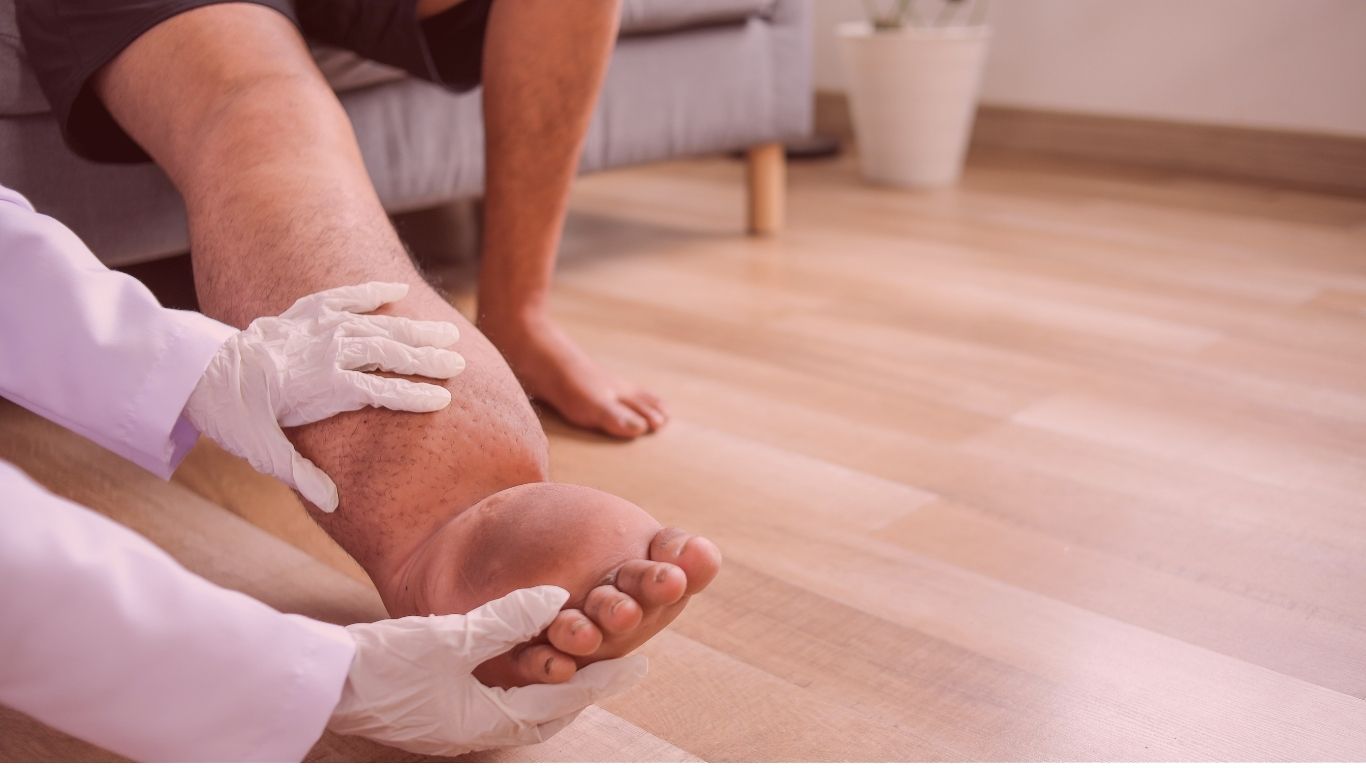
At its core, edema is the medical term for swelling caused by an excess of fluid trapped in the body’s tissues . While it can affect any part of the body, it is most commonly noticed in the feet, ankles, and legs due to the effects of gravity . However, it can also appear in the hands, face, or even the abdomen, a condition known as ascites .
This fluid buildup is a result of an imbalance in the body’s filtration system. Normally, our capillaries (small blood vessels) leak fluid into the surrounding tissues to deliver nutrients and oxygen. This fluid is then reabsorbed or drained away by the lymphatic system. Edema occurs when this process is disrupted, and the body either retains too much sodium and water or cannot properly drain the fluid away . It is not a disease in itself but rather a visible symptom of an underlying issue.
Recognizing the Symptoms of Edema
The symptoms of edema can range from barely noticeable to significantly uncomfortable. The most obvious sign is swelling or puffiness in a specific area of the body . This can make the skin appear stretched or shiny. A simple test doctors perform is to gently press on the swollen area for about 15 seconds. If a dimple or pit remains after you remove your finger, it is called “pitting edema” and indicates a significant buildup of fluid .
Besides the visible swelling, other common symptoms include:
-
A feeling of tightness or heaviness in the affected limb.
-
Clothes, shoes, or jewelry feeling uncomfortably tight.
-
Restricted range of motion in the ankles, wrists, or other joints due to the swelling .
-
Skin that feels warm to the touch.
-
In the case of pulmonary edema (fluid in the lungs), which is a medical emergency, symptoms include difficulty breathing, chest pain, and coughing .
Unpacking the Complex Causes of Edema
The causes of edema are numerous and varied, ranging from lifestyle factors to serious underlying diseases. It is crucial to identify the root cause to determine the correct treatment. A helpful way to categorize them is by looking at systemic (whole-body) issues versus localized ones.
The table below outlines some of the most common causes of edema:
| Cause Category | Specific Triggers & Conditions | Mechanism of Fluid Buildup | |
|---|---|---|---|
| Lifestyle & Temporary Factors | High salt intake, prolonged sitting/standing (especially in heat), pregnancy | Sodium causes water retention; gravity pools fluid in extremities | |
| Medications | Antihypertensives, NSAIDs (ibuprofen), steroids, certain diabetes medications | Can cause hormonal changes or directly affect kidney function | |
| Systemic Diseases | Congestive heart failure | Heart’s reduced pumping ability causes blood to back up in veins | |
| Kidney disease (e.g., nephrotic syndrome) | Impaired ability to excrete salt and water | ||
| Liver disease (e.g., cirrhosis) | Liver failure leads to low protein levels and fluid imbalance | ||
| Venous Insufficiency | Weak vein valves allow blood to pool in the legs | ||
| Localized Issues | Deep Vein Thrombosis (DVT) | A blood clot blocks blood flow, causing sudden, often unilateral swelling | |
| Lymphedema | Damage or blockage in the lymphatic system, sometimes after surgery or infection | ||
| Other | Allergic reactions, trauma, infection, protein deficiency | Increased capillary permeability or decreased osmotic pressure |
The Effects of Edema on the Body
If left untreated, edema can lead to more than just discomfort. The persistent stretching of the skin makes it fragile and prone to damage. This can result in:
-
Skin changes: The skin may become dry, cracked, and prone to developing ulcers or sores that are slow to heal .
-
Increased infection risk: Cracked skin provides an entry point for bacteria, increasing the risk of serious skin infections like cellulitis .
-
Decreased blood circulation: The swelling can put pressure on blood vessels, impairing circulation and further damaging the skin and tissues.
-
Impaired mobility: Severe swelling in the legs can make it difficult and painful to walk, leading to a more sedentary lifestyle and its associated health risks .
-
Difficulty breathing: If edema is related to heart failure, fluid can accumulate in the lungs (pulmonary edema), causing life-threatening breathing problems .
Strategies for Prevention
Preventing edema largely depends on its cause. While you cannot prevent edema resulting from a chronic illness like heart failure, you can manage it. For temporary or lifestyle-related edema, prevention is often possible.
Key prevention strategies include:
-
Dietary Adjustments: The most important step is to reduce your salt (sodium) intake . Processed foods, fast food, and canned soups are often loaded with sodium.
-
Regular Movement: Avoid sitting or standing for long periods without a break. If you must sit for work, get up and walk around periodically. Regular exercise, such as walking, helps activate your calf muscles, which act as pumps to push fluid back toward your heart .
-
Positioning: When resting, elevate your legs above the level of your heart to use gravity to your advantage .
-
Compression Therapy: Wearing support stockings or compression socks applies gentle pressure to the legs, preventing fluid from pooling in the ankles and feet . It is best to consult a doctor for the correct level of compression.
-
Hydration: While it may seem counterintuitive, drinking plenty of water can actually help flush excess sodium and fluids from your system .
Conventional Treatment Approaches
As with prevention, the treatment for edema is highly dependent on the underlying cause. The primary goal is to manage the root condition . For example, treating heart failure or kidney disease will, in turn, help reduce the associated edema.
In many cases, doctors prescribe diuretics, often called “water pills” . These medications work by helping your kidneys flush out excess sodium and water through your urine. The type of diuretic prescribed (e.g., loop diuretics like furosemide, or potassium-sparing diuretics like spironolactone) depends on the specific condition causing the edema .
Other treatments include:
-
Managing underlying conditions: Strictly controlling diabetes, treating liver disease, or adjusting medications that may be causing the swelling.
-
Compression therapy: As mentioned for prevention, compression garments are also a cornerstone of treatment, especially for venous insufficiency and lymphedema .
-
Lifestyle changes: Continuing with a low-salt diet and regular exercise is crucial for long-term management.
A Detailed Look at Homeopathic Treatment for Edema
Homeopathy offers a complementary approach to managing edema, focusing on stimulating the body’s own healing mechanisms. It is based on the principle of “like cures like,” using highly diluted substances that would, in larger doses, produce similar symptoms in a healthy person. The goal of homeopathic treatment is not just to eliminate the fluid but to address the individual’s unique physical and emotional state to restore overall balance.
It is vital to state that homeopathic treatment should be seen as complementary to conventional medical care, not a replacement for it, especially in cases of serious illness. A proper diagnosis from a medical doctor is essential to rule out life-threatening causes.
Principles of Homeopathic Treatment
In homeopathy, treatment is highly individualized. A homeopath will take a detailed case history, considering not only the physical symptoms (like the location and type of swelling) but also the person’s personality, emotional state, and even their food preferences. Two people with edema might receive completely different homeopathic remedies based on these individual factors. The remedies are prepared through a process of serial dilution and succussion (vigorous shaking), a process believed to impart a dynamic healing energy to the remedy.
Common Homeopathic Remedies for Edema
Several homeopathic remedies are commonly used to address edema. Here are some of the most frequently indicated ones, along with their characteristic symptom profiles:
-
Apis Mellifica: This is often the first remedy considered for edema that comes on suddenly. It is highly indicated when the swelling is pitting, the skin is shiny, pink, and sensitive to touch, and there is a sensation of stinging or burning pain. The swelling is often made worse by heat and better by cold applications. A compelling case report documented a 54-year-old man with recurrent swelling and redness in his ankle and lower leg who experienced rapid improvement within 24 hours after taking Apis mellifica 200c and remained symptom-free for three years .
-
Arsenicum Album: This remedy is suited for edema associated with a general feeling of weakness, exhaustion, and restlessness. The person may feel anxious, chilly, and experience a burning pain that is relieved by warmth. The swelling might be more prominent around the eyes.
-
Acidum Carbolicum: This remedy is often considered for edema related to kidney issues, where urine output is suppressed or contains albumin (protein).
-
Digitalis Purpurea: Made from the foxglove plant, this remedy is strongly indicated for edema linked to a weak or failing heart. Symptoms include a slow, irregular pulse, weakness, and bluish discoloration of the skin (cyanosis). The swelling is often in the lower extremities and may be associated with difficulty breathing.
-
Apocynum Cannabinum: Known for its strong draining effect, this remedy is used for edema with scanty urine. It is often indicated when there is a feeling of fullness and tightness in the tissues, and the swelling may come and go quickly.
-
China Officinalis (Cinchona): This remedy is useful for edema that results from weakness and loss of vital fluids, such as after a hemorrhage, chronic diarrhea, or breastfeeding. The person may feel dizzy, faint, and have extreme flatulence.
-
Aceticum Acidum: This remedy is indicated for edema with extreme thirst and profuse, pale urination. It may be useful for swelling after an acute illness.
A Note on Homeopathic Products
Many homeopathic remedies for water retention are available in pharmacies. For example, a product called Pascodem® Tropfen is a combination remedy containing Ononis spinosa (spiny restharrow), Apis mellifica, and Kalium carbonicum, designed to have a mild diuretic effect . The manufacturer notes that it is suitable for low-protein edema (pure water retention) and has no known side effects or interactions .
Another product, HEVERT DETOX LYMPH, is a complex formulation with multiple ingredients like Arsenicum album, Lachesis, and Sulfur, intended for temporary relief of discomfort associated with lymphatic swelling . However, the FDA requires such products to carry a disclaimer stating that the claims are based on traditional homeopathic practice and not accepted medical evidence, and that the product has not been evaluated for safety or efficacy .
Safety, Considerations, and When to See a Doctor
While homeopathic remedies are generally considered safe and are often free from side effects and drug interactions , it is imperative to consult a healthcare professional before starting any new treatment, including homeopathy.
You should seek immediate medical attention if your edema is accompanied by:
-
Sudden difficulty breathing or chest pain .
-
Sudden, painful swelling in one leg only, which could indicate a DVT .
-
Inability to urinate .
-
An injury or burn.
For chronic or unexplained edema, it is essential to see a doctor for a proper diagnosis. The “Edema India” consensus guidelines recommend a thorough evaluation, including a patient’s medical history and investigations like blood counts, kidney and liver function tests, and possibly heart imaging . A doctor can help you determine if homeopathy is a suitable complementary therapy for your specific situation and ensure that you are not overlooking a serious underlying condition.
Frequently Asked Questions About Homeopathic Remedies for Edema
1. What is the best homeopathic remedy for edema?
There is no single “best” remedy for everyone because homeopathy is highly individualized. The most effective remedy depends on your unique symptom picture. For example, Apis mellifica is often indicated for sudden swelling with stinging pain and shiny skin, while Arsenicum album might be chosen for swelling accompanied by anxiety, chilliness, and exhaustion. A constitutional remedy prescribed by a professional homeopath after a detailed case-taking is often the most effective approach.
2. Is homeopathy safe to use for edema, especially if I am already taking diuretics?
Homeopathic remedies are generally considered safe and are not known to interact with conventional drugs. However, you should never stop or adjust your prescribed diuretics without consulting your doctor. If you wish to use homeopathy alongside your current medication, it is crucial to inform both your medical doctor and your homeopath to ensure a coordinated and safe treatment plan.
3. How long does it take for homeopathic remedies to work on swelling?
The response time varies greatly depending on the cause and chronicity of the edema. In acute cases, such as a mild allergic reaction or a sprain, improvement might be seen within hours or a day. For chronic conditions like venous insufficiency or lymphedema, it may take several weeks or months of consistent treatment to see significant changes. Homeopathy aims to stimulate the body’s self-healing, which is often a gradual process.
4. Can homeopathy cure edema caused by a serious condition like heart failure?
No. Homeopathy should not be used as a replacement for conventional medical treatment in serious conditions like heart failure, kidney disease, or liver disease. These conditions require careful medical management. However, homeopathy may play a valuable supportive role in managing associated symptoms like swelling and improving overall well-being, but only under the supervision of both a medical doctor and a qualified homeopath.
5. Are there any side effects of homeopathic remedies for edema?
Homeopathic remedies are prepared through a process of dilution and are generally free from toxic side effects. Sometimes, a temporary worsening of symptoms (known as a “healing aggravation”) can occur, which is often seen as a positive sign that the body is responding. However, if you experience any new or worsening symptoms, you should stop the remedy and consult a professional.
6. How do I choose the right homeopathic remedy for my water retention?
Choosing the correct remedy requires careful observation of your specific symptoms. You need to consider the location and nature of the swelling (e.g., pitting or non-pitting, sensation of heat or cold), what makes it better or worse (e.g., movement, rest, cold applications), and any accompanying physical or emotional symptoms (e.g., thirst, anxiety, fatigue). Because this matching process is complex, it is best to consult a qualified homeopath or, for minor issues, refer to a detailed homeopathic guide.
7. Can I use homeopathic remedies during pregnancy for swollen feet and ankles?
Some edema is normal during pregnancy. However, any swelling, especially if it comes on suddenly in the face or hands, should be evaluated by a doctor immediately to rule out pre-eclampsia. While homeopathic remedies can be very gentle, it is essential to consult your obstetrician and a professional homeopath before taking any remedy during pregnancy to ensure it is safe for both you and your baby.
8. What potency of a homeopathic remedy should I use for edema?
Potency selection depends on the individual and the nature of the condition. Lower potencies (e.g., 6C, 30C) are often used for acute, physical symptoms and may be taken more frequently. Higher potencies (e.g., 200C, 1M) are usually prescribed less frequently for more deep-seated, chronic conditions and should generally be left to professional prescribers. A common starting point for self-care of mild, acute edema might be a 30C potency, taken two to three times daily for a short period. If there is no improvement, it is best to seek professional advice.
9. Is homeopathy effective for lymphedema?
Lymphedema is a complex condition involving a damaged lymphatic system. While it cannot be “cured” by any means, homeopathy can be a helpful supportive therapy. Remedies can help manage symptoms like swelling, heaviness, and the risk of recurrent infections (cellulitis). It works best when used in conjunction with standard lymphedema management techniques, such as manual lymphatic drainage, compression garments, and exercise.
10. Does my diet affect the success of homeopathic treatment for edema?
Yes, absolutely. Homeopathy works best when supported by a healthy lifestyle. A diet high in salt and processed foods will work against any treatment, whether conventional or homeopathic. Following a low-sodium diet, staying well-hydrated, and avoiding foods that you may be sensitive to can significantly enhance the effectiveness of the homeopathic remedy and help prevent the edema from returning.
Conclusion
Edema is a common condition with a wide spectrum of causes, from the benign (like a salty meal) to the serious (like heart failure). Recognizing its symptoms and understanding its potential effects is crucial. While lifestyle modifications and conventional treatments like diuretics and compression therapy form the backbone of management, homeopathy offers a gentle, individualized approach that may provide relief, particularly for mild to moderate cases. Remedies like Apis mellifica have shown promise in case studies for specific types of swelling . However, the most important takeaway is that edema is a signal. By listening to this signal, seeking a proper medical diagnosis, and working with healthcare professionals to create a comprehensive treatment plan, you can effectively manage the swelling and protect your long-term health.