Table of Contents
ToggleGout: Unveiling the Painful Affliction, Symptoms, Causes, Effects, Prevention and Homeopathic Remedies for Gout.
Introduction
Gout, often historically mislabelled as the “disease of kings” due to its association with rich foods and drink, is a complex and intensely painful form of inflammatory arthritis that has plagued humanity for centuries. Far from being a relic of the past, its prevalence is rising globally, linked to modern diets, obesity, and metabolic syndromes. Understanding gout requires moving beyond the simplistic caricature of a glutton’s ailment to appreciate the intricate biochemical imbalance at its core, its debilitating symptoms, and the multifaceted approach needed for effective management, including the growing interest in complementary systems like homeopathy.
The Fiery Onset: Recognizing the Symptoms
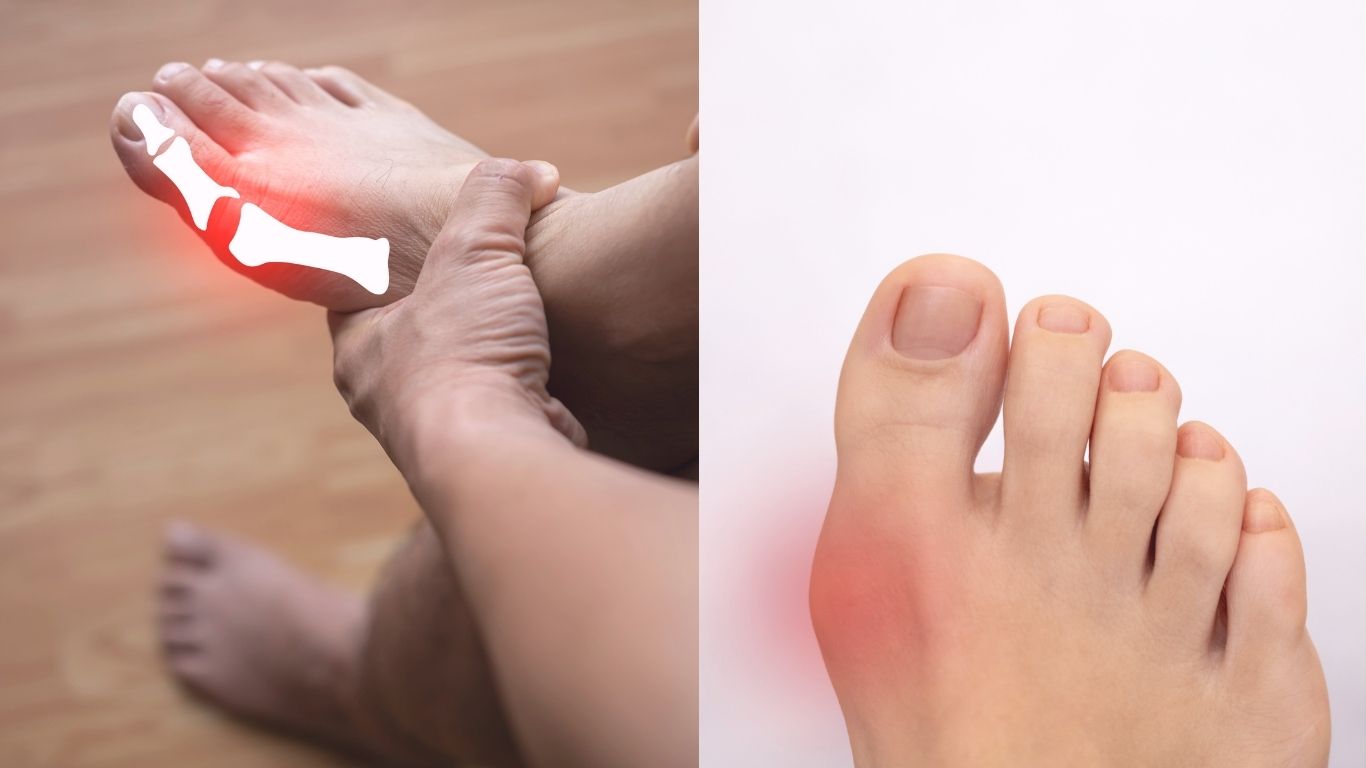
Gout’s hallmark is its sudden, brutal, and unpredictable attack. It often strikes at night, waking the sufferer with a sensation that their joint—most commonly the base of the big toe—is on fire. This classic presentation, known as podagra, is so characteristic that it defines the disease for many.
The acute attack progresses through distinct stages:
-
Intense Pain: The pain peaks within 4 to 12 hours of onset and is often described as throbbing, crushing, or excruciating. The slightest pressure, even from a bedsheet, can be unbearable.
-
Inflammation and Redness: The affected joint becomes swollen, tender, warm to the touch, and exhibits a vivid red or purplish discoloration. The inflammation is so severe that it can mimic a severe infection.
-
Lingering Discomfort: After the most severe pain subsides (which can take days to weeks without treatment), some joint discomfort and stiffness may persist. The skin over the joint may itch and peel as the inflammation recedes.
While the big toe is the prime target, gout can attack other joints: ankles, knees, wrists, fingers, and elbows. If left unmanaged, these acute attacks can become more frequent, last longer, and affect multiple joints simultaneously.
The disease can progress to a more chronic state, known as chronic tophaceous gout. In this stage, uric acid crystallizes into visible, chalky deposits called tophi. These firm, sometimes painful lumps can appear under the skin around joints, on the rim of the ear, or on tendons. Tophi can cause joint deformity and even erode bone if untreated. Furthermore, the same uric acid crystals can deposit in the kidneys, leading to kidney stones (urate nephrolithiasis) and, over time, contribute to chronic kidney disease.
The Root Cause: More Than Just Port and Pâté
At its biochemical heart, gout is a disorder of purine metabolism. Purines are natural substances found in all the body’s cells and in many foods. When purines break down, they produce uric acid, a normal waste product. Typically, uric acid dissolves in the blood, passes through the kidneys, and is excreted in urine. Gout occurs when this system is disrupted, leading to hyperuricemia—an excessively high level of uric acid in the blood.
This hyperuricemia can result from three primary mechanisms:
-
Overproduction of Uric Acid: The body produces too much uric acid. This can be due to genetic factors, conditions like psoriasis or some blood cancers, or a diet very high in purines.
-
Underexcretion of Uric Acid: The kidneys do not remove enough uric acid. This is the most common cause, accounting for about 90% of cases. It can be linked to kidney disease, certain medications (like diuretics or “water pills,” and low-dose aspirin), hypothyroidism, and genetic predispositions.
-
A Combination of Both.
When uric acid levels become saturated in the blood (above approximately 6.8 mg/dL), it precipitates out of solution, forming needle-like monosodium urate crystals. These microscopic crystals are the true culprits. They accumulate in joints and surrounding tissues, lying inert for a time. Then, a trigger—such as physical trauma, a sudden illness, surgery, or a dietary indulgence—can cause the body’s immune system to recognize these crystals as foreign invaders. This triggers a massive inflammatory response, summoning white blood cells and releasing inflammatory chemicals (cytokines like IL-1β), resulting in the agonizing flare.
Key risk factors that contribute to hyperuricemia include:
-
Diet: High intake of red meat, organ meats (liver, sweetbreads), certain seafood (anchovies, sardines, mussels, scallops), and beverages sweetened with high-fructose corn syrup.
-
Alcohol: Particularly beer and spirits, which both increase production and impair excretion of uric acid.
-
Obesity: The body produces more uric acid, and fat tissues promote inflammation.
-
Medical Conditions: Hypertension, insulin resistance, metabolic syndrome, diabetes, and poor kidney function.
-
Medications: As mentioned, diuretics and low-dose aspirin.
-
Genetics: A family history of gout increases one’s risk.
-
Age and Sex: Men are more likely to develop gout earlier (30-50), as estrogen in pre-menopausal women offers some protective effect. After menopause, women’s risk increases.
Systemic Effects: Beyond the Joint
Gout is not merely a painful joint condition; it is a systemic disorder with wide-ranging implications. Chronic, elevated uric acid is now recognized as an independent risk factor for cardiovascular disease, including heart attacks and strokes. The inflammatory state it perpetuates damages blood vessels. The association with metabolic syndrome means gout often coexists with obesity, high blood pressure, insulin resistance, and abnormal cholesterol levels, creating a perfect storm for long-term health complications. The kidney damage from urate crystals and stones can lead to a downward spiral, as worsening kidney function further impairs uric acid excretion, exacerbating the gout.
Prevention and Conventional Management: A Two-Pronged Approach
Effective, modern management of gout is strategic and involves two distinct phases:
1. Treating the Acute Flare: The goal is to reduce pain and inflammation as quickly as possible.
-
NSAIDs: Nonsteroidal anti-inflammatory drugs like ibuprofen or naproxen are first-line.
-
Colchicine: A specific anti-inflammatory that works well if taken early in an attack.
-
Corticosteroids: Oral (like prednisone) or injected directly into the joint for severe flares.
2. Long-Term Urate-Lowering Therapy (ULT): This is the cornerstone of preventing future attacks and complications. It begins once the acute flare has completely settled. The aim is to lower serum uric acid to a target level (usually below 6 mg/dL, or lower in severe cases).
-
Xanthine Oxidase Inhibitors: Allopurinol and febuxostat are the most common. They work by reducing the body’s production of uric acid.
-
Uricosurics: Such as probenecid, which help the kidneys excrete more uric acid.
-
Uricase Agents: Pegloticase is reserved for severe, refractory gout. It breaks down uric acid into a more soluble compound.
Lifestyle and Dietary Prevention is critical alongside medication:
-
Hydration: Drinking plenty of water helps flush uric acid.
-
Dietary Moderation: Limiting high-purine foods, sugary drinks, and alcohol (especially beer).
-
Weight Management: Losing weight slowly and steadily reduces uric acid levels.
-
Regular Exercise: Helps maintain a healthy weight and improves overall metabolic health.
The Homeopathic Perspective and Treatment
Homeopathy approaches gout from a holistic, individualistic standpoint. It views the condition not as an isolated biochemical error but as a manifestation of a deeper, systemic imbalance in the individual’s vital force. The physical deposit of urates is seen as an end-stage expression of an internal disorder. Therefore, homeopathic treatment aims to correct this underlying imbalance, enhance the body’s self-regulatory mechanisms, and address the individual’s unique susceptibility.
A homeopathic practitioner conducts an extensive case-taking, noting not just the physical symptoms of the gout (which joint, nature of pain, modalities), but also the patient’s mental and emotional state, food cravings, sensitivities, and overall constitution. The selected remedy is meant to match this total symptom picture.
Commonly Used Homeopathic Remedies for Gout:
-
Benzoicum Acidum: A top remedy for classic gout, especially when the big toe is swollen, red, and hot. The joints may crack on movement. Urine is often strong-smelling and dark. Suits individuals with a history of kidney issues.
-
Colchicum Autumnale: Indicated for excruciating, burning pain that is unbearable to touch or move. The slightest motion or even the thought of movement aggravates. Often worse in the evening and at night. The joints are extremely sensitive and may be accompanied by nausea.
-
Ledum Palustre: For gout that starts in the lower joints (toes, feet) and moves upwards. The joints are swollen, purplish, and feel cold to the touch, yet the patient may feel better from cold applications and cold bathing. A key characteristic is amelioration from cold.
-
Urtica Urens: Useful for acute flares with intense itching and burning of the skin over the joint, as well as for chronic gout and uric acid deposits. Sometimes used as a supportive remedy to help clear uric acid from the system.
-
Rhododendron: For gouty swelling that worsens before a storm or in wet, damp weather. Affects smaller joints like those in the fingers and toes. Pain is often tearing and shifting.
-
Lycopodium: For right-sided gout, or gout that begins on the right and moves to the left. Suits individuals with digestive issues (bloating, gas) and a craving for sweets. Symptoms are often worse between 4-8 pm.
-
Sabina: For gout with tearing, shooting pains that are worse from heat and better from cold. Often indicated when there is an affinity for the knee joint.
Important Considerations for Homeopathic Treatment:
Homeopathy is used by many as a complementary approach. It is crucial to understand that homeopathic treatment does not directly lower serum uric acid levels in the way allopurinol does. Its proposed action is to stimulate the body’s own healing processes. For this reason, in cases of established chronic tophaceous gout or very high uric acid levels, relying solely on homeopathy without conventional urate-lowering therapy could allow for irreversible joint and kidney damage to progress. The most integrated approach, often adopted by patients, is to use homeopathy to help manage the frequency and intensity of acute flares, improve overall well-being, and support constitutional health, while working with a physician to monitor uric acid levels and manage long-term risk with appropriate conventional medication when necessary.
Frequently Asked Questions (FAQs) About Homeopathic Remedies for Gout
Q1: What is the fundamental principle behind homeopathic treatment for gout?
Homeopathy is based on the principle of “like cures like” (similia similibus curentur) and individualization. It views gout not just as a localized joint issue but as a sign of a deeper, systemic imbalance. A homeopath selects a remedy that, in a healthy person, would produce symptoms similar to those the gout patient is experiencing (like swelling, burning pain), with the aim of stimulating the body’s intrinsic self-healing response.
Q2: Can homeopathy cure gout permanently?
In homeopathic philosophy, the goal is to address the underlying susceptibility that leads to uric acid imbalance and crystal formation. Practitioners believe that by correcting this constitutional imbalance, the frequency and severity of acute gout attacks can be significantly reduced, and long-term management can be achieved. The term “cure” is used to denote a sustained state of health where the body no longer tends to form painful deposits, rather than the elimination of uric acid from the body per se. Results depend on the individual’s constitution, the chronicity of the condition, and the presence of tissue damage like tophi.
Q3: How do I know which homeopathic remedy is right for me?
Homeopathy is highly individualized. Two people with gout may require completely different remedies based on their unique symptom picture. A qualified homeopath conducts a detailed case analysis, considering:
-
Location: Which joint is affected (big toe, ankle, knee)?
-
Sensations: Is the pain burning, tearing, throbbing, or stitching?
-
Modalities: What makes it better or worse? (e.g., touch, motion, cold applications, heat, rest, time of day, weather).
-
Constitutional factors: Your mental and emotional state, food cravings/aversions, sleep patterns, and overall health history.
Self-selection of remedies for acute flare-ups is possible based on clear, matching symptoms, but constitutional treatment for chronic management requires professional guidance.
Q4: Are there specific homeopathic remedies for an acute gout attack?
Yes, certain remedies are commonly indicated for acute flares based on key symptoms:
-
Colchicum: Unbearable pain, sensitivity so great even the thought of movement is awful; worse in evening/night.
-
Belladonna: Sudden, intense onset; joint is red, hot, swollen, throbbing, and shiny; pain comes and goes violently.
-
Ledum Palustre: Swelling starts in lower limbs (feet) and moves upward; joints feel cold to touch but cold applications provide relief.
-
Benzoic Acid: Classic red, hot big toe; cracking in joints; strong-smelling urine.
-
Bryonia: Pain is worse from the slightest movement; patient wants to stay perfectly still; joint is hot and swollen.
Q5: Can I take homeopathic remedies alongside my conventional gout medications (like allopurinol or colchicine)?
Generally, yes. Homeopathic remedies are non-molecular and are not known to interfere pharmacologically with conventional drugs. Many patients use homeopathy as a complementary therapy to help manage symptoms and reduce the frequency of flares while continuing their prescribed urate-lowering therapy. However, it is absolutely essential to inform both your homeopath and your medical doctor about all treatments you are using. You should never discontinue or alter the dosage of your conventional medication without consulting your physician.
Q6: How long does it take for homeopathic remedies to work in gout?
For an acute flare, a well-chosen remedy can act quickly, sometimes within hours, to reduce pain and inflammation. For chronic management and constitutional treatment, the process is longer. It may take several months of consistent treatment under a homeopath’s supervision to observe a significant reduction in the frequency and intensity of attacks and an improvement in overall well-being. The timeline varies greatly from person to person.
Q7: Do I need to follow a special diet while on homeopathic treatment?
While homeopathy itself does not mandate a specific diet, dietary management is a cornerstone of gout control. Most homeopaths will strongly advise adhering to the standard dietary recommendations for gout: staying well-hydrated, limiting high-purine foods (red meat, organ meats, certain seafood), avoiding high-fructose corn syrup, and moderating alcohol intake (especially beer). Some homeopaths may also suggest avoiding strong aromatic substances like coffee, menthol, or camphor, which are traditionally considered to potentially antidote (interfere with) the action of the remedies.
Q8: Can homeopathy help with tophi (uric acid crystal lumps)?
Yes, homeopathy has remedies that are specifically indicated for the slow absorption of tophi. Examples include Urtica urens and Berberis vulgaris. The aim is to support the body’s ability to break down and eliminate these deposits. However, this is a slow process, and large, longstanding tophi may not resolve completely. Homeopathic treatment can help prevent the formation of new tophi and reduce inflammation around existing ones.
Q9: Are homeopathic remedies safe? Do they have side effects?
Properly prepared homeopathic remedies in potencies commonly available over-the-counter (like 6C, 30C) are generally considered safe for most people, including children and pregnant women (under professional guidance). They are non-addictive and do not have chemical side effects. A possible temporary “aggravation” or slight intensification of old symptoms can sometimes occur as the body responds to the remedy, which is seen in homeopathy as a positive sign of the vital force reacting. This should be mild and short-lived.
Q10: Should I use homeopathy instead of conventional treatment for gout?
This is a critical decision. While homeopathy can be a valuable part of a management plan, it should not be used as a sole substitute for conventional medical diagnosis and necessary treatment, especially in advanced cases. Untreated chronic hyperuricemia can lead to permanent joint damage, debilitating tophi, and kidney failure. An integrative approach is often most prudent: use conventional medicine (like urate-lowering drugs) to manage the biochemical pathology and prevent organ damage, and use homeopathy under professional supervision to support overall health, reduce acute symptoms, and address constitutional susceptibility. Always work with qualified practitioners from both fields who are open to collaboration.
Conclusion
Gout is a serious, chronic, yet highly manageable disease. Its dramatic acute flares are a warning sign of a persistent metabolic dysfunction with consequences far beyond the joints. Successful management requires a partnership between patient and physician, combining modern medical understanding with disciplined lifestyle changes. For those seeking a holistic dimension to their care, homeopathy offers a complementary framework that addresses the individual as a whole. Whether using conventional medicine, complementary approaches, or a judicious combination of both, the ultimate goals remain the same: to terminate the excruciating pain of the acute attack, prevent future flares, avoid the debilitating complications of tophi and kidney damage, and reclaim a life of mobility and wellness. The journey from the agony of the foot to a path of relief is one of knowledge, patience, and consistent, tailored care.