
Table of Contents
ToggleManaging High Triglycerides: Symptoms, Causes, Effects,
Prevention, and Homeopathic Remedies for High Triglycerides
Introduction
When we talk about cholesterol, most people focus on the well-known “bad” LDL cholesterol. However, there is another type of fat in your blood that deserves equal attention: triglycerides. These lipids are the most common type of fat in the human body, and while they are essential for energy, having too many of them can set the stage for serious health problems. Unlike the waxy substance of cholesterol, triglycerides are unused calories stored in your fat cells. When you eat, your body converts any calories it does not need right away into triglycerides, which are later released for energy between meals. The problem arises when you consistently consume more calories than you burn, leading to high triglyceride levels, a condition known medically as hypertriglyceridemia. This article explores the nuances of this condition, from its subtle symptoms to its root causes, its long-term effects on the body, practical prevention strategies, and the role of homeopathic treatment as a supportive therapy.
Recognizing the Symptoms of High Triglycerides
One of the most challenging aspects of high triglycerides is that they are largely a silent condition. In the early to moderate stages, most people experience no outward signs at all. You can have elevated triglycerides for years and feel completely healthy, which is why routine blood tests are so critical. However, when levels become very high or persist for a long time, certain physical symptoms may eventually appear.
The most notable visible sign is the development of small, yellowish bumps on the skin. These are known as xanthomas. They can appear on various parts of the body, including the elbows, knees, hands, feet, or even the buttocks. These deposits are essentially collections of fat that accumulate under the skin. Another skin-related symptom is eruptive xanthoma, where clusters of small, pimple-like bumps appear, often surrounded by redness. These can be itchy or tender and typically show up on the torso, back, or limbs.
In extremely severe cases, when triglycerides climb to levels above 1,000 mg/dL, a person may develop lipemia retinalis, a condition where the blood vessels in the retina of the eye take on a pale, milky appearance. This can only be detected by an eye doctor during a dilated eye exam. Another serious symptom is recurrent episodes of abdominal pain, which can sometimes be mistaken for appendicitis or gallstones. This pain is caused by inflammation of the pancreas, a known complication of very high triglycerides. Additionally, some people report experiencing a tingling or burning sensation in their hands and feet due to nerve involvement, though this is less common. The bottom line is that waiting for symptoms is not a wise strategy; regular lipid panels are your best defense.
The Root Causes of High Triglycerides
Understanding why triglycerides rise is key to managing them. The causes are rarely singular; instead, they represent a complex interplay of lifestyle choices, genetics, and underlying medical conditions.
At the top of the list is diet. A diet rich in simple carbohydrates, sugary beverages, and refined grains is a primary driver. When you drink a soda or eat a bowl of white rice, your body rapidly breaks down these foods into glucose. If that glucose is not immediately used for energy, the liver converts it into triglycerides. Fructose, a type of sugar found in fruits, honey, and high-fructose corn syrup (ubiquitous in processed foods and sodas), is particularly potent at raising triglycerides because it bypasses the normal appetite-regulating pathways and goes straight to the liver for fat production.
Lack of physical activity is another major factor. When you lead a sedentary life, you do not burn the calories you consume, especially the energy from fats and carbohydrates. This forces your body to store more and more triglycerides in adipose tissue. Over time, the storage capacity can become overwhelmed, and triglycerides spill over into the bloodstream.
Obesity, particularly excess belly fat, is closely linked to high triglycerides. Excess body fat, especially visceral fat, leads to a state of chronic low-grade inflammation and insulin resistance. When your cells become resistant to insulin, the body produces more of this hormone, which in turn signals the liver to produce more triglycerides.
Excessive alcohol consumption is a well-known cause. Alcohol is high in calories and sugar, and the liver prioritizes metabolizing alcohol over burning fat. This leads to increased triglyceride synthesis. For some individuals, even moderate drinking can trigger a dramatic rise.
Underlying medical conditions also play a significant role. Uncontrolled type 2 diabetes is a major contributor because high blood sugar levels directly promote triglyceride production. Kidney disease and hypothyroidism (an underactive thyroid) can also lead to elevated triglycerides because these conditions slow down the body’s metabolism and fat clearance. Certain medications, including beta-blockers, diuretics, steroids, and some antiretroviral drugs, can raise triglycerides as a side effect.
Finally, genetics cannot be overlooked. Familial combined hyperlipidemia and familial hypertriglyceridemia are inherited conditions that cause the liver to overproduce triglycerides. If you have a family history of high triglycerides or early heart disease, you are at a higher risk regardless of your lifestyle.
The Serious Effects of Uncontrolled High Triglycerides
If left unchecked, high triglycerides are not just a number on a lab report. They have real, tangible effects on multiple organ systems. The most serious and well-documented risk is acute pancreatitis. This is a medical emergency where the pancreas becomes inflamed, causing severe upper abdominal pain, nausea, vomiting, and fever. Extremely high triglycerides (often above 1,000 mg/dL) can break down into fatty acids that damage the pancreas. A single episode of severe pancreatitis can be life-threatening and may lead to chronic pancreatic insufficiency.
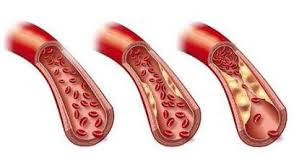
The relationship between high triglycerides and cardiovascular disease is complex but undeniable. While LDL cholesterol is the primary villain in artery-clogging plaque, high triglycerides independently contribute to the process. They are often part of a dangerous cluster of conditions known as the metabolic syndrome, which includes abdominal obesity, high blood pressure, high blood sugar, and low HDL (good) cholesterol. High triglycerides promote the formation of small, dense LDL particles, which are more likely to penetrate artery walls and form plaques. Over years, this accelerates atherosclerosis, leading to coronary artery disease, heart attack, and stroke.
Furthermore, severe hypertriglyceridemia can lead to fatty liver disease, also known as non-alcoholic fatty liver disease (NAFLD). When the liver is overwhelmed with triglycerides, it begins to store fat within its own cells. Over time, this can progress from simple steatosis (fatty liver) to non-alcoholic steatohepatitis (NASH), which involves inflammation and scarring. NASH can eventually lead to cirrhosis, liver failure, and even liver cancer. Many people with high triglycerides also have elevated liver enzymes on blood tests, a clue that the liver is under stress.
Beyond the physical organs, high triglycerides are associated with cognitive decline. Some research suggests that high levels in midlife are linked to an increased risk of developing Alzheimer’s disease and other dementias later in life. The exact mechanism is still being studied, but it may involve reduced blood flow to the brain or the direct toxic effects of fats on neural tissue.
Prevention and Lifestyle Strategies That Work
The good news is that high triglycerides are one of the most responsive risk factors to lifestyle changes. Unlike your genetic makeup, triglycerides can often be dramatically lowered within a few weeks of adopting healthier habits.
Dietary modification is the most powerful tool. The first step is to drastically reduce or eliminate added sugars, especially from sugary drinks like soda, sweet tea, fruit juice, and energy drinks. Even natural sugars like honey and maple syrup should be used sparingly. Replace refined carbohydrates such as white bread, white rice, pasta, and pastries with whole grains like oats, quinoa, brown rice, and barley. Whole grains contain fiber, which slows the absorption of sugar and helps regulate triglyceride production.
Focus on healthy fats. Instead of saturated fats found in red meat and full-fat dairy, emphasize monounsaturated and polyunsaturated fats. Fatty fish like salmon, mackerel, sardines, and tuna are rich in omega-3 fatty acids, which have a direct triglyceride-lowering effect. The American Heart Association recommends eating fish at least twice a week. Plant-based sources of healthy fats include avocados, walnuts, flaxseeds, and olive oil.
Alcohol should be severely limited or eliminated entirely. For some people, even small amounts of alcohol can cause a significant spike in triglycerides. If your levels are very high, complete abstinence is often necessary, at least until numbers normalize.
Regular physical activity is non-negotiable. Aerobic exercise is particularly effective at reducing triglycerides. Aim for at least 150 minutes of moderate-intensity exercise (like brisk walking, jogging, cycling, or swimming) each week. Exercise increases the activity of an enzyme called lipoprotein lipase, which helps clear triglycerides from your blood. Even a single session of moderate exercise can temporarily lower triglyceride levels for 24 to 48 hours.
Weight loss, even as little as 5 to 10 percent of your body weight, can have a profound impact on triglycerides. Losing belly fat reduces insulin resistance and improves the liver’s ability to process fats. Combine calorie awareness with the dietary and exercise changes above for the best results.
Finally, manage your blood sugar. If you have diabetes or prediabetes, keeping your blood glucose under control through diet, exercise, and medication (if prescribed) will directly lower your triglycerides.
A Homeopathic Perspective on High Triglycerides
Before discussing homeopathic approaches, it is crucial to state that homeopathy should never replace conventional medical treatment, especially for conditions like acute pancreatitis or severe cardiovascular risk. Homeopathy is best used as a complementary, supportive therapy aimed at improving the underlying constitutional terrain that leads to metabolic imbalances. Homeopathic remedies are highly individualized; a trained homeopath selects a remedy based on a person’s complete physical, emotional, and genetic picture, not just their triglyceride number. That said, several homeopathic remedies have a historical and clinical association with fat metabolism and liver function.
One commonly indicated remedy is Calcarea Carbonica. This remedy is often suited to people who are overweight, flabby, and easily fatigued. They tend to crave eggs, sweets, and indigestible things like chalk or dirt. They are often chilly, sluggish, and feel worse from cold and exertion. In such individuals, high triglycerides are often part of a broader picture of slow metabolism, poor digestion, and a tendency toward fatty deposits.
Lycopodium Clavatum is another major remedy for liver and digestive complaints. The Lycopodium person often has a strong appetite but feels full after eating only a small amount. They suffer from bloating, gas, and a worsening of symptoms in the late afternoon and evening. They may be thin on top but have a potbelly, and they tend to have right-sided problems (the liver is on the right). This remedy is thought to support liver function and improve fat digestion.
Chelidonium Majus is specifically known as a liver remedy. It is indicated when there is jaundice, pain under the right shoulder blade, and a yellow coating on the tongue. People needing Chelidonium often have a poor tolerance for fatty foods, experiencing nausea or loose stools after eating them. This remedy is often considered when high triglycerides are accompanied by elevated liver enzymes or signs of a sluggish liver.
Natrum Muriaticum is a deep-acting constitutional remedy that may be helpful when high triglycerides are linked to emotional stress, grief, or suppressed emotions. These individuals often have a craving for salt, a dry mouth, and a tendency to feel worse in the sun. They may appear reserved but have deep emotions. Chronic stress can raise cortisol, which in turn can raise triglycerides, and Natrum Muriaticum is thought to help regulate the stress response.
Phosphorus is sometimes indicated for people with a slender build who burn out easily. They are often warm-blooded, crave cold drinks and ice cream, and have a tendency to bleed easily. They are sensitive, empathetic, and prone to anxiety. When their metabolism is out of balance, they may develop high triglycerides despite not being obviously overweight.
It is essential to understand that homeopathy does not directly “lower triglycerides” in the way a statin drug or fish oil does. Instead, it aims to correct the underlying energetic and functional disturbances that contribute to dyslipidemia. A homeopath would take a full case history, including diet, lifestyle, emotional state, family history, and any past illnesses. The chosen remedy is intended to stimulate the body’s self-regulatory mechanisms. Anyone considering homeopathic treatment should work with a qualified practitioner and continue regular monitoring of their lipid profile through conventional blood tests. Never stop prescribed medications or ignore standard dietary advice in favor of homeopathy alone.
Frequently Asked Questions About Homeopathic Remedies for High Triglycerides
1. Is there any scientific evidence that homeopathic remedies can lower triglycerides?
Yes, there is a growing body of preliminary research, though large-scale definitive studies are still needed. Several clinical studies and case series have reported positive outcomes. For instance, a retrospective study published in the journal Homœopathic Links found that the remedy Lapis albus in a 30C potency led to a clinically important reduction in triglyceride levels in 23 out of 25 cases . Another case series documented in the Journal of Ayurveda and Integrative Medicine showed that Fucus vesiculosus mother tincture helped reduce triglyceride levels to the normal range within four months . Furthermore, a randomized controlled trial conducted by the Central Council for Research in Homoeopathy (CCRH) found that individualized homeopathic medicines, along with lifestyle modifications, played a potential role in managing dyslipidemia, with frequently prescribed remedies including Lycopodium, Sulphur, and Calcarea carbonica . While promising, it is important to view this as supporting evidence rather than conclusive proof.
2. How quickly can I expect to see results with homeopathic treatment?
Homeopathy is generally not a quick fix. The primary goal is to stimulate the body’s self-regulatory mechanisms, which takes time. Based on available studies, a reasonable timeframe is several months. The case series on Fucus vesiculosus measured results after 4 months of treatment . The CCRH trial on individualized homeopathy assessed outcomes at 3 and 6 months . Therefore, you should be prepared for a long-term commitment, with regular follow-ups and repeat lipid profile tests to monitor progress. Do not expect dramatic changes in a matter of days or weeks.
3. Which specific homeopathic remedies are known for treating high triglycerides?
Remedies are chosen based on your unique symptom profile (individualization), not just the condition name. However, some remedies have a known affinity for fat metabolism and liver function. Based on the search results and classical homeopathic literature, commonly indicated remedies include:
Lapis albus: Emerging research suggests it may be specifically useful for reducing high triglyceride levels .
Fucus vesiculosus: A case series showed its effectiveness, and it is often considered for thyroid-related and metabolic issues .
Carduus marianus: This remedy, derived from milk thistle, is traditionally used for liver and gallbladder problems and has been the subject of a clinical trial for dyslipidemia .
Calcarea carbonica, Lycopodium, Sulphur: These were the most frequently prescribed medicines in a large, multi-centric trial for dyslipidemia, indicating their common usefulness for this condition .
Other remedies mentioned in research and practice for lipid management include Aesculus hippocastenum, Chelidonium, and Phytolacca . Again, a qualified homeopath must select the correct remedy for you.
4. Is homeopathic treatment safe to take alongside my prescribed statins or other lipid-lowering drugs?
Generally, yes, homeopathic remedies are considered safe to take alongside conventional medication because they are highly diluted and do not chemically interact with drugs. However, you must never stop or reduce your prescribed medication without your doctor’s explicit approval. A responsible homeopath will work in an integrative manner, supporting your overall health while you continue your conventional treatment. The goal is to potentially improve your lipid profile to the point where, under your doctor’s supervision, your medication dosage could eventually be reduced. Always inform both your doctor and your homeopath about all treatments you are taking .
5. Can homeopathy replace diet and exercise for managing high triglycerides?
Absolutely not. All available research, including the studies cited here, emphasizes that homeopathy is used as an adjunct or complementary therapy. The CCRH trial specifically studied “individualized homeopathy plus therapeutic lifestyle changes (diet and exercise)” . Another study on “homeopathic food” combined its use with a standard Therapeutic Lifestyle Change (TLC) diet . The most effective approach is to view homeopathy as one part of a comprehensive strategy that includes a low-sugar, low-refined-carb diet, regular physical activity, weight management, and limited alcohol intake. Homeopathy is not a substitute for these fundamental lifestyle measures.
6. How is a homeopathic remedy chosen for high triglycerides? Is it the same for everyone?
No, it is not the same for everyone. This is the core principle of homeopathy. A homeopath will not just look at your lab report showing high triglycerides. They will conduct a detailed “case-taking” interview to understand your complete picture, including your physical symptoms (digestion, energy levels, food cravings, body temperature), your emotional state (stress levels, mood patterns, specific fears or anxieties), your medical history, and family history. For example, one person whose high triglycerides are linked to a sluggish, chilly constitution and a craving for sweets might receive Calcarea Carbonica, while another person with a bloated abdomen, right-sided liver pain, and worsening symptoms in the late afternoon might receive Lycopodium . This individualization is why you should always consult a professional.
7. What lifestyle changes are most critical to support homeopathic treatment for high triglycerides?
To give any treatment, homeopathic or conventional, the best chance of success, focus on the fundamentals:
Cut Sugar and Refined Carbs: Drastically reduce or eliminate sugary drinks (soda, juice, sweet tea), white bread, white rice, pasta, and pastries.
Increase Healthy Fats: Eat fatty fish (salmon, mackerel, sardines) twice a week, and include avocados, nuts, and olive oil.
Limit Alcohol: Alcohol can dramatically raise triglycerides. Many people need to cut it out completely, at least temporarily .
Exercise Regularly: Aim for at least 150 minutes of moderate-intensity exercise (like brisk walking) per week.
Lose Excess Weight: Losing even 5-10% of your body weight can have a significant impact.
8. Are there any side effects of using homeopathic remedies for high triglycerides?
Homeopathic remedies prepared according to official pharmacopoeias are generally considered safe and free from serious side effects due to their high dilution. They are non-toxic and non-addictive. However, you may occasionally experience a “homeopathic aggravation,” which is a temporary, mild worsening of existing symptoms before improvement begins. This is generally seen as a positive sign but should be reported to your homeopath. As with any treatment, if you experience any concerning new symptoms, you should stop the remedy and consult a healthcare professional. Product pages often state “no side effects,” but individual sensitivity can always occur .
Disclaimer: This information is for educational purposes only and does not constitute medical advice. Homeopathic remedies should be taken under the guidance of a qualified practitioner. Do not discontinue conventional treatments without consulting your doctor.
Conclusion
High triglycerides are a common but highly manageable health issue. While they rarely cause symptoms in the early stages, their long-term effects on the pancreas, heart, liver, and even the brain are too serious to ignore. The path to healthy triglyceride levels is surprisingly straightforward: reduce sugar and refined carbs, eat healthy fats, exercise regularly, limit alcohol, and control your weight. These lifestyle measures are more effective than any pill for most people. For those who wish to explore complementary therapies, homeopathy offers an individualized, holistic approach that may support metabolic health, but it should always be used alongside, not in place of, sound medical advice and regular checkups. By taking proactive steps today, you can keep your triglycerides in check and protect your long-term health.













1 thought on “Homeopathic Remedies for High Triglycerides”