Table of Contents
TogglePimples: Symptoms, Causes, Effects, Prevention and Effective Homeopathic Remedies for Pimples
Introduction
Pimples are a nearly universal human experience, often appearing at the most inconvenient times and leaving us searching for solutions. While frequently dismissed as a minor nuisance, frequent or severe breakouts can be a source of significant distress, impacting self-esteem and leaving lasting marks on the skin. This comprehensive guide delves deep into the world of pimples, exploring their causes, symptoms, effects, and the myriad ways to prevent and treat them, with a special focus on the holistic approach of homeopathy.
What is a Pimple? Understanding the Basics
To understand a pimple, we must first understand the terrain it inhabits: the skin. Our skin is covered in tiny holes called pores, which are the openings of hair follicles. Each follicle is connected to a sebaceous gland, whose job is to produce an oily substance called sebum. Sebum is not the enemy; it is the body’s natural moisturizer, designed to keep the skin lubricated and healthy.
A pimple, also known as a spot or zit, is what happens when this system gets clogged. Problems begin when there is an overproduction of sebum. This excess oil mixes with dead skin cells that are shed from the lining of the follicle. Instead of rising to the surface, this sticky mixture forms a plug, blocking the pore. Trapped inside this oxygen-free environment, a bacterium called Cutibacterium acnes (or Propionibacterium acnes), which normally lives harmlessly on the skin, can multiply rapidly. The body’s immune system responds to this bacterial overgrowth and the trapped debris, leading to inflammation. This entire process results in the red, swollen, and sometimes painful bump we know as a pimple.
Pimple vs. Acne: Knowing the Difference
It is helpful to distinguish between a pimple and the broader condition known as acne. While the terms are often used interchangeably, acne is the chronic, inflammatory skin disease itself, whereas pimples are the individual symptoms or lesions that appear as a result of that condition. Think of it this way: acne is the condition, and pimples (along with blackheads and whiteheads) are its visible signs. A person can have an occasional pimple without having chronic acne, but a diagnosis of acne implies a persistent pattern of these lesions.
Symptoms and Types of Pimples
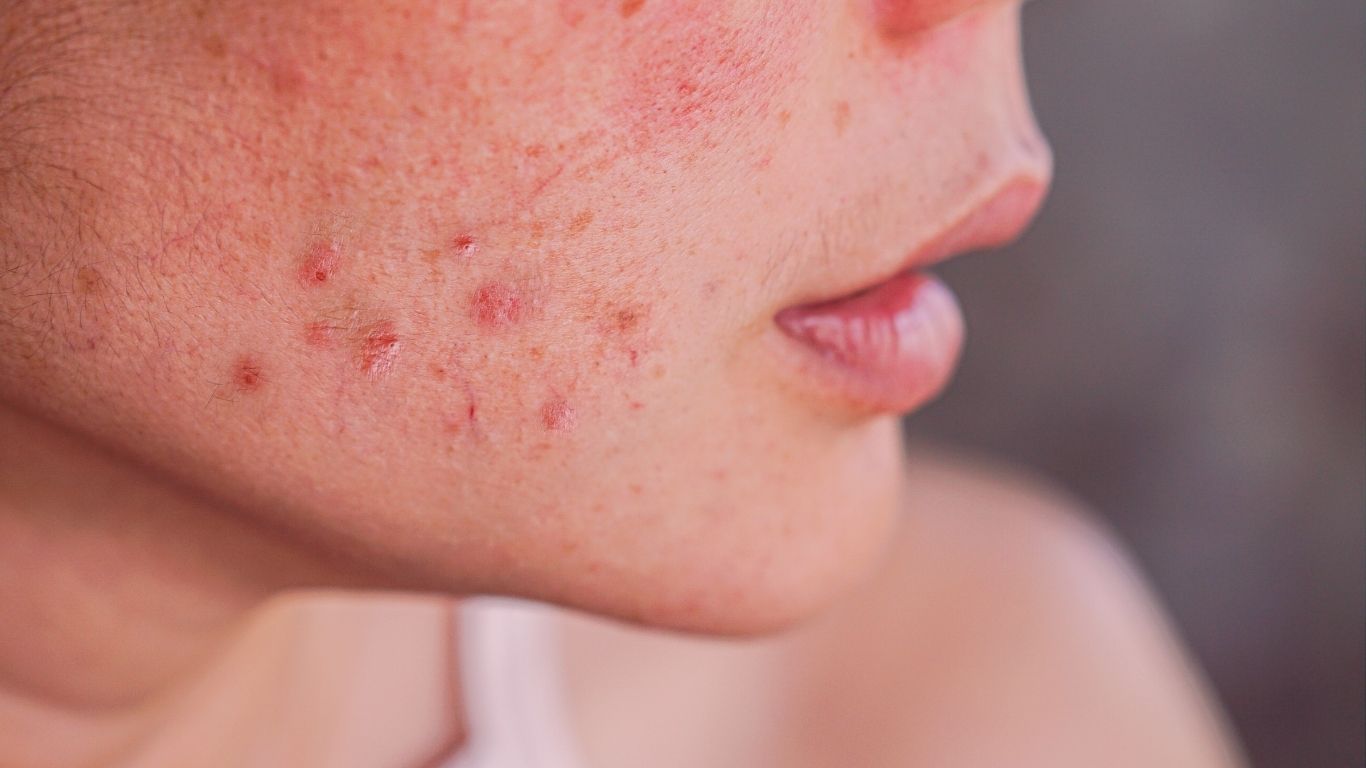
Pimples are not a one-size-fits-all phenomenon. They manifest in various forms, ranging from mild to severe. Dermatologists classify them based on their appearance and severity.
Non-Inflammatory Lesions
Non-inflammatory lesions are the most basic type of pimple. They include:
Blackheads (Open Comedones) : These occur when the clogged pore remains open, and the trapped oil and skin cells are exposed to the air. The oxidation, not dirt, turns the plug dark. This is why blackheads have their characteristic dark appearance despite being clean.
Whiteheads (Closed Comedones) : These form when the follicle opening is completely blocked, trapping the sebum and skin cells beneath a thin layer of skin. This creates a small, flesh-colored or whitish bump that appears on the surface.
Inflammatory Lesions
Inflammatory lesions indicate a more significant immune response from the body:
Papules: These are small, solid, round, and often tender red bumps that rise from the skin. They signal that the follicle wall has broken down and become inflamed. Papules do not contain pus and can be sensitive to touch.
Pustules: These are what most people envision as a classic pimple. They are similar to papules but have a white or yellow pus-filled center. This pus is a result of the body’s fight against the bacteria trapped within the follicle.
Severe Inflammatory Lesions
Deep, severe inflammatory lesions require professional medical attention:
Nodules: These are large, solid, painful lumps that develop deep beneath the surface of the skin. They are firm to touch and represent a more severe form of inflammation that can persist for weeks or months.
Cysts: These are deep, soft, pus-filled lesions that are also painful. Cysts have a high likelihood of causing permanent scarring due to the depth and extent of the inflammation. Unlike nodules, cysts feel soft because they are filled with fluid or pus.
Causes and Triggers of Pimples
The formation of a pimple is a complex interplay of several internal and external factors. The four primary pillars of pimple formation are increased sebum production, clogging of the pores (follicular hypercornification), bacterial colonization, and inflammation.
Hormonal Factors
Hormones are often the main drivers of pimple formation, particularly during puberty. Androgens, hormones that increase in both boys and girls, stimulate the sebaceous glands to enlarge and produce more sebum. This is why breakouts are so common during adolescence. Hormonal fluctuations continue to play a role in adulthood, with many women experiencing pre-menstrual flares, or acne related to pregnancy, polycystic ovary syndrome (PCOS), and perimenopause.
Genetic Predisposition
Genetics play a significant role in determining who gets pimples and how severely. If your parents had acne during their teenage years or adulthood, you are more likely to struggle with it as well. Genetic factors can influence how your sebaceous glands respond to hormones and how quickly your skin cells shed.
Lifestyle and Environmental Factors
Lifestyle and environmental factors can act as triggers or aggravators for pimple formation:
Stress: Stress does not directly cause pimples but can worsen existing acne. When you are stressed, your body produces more hormones such as cortisol, which can boost oil production and lead to breakouts.
Diet: Diet is another factor that has gained attention in recent years. Some studies suggest that high-glycemic foods like white bread, sugary snacks, and chips may exacerbate acne in some individuals by causing rapid spikes in blood sugar and insulin. The evidence for dairy, particularly skim milk, as a trigger is still being explored but is considered a potential factor for some people.
Friction and Pressure: External factors like friction or pressure on the skin, often from helmets, tight collars, backpacks, or even constantly holding a phone to your cheek, can cause a type of acne called “acne mechanica.”
Cosmetics and Hair Products: Using comedogenic (pore-clogging) cosmetics, heavy sunscreens, or hair products can contribute to blocked follicles. Always look for non-comedogenic labels on products that will come into contact with your skin.
Medications: Certain medications, including corticosteroids, lithium, and some anti-epileptics, are known to trigger acneiform eruptions that resemble common pimples.
Effects of Pimples Beyond the Physical
The effects of pimples extend far beyond the physical symptoms of redness, swelling, and pain.
Physical Scarring and Pigmentation
The most immediate physical effect is the potential for permanent scarring. Picking or squeezing a pimple significantly increases this risk, as it can push bacteria and debris deeper into the skin, worsening inflammation and damaging the surrounding tissue. After a pimple heals, it often leaves behind post-inflammatory hyperpigmentation—dark spots or patches that can take months to fade, especially in people with skin of color. These marks can sometimes be more distressing than the original pimple.
Psychological and Social Impact
The psychological and social effects of acne are profound and well-documented. Acne vulgaris affects a staggering 85% of adolescents, a period when self-image and social acceptance are paramount. Even mild cases can have a detrimental effect on a young person’s self-esteem, leading to poor self-image, social withdrawal, depression, and anxiety.
The visible nature of the condition can cause significant emotional distress. Many individuals with acne report avoiding social situations, feeling embarrassed in public, and experiencing difficulties in relationships. Studies have shown that the impact of acne on quality of life can be just as significant as that of chronic diseases like asthma or epilepsy. Adults with acne may face professional challenges, feeling less confident in workplace interactions and leadership roles.
Prevention Strategies for Clearer Skin
Preventing pimples is often about consistent, gentle skincare and making mindful lifestyle choices. The goal is not to strip the skin, but to keep it clean, balanced, and free from excess oil and debris without causing irritation.
Building a Simple and Consistent Skincare Routine
Cleanse Properly: Wash your face twice daily with a gentle, non-abrasive cleanser. Over-washing can strip the skin of its natural oils, leading to increased oil production as the skin tries to compensate. Use lukewarm water rather than hot water, which can be drying.
Moisturize Daily: Use a lightweight, non-comedogenic moisturizer to keep the skin hydrated. Even oily skin needs moisture. When skin becomes dehydrated, it can produce even more oil to compensate, potentially leading to more breakouts.
Protect from the Sun: Apply a non-comedogenic sunscreen with at least SPF 30 every morning. Many acne treatments can increase the skin’s sensitivity to the sun, and sun exposure can darken post-inflammatory marks, making them take longer to fade.
Choose Makeup Wisely: If you wear makeup, choose water-based, non-comedogenic products and always remove them completely before bed. Sleeping in makeup is one of the fastest ways to clog pores and trigger breakouts.
Hygiene and Lifestyle Habits
Keep Hands Off: Avoid touching your face throughout the day and never pick, pop, or squeeze pimples. This is the golden rule of acne prevention. Your hands carry bacteria and dirt that can introduce new infections to already inflamed pores.
Clean Your Surroundings: Change your pillowcases and towels frequently, as they can accumulate oil, bacteria, and dead skin cells. Disinfect your phone screen regularly, as it presses against your face during calls.
Pay Attention to Hair Care: Wash your hair regularly and keep hair products and oils away from your forehead and face to prevent “pomade acne.” Hair products containing oils and heavy ingredients can travel onto the skin and clog pores.
Manage Sweat: Shower or rinse your face after sweating heavily from exercise. Sweat itself doesn’t cause pimples, but when mixed with oils and bacteria on the skin, it can contribute to clogged pores.
Diet and Hydration: Drink plenty of water and maintain a balanced diet rich in whole grains, vegetables, and lean proteins. While diet is not the root cause of acne, a lower-glycemic diet that minimizes blood sugar spikes may help some individuals. Pay attention to your own body’s reactions to foods like dairy or sugar, as triggers can be highly individual.
The Homeopathic Approach to Pimple Treatment
Homeopathy offers a distinct and holistic path to managing acne. It is based on the principle of “like cures like” and treats the individual as a whole, rather than focusing solely on the localized skin condition.
Principles of Homeopathic Treatment
The fundamental belief in homeopathy is that acne is not the disease itself, but an outward manifestation of an inner imbalance, whether physical, emotional, or genetic. Rather than simply suppressing the symptoms with topical applications, homeopathy aims to address the underlying constitutional factors that allow acne to develop.
In a homeopathic consultation, the practitioner takes an extremely detailed case history. This goes far beyond looking at the pimples. They will inquire about:
-
The precise location and sensation of the lesions
-
Factors that make the condition better or worse (modalities)
-
Dietary desires and aversions
-
Thermal preferences (whether you feel chilly or warm)
-
Personality traits, fears, and anxieties
-
Menstrual history for women
-
Sleep patterns and dreams
-
Family medical history
All of these unique characteristics are woven together to form the “totality of symptoms,” which then guides the selection of a single, individualized homeopathic remedy. The goal is to stimulate the body’s own vital force to restore balance and heal itself from the inside out.
Common Homeopathic Remedies for Acne
Based on extensive clinical experience and documented case studies, several homeopathic remedies have emerged as particularly useful for different presentations of acne:
Calcarea Carbonica: This remedy is often indicated for patients who are overweight, lethargic, and easily chilled. They may have a strong desire for eggs and sweets, along with irregular menses. Their acne tends to be associated with general sluggishness and metabolic disturbances.
Mercurius Solubilis: This remedy is typically chosen for patients with pustular or cystic acne that may be tender or sensitive. These individuals often have offensive body odors from breath and sweat, excessive salivation, and a history of recurrent infections. Their pimples may appear on the face, neck, and shoulders.
Natrum Muriaticum: This remedy is selected for patients whose acne is aggravated by stress and sun exposure. These individuals typically have a desire for salty food and may be sensitive, irritable, or reserved emotionally. They tend to hold onto grief or past hurts, and their skin issues often flare during times of emotional stress.
Sepia Officinalis: This remedy is particularly useful for women whose acne is hormonally driven, flaring before menstruation. These patients often experience general fatigue, irritability, and a feeling of being overwhelmed. They may have a yellowish discoloration of the skin and prefer open air and vigorous exercise.
Sulfur: This is one of the most common remedies for skin conditions. It is indicated when the skin is unhealthy, every little injury tends to suppurate, and the acne is burning, itching, or worse from washing. These individuals are often philosophical, theoretical, and may be untidy in their habits.
Evidence Supporting Homeopathic Treatment
The efficacy of this approach is increasingly supported by published research. A case series published in the journal Homœopathic Links in 2025 detailed the successful treatment of a 28-year-old woman with facial acne using the remedy Sepia officinalis. After a thorough case analysis, the prescription was made, and over three months, the patient experienced a complete disappearance of the lesions.
Another compelling case series published in late 2024 focused on the homeopathic management of acne vulgaris in teenagers. The study used standardized assessment tools like the Global Acne Grading System (GAGS) and the Teenager’s Quality of Life (T-QoL) questionnaire to measure outcomes objectively. The results showed that individualized homeopathic treatment led to a significant reduction in both the severity of the acne and its negative impact on the teenagers’ quality of life, with positive changes often seen within two months.
Further evidence comes from a case series published in the journal AYUHOM, which documented five cases of patients aged 18-40 with moderate to severe acne. These patients, who had not found success with conventional treatments, were treated with individualized homeopathy. In all five cases, the homeopathic treatment successfully transitioned the patients from moderate or severe acne to a mild state, as measured by the GAG score.
These cases, and others like them, demonstrate that homeopathy can be a safe, gentle, and effective alternative or complementary approach to managing acne. It addresses not just the skin lesions, but the individual’s overall health and well-being, with the goal of preventing recurrence rather than simply suppressing current breakouts.
Integrating Homeopathy with Conventional Care
For many individuals, the best approach to managing pimples may involve integrating homeopathy with conventional skincare and lifestyle measures. Homeopathic treatment can work alongside a gentle skincare routine, healthy diet, and stress management practices. The key is to work with qualified practitioners in both fields who can communicate and coordinate care for the best possible outcomes.
Frequently Asked Questions About Homeopathic Remedies for Pimples
Understanding Homeopathic Treatment for Acne
Q1: How does homeopathy approach pimple treatment differently from conventional medicine?
Homeopathy treats pimples by addressing the individual as a whole rather than focusing solely on the skin lesions. While conventional medicine typically uses topical creams or oral medications to suppress visible symptoms, homeopathy seeks to understand the underlying imbalance that allows pimples to develop. A homeopathic practitioner considers your physical symptoms, emotional state, lifestyle, and even personality traits to select a remedy that stimulates your body’s own healing mechanisms. The goal is not just to clear current pimples but to prevent future breakouts by restoring overall health and balance.
Q2: Is homeopathic treatment effective for all types of pimples?
Homeopathic treatment can be effective for various types of pimples, from mild whiteheads and blackheads to more severe cystic acne. However, the effectiveness depends largely on proper remedy selection based on individual symptoms. A well-chosen constitutional remedy can address superficial pimples as well as deep, inflamed lesions. That said, very severe, nodulocystic acne may require integrated treatment approaches, and your homeopath can advise you on when conventional intervention might also be necessary.
Q3: How long has homeopathy been used for treating skin conditions like acne?
Homeopathy has been used to treat skin conditions for over 200 years, since its founding by Samuel Hahnemann in the late 18th century. Skin disorders have always been a core area of homeopathic practice, with extensive clinical experience and documentation in the homeopathic materia medica. Many of the remedies commonly used for acne today were first described and proved in the 19th century and have been refined through generations of clinical use.
The Consultation and Remedy Selection Process
Q4: What should I expect during a homeopathic consultation for my pimples?
A homeopathic consultation is typically quite detailed and may last one to two hours for an initial visit. The practitioner will ask extensive questions about your pimples, including their location, appearance, sensation, and what makes them better or worse. But the questioning goes far beyond the skin. You will be asked about your overall health, energy levels, sleep patterns, food cravings and aversions, temperature preferences, menstrual history (for women), emotional tendencies, fears, and even your dreams. This comprehensive picture helps the practitioner understand you as a unique individual and select the most appropriate remedy.
Q5: How does a homeopath choose which remedy to prescribe?
The homeopath selects a remedy by matching your complete symptom picture to the known symptom picture of various remedies, as described in the homeopathic materia medica. This process, called “individualization,” means that two people with seemingly identical pimples might receive completely different remedies based on their overall constitution. For example, one person’s acne might respond to Sulphur because they are always warm, love cold drinks, and have irritable skin, while another’s might require Pulsatilla because they are emotionally sensitive, crave fresh air, and have hormonal flares.
Q6: Can I choose my own homeopathic remedy from a health food store?
While combination acne remedies are available over the counter, they are generally less effective than individually prescribed constitutional remedies. These pre-mixed products take a one-size-fits-all approach that contradicts homeopathy’s fundamental principle of individualization. They may provide temporary or partial relief for some people, but for lasting results, consulting a qualified homeopathic practitioner is strongly recommended. Self-prescribing based on limited knowledge often leads to disappointment and the mistaken belief that homeopathy does not work.
Q7: Will I need to stop my current skincare products during homeopathic treatment?
Not necessarily, but your homeopath may recommend adjustments to your skincare routine. Harsh, medicated cleansers or strong topical treatments may interfere with the body’s healing response or mask symptoms that help guide remedy selection. Your practitioner will work with you to develop a gentle, supportive skincare routine that complements the internal treatment. Generally, simple, non-comedogenic, and fragrance-free products are recommended during homeopathic treatment.
Q8: How do I know which remedy is right for me?
The right remedy for you is determined by a qualified homeopath through detailed case analysis. No two individuals are exactly alike, and the remedy must match your unique constellation of symptoms. For example, two people with similar-looking pustules might receive different remedies because one is warm-blooded and thirsty while the other is chilly and has no thirst. This individualization is what makes homeopathic treatment so precise and effective when properly applied.
Q9: Can the same remedy work for different people with acne?
Yes, the same remedy can work for different people, but only if their overall symptom pictures match that remedy. For instance, Sulphur might help two different people with acne if they both share the characteristic Sulphur traits of being warm, having burning skin symptoms, and feeling worse from heat. However, the remedy is chosen based on the person, not the disease, so the match must be constitutional rather than based solely on the skin condition.
Safety and Side Effects
Q10: Are homeopathic remedies safe for long-term use?
Yes, homeopathic remedies are generally considered safe for long-term use when prescribed by a qualified practitioner. They are prepared through a process of serial dilution and succussion, making them non-toxic and free from side effects typical of conventional medications. They do not accumulate in the body, interact with other medications, or suppress natural bodily functions. This safety profile makes them suitable for people of all ages, including children, pregnant women, and those with chronic conditions requiring ongoing treatment.
Q11: Can homeopathic remedies cause side effects or make my acne worse?
Homeopathic remedies are highly diluted and generally do not cause side effects in the way conventional medications do. However, some people may experience a temporary “homeopathic aggravation,” where symptoms briefly worsen before improving. This is considered a positive sign that the remedy is working and stimulating the body’s healing response. Such aggravations are typically mild and short-lived. If you experience any concerning changes, you should contact your homeopathic practitioner for guidance.
Q12: Are homeopathic remedies safe to take with prescription acne medications?
Homeopathic remedies are generally safe to take alongside prescription medications as they are non-toxic and do not interact pharmacologically. However, it is essential to inform both your homeopathic practitioner and your dermatologist about all treatments you are using. Some conventional acne medications, particularly oral antibiotics and isotretinoin, may affect the body’s overall response to treatment, and your practitioners need this information to coordinate care effectively.
Q13: Is homeopathy safe for teenagers with hormonal acne?
Absolutely. Homeopathy is particularly well-suited for teenagers with hormonal acne because it addresses the underlying imbalance without exposing young people to the potential side effects of conventional medications like antibiotics, hormonal therapies, or isotretinoin. Teenagers often respond well to homeopathic treatment, and it can be safely used during this critical period of physical and emotional development.
Treatment Timeline and Expectations
Q14: How quickly can I expect to see results with homeopathic treatment?
The timeline for improvement varies depending on several factors, including the severity and duration of your acne, your overall health, and how precisely the remedy matches your constitutional picture. Some people notice improvement within a few weeks, particularly in the inflammatory symptoms. For chronic, long-standing acne, it may take several months of treatment to see significant clearing. Your homeopath will monitor your progress and adjust the remedy or potency as needed. Patience and consistency are essential for optimal results.
Q15: Will my acne come back after homeopathic treatment stops?
The goal of constitutional homeopathic treatment is to stimulate a lasting cure, not temporary suppression. When treatment is successful and the underlying imbalance is addressed, acne often resolves permanently or remains significantly improved. However, major life changes, significant stress, hormonal shifts like pregnancy or menopause, or other health challenges might trigger new breakouts. At such times, a follow-up consultation can help re-establish balance.
Q16: How many homeopathic consultations will I need for my acne?
The number of consultations varies based on your individual case. Typically, an initial consultation is followed by a follow-up visit in 4 to 6 weeks to assess response and adjust treatment if needed. As improvement continues, follow-ups may become less frequent, perhaps every 2 to 3 months. Once the acne has cleared and you are stable, your practitioner may recommend occasional check-ins to maintain progress. Some people require only a few months of treatment, while others with deeper constitutional issues may benefit from longer-term support.
Q17: What if the first remedy prescribed doesn’t work for my pimples?
It is not uncommon for the first remedy to provide only partial improvement or to need adjustment. Homeopathy is both an art and a science, and finding the perfectly matched constitutional remedy can sometimes take time. Your practitioner will carefully evaluate your response at follow-up appointments, considering any changes in your symptoms and overall health. Based on this evaluation, they may adjust the potency, change the remedy, or consider a different approach. This process of observation and refinement is part of what makes homeopathic treatment so precise.
Integrating Homeopathy with Other Approaches
Q18: Can I use homeopathy alongside natural skincare and herbal remedies?
Yes, homeopathy can generally be used alongside natural skincare products and herbal remedies. However, it is wise to inform your homeopath about all products and supplements you are using. Strong essential oils, harsh exfoliants, or potent herbal preparations might affect your skin’s response or, in rare cases, interfere with the homeopathic remedy. Your practitioner can guide you on compatible natural approaches that support rather than hinder your healing.
Q19: Should I continue using over-the-counter acne products during homeopathic treatment?
This depends on your individual situation and should be discussed with your homeopath. In many cases, it is beneficial to simplify your skincare routine and reduce reliance on medicated products so that the homeopathic remedy’s effects can be clearly observed. Harsh acne treatments may also mask symptoms that help guide remedy selection. Your homeopath will work with you to develop a gentle, supportive routine that complements the internal treatment.
Q20: Can homeopathy help with acne scars and dark spots?
Yes, homeopathy can be helpful for post-inflammatory hyperpigmentation (dark spots) and improving overall skin health and healing capacity. Remedies like Sulphur, Berberis Aquifolium, and others may help fade discoloration and improve skin tone when prescribed constitutionally. For deep, pitted scars, homeopathy can support the body’s healing processes, but physical scar treatments like microneedling or laser therapy may also be needed for significant improvement.
Lifestyle and Diet Considerations
Q21: Does homeopathy require dietary changes during treatment?
Some homeopaths recommend avoiding strong aromatic substances like camphor, menthol, and peppermint during treatment, as these are believed to potentially antidote the remedy’s effect. This includes strongly flavored toothpastes, mints, and some essential oils. Otherwise, specific dietary recommendations are generally based on your individual constitution rather than imposed as rigid rules. Your practitioner might suggest dietary adjustments that support your overall health based on your case, but these are personalized recommendations, not universal requirements.
Q22: Will homeopathy work if I don’t change my diet or lifestyle?
Homeopathic treatment stimulates the body’s own healing mechanisms, so improvement can occur even without major lifestyle changes. However, optimal results are achieved when treatment is supported by healthy habits. Factors like stress, poor sleep, and a highly inflammatory diet can all work against healing. Your homeopath will likely offer guidance on lifestyle modifications that can enhance and support your treatment, but the degree to which you implement these changes is ultimately your choice.
Q23: Can stress reduction techniques enhance homeopathic treatment for acne?
Absolutely. Since stress is a known trigger for acne and can affect overall health, stress reduction techniques like meditation, yoga, adequate sleep, and regular exercise can significantly enhance homeopathic treatment. These practices support the body’s healing capacity and help maintain the balance that homeopathic remedies aim to restore. Many homeopaths consider lifestyle factors integral to successful treatment and will encourage stress management as part of your overall healing plan.
Special Populations and Situations
Q24: Is homeopathy safe for pregnant or nursing women with acne?
Yes, homeopathic remedies are generally considered safe during pregnancy and breastfeeding because they are highly diluted and non-toxic. They do not enter the bloodstream in any significant way and have no known harmful effects on developing babies. However, it is essential to work with a qualified practitioner who has experience treating pregnant and nursing women. Many conventional acne medications are contraindicated during pregnancy, making homeopathy an attractive and safe alternative.
Q25: Can homeopathy help with hormonal acne in women approaching menopause?
Yes, homeopathy can be very effective for hormonal acne during perimenopause and menopause. Remedies like Sepia, Lachesis, and Sulphur are commonly indicated for women at this life stage, addressing not only the skin symptoms but also associated hot flashes, mood changes, fatigue, and other menopausal symptoms. By treating the whole person, homeopathy helps ease the transition while clearing the skin.
Q26: Is homeopathic treatment suitable for children with pimples?
Yes, homeopathy is an excellent choice for children experiencing early pimples or pre-adolescent acne. It is gentle, safe, and non-suppressive, making it ideal for young, developing bodies. Children often respond quickly to well-chosen constitutional remedies. Additionally, homeopathy can address any associated issues like mood changes, sleep disturbances, or digestive problems that may accompany the skin changes.
Q27: Can men benefit from homeopathic treatment for acne?
Absolutely. While some remedies are more commonly associated with female patients due to hormonal connections, men respond equally well to constitutional homeopathic treatment. Remedies like Sulphur, Natrum Muriaticum, Calcarea Carbonica, and many others are prescribed to men based on their individual symptom pictures. The principles of homeopathy apply equally to all genders, and many men find lasting relief through this approach.
Research and Evidence
Q28: Is there scientific evidence supporting homeopathy for acne?
Yes, a growing body of research supports homeopathic treatment for acne. Published case series in peer-reviewed journals like Homœopathic Links, AYUHOM, and others have documented successful outcomes with individualized homeopathic treatment. Studies have used standardized assessment tools like the Global Acne Grading System (GAGS) and quality-of-life questionnaires to objectively measure improvement. While more large-scale research is always welcome, the existing evidence, combined with over 200 years of clinical experience, supports homeopathy’s role in acne management.
Q29: Why don’t I hear more about homeopathy from my regular doctor?
Many conventional doctors have limited training in complementary medicine, including homeopathy. Medical education typically focuses on pharmaceutical and surgical approaches, and practitioners may be unfamiliar with the principles and evidence for homeopathy. Additionally, some skepticism exists due to homeopathy’s highly diluted nature, which challenges conventional pharmacological understanding. However, as patient interest in holistic and integrative approaches grows, more healthcare providers are becoming open to learning about and collaborating with homeopathic practitioners.
Q30: How do homeopathic practitioners stay updated on effective treatments?
Qualified homeopathic practitioners engage in ongoing professional development through continuing education courses, conferences, journals, and peer consultation. They study new provings (systematic tests of remedies on healthy individuals), clinical cases published in professional literature, and emerging research. Reputable practitioners are committed to evidence-informed practice and integrate classical homeopathic principles with contemporary clinical experience.
Practical Considerations
Q31: How do I take a homeopathic remedy correctly?
Homeopathic remedies are typically taken as small pellets that dissolve under the tongue. General guidelines include:
-
Avoid touching the pellets with your hands; tip them into the bottle cap and then into your mouth
-
Do not eat, drink, or brush your teeth for 15 to 20 minutes before and after taking the remedy
-
Avoid strong flavors like mint, coffee, or camphor around the time of taking the remedy
-
Follow your practitioner’s instructions regarding frequency and duration of dosage
Q32: How should I store my homeopathic remedies?
Homeopathic remedies should be stored in a cool, dry place away from direct sunlight, strong odors, and electromagnetic fields (like microwaves and televisions). They should not be stored in the bathroom due to humidity and temperature fluctuations. Keep them in their original containers and away from strong-smelling substances like perfumes, essential oils, and camphor, as these may affect the remedy’s potency.
Q33: Can I travel with my homeopathic remedies?
Yes, homeopathic remedies are easy to travel with. They are not subject to liquid restrictions and can be carried in hand luggage. Keep them away from airport security X-ray machines if possible, as some practitioners believe electromagnetic radiation may affect remedies. Storing them in a carry-on bag rather than checked luggage gives you better control over their storage conditions.
Q34: How much does homeopathic treatment typically cost?
Costs vary widely depending on the practitioner, your location, and the complexity of your case. Initial consultations are typically more expensive than follow-ups due to their length and detail. Remedies themselves are generally inexpensive. Some health insurance plans may cover homeopathic consultations, though coverage varies. It is worth discussing fees with prospective practitioners before scheduling and considering the long-term value of addressing the root cause of your acne rather than managing symptoms indefinitely.
Q35: How do I find a qualified homeopathic practitioner?
Look for practitioners who have completed accredited professional training programs and hold certification or registration with recognized homeopathic professional organizations. In many countries, there are regulatory bodies that maintain directories of qualified practitioners. Ask about their experience treating skin conditions specifically. Personal recommendations from trusted sources can also be valuable. A good practitioner will be willing to discuss their approach, training, and experience during an initial conversation.
Addressing Common Concerns
Q36: Is homeopathy just a placebo for pimples?
The placebo effect is a real phenomenon in all areas of medicine, but homeopathy’s effectiveness extends beyond placebo. The fact that homeopathy successfully treats infants, animals, and patients who are unconscious or skeptical suggests genuine therapeutic action. Additionally, the individualized prescription based on detailed case analysis produces results that simple placebo cannot explain. The growing body of clinical research and case evidence further supports homeopathy’s specific therapeutic effects.
Q37: What if I have tried everything else and nothing has worked?
Many people turn to homeopathy after trying numerous conventional and alternative treatments without lasting success. Homeopathy’s individualized approach can be particularly valuable in such cases because it looks beyond the skin to understand what makes your case unique. By addressing the underlying constitutional factors that other treatments may have missed, homeopathy often succeeds where other approaches have failed. A thorough case-taking may reveal connections and patterns that explain why your acne has persisted.
Q38: Can homeopathy prevent pimples from coming back?
Yes, this is one of homeopathy’s greatest strengths. By addressing the underlying constitutional imbalance, homeopathic treatment aims to create lasting change, not temporary suppression. When successful, it reduces not only current pimples but also the tendency to develop new ones. Patients often report that after completing treatment, they remain clear even through previous triggers like stress or hormonal changes, or if they do get occasional pimples, they are milder and heal faster.
Q39: Is it worth trying homeopathy for occasional pimples, or only for severe acne?
Homeopathy can be valuable for both occasional pimples and severe acne. For occasional breakouts, a well-chosen constitutional remedy may help prevent them from becoming a recurring pattern. For severe acne, homeopathy offers a deep-acting, non-suppressive approach that can be used alone or alongside conventional treatment. Even if you have only occasional pimples, but they are persistent or respond poorly to over-the-counter treatments, homeopathy may offer a gentle, effective solution that addresses the underlying tendency.
Conclusion
Pimples are a complex skin condition with roots that run deep, from hormonal fluctuations and genetics to lifestyle factors and emotional stress. While they can be a source of frustration and distress, a thorough understanding of their causes and effects empowers us to take control.
Prevention through a gentle, consistent skincare routine and healthy habits forms the first line of defense. For persistent breakouts, a range of effective treatments exists, from powerful over-the-counter ingredients to prescription medications managed by a dermatologist.
For those seeking a holistic and individualized approach, homeopathy offers a promising path, treating the person as a whole to stimulate deep, lasting healing. The growing body of research supporting homeopathic treatment for acne provides reassurance that this gentle approach has genuine benefits to offer.
Ultimately, the journey to clearer skin is a personal one. What works for one person may not work for another, and patience is essential. Whether you choose conventional treatments, homeopathy, or a combination of approaches, the goal remains the same: healthy, clear skin and the confidence that comes with it. With the right information and support, clearer skin is an achievable goal for everyone.