
Table of Contents
ToggleThuja Homeopathy: The Arborvitae in Homeopathic Healing
Origin and Botanical Background
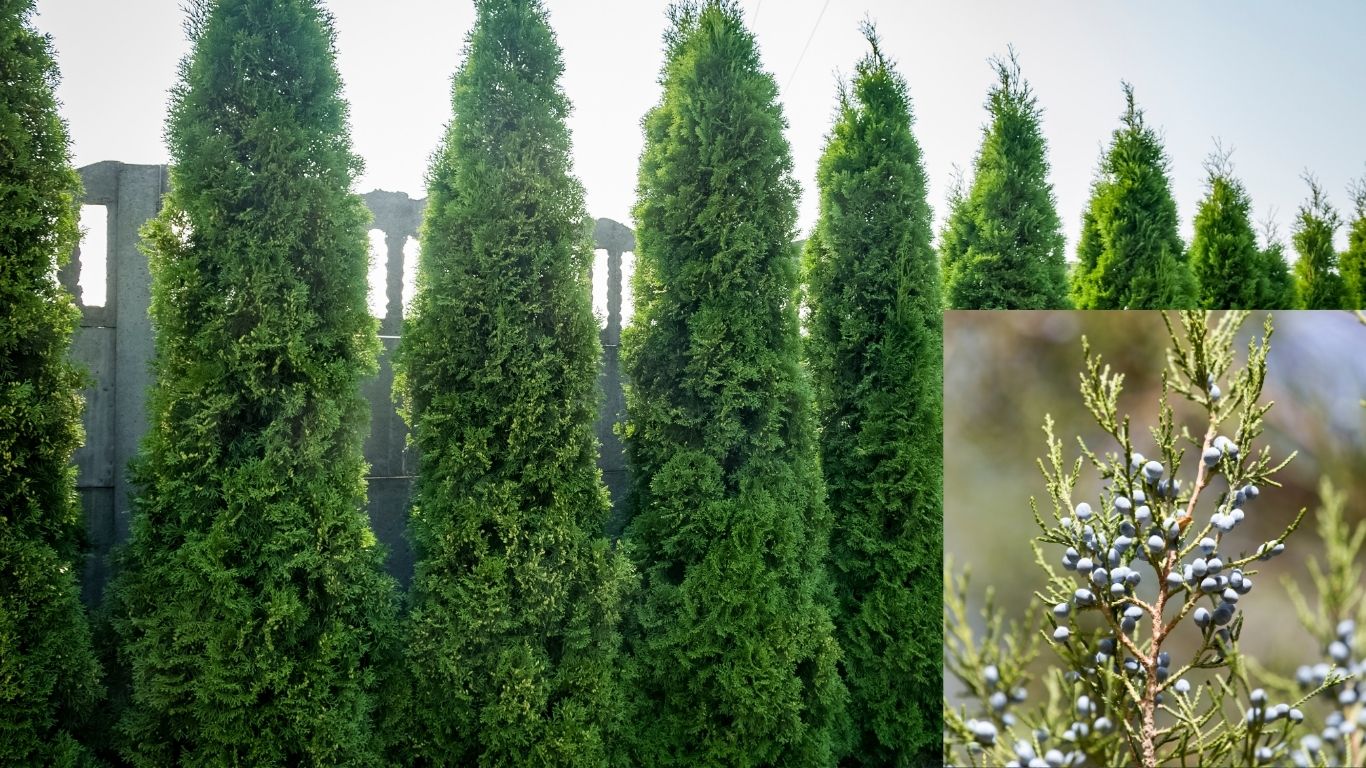
Thuja, known in homeopathy as Thuja occidentalis, is a remedy derived from the tree commonly called the Arborvitae or Northern White Cedar. This evergreen conifer is native to the northeastern United States and southeastern Canada, thriving in moist forests and swamps. Its very name, “Arborvitae,” translates from Latin to “Tree of Life,” a title bestowed upon it by 16th-century French explorers who learned from indigenous peoples that its foliage, rich in vitamin C, could cure scurvy. This historical duality—a tree of life that can also provoke profound toxicity—lies at the heart of its homeopathic application.
The journey of Thuja into the homeopathic materia medica is credited to the founder of homeopathy himself, Dr. Samuel Hahnemann. He conducted the first “proving” of the substance—a systematic process where healthy individuals ingest a substance and meticulously record all subsequent physical, mental, and emotional symptoms. These recorded symptom pictures form the basis for the remedy’s therapeutic indications. Hahnemann proved Thuja in the early 19th century, and it swiftly became one of the central polychrest remedies (remedies with a wide range of uses) in the homeopathic repertoire, particularly for conditions believed to stem from what he termed the “sycotic” miasm, associated with excess, growth, and secrecy.
Extraction and Preparation of Potencies
The homeopathic mother tincture of Thuja is prepared from the fresh green twigs and leaves of the Thuja occidentalis tree. The process follows the strict guidelines outlined in homeopathic pharmacopoeias. The fresh plant material is harvested, cleaned, and then macerated (soaked) in a mixture of alcohol and water. This allows the soluble active components of the plant to be extracted, creating the mother tincture, denoted as “Ø.”
The principle of potentization is fundamental to homeopathy. It involves a series of sequential dilutions with vigorous shaking or succussion at each step. This process is believed to imprint the energetic signature of the substance into the diluent while eliminating toxic material effects. Thuja is available in a wide range of potencies, each suited to different applications:
Low Potencies (6C, 12C, 30C): Often used for physical, localized symptoms such as warts, skin growths, or minor urinary complaints. They may be repeated more frequently.
Medium Potencies (200C): Employed for deeper-seated or more established conditions, such as chronic sinusitis, recurrent infections, or more pervasive emotional states.
High Potencies (1M, 10M and higher): Reserved for profound constitutional prescribing, addressing deep-seated miasmatic patterns or significant mental-emotional disturbances. These are typically administered infrequently under the guidance of a skilled practitioner.
The choice of potency and repetition is highly individualized, depending on the patient’s vitality, the nature of the illness, and the prescriber’s assessment.
The Symptom Picture: Guiding the Prescription
Homeopathic prescribing is not based on a diagnosed disease name but on the totality of symptoms that match the remedy’s proven picture. Thuja has a particularly rich and distinctive symptomatology.
Mental-Emotional Symptoms: A key theme is a feeling of fragmentation or unworthiness. Individuals needing Thuja may feel as if they are split in two, or as if their body is fragile, made of glass or brittle pottery. There is often a secretive, shameful side to their personality; they may harbor guilt or feel they have a “dark secret.” This can lead to a fixed idea that they are somehow dirty, impure, or damaged. They may be hurried, anxious, and feel as if they are under the control of an outside force. Dreams of falling are common.
Physical Symptoms: The physical presentation of Thuja is equally distinct.
Skin: Perhaps its most famous indication is for warts. Thuja is specific for large, seedy, cauliflower-like warts that may bleed easily, often appearing on the face, eyelids, genitals, or anus. It is also used for other skin tags, moles, polyps, and fungoid growths.
Secretions: Discharges are often greenish, thick, and foul-smelling. This is notable in conditions like chronic sinusitis, gonorrhea, or vaginitis.
Pain: Pains are characteristically stitching or splinter-like, as if a sharp splinter is stuck in the affected part.
Other Key Notes: Left-sided symptoms are prominent. Perspiration may be strong-smelling and sweetish, only on the covered parts of the body. There is often marked sensitivity to cold, damp weather. The remedy has a strong affinity for the genital-urinary system, addressing issues like recurrent urinary tract infections, condylomata, and prostates issues.
Primary Uses in Homeopathic Practice
In clinical homeopathy, Thuja is considered for a broad spectrum of conditions, always based on symptom similarity:
Skin Disorders: Treatment of warts (common, plantar, genital), molluscum contagiosum, skin tags, and other benign growths.
Vaccination Reactions: A classical use is for adverse effects believed to be linked to vaccination, where the individual’s health seems to decline after immunization, presenting with neuralgia, sleep disturbances, skin eruptions, or developmental delays.
Chronic Respiratory Issues: Sinusitis with thick, green post-nasal drip; recurrent colds that settle in the nose or chest; nasal polyps.
Genitourinary Complaints: Chronic cystitis, urethritis, condylomata (genital warts), ovarian cysts, and prostate enlargement when the symptom picture matches.
Musculoskeletal Pains: Rheumatic pains that are tearing or stitching in nature, worse for cold and damp.
Dental Issues: Toothache with a sensation of the teeth being loose or too long; pyorrhea.
Side Effects and the Aggravation
In homeopathic philosophy, a “side effect” is typically understood as a homeopathic aggravation. This is a temporary intensification of existing symptoms following a well-indicated remedy, seen as a sign that the vital force is reacting and beginning to reorder itself. A mild, short-lived aggravation can be a positive prognostic indicator. However, if symptoms worsen severely or persist, it suggests the remedy or potency was incorrect.
It is crucial to emphasize that Thuja in its crude, herbal form is toxic. Ingestion of the plant oil (thujone) can cause severe poisoning, with symptoms including nausea, vomiting, seizures, and kidney damage. Homeopathic Thuja, due to its extreme dilution in potencies above 12C, contains no measurable molecules of the original substance and is therefore not chemically toxic. Nevertheless, it is a powerful homeopathic medicine that should be used based on indication, not self-prescribed casually for long periods.
Prevention and Constitutional Prescribing
While homeopathy is often viewed as a treatment for active illness, it has a role in what practitioners call “constitutional prevention.” A person with a strong Thuja constitution—exhibiting the characteristic mental and physical traits—may be given Thuta in high potency to rebalance their underlying susceptibility, potentially preventing the manifestation of acute illnesses to which they are prone. This is a sophisticated application requiring in-depth analysis by a trained homeopath. It is not a “vaccination” in the conventional sense but an attempt to strengthen the individual’s inherent resilience.
Comparisons with Other Key Remedies
Differentiating Thuja from similar remedies is essential for accurate prescribing.
Thuja vs. Nitric Acid: Both are renowned for warts and fissures. Thuja warts are soft, fleshy, and cauliflower-like, often in genital areas. Nitric acid warts are hard, jagged, and bleed easily, with pains that are splinter-like and a strong focus on orifices (mouth, anus). Mentally, Nitric acid has a marked bitterness, anger, and vindictiveness, whereas Thuja’s mental state is more secretive and fragile.
Thuja vs. Sepia: Both may have a sense of indifference to family and bear left-sided symptoms. Sepia is profoundly exhausted, desires solitude, and feels dragged down. Thuja lacks the profound weariness of Sepia but carries the fixed idea of being impure. Sepia’s discharges are yellow and bland, unlike Thuja’s green and foul.
Thuja vs. Medorrhinum: This is a close comparison, as both are major anti-sycotic remedies. Medorrhinum’s symptoms are more intense: discharges are more excoriating, cravings are for salt and ice, there is a desperate heat and a need for fanning, and a deep-seated anxiety about health. Thuja is more moderate in its expressions but with a clearer sense of fixed, delusional ideas about the self.
Thuja vs. Causticum: Both are used for warts, particularly on the face. Causticum warts tend to be on the face (especially eyelids), nose, and fingertips, and are large, hard, and horny. Causticum individuals are deeply sympathetic, prone to paralysis and weakness, and worse in dry, cold winds. Thuja is more secretive and worse in damp cold.
Frequently Asked Questions (FAQs) About Thuja Homeopathy
Q1: What is Thuja homeopathy used for most commonly?
Thuja is most famous in homeopathy for treating skin growths, particularly warts. It is often the first remedy considered for large, seedy, or cauliflower-like warts that may bleed easily, especially if they appear on the face, genitals, or anus. Beyond warts, homeopaths use it for a range of conditions where the individual’s specific symptoms match the Thuja “picture,” including chronic sinusitis with green discharge, recurrent urinary tract infections, certain side effects attributed to vaccinations, and nail fungi.
Q2: Is homeopathic Thuja made from a poisonous plant? Does that make it unsafe?
This is an important distinction. Yes, the raw plant, Thuja occidentalis (Arborvitae), contains compounds like thujone that can be toxic if ingested in herbal quantities. However, homeopathic Thuja is prepared through a process of serial dilution and succussion (vigorous shaking). In the potencies commonly used for treatment (like 30C, 200C, and higher), the remedy is diluted to the point where no measurable molecules of the original plant remain. Therefore, it is not chemically toxic in the same way the crude plant is. Its action is based on the homeopathic principle of “like cures like,” using the energetically imprinted pattern of the substance. Safety concerns are more about correct prescribing rather than chemical poisoning.
Q3: Can I use Thuja to remove my warts myself?
Thuja is widely available over-the-counter in low potencies (like 6C, 12C, 30C) for self-care of localized issues like common warts. Many people have success with this approach, often using a Thuja ointment or tincture topically alongside an oral potency. However, if the warts are persistent, genital, or facial, it is crucial to get a proper diagnosis from a healthcare professional first. Furthermore, if warts are a recurring problem, it may indicate a deeper constitutional imbalance that would be best addressed by a professional homeopath for a more lasting solution.
Q4: I’ve heard Thuja is a remedy for vaccine side effects. What does that mean?
This is a traditional homeopathic application. The concept is not that Thuja “undoes” a vaccine, but that it may help address a specific set of chronic symptoms that appeared or intensified after a vaccination in a person already susceptible to the Thuja state. These symptoms could include persistent skin eruptions, neuralgic pains, sleep disturbances, developmental delays in children, or a general decline in vitality. It is a highly individualized approach—the vaccine is seen as a triggering event, not the cause, and Thuja is only used if the person’s overall symptom profile matches the remedy. This is complex prescribing that should be undertaken with a qualified homeopath.
Q5: What are the mental or emotional symptoms of someone who might need Thuja?
The Thuja mental state is quite distinctive. Key themes include:
A sense of secrecy and shame: Feeling as if they have a dark secret or are somehow impure or dirty.
Fragmentation: A strange sensation that their body or self is divided, or as if their soul is separated from their body. They may feel fragile, like they are made of glass.
Fixed ideas: Being stuck on the idea that they are unhealthy, damaged, or that something foreign is growing inside them (mirroring the physical growths).
Hurriedness and anxiety, often with a feeling of being controlled by an outside force.
Q6: Are there any side effects from taking Thuja?
In homeopathy, a possible reaction to a well-chosen remedy is a “homeopathic aggravation.” This is a temporary, mild intensification of existing symptoms, seen as the body’s vital force responding and beginning to heal. If you take Thuja and your warts seem slightly more prominent or an old symptom briefly returns, it may be this type of aggravation, which usually passes quickly. If you experience severe or new symptoms, it likely means the remedy is not correct and you should stop taking it and consult a practitioner. Always follow dosing instructions, as “more” is not “better” in homeopathy.
Q7: What potency of Thuja should I start with?
For acute, self-limiting conditions like a common wart, a low potency (6C, 12C, or 30C) is typically recommended for self-treatment. These can be taken once or twice daily for a limited period (e.g., one to two weeks). For chronic or deep-seated issues, or for addressing constitutional symptoms, the potency selection (like 200C, 1M, or higher) becomes much more nuanced and should be determined by a professional homeopath based on your complete case history. Using inappropriately high potencies for self-treatment is not advised.
Q8: How is Thuja different from other common wart remedies like Nitric Acid or Antimonium Crudum?
Excellent question. Homeopaths differentiate carefully:
Thuja: Warts are soft, fleshy, and cauliflower-like, often in genital/anal areas. The person has the characteristic secretive, fragile mental state.
Nitric Acid: Warts are hard, jagged, and bleed very easily (like splinters). Pains are sharp and splinter-like. The person is often angry, anxious, and bitter.
Antimonium Crudum: Warts are typically hard, smooth, and flat, often on the palms or soles. The person may be irritable, sensitive, and have a thickly-coated white tongue.
Q9: Can I take Thuja while on conventional medication?
Homeopathic remedies are generally considered compatible with conventional medications because they work on a different, energetic principle and do not interact chemically. However, it is always a prudent and transparent practice to inform all your healthcare providers—your doctor and your homeopath—about every medication and supplement you are taking. This ensures coordinated and safe care.
Q10: Where should I store my Thuja pellets?
Store them in a cool, dry place away from strong odors, direct sunlight, and electromagnetic fields. Keep the lid tightly closed. Do not store them right next to strong-smelling substances like camphor, menthol (found in some balms), or essential oils, as homeopaths believe these can “antidote” or neutralize the remedy’s action. A medicine cabinet away from the bathroom’s heat and humidity is ideal.
Conclusion
Thuja occidentalis stands as a pillar of homeopathic medicine, embodying the system’s core principle of treating the individual, not the disease. Its path from a native North American evergreen to a nuanced homeopathic remedy illustrates the intricate process of proving and potentization. Its value lies in its ability to address a specific pattern of illness—one characterized by abnormal growths, foul secretions, left-sided complaints, and a peculiar mental state of secrecy and fragmentation. While famous for clearing warts, its true depth is realized in constitutional treatment for individuals bearing its unique stamp. As with all homeopathic medicines, its power is unlocked not by a diagnostic label, but by the careful, holistic matching of the patient’s entire symptom picture to the rich tapestry of symptoms revealed in the Thuja proving. This demands the expertise of a qualified practitioner to navigate its applications safely and effectively, ensuring this “Tree of Life” is harnessed to support the vitality of the individual.