
Table of Contents
ToggleDiscover Uses of Homeopathic Remedy Sabal Serrulata for Health Problems and Explore its Extraction, Potencies, Symptoms, Side Effects and Applications for a Wide Range of Health Ailments
Introduction
Sabal Serrulata, more widely recognized by its common name Saw Palmetto, occupies a unique and vital position in the homeopathic materia medica. While its herbal extract is a globally popular dietary supplement for prostate health, the homeopathic preparation of Sabal Serrulata is a distinct therapeutic entity, prepared through a specific process of potentization to address a broad spectrum of symptoms, particularly those related to the male genito-urinary system. Its primary sphere of action centers on the pelvic organs, with a profound affinity for the prostate gland and the mucous membranes of the urinary tract. For men navigating the often frustrating and uncomfortable journey of benign prostatic hyperplasia or chronic prostatitis, this remedy often emerges as a beacon of hope, offering gentle yet profound relief.
Origin and Botanical Background
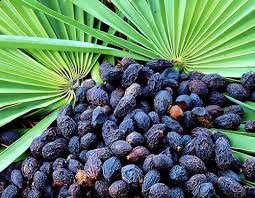
The source of this powerful remedy is the Saw Palmetto plant, a species of palm native to the southeastern United States, particularly flourishing in the coastal regions of Florida, Georgia, and the Caribbean. The plant, scientifically known as Serenoa repens, is a low-growing, fan-leaved palm that produces large clusters of dark brown to black berries. In homeopathy, the part used for the mother tincture is the partially dried, ripe fruit of this plant. The historical use of these berries by indigenous peoples for various medicinal purposes laid the groundwork for its later adoption and research by eclectic physicians and homeopaths. A foundational figure in this regard was Dr. Edwin Moses Hale, a 19th-century homeopath who extensively studied and documented the effects of this remedy, cementing its place in homeopathic practice with his comprehensive work on the subject. He was among the first to systematically prove the drug, identifying its specific affinity for the reproductive and urinary organs.
The Preparation and Extraction of the Mother Tincture
The journey of Sabal Serrulata from berry to homeopathic remedy begins with the creation of the Mother Tincture, denoted as “Q” or “MT”. This is the base substance from which all dilutions and potencies are derived. The process involves crushing the fresh or dried ripe berries and macerating them in a solution of alcohol and distilled water. The standard method follows the stringent guidelines of the Homeopathic Pharmacopoeia. A specific ratio of the plant substance to the alcohol-water mixture is used, typically 1:10, resulting in what is known as a “1x” trituration or solution. The mixture is allowed to stand for a specific period, with frequent shaking, to extract the active phytochemical constituents, such as the volatile oils, fatty acids (including lauric, oleic, and myristic acids), and plant sterols. The liquid is then pressed and filtered, yielding the concentrated Sabal Serrulata Mother Tincture. This tincture itself is a recognized homeopathic preparation and can be used for its therapeutic effects, as seen in products like Sabal Serrulata Mother Tincture Boiron, though its use in this form is typically reserved for acute or local conditions under professional supervision.
Understanding Homeopathic Potencies
Homeopathy is defined by its principle of potentization, a process of serial dilution and succussion (vigorous shaking). From the Mother Tincture, a series of potencies are produced. Common potencies for Sabal Serrulata include the “X” (decimal) scale, such as 1X, 2X, 3X, and the “C” (centesimal) scale, like 6C, 30C, and higher. According to homeopathic theory, lower potencies (like tinctures and 1X-6X) have a more direct physiological and biochemical action, while higher potencies (like 30C and above) are believed to have a more profound and constitutional effect, acting on a dynamic or energetic level. For instance, lower potencies are often chosen when a more immediate, tissue-level effect is desired, such as reducing local inflammation or improving urinary flow. In contrast, higher potencies might be selected for chronic, deep-seated conditions or to address the overall constitutional picture of the patient, especially when emotional or mental symptoms are prominent. The choice of potency is a key clinical decision made by a homeopathic practitioner based on the individual’s symptoms and response to treatment.
The Symptom Picture: Key Indications for Use
The homeopathic use of Sabal Serrulata is primarily guided by a specific set of physical and sometimes mental/emotional symptoms, forming its characteristic drug picture.
Genito-Urinary Focus: The most prominent and well-researched use is for conditions of the prostate gland. It is traditionally indicated for Benign Prostatic Hyperplasia (BPH) and other prostate issues, such as prostatitis. The key symptoms include difficulty in starting urination (hesitancy), a weak and small stream, a sensation that the bladder is not completely empty after voiding, and a frequent and urgent need to urinate, particularly at night (nocturia). It is used when there is dribbling after urination and general discomfort in the prostatic region. The patient often complains of a dull, aching pain that radiates from the prostate to the sacrum or down into the thighs. Beyond the prostate, it acts on the membrano-prostatic portion of the urethra, addressing irritation and inflammation in that area.
Sexual Symptoms: Sabal Serrulata is also indicated in cases of sexual debility, including decreased libido and impotence, particularly when these symptoms are associated with prostate issues. It is thought to enhance circulation to the pelvic organs, thereby potentially improving sexual function and reducing the psychological distress that often accompanies urogenital disorders.
Beyond the Male System: While most recognized for its action on males, the remedy also has applications for women, particularly for ovarian pain and symptoms associated with the menstrual cycle. Interestingly, it is mentioned for underdeveloped mammary glands and symptoms of the head and stomach, showcasing its broader, though less prominent, areas of action. This suggests that while its primary field is the male pelvis, its therapeutic reach can extend to other mucous and glandular tissues.
Scientific Evidence Supporting Its Use
A significant study published in the journal Integrative Cancer Therapies (2006) provided a scientific basis for its specific action on prostate cells. The research investigated the antiproliferative (anti-growth) effects of homeopathic preparations of Sabal Serrulata on human prostate cancer cell lines (PC-3 and DU-145) in vitro and on prostate tumor xenografts in mice. This was a landmark study because it moved beyond anecdotal evidence and explored the biological mechanisms at a cellular level.
The results were notable. Treatment with Sabal Serrulata in vitro led to a statistically significant decrease in cell proliferation: a 33% reduction in PC-3 cells at 72 hours and a 23% reduction in DU-145 cells at 24 hours. More compellingly, in vivo, the size of prostate tumors in mice treated with the remedy was significantly reduced compared to untreated controls. The study emphasized that this biological response was specific to human prostate cancer, as no effect was observed on MDA-MB-231 human breast cancer cells. Furthermore, other remedies tested in the same study, Thuja occidentalis and Conium maculatum, showed no effect on prostate cancer cell proliferation in this model. This research suggests that Sabal Serrulata’s action is not merely a placebo effect but involves a specific, biological interaction with prostate tissue, possibly through mechanisms involving apoptosis (programmed cell death) and cell cycle arrest.
Side Effects, Precautions, and Contraindications
Like all active treatments, Sabal Serrulata has potential side effects and important precautions that must be considered. Although generally well-tolerated, patients and practitioners should be aware of the following to ensure safe use.
Common Side Effects: Some patients may experience mild and transient gastrointestinal issues such as nausea, abdominal pain, or headaches. These are usually dose-dependent and subside as the body adjusts or the dosage is reduced.
Rare but Serious Side Effects: In rare cases, it can cause more significant reactions. These include reversible gynecomastia (breast enlargement in men) upon discontinuation, and very rare cases of acute hepatitis have been reported. Skin reactions like rashes and edema are also rare but possible. Any signs of jaundice, severe abdominal pain, or unusual bleeding should prompt immediate medical consultation.
Precautions for Surgery: A critical and often overlooked precaution is the risk of Intraoperative Floppy Iris Syndrome (IFIS), which can occur during cataract surgery in patients taking preparations of Saw Palmetto. It is imperative to inform a surgeon and ophthalmologist about the use of this remedy well before any eye surgery. Discontinuation of the remedy several weeks prior to the procedure is generally advised.
Alcohol Content: Mother tinctures and lower liquid potencies of Sabal Serrulata contain a high percentage of alcohol (e.g., up to 65% v/v). This poses a risk for alcoholics, individuals with liver disease, and epileptics. The alcohol content should also be considered for pregnant and breastfeeding women, and it is generally contraindicated in these groups due to both the alcohol and the lack of sufficient safety data. It is never recommended for children.
Interactions: There are rare reports of suspected interactions with the blood-thinning medication warfarin, potentially leading to an increased INR (International Normalized Ratio) and risk of bleeding. Patients on anticoagulants should use this remedy only under strict medical supervision.
When to See a Doctor: Homeopathic treatment is complementary, not a substitute for medical diagnosis. It is crucial to consult a doctor if urinary symptoms worsen or if there is fever, blood in the urine, severe pain, or acute urinary retention. Regular monitoring by a healthcare professional is essential to rule out more serious underlying conditions like prostate cancer. Annual PSA (Prostate-Specific Antigen) tests and digital rectal exams are highly recommended for men over 40.
Prevention and Lifestyle Considerations
While Sabal Serrulata is a tool for managing symptoms of BPH and prostatitis, prevention involves a holistic approach. Lifestyle modifications are key to maintaining prostate health. A diet low in red meat and high in fruits, vegetables, and healthy fats is often recommended. Regular exercise helps maintain a healthy weight and reduces pelvic congestion. Staying well-hydrated and practicing good urinary habits, such as not delaying urination and fully emptying the bladder, can also be beneficial. Stress management techniques may be helpful as stress can exacerbate urinary urgency. Sabal Serrulata itself, in lower potencies, may be used constitutionally or as a supportive measure in individuals predisposed to prostate issues.
Comparisons with Other Homeopathic Remedies
To truly understand Sabal Serrulata, it is helpful to compare it with other homeopathic medicines that share some of its therapeutic indications. A careful differentiation is the hallmark of a skilled homeopathic prescriber.
Sabal Serrulata vs. Thuja Occidentalis: Both remedies are used for prostate issues and urinary difficulties. However, Thuja Occidentalis is a much broader polycrest, indicated for a variety of systemic conditions, including growths (like warts and polyps), skin conditions, and a characteristic mental state of feeling fragile or being in a hurry. While Sabal Serrulata is more specifically a “local” remedy for the prostate and pelvic organs, Thuja’s action is more constitutional. The 2006 study also demonstrated a key difference, finding that Thuja had no antiproliferative effect on prostate cancer cells in their model, while Sabal Serrulata did, highlighting their distinct therapeutic applications.
Sabal Serrulata vs. Chimaphila Umbellata: Chimaphila is another major remedy for urinary and prostate problems. It is particularly indicated when there is a sensation of a ball in the rectum and a constant pressure on the bladder. Its urinary symptoms often include a feeling that the urine is retained and only passes in a thin stream. The key differentiating feature is a peculiar symptom where the patient must sit down and bend backward or lean forward to help start the flow of urine. Sabal Serrulata’s picture includes more of the hesitancy, weakness, and frequency typical of early BPH, without the specific postural relief.
Sabal Serrulata vs. Conium Maculatum: Conium maculatum (Hemlock) is a profound remedy for glandular indurations and hard swellings, including the prostate, and it is often used for prostate cancer. It also affects the sexual sphere, but its keynote symptoms include a specific type of weakness, a heaviness of the limbs, and a characteristic paralysis that ascends from the feet. While both affect the prostate, Conium is more suited to hard, stony glands and a state of progressive weakness and debility, whereas Sabal is more for congestive, inflammatory, and hypertrophic conditions.
Sabal Serrulata vs. Pareira Brava: Pareira Brava is a powerful remedy for acute, painful urinary retention. It is indicated when there is severe pain in the bladder and urethra, and the patient must get down on his hands and knees to urinate. It is more of an acute remedy for intense obstruction, whereas Sabal Serrulata is more commonly indicated for the chronic, progressive, and less painful symptoms of BPH. They are sometimes used in combination, as seen in some homeopathic formulations, to address both the chronic underlying condition and acute flare-ups.
Sabal Serrulata vs. Pulsatilla: While seeming disparate, both can affect the female reproductive system. Pulsatilla is a top remedy for women with a mild, yielding disposition and hormonal imbalances with scanty, delayed menses. Sabal Serrulata is less commonly used for females but can be indicated for ovarian neuralgia and menstrual irregularities, especially when there is a concurrent tendency towards congestion in the pelvic organs. The guiding mental state often separates them, with Pulsatilla patients being weepy and changeable, while Sabal patients may have more anxiety related to their urogenital complaints.
Sabal Serrulata vs. Selenium: Selenium is another remedy often considered for sexual debility and prostate issues, particularly in elderly men. The key difference lies in the associated symptoms. Selenium is indicated for weakness after sexual excess, a dragging sensation in the testicles, and a general state of exhaustion. Sabal Serrulata, on the other hand, is more focused on the mechanical and inflammatory issues of the prostate itself, rather than the general constitutional weakness seen in Selenium cases.
Frequently Asked Questions About Homeopathic Remedy
Sabal Serrulata
1. What exactly is Sabal Serrulata and how is it different from the Saw Palmetto supplement I buy at the health store?
This is perhaps the most common question and the most important to understand. Sabal Serrulata is the homeopathic name for the Saw Palmetto plant, but the preparation is entirely different from the over-the-counter herbal supplement. The herbal supplement you find in health stores is typically a crude extract, meaning it contains the full, concentrated biochemical compounds of the berry. It works on a physiological level, directly influencing hormone pathways and reducing inflammation through its chemical constituents.
Homeopathic Sabal Serrulata, on the other hand, undergoes potentization—a process of serial dilution and succussion (vigorous shaking). This transforms the crude substance into a dynamic remedy that works on an energetic level. Depending on the potency chosen, the original molecules of the plant may be almost entirely absent. The homeopathic preparation is not a substitute for the herbal extract; it is a distinct therapeutic tool used for a different purpose. While the herbal extract is used for its direct physical action on prostate tissue, the homeopathic remedy is selected based on a complete symptom picture that includes not just the physical symptoms of prostate enlargement, but also the specific manner in which the patient experiences them.
2. How long does it take for Sabal Serrulata to show noticeable results?
The timeline for improvement varies significantly from person to person and depends on several factors, including the chronicity of the condition, the potency used, and the individual’s overall health and sensitivity to the remedy. In acute flare-ups of prostatitis or sudden urinary discomfort, some patients may notice a difference within hours or a few days, especially when using lower potencies like 6C or 30C taken frequently.
For chronic conditions like Benign Prostatic Hyperplasia (BPH), which develops over many years, the response is typically more gradual. It is unreasonable to expect a complete reversal of symptoms overnight. Homeopathy works by stimulating the body’s own healing mechanisms, which takes time. Patients often notice subtle improvements first—perhaps a slightly stronger urine stream, one less trip to the bathroom at night, or a reduction in that persistent sense of incomplete emptying. These gradual improvements accumulate over weeks to months. A course of treatment often spans three to six months before a full assessment is made. It is crucial to have patience and to work with a qualified homeopathic practitioner who can adjust the potency and repetition of the dose based on your progress.
3. Is Sabal Serrulata safe for women and children?
Generally speaking, Sabal Serrulata is considered a remedy primarily for the male genito-urinary system, but it does have applications for women, particularly for ovarian pain and menstrual irregularities. However, its use in women should be guided by a homeopathic practitioner based on a clear symptom picture. It is not a routine remedy for female complaints.
As for children, Sabal Serrulata is almost never indicated. Its sphere of action centers on the prostate and pelvic organs, which are not relevant to pediatric patients. Furthermore, mother tinctures and low liquid potencies contain a significant amount of alcohol, making them unsuitable for children. Higher potencies in pillule form would still be inappropriate without a clear and compelling homeopathic indication, which is exceptionally rare in pediatric practice. A homeopath would only prescribe it for a child in the most unusual circumstances, and never without careful case-taking and professional oversight.
4. Can I take Sabal Serrulata alongside my conventional medications for high blood pressure or diabetes?
While homeopathic remedies are generally considered safe and are unlikely to interfere with most conventional medications due to their minute doses, it is never wise to assume there are no interactions. There have been rare reports of Sabal Serrulata interacting with blood-thinning medications like warfarin, potentially increasing the risk of bleeding. The herbal extract of Saw Palmetto is known to have mild anti-estrogenic and hormone-modulating effects, though these are less pronounced in homeopathic potencies.
Nevertheless, you must inform your doctor and your homeopathic practitioner about all the medications you are taking. Do not discontinue your blood pressure or diabetes medications in favor of the homeopathic remedy. Sabal Serrulata is intended to work alongside your conventional treatment, addressing the symptoms that persist despite standard medical management. Regular monitoring of your blood pressure, blood sugar, and INR levels (if you are on warfarin) is highly advisable when starting any new remedy, including Sabal Serrulata.
5. How do I choose the right potency of Sabal Serrulata for my condition?
Choosing the correct potency is a clinical decision that should ideally be made by a qualified homeopath after a thorough case-taking process. However, as a general guideline for those using it under the guidance of a practitioner, lower potencies (such as 6C, 12C, or 30C) are often selected for acute or local conditions, such as acute prostatitis or when there is a clear, localized inflammation of the prostate. These potencies are often repeated more frequently, such as three times a day.
Higher potencies (like 200C, 1M, or CM) are reserved for chronic, deep-seated conditions or when the remedy is being used to address a more constitutional picture—that is, when the patient’s overall physical and mental characteristics match the remedy’s profile. These are given less frequently, perhaps once a week, once a month, or even as a single dose followed by a period of waiting and observation. Starting with a high potency without proper case-taking can sometimes aggravate symptoms, known as a homeopathic aggravation. Therefore, it is always safer to start with lower potencies and observe the response before considering a higher potency. For those new to homeopathy, a 6C or 30C potency is generally considered a safe starting point for self-limiting, acute complaints, but professional guidance is strongly recommended for chronic conditions.
6. What should I do if my symptoms worsen after taking Sabal Serrulata?
In homeopathy, a temporary worsening of existing symptoms is known as a “homeopathic aggravation.” This phenomenon is sometimes seen as a positive sign, indicating that the remedy has begun to stimulate the vital force and is initiating a healing response. However, this aggravation should be mild and short-lived, usually lasting no more than a few hours to a couple of days. If the aggravation is unbearable or if new, alarming symptoms appear, you should stop taking the remedy immediately and contact your homeopathic practitioner or your medical doctor.
If your symptoms worsen significantly, particularly if you experience acute urinary retention, severe pain, fever, or blood in your urine, this is not a homeopathic aggravation; this is a red flag that requires immediate conventional medical attention. These symptoms could indicate a urinary tract infection, acute prostatitis, or another serious condition that needs urgent intervention. In such cases, do not wait for the homeopathic remedy to work; seek medical care without delay. Homeopathy is not a substitute for emergency medicine.
7. Is it safe to take Sabal Serrulata before surgery, especially cataract surgery?
This is a critical safety concern that cannot be overstated. Preparations of Saw Palmetto, including its homeopathic extracts and tinctures, have been associated with a condition known as Intraoperative Floppy Iris Syndrome (IFIS). This is a complication that can occur during cataract surgery, making the procedure significantly more difficult and increasing the risk of complications for the surgeon and the patient.
Even though homeopathic potencies are highly diluted, it is strongly recommended that you disclose your use of Sabal Serrulata to your surgeon and ophthalmologist well in advance of any scheduled eye surgery. Most surgeons advise discontinuing Saw Palmetto products, including homeopathic preparations, at least two to four weeks prior to surgery. This precaution is not about the drug’s potency per se, but about its physiological effect on the tissues of the eye, which can persist. Do not take Sabal Serrulata on the day of your surgery, and always follow your surgeon’s preoperative instructions regarding all supplements and medications.
8. Can I use Sabal Serrulata as a preventive measure for prostate problems?
Yes, Sabal Serrulata is sometimes used in a preventive or constitutional manner, particularly in men who have a strong family history of prostate issues or who are entering middle age and beginning to experience the very earliest signs of urinary changes. In such cases, a homeopath may prescribe a low or medium potency on a periodic basis—perhaps once a week or once a month—with the aim of supporting prostate health and preventing the development of more pronounced symptoms.
However, prevention in homeopathy is not about taking a remedy like a daily vitamin. It is about matching the individual’s constitutional picture to the remedy. If a man’s overall physical and mental characteristics align with the Sabal Serrulata profile—such as a tendency towards pelvic congestion, a history of sexual debility, or a feeling of weight and fullness in the perineum—then it may be chosen as a constitutional remedy. It should not be taken casually for prevention without a proper homeopathic consultation. Furthermore, preventive use should always be accompanied by healthy lifestyle choices, including a balanced diet, regular exercise, and routine medical check-ups, including annual PSA tests and digital rectal examinations as recommended by your doctor.
9. What is the best way to take Sabal Serrulata pills or liquid drops?
The proper administration of homeopathic remedies is important for their effectiveness. For pillules (globules), the standard advice is to avoid touching them with your hands to prevent contamination with oils or other substances from your skin. Instead, tip the recommended number of pills into the cap of the vial and then drop them directly under your tongue. Allow them to dissolve completely, which usually takes about a minute. Avoid eating, drinking (except water), smoking, or brushing your teeth for at least 15 to 20 minutes before and after taking the dose. This ensures that the remedy is absorbed through the mucous membranes of the mouth and is not interfered with by strong flavors or odors.
For liquid tinctures or drops (used primarily for lower potencies), the typical method is to dilute the prescribed number of drops in a small amount of water (about half a glass). Sip this water slowly, swishing it in your mouth for a moment before swallowing, to allow for sublingual absorption. Again, maintain the same 15 to 20-minute window around the dose. If a homeopath advises taking the remedy “in water,” it may mean taking one or two sips from a glass of water in which the globules have been dissolved. Always follow the specific instructions provided by your practitioner regarding frequency, repetition, and the method of administration.
10. Are there any foods or substances I should avoid while taking Sabal Serrulata?
In classical homeopathy, there is a traditional recommendation to avoid strong substances like coffee, mint, camphor, and strong-smelling foods around the time of taking the remedy, as they are thought to potentially antidote or neutralize the remedy’s action. The logic is that the remedy works on a subtle, energetic level, and strong sensory stimuli can interfere with this process.
While modern homeopaths have differing views on this—some are very strict, while others are more relaxed—it is generally prudent to be mindful. Avoid drinking coffee or mint tea immediately before or after taking your dose. Similarly, avoid using highly mentholated products, camphorated balms, or strong perfumes on the day you take the remedy. These substances do not render the remedy completely ineffective, but they may alter its action. Beyond these traditional restrictions, there are no specific dietary prohibitions. You do not need to change your diet significantly while taking Sabal Serrulata, but as mentioned, maintaining a healthy, prostate-friendly diet low in saturated fats and high in fruits and vegetables will only support your overall treatment and well-being.
Conclusion
Sabal Serrulata stands as a testament to the power of homeopathy in addressing the specific, often debilitating, conditions of the male reproductive system. From its origins in the sun-drenched coastal plains of the American South to its application in the modern homeopathic clinic, this remedy has proven its value time and again. Its historical use, supported by modern scientific research into its biological effects, provides a robust framework for its clinical application. However, as with any powerful therapeutic agent, it demands respect. Understanding its side effects, precautions, and the crucial differentiations from other remedies is essential for safe and effective prescribing. For the man suffering from the frustrating symptoms of an enlarged prostate, Sabal Serrulata offers not just a treatment, but a path back to comfort and well-being. It is a fine example of how homeopathy, when practiced with knowledge and care, can provide profound relief for chronic conditions where conventional medicine often offers only temporary management or invasive procedures.













2 thoughts on “Homeopathic Remedy Sabal Serrulata”