
Table of Contents
ToggleDiscover Effective Homeopathic Remedies for Pancreatitis Relief and Enhance Your Digestive Health Naturally
Introduction
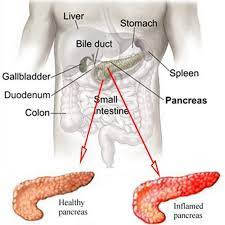
Pancreatitis, the inflammation of the pancreas, is a significant health concern that affects hundreds of thousands of people annually. The pancreas is a vital organ located behind the stomach that serves both exocrine and endocrine functions, producing digestive enzymes and hormones such as insulin and glucagon. When this organ becomes inflamed, the consequences can range from mild discomfort to life-threatening complications. This comprehensive article explores the multifaceted nature of pancreatitis, including its symptoms, causes, effects, prevention strategies, and the emerging role of homeopathic treatment.
What is Pancreatitis?
Pancreatitis occurs when digestive enzymes become activated prematurely within the pancreas itself rather than waiting to be released into the small intestine. These mistakenly activated enzymes begin to digest the pancreatic tissue, causing inflammation, bleeding, pain, and organ damage. This process can lead to the formation of scar tissue, known as fibrosis, and in severe cases, can result in permanent damage to the organ.
The condition manifests in two primary forms: acute and chronic pancreatitis. Acute pancreatitis develops suddenly and typically lasts for a short duration, with most people recovering fully with appropriate treatment. Chronic pancreatitis, however, develops slowly and worsens over time, leading to permanent damage and decreased functioning of the pancreas. Approximately 80% of patients present with mild acute pancreatitis and are discharged within several days, while the remaining cases can be severe and potentially fatal.
Recognizing the Symptoms of Pancreatitis
The hallmark symptom of pancreatitis is severe abdominal pain, although the intensity can vary from person to person. Some individuals may experience mild discomfort, while others endure excruciating pain that requires emergency medical attention.
The classic presentation of acute pancreatitis includes sudden, severe upper abdominal pain that often radiates to the back. This pain may feel as though it bores through the abdomen to the back and can be somewhat relieved by sitting up or leaning forward. Many patients report that the pain worsens when lying down flat. The pain typically becomes more intense within 15 to 30 minutes after meals and may intensify after consuming alcohol.
Accompanying symptoms frequently include nausea and vomiting, which can be persistent and severe. Patients may experience a tender, distended abdomen along with fever, chills, sweating, and a rapid heartbeat. In some cases, jaundice may develop, causing yellowing of the skin and whites of the eyes.
In chronic pancreatitis, symptoms evolve over time. Patients may experience recurring episodes of abdominal pain, unintended weight loss, and nutritional deficiencies. The stool often appears greasy, oily, foul-smelling, and pale or clay-colored, indicating that fats are not being properly absorbed due to insufficient digestive enzymes. Over time, chronic pancreatitis can lead to diabetes as the organ’s ability to produce insulin becomes compromised.
The Underlying Causes of Pancreatitis
Understanding what triggers pancreatitis is crucial for both treatment and prevention. Gallstones and alcohol use account for the majority of cases in the United States, representing approximately 35% to 40% and 17% to 25% of acute pancreatitis cases respectively.
Gallstone-Induced Pancreatitis
Gallstones are the leading cause of acute pancreatitis, occurring when a stone transiently obstructs the ampulla of Vater, the point where the bile and pancreatic ducts empty into the small intestine. This obstruction causes bile to reflux into the pancreatic duct, leading to premature activation of digestive enzymes and subsequent inflammation. Smaller stones, typically less than 5 millimeters, are more likely to migrate and cause this obstruction. Risk factors for gallstone pancreatitis include older age, obesity, rapid weight loss, and female sex.
Alcohol-Induced Pancreatitis
Alcohol is the second most common cause of acute pancreatitis and the leading cause of chronic pancreatitis. The condition typically occurs in individuals with chronic heavy alcohol use, often defined as four to five drinks daily for over five years. Alcohol alters pancreatic physiology by increasing the viscosity of pancreatic secretions and promoting protein plug formation that obstructs small ducts. Interestingly, fewer than 5% of chronic heavy drinkers develop pancreatitis, suggesting that genetic susceptibility plays a significant role.
Metabolic and Other Causes
Hypertriglyceridemia, with triglyceride levels exceeding 1000 mg/dL, is a well-recognized cause of acute pancreatitis. Current guidelines recommend measuring serum triglyceride levels in patients without gallstones or significant alcohol use. Drug-induced pancreatitis is associated with medications such as azathioprine, 6-mercaptopurine, valproic acid, and certain antibiotics. Other metabolic triggers include hypercalcemia, infections, and structural abnormalities.
Genetic factors also contribute to pancreatitis risk. Mutations in genes such as PRSS1, CFTR, and SPINK1 can predispose individuals to early-onset or recurrent pancreatitis. Autoimmune pancreatitis, including types I and II, represents another etiological category where the immune system mistakenly attacks the pancreas.
The Effects and Complications of Pancreatitis
The effects of pancreatitis extend far beyond the initial episode of pain. In acute pancreatitis, the inflammatory response can trigger a cascade of systemic effects, including the systemic inflammatory response syndrome, which can progress to multi-organ dysfunction syndrome in severe cases. The overall mortality rate for acute pancreatitis ranges from 1% to 2%, but this increases substantially in cases involving pancreatic necrosis or systemic organ failure, where mortality can reach 15% to 20%.
Pancreatic necrosis, occurring when more than 30% of the gland is affected, develops in approximately 10% of acute pancreatitis cases and is associated with a particularly poor prognosis. When necrosis becomes infected, mortality rates can rise to 30% to 39%. Walled-off pancreatic necrosis, a severe complication characterized by encapsulation of necrotic debris, presents significant management challenges and risks of infection, hemorrhage, and multi-organ failure.
Chronic pancreatitis leads to progressive and irreversible damage to the pancreas. Over time, scarring of pancreatic tissue and decreased functioning of the organ can result in exocrine insufficiency, where the body cannot produce enough digestive enzymes, leading to malabsorption and nutritional deficiencies. Endocrine insufficiency manifests as diabetes, which develops in up to 80% of chronic pancreatitis cases. Patients with chronic pancreatitis also face an increased risk of pancreatic cancer.
Prevention Strategies
Preventing pancreatitis focuses largely on addressing modifiable risk factors and adopting healthy lifestyle practices. For individuals who have experienced an episode of acute pancreatitis, avoiding triggers is essential to prevent recurrence.
Alcohol Cessation
Abstaining from alcohol is the single most important preventive measure for both acute and chronic pancreatitis. There is no safe level of alcohol consumption for individuals who have experienced pancreatitis. Even small amounts can stimulate pancreatic enzyme secretion and damage pancreatic cells, significantly increasing the risk of recurrence.
Dietary Modifications
A low-fat diet is crucial for pancreatitis prevention and management. Studies show that daily fat intake should be limited to no more than 30 grams per day, and fat should comprise no more than 20% to 30% of total daily calories. Foods high in fat, including fried foods, fatty meats, butter, cream, and rich desserts, should be avoided. Instead, patients should focus on lean proteins, complex carbohydrates, and plenty of fruits and vegetables.
Eating smaller, more frequent meals throughout the day can also help prevent recurrence. Consuming four to six small meals daily puts less stress on the pancreas than consuming large meals, which require a massive release of digestive enzymes. This eating pattern allows the pancreas to function more steadily and reduces the risk of enzyme activation.
Weight Management and Lifestyle Factors
Maintaining a healthy weight through proper diet and regular physical activity is essential for prevention, particularly for those at risk of gallstone formation. Obesity and metabolic syndrome are recognized risk factors for pancreatitis, and weight management can significantly reduce risk.
Smoking cessation is another critical component of prevention. Cigarette smoking is an independent risk factor that contributes to both acute and chronic pancreatitis, and quitting can substantially reduce the risk of recurrence and progression of the disease.
Treatment of Underlying Conditions
For patients whose pancreatitis is caused by gallstones, cholecystectomy (gallbladder removal) is recommended to prevent recurrence. In patients with hypertriglyceridemia, strict control of lipid levels through diet, exercise, and sometimes medication is essential. Regular monitoring of blood lipids, glucose, and pancreatic function through appropriate blood tests and imaging studies helps detect problems early and prevent complications.
Homeopathic Treatment for Pancreatitis
Homeopathy offers a gentle, noninvasive approach to managing pancreatitis that has shown promising results in several documented cases. The fundamental principle of homeopathy is treating the individual as a whole, considering not just the physical symptoms but also the mental and emotional state, lifestyle factors, and unique characteristics of each patient.
Evidence from Case Reports
Recent medical literature has documented remarkable recoveries from severe pancreatic conditions treated with individualized homeopathic remedies. In one notable case, a two-year-old boy presenting with walled-off pancreatic necrosis with gross ascites, confirmed by contrast-enhanced computed tomography, was treated at the Regional Research Institute for Homoeopathy in Shimla. Following homeopathic intervention, the patient achieved full recovery from signs and symptoms, with radiological investigations revealing the complete dissolution of the cystic lesion and resolution of gross ascites.
Another documented case involved a 50-year-old male with chronic alcoholic pancreatitis who presented in a semi-comatose state with necrotizing pancreatitis and a pancreatic pseudocyst measuring 10.2 by 12 by 9.5 centimeters. The patient was treated with acute and constitutional homeopathic remedies. Remarkably, ultrasound imaging performed just one week after initiating constitutional treatment showed a normal pancreas, with the pseudocyst completely resolved. The patient’s bilirubin levels dropped from 8.02 mg/dL to 1.93 mg/dL, and white blood cell count normalized from 10,200 to 6,400 cells per cubic millimeter.
Individualized Treatment Approach
The success of homeopathic treatment depends on careful case-taking and individualization. Homeopaths consider the complete symptom picture, including the specific nature of the pain, its modalities (what makes it better or worse), associated symptoms, the patient’s mental and emotional state, and their constitutional characteristics.
For example, in the case of the 50-year-old male with alcoholic pancreatitis, the homeopath prescribed Pulsatilla nigricans based on the patient’s specific modalities: aggravation by lying on the left side, improvement by lying on the right side, and other characteristic symptoms. When deeper constitutional treatment was needed, Natrum phosphoricum was selected based on the patient’s depression, aversion to company, craving for spicy foods, and intolerance to milk, among other features. This remedy showed remarkable effect, with the pseudocyst resolving within a week of treatment.
Role of Homeopathy in Pancreatic Conditions
Homeopathy is particularly valuable for patients who have not responded adequately to conventional treatment or who wish to avoid invasive procedures. The gentle, noninvasive nature of homeopathic remedies makes them suitable even for severely ill patients who may not tolerate aggressive interventions. The approach aims to stimulate the body’s own healing mechanisms rather than simply suppressing symptoms.
Homeopathic remedies can address both acute episodes and the chronic underlying susceptibility to pancreatic inflammation. Acute remedies are selected based on the immediate symptom picture, while constitutional remedies aim to correct the deeper imbalance that predisposes the individual to recurrent episodes.
Integrating Homeopathy with Conventional Care
It is important to note that homeopathy should not replace emergency medical care for severe acute pancreatitis, which can be life-threatening and requires hospitalization, intravenous fluids, pain management, and close monitoring. Instead, homeopathy can serve as a complementary approach, supporting recovery, reducing recurrence risk, and addressing the chronic aspects of the condition.
Patients considering homeopathic treatment should consult qualified practitioners who can provide truly individualized prescriptions based on the complete symptom picture. The homeopath should be informed about all conventional treatments the patient is receiving, and any changes to the treatment plan should be made in collaboration with all healthcare providers involved in the patient’s care.
Frequently Asked Questions About Effective Homeopathic Remedies for Pancreatitis Relief
Homeopathy offers a unique, individualized approach to supporting health, and many people consider it for managing conditions like pancreatitis. The following FAQs address common questions and concerns about using homeopathic remedies for this serious condition, based on case reports and homeopathic principles.
1. Can Homeopathy Really Help with Severe Pancreatitis?
Documented case reports suggest that individualized homeopathic treatment may play a significant role in managing severe cases of pancreatitis. One case report details a patient in a semi-comatose state with a large pancreatic pseudocyst (measuring 10.2 x 12 x 9.5 cm) who experienced a complete resolution of the cyst and normalization of lab values after homeopathic intervention . Another case report describes a two-year-old with walled-off pancreatic necrosis and gross ascites who achieved full recovery and resolution of the cystic lesion with homeopathic treatment . These reports indicate potential, but it’s crucial to remember that homeopathy is not a substitute for emergency medical care for acute pancreatitis.
2. How Does Homeopathic Treatment for Pancreatitis Work?
Homeopathic treatment is highly individualized. It focuses on matching a person’s complete symptom picture, including physical sensations, mental state, lifestyle, and unique characteristics, to a specific remedy. For example, in one case of chronic alcoholic pancreatitis, the homeopath chose the remedy Natrum phosphoricum based on the patient’s specific symptoms: depression, a craving for spicy food, an aversion to company, and an intolerance to milk . The aim is to stimulate the body’s own healing mechanisms rather than just suppressing symptoms. The approach can involve using acute remedies for immediate, severe symptoms and constitutional remedies to address the underlying, long-term susceptibility to the condition.
3. What Are Some Homeopathic Remedies Indicated for Pancreatic Issues?
While remedies are always chosen based on the individual, some have been linked to pancreatic conditions in homeopathic literature. The remedy Natrum phosphoricum was used effectively in a case of alcoholic pancreatitis with a pseudocyst . In another case, the remedy Staphylococcus was initially considered due to a history of trauma, and Pulsatilla nigricans was used for acute symptoms because of its affinity for pancreatic issues and its matching of the patient’s modalities, such as aggravation from lying on the left side . Some commercial combination products, like Dr. Reckeweg R72, contain a blend of ingredients like Apis, Colocynthis, and Lycopodium and are marketed for supporting pancreatic function . Another product, Pancreatinum 3X, is derived from animal pancreas and is used for digestive support .
4. Is It Safe to Take a Ready-Made Product for Pancreatitis?
Ready-made combination products, such as Dr. Reckeweg R72, are available for pancreatic support. They contain a fixed blend of ingredients and are often used as supportive care . However, a key principle of classical homeopathy is individualization. The success reported in severe cases often came from carefully selected, single remedies that matched the patient’s unique totality of symptoms . A qualified homeopath will choose a remedy specifically for you, not a generic product for a disease label.
5. What Are the Dos and Don’ts When Taking Homeopathic Remedies?
Homeopathic remedies are typically taken as small pellets or drops. A common instruction is to take the remedy by placing the pellets under the tongue and allowing them to dissolve . It is generally recommended to avoid eating, drinking, or brushing teeth for 30 minutes before and after taking a remedy to ensure proper absorption . Some practitioners also suggest avoiding strong-smelling substances like coffee, mint, menthol, and eucalyptus during treatment, as they can sometimes interfere with the remedy’s action .
6. Are There Any Homeopathic Remedies I Should Avoid for Pancreatitis?
Yes. It is important to know that not every homeopathic remedy used for the pancreas is suitable for pancreatitis. The remedy Eichhornia crassipes is used homeopathically for exocrine pancreatic insufficiency to stimulate digestive secretions. However, its use is explicitly contraindicated in cases of pancreatitis . This highlights why professional guidance is essential, as the wrong remedy could be harmful by overstimulating an inflamed pancreas.
7. Should Homeopathy Replace My Conventional Medical Treatment?
Absolutely not. Acute pancreatitis is a medical emergency that requires immediate, conventional care. Homeopathy should not be used as a replacement for hospitalization, IV fluids, pain management, or other necessary medical interventions. Instead, it can be considered as a complementary approach to support long-term recovery, address chronic issues, and potentially prevent recurrence . Always inform all your healthcare providers about any homeopathic remedies you are taking.
8. How Do I Find a Qualified Homeopath for Pancreatitis?
Seek a qualified and experienced classical homeopath. They will take a detailed case history, which can be a lengthy process, to understand your complete physical, mental, and emotional state. Look for practitioners who are registered with recognized professional homeopathic organizations. Their expertise is crucial for selecting a safe and effective remedy, especially for a complex condition like pancreatitis.
Conclusion
Pancreatitis is a serious condition that can range from a self-limited acute episode to a chronic, debilitating disease with significant morbidity and mortality. Understanding the causes, symptoms, and effects of pancreatitis is essential for prevention and effective management. While lifestyle modifications including alcohol cessation, dietary changes, and weight management form the cornerstone of prevention, emerging evidence suggests that homeopathy may offer a valuable therapeutic option.
The documented cases of complete resolution of severe pancreatic necrosis and pseudocysts through homeopathic treatment are encouraging and warrant further research. However, it is crucial to emphasize that pancreatitis is a medical emergency that requires prompt conventional care. Homeopathy, when used appropriately and in conjunction with standard medical treatment, may support the body’s healing process and help prevent recurrence by addressing the underlying constitutional susceptibility.
As with any medical condition, a comprehensive approach that combines the best of conventional and complementary medicine, tailored to the individual patient’s needs, offers the greatest hope for optimal outcomes in pancreatitis management.













3 thoughts on “Effective Homeopathic Remedies for Pancreatitis Relief”