Table of Contents
ToggleDiscover Effective Homeopathic Remedies for Ringworm and Enhance Your Skin Health with Natural Remedies
Introduction
Ringworm is one of those medical conditions that often gets misunderstood simply because of its name. Despite what the word suggests, there are no worms involved whatsoever. It is a common, highly contagious fungal infection that affects the skin, scalp, nails, or feet. The name came about from the characteristic ring-shaped rash that typically appears on infected skin, leading people in earlier centuries to mistakenly believe a worm was curling under the surface. Today, we know better, yet ringworm continues to affect millions of people worldwide, from young children to the elderly.
Understanding Ringworm: What Exactly Is It?
Ringworm, medically known as tinea, is caused by a group of fungi called dermatophytes. These microscopic organisms thrive on keratin, a protein found in the outer layer of skin, hair, and nails. The infection is not dangerous or life threatening, but it can be persistent, uncomfortable, and frustrating to treat if not addressed properly. Different types of ringworm are named based on their location on the body. Tinea corporis appears on the body, tinea capitis on the scalp, tinea pedis on the feet (commonly called athlete’s foot), tinea cruris in the groin area (jock itch), and tinea unguium on the nails.
The fungi responsible for ringworm are remarkably resilient. They can survive on surfaces like gym floors, towels, combs, and clothing for months. This hardiness is one reason why ringworm spreads so easily in communal living situations, schools, locker rooms, and among families.
Symptoms of Ringworm: How to Recognize It
Recognizing ringworm early can make a significant difference in how quickly it resolves. The symptoms vary somewhat depending on where the infection occurs, but there are common signs to look for.
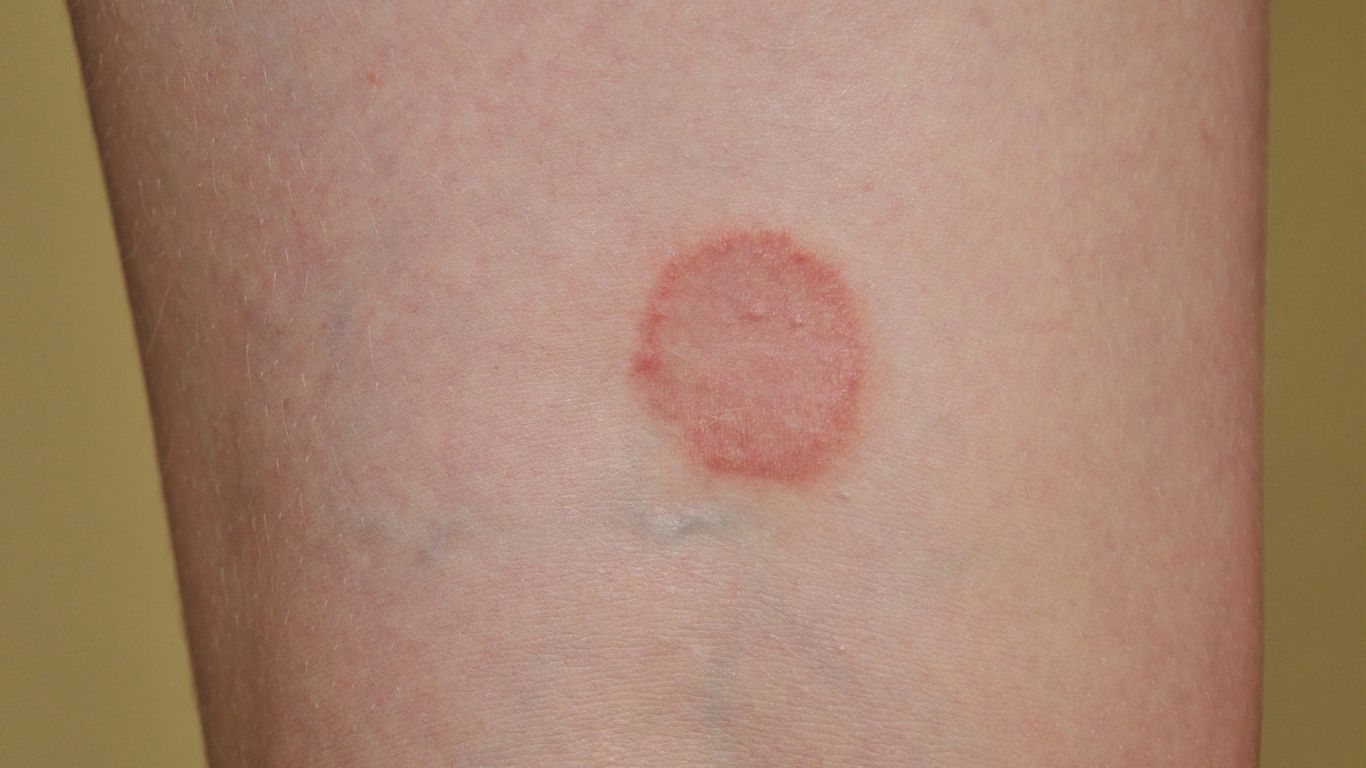
On the skin of the body, the most recognizable symptom is a red, circular rash that is often raised and scaly around the edges while the center appears clearer or healthier. This creates the classic ring shape. The affected area is usually itchy, and the intensity of itching can range from mild to severe. Over time, if left untreated, multiple rings may appear and even merge into one another. The rash can occur anywhere on the body, but it is most common on the arms, legs, chest, and abdomen.
When ringworm affects the scalp, the symptoms look quite different. Instead of a ring shaped rash, a person may notice small, scaly patches of baldness. The hair within these patches may become brittle and break off easily, leaving short stubs. The scalp itself can become red, swollen, and tender. In some cases, thick crusty areas develop, and there may be small pus filled bumps. Scalp ringworm is most common in children and can sometimes cause a low grade fever or swollen lymph nodes at the back of the neck.
On the feet, ringworm presents as athlete’s foot. The skin between the toes becomes soft, white, and cracked, and there is often a strong, unpleasant odor. The soles and sides of the feet may become dry, scaly, and itchy, with small blisters that can be painful. Nail ringworm, which is harder to treat, causes the nails to become thickened, yellowed, brittle, and distorted in shape. The nail may separate from the nail bed, leading to discomfort when wearing shoes.
In the groin area, jock itch produces a red, itchy rash that spreads from the inner thighs to the buttocks and genital area. The rash often has a raised border and may become ring shaped. It is more common in adolescent and adult males, especially those who sweat heavily.
Causes of Ringworm: Where Does It Come From?
The direct cause of ringworm is infection by dermatophyte fungi, but understanding how these fungi reach the skin is equally important. The main sources of infection are threefold: from another human, from an animal, or from the environment.
Human to human transmission is the most common route. The fungi spread through direct skin to skin contact with an infected person, or indirectly through shared items like towels, bed linens, clothing, combs, brushes, and sports equipment. Gym mats, wrestling mats, and locker room floors are notorious for harboring these fungi.
Animal to human transmission is also very common, especially from pets and farm animals. Cats, particularly kittens, are frequent carriers of ringworm, even when they do not show obvious signs of infection. Dogs, rabbits, guinea pigs, cows, goats, and horses can also spread ringworm to humans. Children who handle pets at school or petting zoos are at higher risk.
Environmental transmission occurs when a person comes into contact with contaminated soil or surfaces. The fungi can live in soil for long periods, especially in warm, moist climates. People who garden or work in agriculture without gloves may be exposed.
Certain risk factors make a person more likely to contract ringworm. Living in a warm, humid environment is a major factor because fungi thrive in moisture. Having a weakened immune system from conditions like HIV, cancer treatment, or diabetes increases susceptibility. Excessive sweating, known as hyperhidrosis, creates a perfect breeding ground. Wearing tight, non breathable clothing or shoes traps moisture against the skin. Participating in contact sports like wrestling or football increases exposure. Poor hygiene and sharing personal items also raise risk significantly.
Effects of Ringworm: More Than Just a Rash
While ringworm is rarely a serious medical threat, its effects can be considerable, especially when the infection is extensive or recurrent. The most immediate effect is physical discomfort. The itching can be intense enough to disrupt sleep, work, and daily activities. Scratching, while providing temporary relief, often damages the skin further and can lead to secondary bacterial infections. When bacteria enter through broken skin, the area may become hot, swollen, and filled with pus, requiring antibiotic treatment.
On the scalp, the effects can be more distressing. Patchy hair loss, even if temporary, can cause significant emotional distress in children and adults alike. In severe cases of scalp ringworm, a painful, swollen mass called a kerion can develop. This is an inflammatory reaction to the fungus that can lead to permanent scarring and permanent hair loss if not treated aggressively.
For people with compromised immune systems, including those with uncontrolled diabetes, HIV, or those taking immunosuppressive medications, ringworm can spread more widely across the body and become resistant to treatment. In rare cases, the infection can penetrate deeper into the skin and cause a more systemic illness.
Social and psychological effects are also real. Ringworm on visible areas like the face, hands, or scalp can lead to embarrassment and social withdrawal. Children may be excluded from activities or teased by peers. Adults may feel self conscious at work or in social settings. The fear of spreading the infection to family members can also cause anxiety.
In chronic cases, particularly with nail ringworm, the thickened, distorted nails can make walking painful and wearing shoes difficult. The infection can persist for years if not properly treated, constantly flaring up and subsiding but never fully clearing.
Prevention of Ringworm: Practical Steps That Work
Preventing ringworm is far easier than treating a stubborn, recurrent infection. Because the fungi are everywhere in the environment, the goal is not total avoidance but reducing exposure and creating conditions that are unfriendly to fungal growth.
Good personal hygiene is the cornerstone of prevention. Washing the skin regularly with soap and water removes fungi before they have a chance to establish an infection. Drying thoroughly is just as important because moisture encourages fungal growth. Pay special attention to skin folds, between the toes, and the groin area. Changing underwear and socks daily is essential, and more often if you sweat heavily.
In communal settings like gyms, swimming pools, and locker rooms, always wear flip flops or shower shoes. Never walk barefoot on wet floors. After using shared exercise equipment, wipe it down with disinfectant wipes. If you participate in wrestling or other contact sports, shower immediately after practice and do not share towels, uniforms, or headgear.
At home, avoid sharing personal items such as towels, hairbrushes, combs, hats, pillows, and razors. If a family member has ringworm, wash their towels, sheets, and clothing separately in hot water with a fungicidal laundry additive or bleach if the fabric allows. Vacuum carpets and upholstered furniture regularly, especially if someone in the household has scalp ringworm, because shed hairs can carry fungal spores.
If you have pets, have them examined regularly by a veterinarian, especially if they develop bald patches or scaly skin. Keep your pet’s bedding clean and wash your hands after handling animals, particularly stray or unfamiliar ones.
Keep your skin dry. After bathing, dry between your toes and in skin folds thoroughly. Wear loose fitting, breathable fabrics like cotton rather than synthetic materials that trap moisture. Change out of sweaty workout clothes as soon as possible. If your feet sweat excessively, use an antifungal powder in your shoes and socks.
Homeopathic Remedies for Ringworm
Homeopathy offers an alternative approach to treating ringworm, focusing on stimulating the body’s own healing response rather than directly killing the fungus. It is important to understand that homeopathy is a complete system of medicine based on the principle of like cures like, where a substance that causes symptoms in a healthy person is used in highly diluted form to treat similar symptoms in a sick person. Homeopathic treatment for ringworm is highly individualized, meaning that two people with ringworm may receive different remedies based on their unique symptom patterns and overall constitution.
Before using any homeopathic remedy, it is strongly recommended to consult a qualified homeopathic practitioner who can take a full case history. Self treatment with homeopathy can be attempted for mild, uncomplicated cases, but persistent or severe ringworm, especially on the scalp or nails, needs professional evaluation.
Sepia is one of the most commonly indicated remedies for ringworm, particularly when the rash appears in isolated, circular patches on the skin. The rings often have a yellowish or brownish discoloration, and the itching is worse in the evening and from warmth. Sepia is also useful when ringworm occurs in people who feel generally exhausted, irritable, and worse from physical exertion.
Tellurium is another important remedy, especially when the ringworm patches are distinctly ring shaped with a clear center and a raised, scaly border. The itching with Tellurium tends to be intense, and the rash often appears on the face, chest, or back. People who need Tellurium may also complain of cold feet or a sensation of crawling under the skin.
Sulphur is frequently prescribed for ringworm that is chronic, recurrent, and accompanied by intense, burning itching that worsens with warmth and at night. The skin may look dry, scaly, and dirty even with good hygiene. Sulphur is often considered when other treatments have failed, and the person tends to feel hot, thirsty, and prone to skin problems in general.
Arsenicum album suits cases where the ringworm rash is dry, scaly, and burning, with restlessness and anxiety. The itching is worse at night and from cold, and better from warmth. People who need Arsenicum often feel chilly, weak, and anxious about their health.
Graphites is useful for ringworm that occurs in moist, sticky, oozing patches, often behind the ears, in the groin, or between the fingers. The skin may crack and bleed, and there is usually a thick, honey like discharge. This remedy is often indicated in people who are overweight, constipated, and sensitive to cold.
Rhus toxicodendron works well when the ringworm is accompanied by intense itching that is worse at night, worse from cold and damp weather, and better from warm applications and continued motion. There may be small blisters along with the ring shaped rash.
In addition to constitutional remedies, local applications are sometimes used in homeopathy. Calendula lotion or cream can be applied to clean the skin and prevent secondary infection, though it does not directly treat the fungus. A few drops of Thuja occidentalis mother tincture diluted in water can be dabbed on the rings twice daily, but this should be used cautiously as it can irritate sensitive skin.
It is crucial to understand that homeopathic treatment for ringworm is not a quick fix. It works gradually, often taking several weeks to see noticeable improvement. During this time, the itching may temporarily worsen as the body begins to heal, which homeopaths interpret as a positive sign. However, if the infection spreads or becomes more severe, conventional antifungal treatment should be sought without delay.
One should never rely solely on homeopathy for severe or widespread ringworm, especially scalp ringworm in children, which can lead to permanent hair loss if not treated aggressively with conventional antifungal medications. Homeopathy can complement conventional treatment or be used for mild, recurrent cases where conventional creams have failed or caused side effects.
Finally, while pursuing homeopathic treatment, continue all preventive measures. Keep the affected area clean and dry, wash bedding and towels frequently, and avoid scratching to prevent spreading the infection to other parts of the body or to other people.
Frequently Asked Questions About Homeopathic Remedies for Ringworm
Are homeopathic remedies safe for treating ringworm in children?
Yes, homeopathic remedies are generally considered very safe for children when used appropriately. Because they are highly diluted and contain no toxic substances, they do not carry the risks of side effects that some conventional antifungal medications might have, especially oral medications that can affect the liver. Children often respond well to remedies like Sepia, Tellurium, or Sulphur. However, it is still wise to consult a qualified homeopathic practitioner for proper dosing, particularly for infants and very young children. Also, scalp ringworm in children should never be treated with homeopathy alone, as it can lead to permanent hair loss if not addressed quickly with conventional treatment.
How long does it take for homeopathic remedies to clear ringworm?
This varies greatly depending on the individual and the severity of the infection. In mild, acute cases of ringworm on the body, some people notice improvement within one to two weeks. For chronic, recurrent, or widespread infections, it may take several weeks to a few months of consistent treatment. Unlike conventional antifungal creams that often show visible results in a few days, homeopathy works more slowly by stimulating the body’s own healing mechanisms. Patience is essential. If there is no improvement at all after three to four weeks of proper homeopathic treatment, it is advisable to reevaluate the remedy choice or consider conventional options.
Can I use homeopathic remedies alongside conventional antifungal creams?
Yes, you can, but there are some considerations. Many homeopaths prefer to use one system at a time to clearly evaluate what is working. However, using a conventional cream while taking an internal homeopathic remedy is generally not harmful. The cream will address the local fungus directly, while the homeopathic remedy works on your overall susceptibility to the infection. One practical approach is to use the conventional cream for the first few days to gain rapid control of the infection, then taper it off while continuing the homeopathic remedy. Just be aware that if you use both simultaneously and the ringworm clears, you will not know which treatment was responsible.
Do I need a prescription for homeopathic ringworm remedies?
No, most homeopathic remedies are available over the counter at health food stores, online retailers, and some pharmacies. They are regulated as dietary supplements in many countries. Common remedies like Sulphur, Sepia, Graphites, and Tellurium can be purchased in various potencies without a prescription. That said, self prescribing can be tricky because selecting the correct remedy requires matching the specific symptoms of your ringworm and your overall constitution. A professional homeopath will take a detailed case history and choose the most individualized remedy, which often leads to better and faster results than random self selection.
What potency of homeopathic remedy should I use for ringworm?
For self treatment of mild ringworm, lower potencies such as 6C, 12C, or 30C are commonly recommended. A 30C potency taken two to three times daily for a week is a typical starting point. Some people find that a single dose of a higher potency like 200C works well for acute flare ups. If you have no improvement after seven to ten days, either the potency is incorrect, or you have chosen the wrong remedy. When in doubt, start with 30C. Professional homeopaths may use a range of potencies from 6C to 1M or higher depending on the chronicity and depth of the condition.
Can homeopathy cure stubborn nail ringworm?
Nail ringworm, medically known as tinea unguium or onychomycosis, is notoriously difficult to treat with any method, homeopathy included. The infection lives deep within the nail bed, and nails grow very slowly, so treatment takes many months regardless of the approach. Some homeopathic remedies like Antimonium crudum, Graphites, or Thuja have shown promise for nail ringworm in clinical experience, but conventional oral antifungal medications remain the most reliably effective treatment. If you choose homeopathy for nail ringworm, expect to continue treatment for at least six to twelve months while the infected nail grows out completely. Regular follow up with a practitioner is strongly advised.
Will homeopathy prevent ringworm from coming back?
One of the theoretical advantages of homeopathy is that it addresses the underlying susceptibility to fungal infections rather than just suppressing the visible symptoms. By strengthening the body’s overall terrain and immune response, a well chosen constitutional remedy may reduce the frequency and severity of recurrences. Many people who suffer from chronic, recurring ringworm find that homeopathy helps them break the cycle. That said, prevention also depends heavily on environmental factors and hygiene practices. Even the best homeopathic treatment cannot overcome constant reexposure in a damp, contaminated environment.
Are there any side effects of homeopathic remedies for ringworm?
True side effects are extremely rare because homeopathic remedies contain little to no measurable amount of the original substance. However, some people experience what homeopaths call a healing aggravation, where symptoms temporarily worsen for a day or two before improving. This is considered a positive sign that the remedy is working. If the worsening is severe or persists beyond a few days, stop the remedy and consult a homeopath. Allergic reactions are virtually unheard of with standard homeopathic pellets or liquids, but some people may be sensitive to the lactose tablets on which the remedy is often dispensed.
Can I treat ringworm in my pet with homeopathy?
Yes, animals can be treated with homeopathy for ringworm, and many veterinarians who practice homeopathy report good results. Remedies like Sepia, Sulphur, and Mezereum are sometimes used in pets. However, treating animals requires careful dosing based on their size and species. It is best to work with a veterinary homeopath. Also, because ringworm in pets is highly transmissible to humans, you should combine homeopathic treatment with rigorous environmental cleaning and consider conventional antifungal dips or topical treatments for the animal as well. Do not rely on homeopathy alone for a pet in a household with young children, elderly people, or anyone with a weakened immune system.
How do I know if the homeopathic remedy is working or if I need a different one?
Signs that the remedy is working include a gradual reduction in itching, the rash becoming less red and inflamed, the edges of the rings starting to break up and fade, and an overall sense of well being. You should notice some positive change within two to three weeks. If the ringworm continues to spread, the itching becomes more intense without any fluctuation, or there is no change whatsoever after three to four weeks, the remedy is likely incorrect. At that point, either try a different remedy that better matches your symptoms or seek professional help. It is also possible that what you think is ringworm is actually another skin condition like eczema, psoriasis, or a bacterial infection, which would require a different approach entirely.
Should I stop other medications while taking homeopathic remedies for ringworm?
No, you should never stop prescription medications without consulting your doctor. Homeopathic remedies can be taken alongside most conventional medications without interference. The one exception is strong topical steroids like cortisone creams, which can suppress the immune response locally and may counteract the action of homeopathic remedies. If you are using a steroid cream on your ringworm, it is best to taper off it under medical supervision before expecting optimal results from homeopathy. Otherwise, continue all prescribed medications and inform both your doctor and homeopath about everything you are taking.
Is homeopathy effective for all types of ringworm?
Homeopathy can be effective for the most common types including tinea corporis, tinea cruris, and tinea pedis. Scalp ringworm is more challenging because the infection is deep in the hair follicles, and the risk of permanent hair loss is real. Most homeopaths would recommend conventional oral antifungal medication for scalp ringworm, possibly alongside homeopathy as a supportive treatment. Nail ringworm is also difficult and slow to respond. For athlete’s foot, many people find homeopathy helpful, but keeping the feet dry and using topical antifungals may still be necessary. The best results with homeopathy are generally seen with superficial ringworm on the body that is not extensive or deep seated.
Living with Ringworm and Moving Forward
Ringworm is an incredibly common condition that almost everyone will encounter at some point in their lives. The good news is that with proper understanding and treatment, it is entirely curable. Whether you choose conventional antifungal creams and pills, homeopathic remedies, or a combination of both, the key is consistency and patience. Never stop treatment just because the itching goes away, because the fungus may still be present and can quickly return. Continue treatment for the full recommended duration, keep the skin dry and clean, and take sensible precautions to avoid reinfecting yourself or spreading it to others.
Above all, do not feel ashamed or embarrassed about having ringworm. It is not a sign of poor hygiene, though good hygiene certainly helps prevent it. Athletes, children, pet owners, and people living in warm climates are simply more exposed. With the right approach, the rings will fade, the itching will stop, and your skin will return to normal, usually without any permanent marks or scars.













I’m always learning something new from your blog.