Table of Contents
ToggleThe Itch That Reveals a Remedy: A Comprehensive Guide to Homeopathic Medicine Dolichos
Homeopathy, a system of alternative medicine founded on the principle of “like cures like,” boasts a vast materia medica of remedies derived from the plant, mineral, and animal kingdoms. Among these, Dolichos pruriens stands out as a remedy of profound specificity, primarily known for its unparalleled action on the skin and the nervous system. This article delves into the origins, preparation, therapeutic applications, and nuances of this unique homeopathic medicine.
Origin and Source: The Humble Cowhage Plant
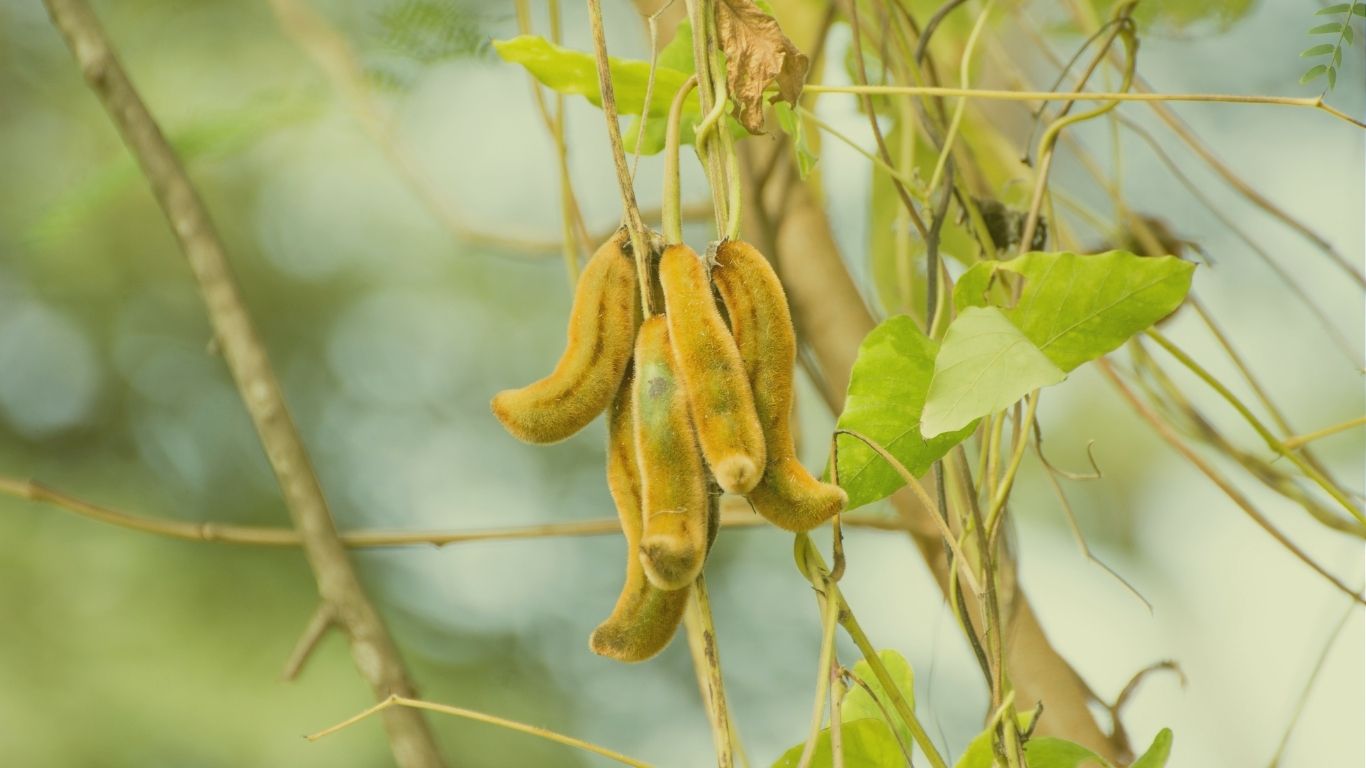
Dolichos pruriens is the homeopathic name for a plant more commonly known as Mucuna pruriens or, colloquially, cowhage, velvet bean, or cowitch. It is a tropical legume native to Africa and tropical Asia but now found in various warm climates across the globe. The plant is a climbing annual, characterized by its long, hairy pods.
The key to understanding Dolichos as a remedy lies in its source of extraction. The medicinal—and homeopathically significant—part of the plant is not the bean itself, but the tiny, stinging hairs that cover the seed pods. These hairs, known as spicules, are a potent irritant. Upon contact with human skin, they cause intense, violent itching and a prickling sensation. This very property provided the foundation for its homeopathic proving, a process where a substance is administered to healthy individuals to document the symptoms it produces, thereby defining its therapeutic picture.
Extraction and Preparation: The Alchemy of Potentization
The preparation of Dolichos, like all homeopathic remedies, follows a strict process of dilution and succussion (vigorous shaking) known as potentization. The initial substance, the raw tincture, is created by gathering the stinging hairs from the pods of the Mucuna pruriens plant and macerating them in a mixture of alcohol and water. This mother tincture, labeled as Dolichos Φ (phi), contains the crude molecular substance.
From this mother tincture, various potencies are created. The centesimal (C) potency scale, commonly used, involves diluting one part of the mother tincture with ninety-nine parts of a water-alcohol mixture and then succussing it forcefully. This results in a 1C potency. The process is repeated, using one part of the 1C solution with ninety-nine parts of fresh diluent, to create a 2C potency, and so on. As the potency number increases, the material quantity of the original substance decreases exponentially, but homeopaths believe the energetic imprint or informational pattern of the substance becomes more powerful and deeply acting.
Commonly used potencies of Dolichos range from 6C and 30C for more acute, localized conditions like new-onset itching, to 200C, 1M (1000C), and even higher for chronic, constitutional cases where the itching is a long-standing, deeply rooted issue. The selection of potency is a critical aspect of homeopathic practice and depends on the individual’s symptom totality, vitality, and the nature of their illness.
The Symptom Picture: When Dolichos is Indicated
The guiding principle of Dolichos can be summarized as intense itching without a visible eruption, though its scope extends further. The symptoms elicited during its proving paint a clear picture of its therapeutic domain.
1. The Cardinal Skin Symptoms:
The most prominent and characteristic indication for Dolichos is an intense, unbearable, and maddening itchiness of the skin. The key differentiator is that this violent itching often appears without any accompanying skin lesion or rash. The skin may look perfectly normal, yet the patient is driven to distraction by the sensation. When a rash is present, it is often associated with senile pruritus (itching in the elderly), where the skin is dry, atrophic, and itchy, especially on the back, arms, and legs, worsened by heat and at night. The itching is so severe it can prevent sleep.
2. Neurological and Rheumatic Symptoms:
Dolichos has a significant affinity for the nervous system. It is a leading remedy for neuralgic pains, particularly those that are shifting, wandering, and accompanied by numbness or a cold sensation. It is also indicated in cases of peripheral neuritis. A notable characteristic is its action on the liver. There is often a sensation of fullness and congestion in the liver, and it is a well-indicated remedy for jaundice, especially obstructive jaundice where the skin itching is a prominent and distressing feature.
3. Aggravations and Ameliorations:
Understanding what makes symptoms better or worse is crucial in homeopathic prescribing.
Aggravation: Symptoms are typically worse at night, preventing sleep. The itching and pains are also aggravated by heat, such as from a warm bed or bath.
Amelioration: There is often relief from cool, open air.
4. Mental and General Symptoms:
While primarily a physical remedy, the mental state accompanying Dolichos is one of intense irritability and restlessness, directly stemming from the unrelenting physical discomfort. The patient can be ill-humored and difficult to please because they are constantly tormented by their symptoms.
Clinical Uses and Applications in Modern Practice
In contemporary homeopathic practice, Dolichos is a specialist remedy, called upon for specific clinical presentations.
Pruritus in the Elderly: This is a primary use. For older patients suffering from generalized, idiopathic itching with dry skin, worsened by the warmth of bed, Dolichos can provide remarkable relief where conventional moisturizers and antihistamines fail.
Jaundice with Pruritus: In cases of hepatitis or obstructive jaundice where intense itching is a major complaint, Dolichos can be a supportive palliative measure to alleviate this distressing symptom.
Neuropathic Itching: For itching resulting from nerve damage or dysfunction, such as in diabetic neuropathy or post-herpetic neuralgia (after shingles), where the skin appears normal but itches intensely, Dolichos is a key remedy to consider.
Neuralgias: It can be effective for facial neuralgias or sciatic-like pains that are wandering, accompanied by numbness and a cold feeling.
Varicose Veins: It is sometimes used for itchy varicose veins where the itching is the predominant symptom.
Side Effects and Safety Considerations
As with all homeopathic remedies prepared through potentization, Dolichos in medium to high potencies (30C and above) contains little to no measurable material dose of the original substance. Therefore, it is generally considered safe, non-toxic, and free from the side effects associated with conventional drugs.
However, two important considerations exist. First, in very low potencies (such as 1X or 2X), there is a theoretical risk of causing a proving, or producing the symptoms it is meant to cure, due to a higher material presence. Second, and more commonly, a homeopathic aggravation can occur. This is a temporary intensification of existing symptoms following the correct remedy, which is often seen as a positive sign that the vital force is responding to the medicine before a lasting improvement begins. This is why it is always advisable to consult with a qualified homeopathic practitioner for persistent or serious conditions, rather than self-prescribing.
Prevention: A Misnomer in Homeopathy
The concept of “prevention” in homeopathy differs from the conventional medical model of vaccination. Homeopathic remedies are not used to prevent diseases in a broad, public health sense. Instead, they are prescribed based on an individual’s unique symptom presentation to restore health and balance to the organism. A well-chosen constitutional remedy can strengthen a person’s overall vitality, potentially making them less susceptible to illness. However, Dolichos itself is not a “preventative” medicine. One would not take Dolichos to prevent itching, just as one would not take Arnica to prevent a bruise. It is a therapeutic tool used when the specific symptoms it covers are actively present.
Comparative Analysis: Dolichos and Its Peers
To truly understand a homeopathic remedy, one must see it in relation to other similar remedies. Distinguishing Dolichos from its comparators is essential for accurate prescribing.
Dolichos vs. Sulphur:
This is the most crucial comparison, as Sulphur is the great homeopathic remedy for a vast range of skin ailments. Both can have intense itching worsened by heat and washing. The key difference lies in the eruption. Sulphur almost always presents with a visible skin pathology—redness, dryness, scaling, or eruptions that are sore, cracked, and burn. The Sulphur patient is often hot, messy, philosophical, and has a characteristic redness of the orifices. Dolichos, in its purest form, has violent itching on normal-looking skin.
Dolichos vs. Psorinum:
Psorinum is another remedy for unbearable itching, often associated with a history of suppressed skin conditions. The Psorinum itching is also worse from heat, but the patient feels profoundly weak, hopeless, and is intensely chilly. A strong, offensive body odor is characteristic of Psorinum, which is not a feature of Dolichos. Psorinum patients often feel better in the summer, unlike many other remedies.
Dolichos vs. Arsenicum Album:
Arsenicum is a remedy for burning pains and restlessness, which can include itching. However, the Arsenicum itch is typically a burning itch that is relieved by heat. This is the direct opposite of Dolichos, which is worse from heat. The Arsenicum patient is anxious, fastidious, and profoundly chilly.
Dolichos vs. Rhus Toxicodendron:
Rhus tox is a leading remedy for itching skin eruptions, particularly those that are vesicular (like poison ivy) and are accompanied by intense restlessness. The key differentiator is the modality. Rhus tox itching and restlessness are worse at rest and better from motion and warm applications, whereas Dolichos is worse from heat and motion may not bring significant relief.
Frequently Asked Questions (FAQs) About Homeopathic Medicine Dolichos
1. What is Dolichos in homeopathy, and where does it come from?
Dolichos is a homeopathic medicine derived from the plant Mucuna pruriens, commonly known as the cowhage or velvet bean plant. The remedy is prepared specifically from the stinging hairs found on the seed pods of the plant, which are notorious for causing intense itching upon contact. Homeopathy uses this naturally irritating substance, after a process of serial dilution and succussion (vigorous shaking), to treat conditions characterized by similar symptoms of severe itching.
2. What is the single most important symptom that indicates Dolichos?
The most characteristic and guiding symptom for Dolichos is intense, unbearable, maddening itching on skin that appears perfectly normal. There is no visible rash, redness, or eruption, yet the itching sensation is so severe it can drive a person to distraction and prevent sleep. This is its key differentiator from many other skin remedies.
3. My elderly relative has terrible itching, especially at night. Could Dolichos help?
Yes, absolutely. Dolichos is considered a leading remedy for senile pruritus (itching in the elderly). In such cases, the skin is often dry and thin (atrophic), and the itching is disproportionately severe, worsening at night and from the heat of the bed. If this symptom picture matches, Dolichos can be a very effective choice.
4. I have jaundice and the itching is unbearable. Why would a homeopath suggest Dolichos?
Dolichos has a strong affinity for the liver and is a well-known remedy for jaundice, particularly when intense itching (pruritus) is a dominant and distressing symptom. It is especially indicated for obstructive jaundice. The homeopathic principle is to match the medicine to the patient’s most prominent and characteristic symptoms, and in this case, the severe itching points directly to Dolichos.
5. What are the main differences between Dolichos and Sulphur, another common itch remedy?
This is a crucial distinction. While both can cause intense itching worsened by heat, the primary difference lies in the appearance of the skin:
Dolichos: The skin looks normal with no visible eruption. The itching is the main event.
Sulphur: Almost always has a visible skin eruption—it can be red, inflamed, dry, scaly, sore, or oozing. The Sulphur patient also often has a distinct “hot” and “messy” constitution, which is not a feature of Dolichos.
6. Are there any side effects of taking Dolichos?
Homeopathic remedies like Dolichos, especially in higher potencies (e.g., 30C and above), are highly diluted and generally considered safe and non-toxic. They do not have side effects like conventional drugs. However, a temporary homeopathic aggravation can sometimes occur, where the existing symptoms intensify slightly for a short period before improvement begins. This is seen as a positive sign that the body is responding to the remedy.
7. Can I take Dolichos to prevent itching?
No, that is not how homeopathic medicines work. Homeopathy does not function like a vaccine. Dolichos is a therapeutic remedy, meaning it is only used when the specific symptoms it is known to treat (like intense itching without a rash, or jaundice with pruritus) are actively present. It is not used as a preventative measure.
8. What potencies of Dolichos are commonly available, and how do I choose?
Dolichos is available in a range of potencies, such as 6C, 30C, 200C, and 1M.
For acute, recent-onset itching, lower potencies like 6C or 30C are often recommended.
For chronic, long-standing conditions (like years of senile pruritus), higher potencies like 200C or 1M may be used, but these are typically selected by a qualified homeopathic practitioner based on a full assessment.
For self-care of acute issues, starting with a 30C potency is common.
9. How often should I take Dolichos?
The frequency of dosage depends on the potency and the intensity of the symptoms. For an acute itch:
30C Potency: One dose (typically 2-3 pellets) taken once or twice a day may be sufficient.
The general rule is to stop dosing as soon as you see clear improvement. If the itch returns, you can take another dose. Avoid repeated, unnecessary dosing. For chronic conditions, the dosage schedule should be determined by a professional.
10. My itching is worse from cold and better from warmth. Is Dolichos still right for me?
Probably not. A key characteristic (modality) of Dolichos is that its symptoms, especially the itching, are worse from heat and better from cool, open air. If your itching is relieved by warmth, other remedies like Arsenicum Album or Rhus Toxicodendron might be a better fit, depending on your other symptoms. Always match the remedy to your unique experience.
Conclusion
Dolichos pruriens is a gem in the homeopathic cabinet, a remedy of sharp focus and profound utility. From its origins as a simple, irritating legume, it is transformed through the process of potentization into a precise tool for addressing some of the most tormenting forms of itch and nerve pain. Its value lies in its unique symptom signature, particularly the paradox of violent itching on unblemished skin. By understanding its origin, its specific indications, and how it differs from its closest counterparts, practitioners and students of homeopathy can effectively employ Dolichos to bring relief to patients suffering from these deeply distressing conditions.