Table of Contents
ToggleDiscover Safe Homeopathic Remedies for Dry Skin to Alleviate Symptoms and Enhance Your Skin Health Naturally
Introduction:
Dry skin, medically known as xerosis, is a common condition that affects people of all ages and can range from a temporary inconvenience to a persistent, uncomfortable issue. It occurs when the skin loses its natural moisture, leading to a compromised barrier function and a host of bothersome symptoms. Understanding the underlying reasons for dry skin, its potential effects, and the various ways to manage it—including conventional methods and alternative approaches like homeopathy—is key to maintaining healthy, comfortable skin.
Understanding Dry Skin: Symptoms and Diagnosis
The symptoms of dry skin can vary depending on factors such as age, overall health, and the severity of the condition. However, the hallmark signs are typically easy to recognize.
Common Symptoms
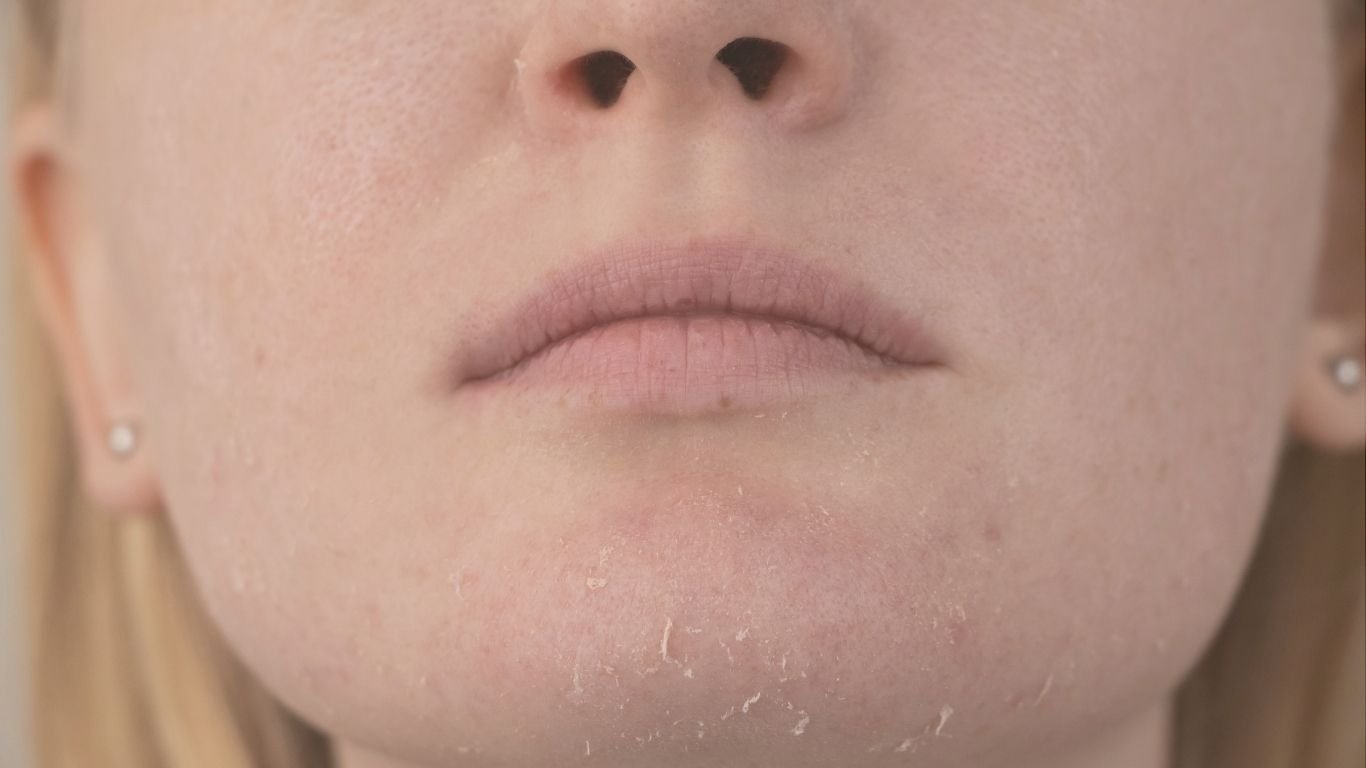
The most noticeable symptom is a change in the skin’s texture. The skin often feels and looks rough, losing its natural softness and pliability. You may also notice visible flaking or scaling, where the skin sheds small, white, or grayish pieces. A feeling of tightness, especially after bathing or showering, is another classic sign of moisture loss. Intense itching, known as pruritus, is one of the most frequent and distressing symptoms, which can sometimes be the only symptom experienced. The itching is often accompanied by redness, making the skin appear inflamed or irritated.
As the condition progresses, the skin may develop fine lines or cracks. In severe cases, deep fissures can form, which may be painful and even bleed, particularly on areas like the hands and feet where the skin is frequently flexed. Over time, chronic scratching and dryness can lead to thickened, leathery patches of skin, a process known as lichenification. While dry skin can affect any part of the body, it is particularly common on the hands, feet, lower legs, and arms.
Diagnosis
In most cases, an individual can self-diagnose dry skin by observing these symptoms and reviewing their skincare routine and environmental factors. A healthcare professional can also diagnose dry skin through a physical examination. They will ask questions about your bathing habits, diet, skincare practices, and any other underlying medical conditions you may have. In some instances, if a more serious skin disorder or an internal condition like hypothyroidism is suspected, further diagnostic tests may be ordered. You should consider consulting a doctor if your dry skin is accompanied by severe redness, open sores or signs of infection, or if it spreads extensively and does not improve with basic care.
The Underlying Causes of Dry Skin
Dry skin arises from a disruption of the skin’s protective barrier, primarily the stratum corneum. This outer layer of the epidermis relies on an adequate water content to remain supple, with an ideal moisture level between 20% and 35%. To prevent water from evaporating, the skin produces an oily substance called sebum, which acts as a natural shield. When the skin doesn’t produce enough sebum or when environmental factors cause excessive moisture loss, the skin becomes dehydrated and dry. The causes can be broadly categorized into internal and external factors.
External Causes
Environmental conditions play a significant role in causing dry skin. Unfavorable surroundings like hot, cold, or dry air can strip moisture from the skin’s surface. This is especially noticeable during the winter months when the air is cold and dry, or in desert climates with low humidity. Even excessive sun exposure can damage the skin and accelerate its aging process, making it more prone to dryness. This is why “winter itch” and “summer skin” are familiar concepts.
Our daily habits are another major external contributor. Frequent washing, especially long, hot baths or showers, removes the essential natural oils that form the skin’s protective barrier. Similarly, using harsh, alkaline soaps and detergents dissolves these skin lipids, leaving the skin feeling tight and dry. Certain occupations also present a higher risk; those who frequently wash their hands, like healthcare workers and food handlers, or who are exposed to chemicals, like cleaners and mechanics, are particularly susceptible. Even swimmers can develop dry skin due to the chemical content of pool water drawing moisture from the skin.
Internal Causes
Internal factors related to our body’s natural processes can also lead to dry skin. Aging is a primary cause; as we get older, the number and activity of our sebaceous glands decrease, leading to reduced sebum production. Hormonal influences are also significant, with changes in levels of hormones like estrogen and testosterone affecting the skin’s lipid levels. This is particularly noticeable in women during pregnancy and after menopause.
Underlying medical conditions and medications can also trigger xerosis. It is a common problem for people with diabetes, skin allergies (atopic dermatitis), or psoriasis. It can also be a symptom of hypothyroidism, kidney failure, or Sjögren’s syndrome. Furthermore, certain medications, such as diuretics to control blood pressure or topical acne treatments, can cause dry skin as a side effect. Genetic conditions like ichthyosis and keratosis pilaris also have skin dryness as a primary symptom. Lifestyle choices such as smoking, which decreases blood flow to the skin, and poor diet lacking in essential nutrients can also contribute to the problem.
Potential Effects and Complications of Dry Skin
While often considered a minor nuisance, untreated dry skin can have several negative effects and lead to more serious complications. The most immediate effect is intense itching, which can be disruptive to daily life and sleep. Scratching for relief can lead to breaks in the skin’s surface, creating entry points for bacteria and fungi. This increases the risk of developing a skin infection.
The damage to the skin’s barrier function can also lead to an inflammatory condition known as asteatotic eczema. In severe cases, this manifests as eczema craquelé, where the skin resembles cracked porcelain with a “crazy paving” pattern, and bleeding can occur from damaged capillaries. Furthermore, when dry skin is part of a condition like atopic dermatitis, the compromised barrier can be linked to other issues such as food allergies and an increased risk of allergic contact dermatitis from exposure to irritants. The long-term prognosis for simple xerosis is good with proper care, but it can become a chronic, persistent condition without lifestyle adjustments and a consistent skincare regimen.
Strategies for Prevention and Everyday Care
Preventing and managing dry skin largely revolves around maintaining the skin’s natural barrier. The prognosis for dry skin is generally good when triggers are avoided and a gentle skincare routine is followed. A few key adjustments can make a significant difference.
Bathing habits are a crucial starting point. It is best to take short showers or baths lasting 10 minutes or less, using comfortably warm rather than hot water. Harsh soaps should be avoided in favor of unscented, mild cleansers that have a high fat content or contain glycerin. Aggressive scrubbing should also be avoided as it removes natural oils.
The most critical step in prevention and management is moisturizing. Immediately after bathing, while the skin is still damp, you should pat dry and apply a generous amount of moisturizer. This helps to trap water in the outer layers of the skin. Look for products that contain ingredients like petrolatum, which is one of the most effective occlusives, forming an oily barrier to prevent water loss. Other beneficial ingredients include ceramides to enhance intercellular lipids, humectants like glycerin that draw water into the skin, and urea or lactic acid, which help bind water to the skin, especially beneficial for cracked heels. For itchy skin, ingredients like licochalcone A or polidocanol can provide soothing relief.
Other preventative steps include protecting the skin from harsh weather by wearing gloves, hats, and scarves, and using rubber gloves when using harsh cleansers. Choosing clothes made from natural fabrics like cotton or silk can also allow the skin to breathe and reduce irritation. Staying well-hydrated by drinking plenty of fluids and quitting smoking are also beneficial for overall skin health. It is advisable to avoid harsh detergents for washing clothes and to use fragrance-free products whenever possible.
A Holistic Approach: Homeopathic Treatment for Dry Skin
Homeopathy offers an alternative or complementary approach to managing dry skin. This system of medicine is based on the principle of “like cures like,” where substances that can cause symptoms in a healthy person are used in highly diluted forms to stimulate the body’s own healing response. Homeopathy focuses on treating the individual as a whole, considering their mental, emotional, and physical state to address the root cause of the imbalance rather than just suppressing symptoms. Remedies are chosen based on a person’s specific and unique symptom picture. It is important to note that claims made for homeopathic products are often based on traditional homeopathic practice and may not be accepted by or supported by conventional medical evidence.
Key Homeopathic Remedies for Dry Skin
Several homeopathic remedies are commonly used for treating dry, cracked, and rough skin. A professional homeopath will select a remedy based on a comprehensive case analysis, considering the specific type of skin issue and the person’s overall constitution. Here are some of the most prominent remedies with their typical indications.
Graphites
This remedy is often indicated for thick, crusty, oozing lesions that have a honey-like discharge, commonly found behind the ears, on the scalp, or hands. It is particularly suited for dry, rough, and cracked skin on the palms and soles. Individuals who benefit from Graphites are often described as sluggish, physically and mentally, with a tendency to be chilly and have digestive issues. It is also used for skin disorders, scars, and eczema.
Sulphur
Sulphur is a deep-acting remedy frequently used for skin conditions. It is indicated when there is intense itching, which is worse from heat and bathing. The skin is typically red, dry, and scaly with a burning sensation. Sulphur is often considered when the skin has been previously treated or suppressed with ointments. It is a remedy for dry, harsh, and rough skin that is generally worse from warmth.
Arsenicum Album
This remedy is used for skin that is burning and itchy, with symptoms that are better from warmth and worse from cold. It is often recommended for individuals who are anxious, restless, and have deep-seated fears about their health, particularly those with a tendency to worry. The skin may present with burning eczema and intense restlessness, making it difficult to sleep.
Calcarea Carbonica
Calcarea Carbonica is indicated for individuals who are generally slow, chilly, and easily fatigued. The skin is often dry, cracked, and worse during the winter. These individuals may also have a craving for eggs and sweets. This remedy is suited for those who are constitutionally weak or have a sluggish metabolism.
Natrum Muriaticum
This remedy is often used for dry, cracked lips and dry scalp, particularly when eczema appears around the hairline. The individual who needs Natrum Mur is often emotionally reserved and may have a history of grief or emotional suppression. It is also used for dry, irritated, or itchy skin symptoms.
Petroleum
Petroleum is a key remedy for conditions where the skin is rough, thickened, and prone to deep, painful cracks that bleed, especially on the hands and feet during cold weather. It is suited for chapped skin, eczema, and cracked fingertips that are worse in winter and better in summer. Individuals needing this remedy often have very sensitive skin that is easily irritated.
Psorinum
Psorinum is a remedy often prescribed for severe, dry, and itchy skin conditions where conventional treatments have failed. It is particularly suited for eczema that is worse from cold and from washing, with intense itching that makes the person feel better. It is frequently used for cases where there is a history of suppressed skin eruptions.
Other Noteworthy Remedies
Other remedies used in homeopathy for specific skin symptoms include Lachesis, Arsenic album, Lycopodium, Sepia, and Staphysagria, which have been indicated in case series for conditions like palmoplantar dermatitis. For temporary relief of dry skin, topical homeopathic creams containing ingredients like Silicea or a combination of Calendula and Chamomile are available. These may be used to soothe and moisturize, but like other homeopathic products, their efficacy is not evaluated by the FDA, and they are intended for temporary relief.
1. What exactly are homeopathic remedies for dry skin?
Homeopathic remedies for dry skin are highly diluted natural substances, often derived from plants, minerals, or animal products. They are prepared through a process of repeated dilution and vigorous shaking, called succussion. The core idea is that a substance which can cause certain symptoms in a healthy person can, in a very diluted form, stimulate the body’s own healing response to resolve similar symptoms. For dry skin, this means using microscopic amounts of substances that would normally produce dryness or irritation to help the skin restore its natural moisture balance.
2. How do I know which homeopathic remedy is right for my dry skin?
Choosing the right remedy is not simply about matching it to the condition “dry skin.” Homeopathy is highly individualized. A homeopath will consider your unique symptom picture, including the exact nature of your skin (e.g., is it cracked, scaly, burning, or itchy?), what makes it better or worse (heat, cold, bathing, time of day), and your overall physical and emotional state. For example, one person with dry skin who feels chilly and sluggish might need a different remedy than someone who feels anxious and restless. The goal is to match the remedy to the whole person, not just the skin complaint.
3. Are homeopathic remedies safe to use for dry skin?
Yes, homeopathic remedies are generally considered very safe when used as directed. Because they are highly diluted, they have virtually no risk of toxicity or serious side effects. They do not interact with conventional medications in a harmful way, making them a safe complementary option. However, it is always wise to consult with a qualified healthcare professional or a licensed homeopath before starting any new treatment, especially if you have a pre-existing medical condition, are pregnant, or are taking other medications.
4. Can I use homeopathic remedies alongside my regular moisturizers and skincare products?
Absolutely. Homeopathic remedies are typically taken internally as small sugar pellets or liquid drops, so they work systemically to stimulate your body’s healing. They do not interfere with external skincare products. In fact, combining homeopathic treatment with a good external skincare routine—like using gentle cleansers and applying rich moisturizers immediately after bathing—is often the most effective approach. Some homeopathic creams are also available for topical use, which can be applied directly to the skin alongside your usual moisturizer.
5. How long does it take for homeopathic remedies to improve dry skin?
The timeframe for improvement varies widely from person to person. Some individuals may notice positive changes within a few days, especially for acute flare-ups, while others with chronic, long-standing dry skin may need several weeks or even months of consistent treatment to see significant results. Homeopathy aims to address the underlying imbalance, so it works more gradually than conventional treatments that simply suppress symptoms. Patience and consistency are key, and it is important to follow the dosage instructions provided by your homeopath or on the product label.
6. Are there any side effects I should be aware of?
Serious side effects are extremely rare due to the high dilution of homeopathic remedies. However, some people may experience a temporary, mild worsening of their symptoms shortly after starting a remedy. This is known as a “healing aggravation” and is considered a positive sign that the body is beginning to respond and rebalance. This initial flare-up is usually short-lived and followed by improvement. If you experience any severe or concerning reactions, you should discontinue use and consult a healthcare professional.
7. Can children and elderly people safely use homeopathic remedies for dry skin?
Yes, homeopathic remedies are safe for all age groups, including children and the elderly. They are gentle, non-toxic, and do not suppress the immune system, making them a popular choice for families. For very young children or the elderly, the pellets can be dissolved in a small amount of water for easier administration. However, as with any treatment, it is always best to seek guidance from a qualified homeopath or pediatrician to ensure the correct remedy and dosage for the individual.
8. Do I need to see a professional homeopath, or can I buy remedies over-the-counter?
You can purchase many common homeopathic remedies for dry skin over-the-counter at health food stores, pharmacies, and online. These are often labeled for specific symptoms (e.g., “Dry Skin Relief”). However, for chronic, persistent, or severe cases, consulting a professional homeopath is highly recommended. A trained homeopath will take a detailed case history to select a remedy that is uniquely suited to you, which often leads to more effective and lasting results. Self-treatment works best for mild, temporary symptoms.
9. Will homeopathic remedies cure my dry skin permanently?
Homeopathy aims to stimulate your body’s own healing capacity to restore balance, which can lead to long-lasting improvement or even resolution of the underlying tendency toward dry skin. Unlike conventional treatments that often provide temporary symptom relief, homeopathy addresses the root cause of the issue. That said, factors like genetics, aging, climate, and lifestyle will always play a role in skin health. Even with successful homeopathic treatment, you may still need to maintain a good basic skincare routine to protect your skin from environmental stressors.
10. Are the claims about homeopathic remedies scientifically proven?
The claims made for homeopathic products are often based on traditional homeopathic practice and are not typically evaluated or supported by conventional scientific evidence or FDA approval for efficacy. Homeopathy operates on principles that differ from mainstream medicine. While many people report positive experiences and find it helpful, clinical studies on homeopathy have produced mixed results. It is best viewed as a complementary therapy rather than a substitute for conventional medical treatment, especially for serious underlying conditions that may be causing dry skin. Always discuss your symptoms with a doctor to rule out any significant health issues.
Conclusion
Dry skin is a multifaceted condition with a wide range of triggers, from external environmental factors to internal physiological changes. Its effects can range from mild discomfort to serious complications if left untreated. A proactive approach involving gentle skincare, consistent moisturizing, and avoiding known triggers is crucial for prevention and management. For those seeking a holistic approach, homeopathy offers a range of remedies tailored to the individual’s specific symptom picture, aiming to address the root cause and support the body’s natural healing process.













3 thoughts on “Homeopathic Remedies for Dry Skin”