
Table of Contents
ToggleOsteoarthritis: Causes, Effects, Prevention and Homeopathic Remedies for Osteoarthritis.
Introduction:
Osteoarthritis (OA) is often dismissed as simply “wear and tear” or an inevitable part of getting older, but this perspective doesn’t capture the full picture. It is a complex and chronic disease affecting the entire joint, including the bone, cartilage, ligaments, and lining . Far from being unavoidable, OA is a condition with distinct symptoms, identifiable risk factors, and proactive steps you can take to prevent it or manage its progression. This article provides a detailed exploration of osteoarthritis, from its underlying mechanisms to its management, including a look at both conventional and homeopathic approaches.
What is Osteoarthritis?
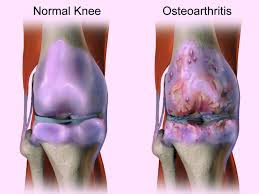
Osteoarthritis is the most common form of arthritis, affecting millions of people worldwide. In the United States alone, an estimated 33 million adults live with OA . It is a disease that breaks down the joint’s cushioning cartilage, leading to pain, stiffness, and swelling. As the cartilage wears away, bones may rub directly against each other, causing further damage and discomfort. While OA can damage any joint, it most commonly affects the joints of the hands, knees, hips, and spine .
It’s important to distinguish OA from other forms of arthritis, like rheumatoid arthritis (RA). OA is primarily a degenerative joint disease, while RA is an autoimmune disease where the body’s immune system attacks its own joint linings. This fundamental difference in origin leads to different treatment paths .
Signs and Symptoms of Osteoarthritis
The symptoms of OA can vary widely from person to person and often develop slowly, worsening over time. The classic and most common symptom is joint pain that worsens with activity and improves with rest . This mechanical pain is a hallmark of the disease. People with OA may experience a range of symptoms, including:
Joint Pain: Especially during or after movement.
Stiffness: Most noticeable upon waking in the morning or after a period of inactivity (sitting for a long time). This stiffness, known as the “gelling phenomenon,” typically lasts for less than 30 minutes .
Tenderness: The joint may feel tender when you apply light pressure to it.
Swelling: This can be caused by inflammation of the joint tissues or by the accumulation of fluid in the joint (an effusion) .
Crepitus: A grating sensation or the sound of bone rubbing on bone when you use the joint .
Bone Spurs: These are extra bits of bone that feel like hard lumps and can form around the affected joint .
Loss of Flexibility: You may not be able to move your joint through its full range of motion.
Joint Instability: The joint might feel loose or give way, like the knee is going to buckle .
In the hands, OA can lead to characteristic bony enlargements known as Heberden’s nodes (at the ends of the fingers) and Bouchard’s nodes (in the middle joints of the fingers) .
Causes and Risk Factors
Osteoarthritis is not caused by a single factor but is the result of a complex interplay of elements that increase the risk of joint damage. The exact cause of primary OA is often unknown, but it is believed to be a combination of genetic and environmental factors . Secondary OA, on the other hand, occurs as a consequence of another disease or condition, such as a previous joint injury or another form of arthritis .
Key risk factors for developing OA include:
Age: The strongest risk factor for OA is advancing age. While it’s not a normal part of aging, the cumulative stress on joints over decades, combined with a decreased ability of the joint to repair itself, makes OA more common in older adults . Radiographic evidence of OA is found in about 80% of people over the age of 75 .
Obesity: Excess weight is a major contributor to OA, particularly in weight-bearing joints like the knees and hips. For every pound of body weight gained, nearly four pounds of added pressure is put on the knees . Beyond the mechanical stress, fat tissue produces inflammatory proteins called cytokines, which promote systemic inflammation that can damage joints .
Joint Injuries and Overuse: A significant injury to a joint, such as from sports or an accident, can increase the risk of developing OA in that joint later in life . Repetitive stress on a joint from certain occupations or activities also contributes to cartilage breakdown over time .
Gender: Women are more likely to develop OA than men, especially after the age of 50 . This is thought to be linked to hormonal changes during menopause, as well as differences in joint alignment and ligament strength .
Family History: Genetics can play a role, making some people more susceptible to developing OA. If you have a family member with OA, your risk may be higher .
Joint Alignment and Anatomy: People with malaligned joints (like bowlegs or knock-knees) or congenital joint deformities are at higher risk, as these issues alter the biomechanics of the joint and lead to uneven stress on the cartilage .
Effects of Osteoarthritis on Daily Life
The impact of OA extends far beyond the physical symptoms. The chronic pain and stiffness can significantly affect a person’s quality of life. Simple daily tasks like walking, climbing stairs, opening jars, or even getting dressed can become challenging and painful. This loss of function can lead to disability, making it hard for someone to perform their job or maintain their independence .
Furthermore, the constant pain and reduced mobility can take an emotional toll. Many individuals with OA experience frustration, anxiety, and depression. The inability to participate in social activities, hobbies, or exercise can lead to social isolation and a decreased sense of well-being .
Prevention and Management Strategies
While there is no cure for OA, there are many effective strategies to prevent it, delay its onset, and manage its symptoms. The goal of treatment is to control pain, improve joint function, and maintain a good quality of life .
Prevention and Lifestyle Management
A proactive approach to joint health is the best defense against OA. Key strategies include :
Maintain a Healthy Weight: This is one of the most important things you can do to prevent OA. Keeping your weight in a healthy range reduces the stress on your weight-bearing joints.
Stay Physically Active: Regular, low-impact exercise is crucial. Activities like walking, swimming, cycling, and strengthening exercises help keep joints flexible, strengthen the muscles that support them, and aid in weight control . Aim for at least 30 minutes of moderately intense exercise five times a week .
Control Blood Sugar: High blood sugar levels can make cartilage stiffer and more vulnerable to mechanical stress. Managing conditions like diabetes is important for joint health .
Protect Your Joints: Use your largest, strongest joints for lifting and carrying. Pay attention to your body’s signals and take breaks when needed to avoid overuse .
Homeopathic Treatment for Osteoarthritis
In addition to conventional medicine, many people seek complementary approaches like homeopathy to manage their OA symptoms. Homeopathy is a holistic system of medicine based on the principle of “like cures like,” using highly diluted substances to stimulate the body’s self-healing mechanisms.
The Principles of Homeopathic Care
A key distinction in homeopathy is the approach to treatment. Practitioners may use individualized homeopathy, where a remedy is chosen based on a person’s unique physical, emotional, and mental symptoms. Alternatively, they might use a fixed medicine for a specific condition. A growing body of research suggests that individualized treatment may be particularly effective .
Evidence and Remedies
A recent systematic review of homeopathy for rheumatic diseases, which included three studies on osteoarthritis, found that homeopathy is a “promising and safe therapy.” Most of the studies reviewed demonstrated improvements in symptoms after homeopathic treatment, with side effects being minimal or comparable to a placebo . This suggests that homeopathy could be a gentle option for those seeking relief.
Ongoing research continues to explore specific remedies. For instance, a clinical trial in India is currently underway to evaluate the effectiveness of Chelidonium majus (a plant-based mother tincture) when given alongside individualized homeopathic medicine for knee osteoarthritis. The study aims to measure its impact on reducing pain and stiffness, providing more evidence for its use .
A Note on Integrative Care
It is important to view homeopathy as a complementary therapy. If you are considering homeopathic treatment for OA, it is crucial to consult with a qualified and experienced homeopath. They can take a detailed case history and prescribe a remedy tailored to your specific symptom picture. You should also keep your medical doctor informed about all treatments you are using to ensure a coordinated and safe approach to your health.
Frequently Asked Questions About Homeopathic Remedies for Osteoarthritis
1. Can homeopathy really help with osteoarthritis pain?
The evidence on this is mixed, but there are indications it may be beneficial for some people. A study highlighted in a consumer health library found that a homeopathic gel was as effective as a nonsteroidal anti-inflammatory medicine for easing pain . This suggests a potential role for topical homeopathic preparations. However, the same source notes that oral homeopathic complexes are “unlikely to be effective” . A systematic review of homeopathy for rheumatic diseases, which included studies on osteoarthritis, concluded that homeopathy is a “promising and safe therapy,” with most studies showing symptom improvement . It’s important to approach these findings with nuance: some applications of homeopathy show promise, while others do not.
2. How do homeopathic remedies for OA work?
Homeopathy is based on the principle of “like cures like,” using highly diluted substances to stimulate the body’s own healing response . In practice, a homeopath selects a remedy not just based on the disease name, but on the patient’s unique and total symptom picture—this is known as individualization . For example, two people with osteoarthritis might receive different remedies depending on the nature of their pain (e.g., sharp, dull, or burning), what makes it better or worse (e.g., movement, rest, cold), and even their emotional state .
3. What are the most common homeopathic remedies for osteoarthritis?
Several remedies are frequently mentioned for osteoarthritis, each with a specific symptom profile. The table below summarizes some of the most common ones based on multiple sources :
| Remedy Name | Commonly Used When… |
|---|---|
| Rhus Toxicodendron | Pain and stiffness are worse upon first moving after rest but improve with continued motion. Often worse in cold, damp weather. |
| Bryonia Alba | Pain is sharp and stitching, and becomes worse with the slightest movement. The person feels better with complete rest and firm pressure. |
| Ledum palustre | Pain and inflammation start in the lower joints (like the toes) and move upward. The joints may be swollen and feel cold, but are relieved by cold applications. |
| Arnica | There is a deep, bruised, and sore feeling in the joints, especially if the OA began after an injury or trauma. The joints are very tender to touch. |
| Belladonna | There is a sudden onset of intense, throbbing pain with heat, redness, and visible inflammation in the joint. |
| Calcarea Carbonica | The person is overweight, chilly, and easily tired. Joint pain and swelling, particularly in the knees, are worse from cold and dampness. |
| Ruta graveolens | There is great stiffness and lameness, with the tendons and joint capsules being primarily affected. It is often considered for overuse injuries. |
4. How do I take homeopathic remedies? What is the right dosage?
General guidance for self-treatment suggests using a lower potency (such as 6C or 30C) and following the instructions on the product label . A common approach is to take one dose and observe the response. If improvement is seen, the dose is not repeated, allowing the remedy to continue working. Another dose is only taken if the improvement plateaus or stops . The frequency can vary dramatically—from several times an hour during intense symptoms to once a day or less in milder or improving cases . It is always best to consult a qualified homeopathic practitioner for personalized dosage instructions.
5. Are homeopathic remedies safe? Are there any side effects?
Homeopathic remedies, especially in the low potencies commonly available for self-care, are generally considered safe and are not known to cause serious side effects . One of the cited advantages of homeopathic treatment is that it is non-toxic, non-habit forming, and can be used long-term without the side effects associated with some conventional pain medications . However, it is crucial to buy products from reputable sources and check labels. While highly diluted remedies are safe, products that are not sufficiently diluted could contain active ingredients that might cause allergic reactions or interactions . Pregnant or breastfeeding women should exercise caution with any new treatment, including homeopathy .
6. Should I stop my conventional medicine if I try homeopathy?
Absolutely not. Homeopathy should be viewed as a complementary therapy, not a replacement for conventional medical care . The information provided states clearly that homeopathy “should not be used in place of standard care” . Always keep your medical doctor informed about all the treatments and supplements you are using, including homeopathy. This ensures your healthcare is coordinated, safe, and that any potential interactions are avoided. The goal is to integrate homeopathy into your overall management plan, working alongside your regular treatments.
7. How quickly will I see results?
The response time to homeopathic treatment can vary greatly from person to person. Some people, particularly those in the initial stages of osteoarthritis, may notice an improvement in pain and joint mobility relatively quickly . For others, especially those with long-standing or advanced OA, it may take longer to see a noticeable change, and the focus may be on slowing disease progression and providing palliative relief . A holistic approach that combines homeopathy with lifestyle measures like exercise, diet, and physiotherapy is often the most effective path to managing symptoms .
8. Where can I find a qualified homeopath?
If you are interested in pursuing homeopathic treatment, it is essential to consult with a qualified and experienced practitioner. They will take a detailed case history to prescribe a remedy tailored specifically to you. You can look for practitioners through professional homeopathic organizations in your country. Many health insurance companies now also recognize treatment from licensed homeopathic practitioners, which can make accessing care more manageable .
Conclusion
Osteoarthritis is a prevalent and often debilitating condition, but it is not an inevitable sentence to a life of pain and inactivity. It is a multifaceted disease influenced by factors like age, weight, injury, and genetics. Understanding these causes and recognizing the early symptoms are the first steps toward taking control. While there is no magic cure, a powerful combination of lifestyle choices—such as maintaining a healthy weight and staying active—can significantly lower your risk and slow disease progression . For those already living with OA, a wide spectrum of management options exists, from conventional medical treatments and physical therapy to complementary approaches like homeopathy . The key is to be proactive, work with healthcare professionals to build a personalized plan, and focus on maintaining mobility and quality of life at every stage.