Table of Contents
ToggleUnderstanding Head Eruptions: Symptoms, Causes,
Effects, Prevention and Homeopathic Medicines for Head Eruptions
Introduction:
Head eruptions, a common and often distressing condition, encompass a variety of skin manifestations on the scalp. These can range from mild, flaky dandruff to severe, weeping lesions that cause discomfort and embarrassment. Understanding the underlying causes, recognizing the symptoms, and exploring effective treatment options, including homeopathy, is essential for managing this condition. This article provides a detailed overview of head eruptions and outlines a holistic approach to treatment.
Understanding Head Eruptions
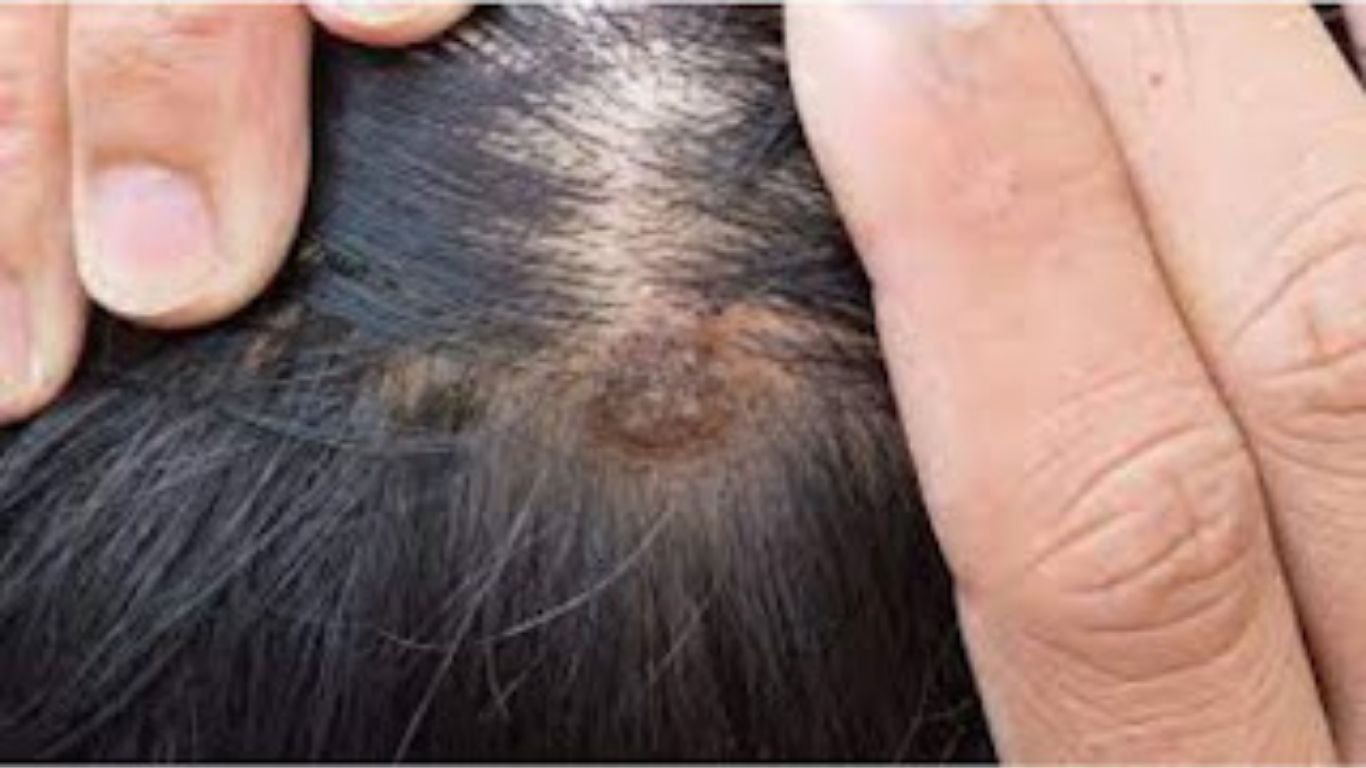
The term “head eruptions” is a broad descriptor for any abnormal skin condition on the scalp that results in visible lesions, such as pimples, blisters, pustules, or crusts. These eruptions can be acute or chronic, mild or severe, and may or may not be accompanied by other symptoms like itching or pain. Conditions that fall under this category include seborrheic dermatitis, scalp eczema, psoriasis, folliculitis, and dandruff, all of which can significantly impact a person’s quality of life .
Common Symptoms of Head Eruptions
The symptoms of head eruptions vary depending on the specific condition, but several common signs can indicate the presence of a scalp disorder. These include:
Redness and Inflammation: The scalp may appear red and inflamed, often accompanied by swelling .
Pustules and Papules: Small, raised bumps may appear on the scalp. These are known as papules when solid and pustules when filled with pus .
Crusting and Scaling: The scalp may develop dry or oily scales. In some cases, thick, yellowish crusts form, which can sometimes have a foul odor upon discharge .
Itching and Pain: Pruritus, or itching, is a common symptom, often worse at night. The affected area may also be sore or painful .
Hair Loss: In severe cases, persistent inflammation and scratching can damage hair follicles, leading to temporary or permanent hair loss .
Oozing and Discharge: In conditions like “running scald head,” there may be a moist, weeping discharge from the lesions .
Primary Causes and Contributing Factors
Head eruptions are rarely caused by a single factor; instead, they arise from a complex interplay of internal and external influences. Traditional homeopathic texts and modern dermatology concur on several key causes .
Poor Hygiene and Scalp Care: Infrequent washing, use of harsh shampoos, or other improper hair care practices can lead to the accumulation of oil, dead skin cells, and dirt. This buildup can clog hair follicles and create an environment conducive to infection or inflammation .
External Irritants and Environment: The scalp is sensitive and can react to various external factors. Environmental conditions like excessive heat and humidity, particularly from wearing hats or helmets that trap moisture, can exacerbate or trigger eruptions . Exposure to allergens or chemical irritants can also cause contact dermatitis .
Dietary Factors: Diet plays a significant role in skin health. The consumption of spicy, oily, and high-sugar foods is known to stimulate sebaceous glands, leading to excess oil production that can clog pores and contribute to breakouts on the scalp .
Infections and Underlying Conditions: Bacterial infections, such as staphylococcal folliculitis, are a common cause of pustular head eruptions . Fungal infections like tinea capitis (ringworm) are also significant, particularly in children . Additionally, systemic conditions with a strong inflammatory component, such as seborrheic dermatitis and psoriasis, often manifest on the scalp .
Contagion: Historically, and particularly in cases of tinea capitis, head eruptions have been recognized as highly contagious. The condition can spread through direct contact or by sharing combs, towels, or hats .
Internal and Constitutional Factors: Homeopathy emphasizes the role of internal health, or the “diathesis,” in skin disease. A scrofulous or psoric constitution, which reflects a genetic predisposition to certain diseases, is considered a fundamental cause . When the body’s natural defense mechanisms are compromised, it becomes more susceptible to skin manifestations like head eruptions. In some cases, sudden suppression of an external eruption through violent external treatments was historically thought to drive the disease inward, leading to serious internal disorders .
Effects and Complications
While often not life-threatening, untreated or improperly managed head eruptions can lead to several significant effects and complications.
Psychological Impact: The visible nature of scalp eruptions can cause considerable social stigma and emotional distress. This is particularly true when the lesions are prominent, leading to anxiety, low self-esteem, and a diminished quality of life. One case report on seborrheic dermatitis noted the significant “somatopsychic disorder” caused by the condition’s visibility .
Secondary Infections: Persistent scratching can break the skin, creating entry points for bacteria and leading to secondary infections. This can worsen the original condition and make it more difficult to treat .
Permanent Hair Loss: Chronic inflammation from severe scalp conditions can eventually damage hair follicles, leading to scarring alopecia, a permanent form of hair loss .
Systemic Spread: In rare and severe cases, an infection that begins on the scalp can spread to other parts of the body. Historically, it was also observed that a severe, prolonged scalp condition could be connected to a general cachectic state, predisposing the patient to more serious internal diseases like consumption .
Prevention and General Care
Preventing head eruptions involves adopting healthy scalp habits and making appropriate lifestyle changes.
Maintain Scalp Hygiene: Wash your hair regularly with a mild, gentle shampoo to remove excess oil, sweat, and dead skin cells. It is important to avoid vigorous scratching with fingernails, which can irritate the scalp and introduce infection .
Avoid Irritants: Be mindful of hair products that may contain harsh chemicals or fragrances. Identify and avoid potential allergens that can cause contact dermatitis .
Dietary Management: Limit the intake of oily, spicy, and sugary foods that can stimulate sebum production. A balanced, nutritious diet supports overall skin health .
Environmental Control: Ensure the scalp is not constantly exposed to excessive heat and moisture. Allow the scalp to “breathe” by taking breaks from wearing hats or helmets when possible .
Avoid Sharing Personal Items: Do not share combs, brushes, towels, or hats with others, as this can prevent the spread of contagious scalp conditions like tinea capitis .
Seek Early Intervention: Consult a healthcare professional at the first sign of a persistent scalp issue. Early and accurate diagnosis is key to effective treatment and preventing complications .
The Homeopathic Approach to Head Eruptions
Homeopathy offers a holistic and individualized approach to treating head eruptions, focusing not just on the external symptoms but on the person’s overall constitution. The goal is to stimulate the body’s innate healing response to restore balance.
A systematic review of homeopathic treatment for eczema, psoriasis, and seborrheic dermatitis found limited fair-level evidence suggesting effectiveness, including a study showing significant improvement in seborrhea area and severity index . A case report also demonstrated successful management of seborrheic dermatitis with an individualized homeopathic medicine, where the patient’s quality of life improved from “extremely large” to “no effect at all” . The remedies listed below are commonly indicated for scalp conditions.
Homeopathic Remedies for Head Eruptions
The following are key homeopathic remedies often indicated for head eruptions. The choice depends on the specific presentation and the individual’s overall state.
Rhus Toxicodendron
This is a prominent remedy for head eruptions, particularly during an inflammatory stage. It is specifically indicated when there is an eruption with a secretion of greenish pus and intense nighttime itching. Rhus Tox is useful when the eruption is accompanied by swelling and a corrosive discharge that can lead to ulceration . It is often alternated with other remedies like Arsenicum album for complex cases.
Sulphur
Sulphur is a deep-acting constitutional remedy often indicated when dry, scaly crusts form on the scalp. It may be prescribed for stubborn cases, especially when other remedies fail to produce lasting improvement. In the historical treatment of “dry scald head,” Sulphur was given if Calcarea Carb. did not bring about amelioration . It is often prescribed to address underlying susceptibility to skin conditions.
Calcarea Carbonica
This remedy is indicated for a specific type of head eruption where dry, scaly, crusty scabs are present. It is often considered in children with a sluggish constitution, especially those who are prone to white, chalky scales. If improvement is not seen with Calcarea Carb., the homeopath may then move to Sulphur . The modern Dandruff Pill lists Calcarea Carbonica for white, crusty scales .
Hepar Sulphuris
Hepar Sulphuris is effective for controlling lighter forms of eruptions. This remedy is particularly useful when the eruption is not confined to the head but also appears on the face and neck. It is also indicated when there is a concurrent affection of the eyes. The sensitivity of the eruptions is often a key characteristic .
Staphisagria
When the head eruption is of a humid, fetid character, accompanied by severe itching and swelling of the glands of the neck, Staphisagria is often beneficial. This remedy is suited to individuals who are sensitive and may have a history of suppressed emotions .
Arsenicum Album
This remedy is a powerful medicine for corrosive conditions. It is indicated when the pus from the eruption has a corrosive quality, causing new ulcers and extending the disorder. Arsenicum Album is often alternated with Rhus Tox and is used internally, with applications of the remedy to the edges of the scabs . A modern case report on seborrheic dermatitis highlighted the success of Arsenicum Album after an aggravation with another remedy .
Dulcamara
Dulcamara is helpful when head eruptions are accompanied by scrofulous symptoms, such as swelling of the glands in the neck and throat. It is often prescribed in alternation with Bryonia for such cases. This remedy is well-suited to conditions that worsen in damp weather .
Lycopodium Clavatum
This remedy is indicated for the “running scald head,” where the eruption is moist and weeping. In older texts, Lycopodium was prescribed for this form of scalp condition before moving on to Sulphur if no improvement was seen .
Berberis Aquifolium
Berberis Aquifolium is a modern homeopathic remedy frequently indicated for skin complaints of the scalp, face, and neck. It is used for a variety of conditions, including pimples, dry eczema, and eruptions. It is especially helpful in cases where eruptions are on the scalp and associated with glandular affections .
Kali Sulphuricum
Kali Sulphuricum is a biochemic remedy used to manage scalp health, helping to reduce dandruff and irritation associated with conditions like seborrheic dermatitis. It is often used for conditions characterized by yellow, slimy scales. The Dandruff Pill lists Kali Sulphuricum specifically for its flaking properties .
General Homeopathic Treatment and Dosage
Homeopathic treatment is highly individualized. A constitutional remedy, chosen to match the patient’s unique physical and mental characteristics, is often the most effective long-term solution. In acute cases, lower potencies (e.g., 6X, 30C) can be used more frequently, while higher potencies (e.g., 200C, 1M) are generally reserved for constitutional treatment and are taken less often . A recent case reported significant improvement using Arsenicum Album 200C .
An example of a homeopathic complex for scalp health is the Dandruff Pill, which contains a combination of remedies including Kali Bromatum, Kali Muriaticum, Kali Sulphuricum, Natrum Muriaticum, Sulphur, Calcarea Carbonica, and Niccolum Sulphuricum. Such products are taken orally, with the dosage often adjusted according to body weight .
While adverse effects are generally minimal, it is prudent to seek professional advice before starting any homeopathic treatment, especially for pregnant or nursing women and children . Homeopathic medicines should be taken away from strong-smelling substances like coffee, mint, and camphor to ensure their effectiveness . If there is no improvement after a reasonable period of homeopathic treatment, it is essential to re-evaluate the case, either by a qualified homeopath or a dermatologist, to rule out any serious underlying condition.
Simple FAQs About Homeopathic Medicines for Head Eruptions
1. What exactly are head eruptions, and can homeopathy really help with them?
Head eruptions refer to any skin abnormalities on the scalp, such as pimples, pustules, dry scales, crusts, or weeping sores. Conditions like dandruff, seborrheic dermatitis, scalp psoriasis, and folliculitis all fall under this category. Yes, homeopathy can be very helpful. Instead of just suppressing the external symptoms, homeopathic remedies work from within to address the underlying causes, such as immune imbalance, digestive issues, or genetic susceptibility. The goal is to stimulate the body’s own healing mechanisms to restore scalp health permanently.
2. Are homeopathic medicines safe for treating scalp problems?
Yes, homeopathic medicines are generally considered very safe. They are made from natural substances in highly diluted forms, which means they do not cause toxicity or harsh side effects. They are non-habit forming and can be used by people of all ages, including children and the elderly. However, it is always wise to consult a qualified homeopathic practitioner before starting any treatment, especially if you are pregnant, nursing, or have a pre-existing medical condition.
3. How do I know which homeopathic remedy is right for my head eruption?
Choosing the right remedy is not based on the name of the disease alone. A homeopath selects a medicine that matches your unique set of symptoms. For instance, the type of eruption (dry, weeping, or pustular), the color and odor of any discharge, the time of day when itching is worst, and even your overall temperament and lifestyle are all considered. For example, Rhus Tox is for greenish, itchy pus, while Calcarea Carb suits dry, white, scaly crusts. This individualized approach is why seeing a professional is recommended.
4. Can I use homeopathic remedies alongside my regular allopathic shampoos or creams?
Yes, homeopathic remedies are compatible with most conventional topical treatments. They work on a different level—internally and systemically—so they do not interfere chemically with creams or medicated shampoos. However, it is best to maintain a gap of at least 15 to 30 minutes between applying any topical product and taking your homeopathic medicine orally. Also, avoid using very strong-smelling products like menthol or camphor just before taking your dose, as strong odors can sometimes neutralize the remedy.
5. How long does it take for homeopathic medicines to show results on head eruptions?
The timeline varies from person to person. For acute or mild cases, you might notice improvement in a few days to a week. For chronic, long-standing, or severe scalp conditions, it can take several weeks or even months of consistent treatment. Homeopathy aims for a deep-rooted cure rather than quick symptomatic relief, so patience is important. If you see no improvement after 4 to 6 weeks of proper treatment, you should revisit your homeopath to re-evaluate the remedy selection.
6. Will my head eruptions get worse before they get better with homeopathy?
Sometimes, a temporary, mild worsening of symptoms can occur at the very beginning of homeopathic treatment. This is known as a “healing aggravation” and is considered a positive sign that the remedy is stimulating the body’s vital force to expel the disease. However, this is not common and usually subsides quickly. If you experience a severe or unbearable worsening, stop the remedy and contact your homeopath immediately. Genuine homeopathic treatment should not cause prolonged distress.
7. Are there any foods or habits I should avoid while taking homeopathic medicines?
Yes, there are a few general guidelines. Strong flavors like garlic, onions, coffee, mint, and camphor (often found in balms or vapor rubs) are believed to interfere with the action of homeopathic medicines. It is advised to avoid consuming these within 15 to 20 minutes before and after taking your dose. Additionally, for the best results, you should follow a healthy diet—limiting oily, spicy, and sugary foods—as these can aggravate scalp oiliness and inflammation.
8. Can homeopathy cure scalp conditions like dandruff permanently?
Yes, when the treatment is constitutional—that is, when the remedy is chosen based on your complete physical and emotional picture—homeopathy has the potential to provide a lasting cure. Unlike harsh chemical shampoos that only remove flakes temporarily, homeopathy addresses the internal imbalance, such as hormonal issues or poor digestion, that causes excessive flaking. Many patients experience long-term relief and a noticeable reduction in recurrence after completing a full course of treatment.
9. Is it okay to use homeopathy for head eruptions in children?
Absolutely. Children often respond very well to homeopathy because their vital force is strong and reactive. For common issues like cradle cap or ringworm of the scalp, gentle remedies like Calcarea Carbonica or Hepar Sulphuris can be very effective. Homeopathic pills or powders are sweet-tasting and easily dissolved in water, making them easy to administer to even fussy children. As always, consult a pediatric homeopath for the correct dosage and potency for your child’s age.
10. What should I do if I choose the wrong homeopathic remedy?
If you take a remedy that is not perfectly matched to your symptoms, it is unlikely to cause harm, but it will also not bring about significant improvement. In that case, simply stop the remedy and wait for a day or two. Observe your symptoms carefully—note what makes them better or worse—and then either consult a professional homeopath or use a more symptom-specific guide to select a new remedy. Taking the wrong remedy repeatedly may confuse the case, so professional guidance is always the safest and most effective route.
Conclusion
Head eruptions, whether presenting as mild dandruff or severe, weeping lesions, are more than just superficial skin complaints. They can significantly impact physical comfort, emotional well-being, and even lead to complications like secondary infections or permanent hair loss if left unaddressed. The causes are multifaceted, ranging from poor hygiene and dietary indiscretions to underlying infections and constitutional predispositions, making a comprehensive treatment approach essential.
Homeopathy offers a valuable, safe, and holistic pathway for managing these conditions. By moving beyond symptomatic suppression and focusing on the individual’s unique symptom picture and overall constitution, homeopathic remedies like Rhus Toxicodendron, Sulphur, Calcarea Carbonica, and others aim to stimulate the body’s innate ability to heal itself from within. When combined with proper scalp hygiene, dietary adjustments, and preventive care, this system of medicine provides a gentle yet effective strategy for achieving lasting relief and restoring scalp health. As with any chronic condition, consulting a qualified homeopathic practitioner ensures the most precise remedy selection and dosage, paving the way for a genuine and enduring recovery.