Table of Contents
ToggleUnderstanding Sunstroke: Symptoms, Causes,
Effects, Prevention and Homeopathic Medicines for Sunstroke
Introduction
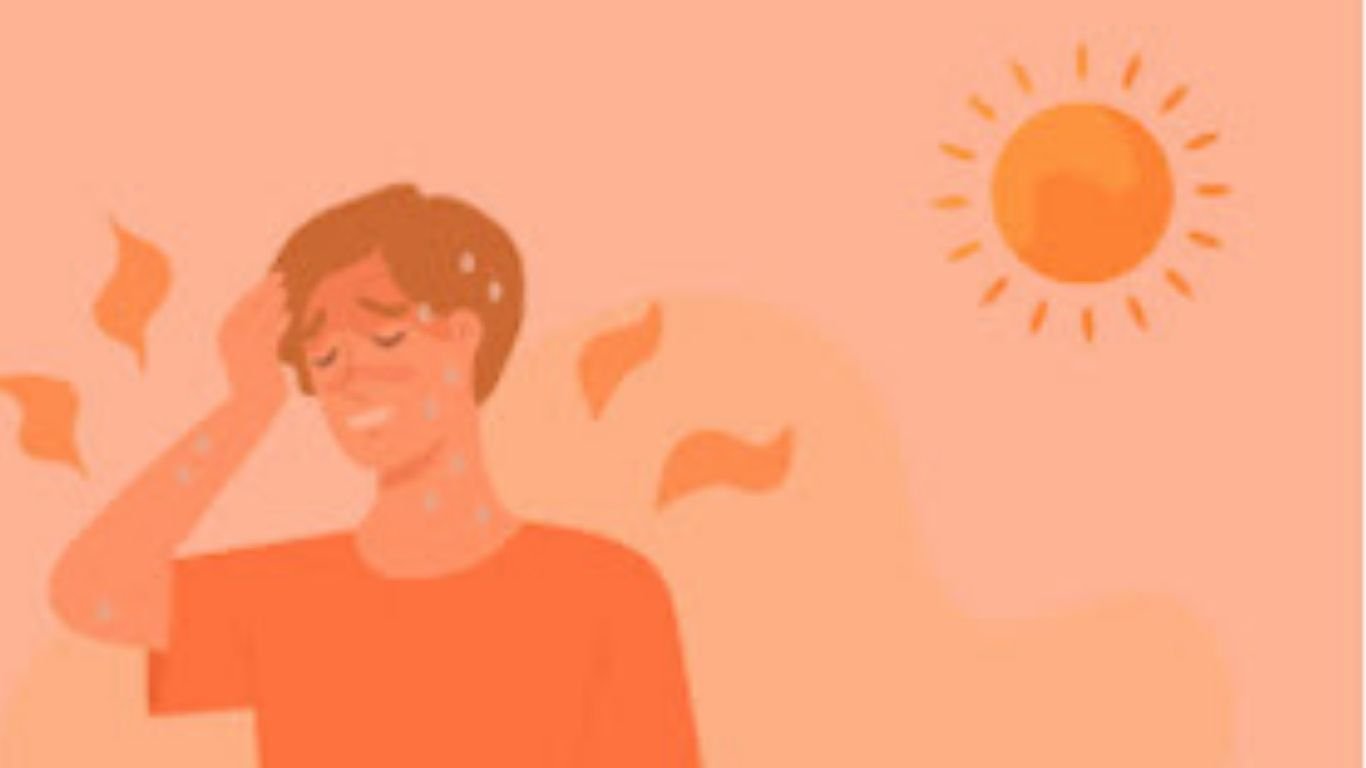
Sunstroke, medically termed heatstroke, represents the most severe form of heat-related illness and constitutes a genuine medical emergency. The condition occurs when the body’s intricate thermoregulatory system fails, leading to a dangerous elevation in core body temperature. Under normal circumstances, the human body meticulously maintains its internal temperature around 37°C (98.6°F) through the hypothalamus, a critical region of the brain responsible for regulating bodily functions. However, when exposed to extreme environmental heat, particularly direct sunlight, the body may absorb more heat than it can effectively dissipate, causing the internal temperature to spiral upward to dangerous levels.
Sunstroke manifests when the core body temperature rises to 40°C (104°F) or higher. At this threshold, the body’s natural cooling mechanisms become overwhelmed and cease to function properly. Unlike heat exhaustion, which represents a less severe form of heat illness, sunstroke involves profound central nervous system dysfunction and carries significant risks of mortality and morbidity even with aggressive medical intervention. The condition does not discriminate—while certain populations face elevated risk, anyone exposed to extreme heat conditions can develop sunstroke. Experience with past heat waves, and the possibility of future heat waves associated with global warming, points out the importance of prevention of heat stroke as it carries significant mortality and morbidity despite aggressive treatment.
Recognizing the Symptoms of Sunstroke
The symptoms of sunstroke can be insidious, often developing gradually before escalating into a life-threatening crisis. Early recognition of warning signs is essential for prompt intervention and favorable outcomes. The human brain is exceptionally sensitive to thermal fluctuations, and when the body’s core temperature climbs to dangerous levels, the blood-brain barrier can be compromised, and brain cells struggle to function. This thermal stress manifests as acute neurological distress.
Primary Symptoms
The hallmark indicators of sunstroke include an elevated body temperature reaching 40°C (104°F) or higher, typically measured using a rectal thermometer for accuracy. The skin often appears hot, flushed, or notably pale, and in classic non-exertional heatstroke, sweating may be notably absent—a paradoxical finding given the intense heat.
Individuals experiencing sunstroke frequently present with altered mental states or behavioral changes. This may include confusion, agitation, slurred speech, irritability, delirium, disorientation, and in severe cases, seizures or coma. These neurological manifestations are not secondary symptoms; they are direct signs that the central nervous system is under immediate threat.
Severe headache, often throbbing in nature, accompanies the condition, along with dizziness, loss of balance, and a sense of impending collapse. Nausea and vomiting are common, as is a rapid, bounding pulse and hyperventilation characterized by rapid, shallow breathing. Muscle cramps may occur, and individuals may experience severe fatigue or weakness.
Progression to Severe Symptoms
As the condition worsens, people may become disoriented, stop sweating entirely, or lose consciousness. Severe sunstroke symptoms require immediate medical attention. In the most critical cases, seizures, fainting, and loss of consciousness may occur. Audible lung crackles, such as bubbling or gurgling sounds in the lungs, may indicate pulmonary complications. Oliguria, or low urine output, may also be observed.
Differentiating from Heat Exhaustion
Understanding the distinction between heat exhaustion and sunstroke is critical for appropriate intervention. Heat exhaustion does not usually require emergency medical assistance if cooling can be achieved within thirty minutes. However, if it progresses to heatstroke, emergency treatment becomes essential. Heat exhaustion is characterized by heavy sweating, weakness, intense thirst, pale clammy skin, a weak rapid pulse, and normal body temperature. In contrast, sunstroke involves a dangerous rise in core temperature affecting organ function, with hot dry skin, confusion, collapse, and unconsciousness representing more advanced stages.
The Causes and Risk Factors of Sunstroke
Sunstroke occurs when the body’s natural cooling mechanisms fail to adequately regulate its temperature. The body typically rids itself of excess heat through increasing blood flow to the skin, sweating, and breathing out warmed air. When the air temperature is very high, however, the blood may not cool down sufficiently as it circulates through the skin. Additionally, excessive fluid loss decreases blood volume, causing body temperature to rise. If the body continues to generate heat faster than it can be lost, the core temperature may reach dangerous levels.
Environmental and Situational Causes
Prolonged exposure to direct sunlight, particularly during peak hours between 11 AM and 3 PM, represents the most direct cause of sunstroke. High humidity significantly increases risk, as it renders the cooling mechanism of sweating less effective. Intense physical activity outdoors in hot weather, especially when the body is not acclimated to such conditions, constitutes another major cause. Exertional heatstroke can affect otherwise healthy individuals who engage in strenuous exercise in hot or humid weather. Working in hot conditions, particularly for outdoor workers, delivery personnel, and athletes, substantially elevates risk.
Classic heatstroke, by contrast, typically affects elderly individuals with chronic medical conditions. The condition can also occur without direct sun exposure—the one essential and constant condition is a very high temperature of the air. Factors such as poor fluid intake, dehydration, alcohol consumption during hot weather, wearing tight or dark clothing, and overeating can all contribute to the development of sunstroke.
Vulnerable Populations
While anyone exposed to high temperatures faces risk of sunstroke, certain groups are particularly vulnerable. Older adults, children, and individuals with chronic conditions such as heart disease, diabetes, and alcoholism face higher risk due to potential difficulties in regulating body temperature. The central nervous system is not fully developed in babies and toddlers, and it begins to degrade in individuals over age sixty-five. People taking certain medications that interfere with temperature regulation, including antidepressants, antipsychotics, antihistamines, and certain cardiovascular medications, are also at elevated risk. Athletes, outdoor workers, and individuals not accustomed to hot weather are similarly vulnerable.
The Effects and Complications of Sunstroke
Sunstroke left untreated can cause severe and potentially irreversible damage to multiple organ systems. The consequences can be devastating, affecting the brain, heart, kidneys, and muscles. The condition may be fatal in a few minutes, or the symptoms may last from one to forty-eight hours. Rapidly fatal cases are classified as the cardiac variety, where the patient falls unconscious, gasps, and dies. When the disease runs a less rapid course, it is classified as the cerebro-spinal variety, with symptoms including great heat, dryness and redness of the skin, giddiness, nausea, congestion of the eyes, and frequent desire to urinate, sometimes progressing to delirium and coma.
Neurological Consequences
The brain and nervous system are particularly susceptible to heat damage. Brain imaging studies may reveal cerebral edema, cerebellar damage, and symmetric lesions in the dentate nuclei and cerebellar peduncles. Lesions of the globus pallidus and hippocampal hyperintensities may also appear on MRI. These findings suggest combined vasogenic and cytotoxic injury to neural tissues. The neurological impact may manifest as persistent cognitive deficits, memory impairment, personality changes, or permanent neurological disability.
Cardiovascular and Systemic Effects
High temperatures and heatwaves are associated with increased risks of cardiovascular disease-related mortality and morbidity. A one-degree Celsius temperature rise is linked to a 2.1% increase in cardiovascular disease-related mortality, with the highest risk observed for stroke and coronary heart disease. Heat exposure also increases the risk of morbidity due to arrhythmias, cardiac arrest, and coronary heart disease. Heatwaves intensify these risks further, with increasing intensity correlating with increased mortality risk. Vulnerable populations, such as women, individuals over sixty-five, and those in tropical climates, face higher risks.
Long-term Outlook
The prognosis for sunstroke depends on the severity of the condition and the rapidity of treatment. If recognized in time and correct measures are taken early, there may be no lasting damage. However, delayed treatment can lead to organ failure, seizures, unconsciousness, and death. Even with aggressive treatment, heat stroke carries significant mortality and morbidity. The condition is considered a medical emergency and should never be managed casually at home if symptoms become severe.
Prevention Strategies for Sunstroke
Prevention remains the most effective approach to sunstroke. Understanding the risk factors and implementing appropriate preventive measures can significantly reduce the likelihood of developing this dangerous condition. Environmental heat stress reduction, air conditioning, increased fluid intake, heat emergency warning systems, and avoiding exposure of the elderly to heat are all essential preventive strategies.
Hydration and Nutrition
Maintaining adequate hydration is paramount in hot weather. Drinking plenty of cold water and consuming water-rich fruits such as watermelon, cucumber, orange, and tender coconut water helps maintain fluid balance. It is advisable to avoid alcohol during hot weather, as it dehydrates the body and may impair judgment regarding symptom recognition. Inadequate fluid intake reduces the body’s cooling ability and significantly increases vulnerability to heat illness.
Environmental Precautions
Avoiding the sun during peak hours between 11 AM and 3 PM is essential. When outdoor exposure is unavoidable, wearing loose, light-colored cotton clothing promotes ventilation and helps maintain body temperature. Using caps, umbrellas, sunglasses, and sunscreen provides additional protection. Keeping homes cool by closing curtains, closing windows if it is hotter outside than inside, and turning off electrical equipment that generates warmth helps maintain comfortable indoor temperatures.
Behavioral Modifications
Postponing sporting and strenuous activities to the morning or evening, when temperatures are cooler, reduces risk. Taking adequate rest and avoiding overexertion in extreme heat is essential, particularly for those unaccustomed to hot conditions. Gradually acclimating to hot environments over several days, rather than sudden exposure, allows the body to adapt to temperature changes. Monitoring elderly individuals and children closely during summer, as they may not recognize or communicate symptoms effectively, is crucial.
First Aid Awareness
Knowing how to respond when someone exhibits signs of heat-related illness is vital. Moving the person to a shaded or air-conditioned area immediately, removing heavy clothing, and applying cold water, wet towels, or ice packs to the neck, armpits, and groin helps initiate cooling. If conscious, providing small amounts of water slowly is beneficial, but unconscious individuals should never be given fluids orally. Seeking emergency medical care without delay is essential when sunstroke is suspected.
Homeopathic Treatment for Sunstroke
Homeopathy offers a valuable supportive approach to sunstroke, with various remedies selected based on the individual’s specific symptom picture. The principle of homeopathy—treating like with like—guides remedy selection, with constitutional factors and symptom presentation determining the most appropriate remedy. Homeopathic treatment can be considered as a complementary approach, but it is essential to emphasize that sunstroke is a medical emergency requiring immediate conventional medical attention.
The remedies discussed below are indicated for homeopathic treatment of sunstroke, but in severe cases, emergency medical care should never be delayed while awaiting homeopathic intervention. Homeopathy may be particularly useful in milder cases or as adjunctive support to conventional treatment.
Primary Homeopathic Remedies for Sunstroke
Belladonna
Belladonna is one of the most frequently indicated remedies for sunstroke, particularly when the condition presents with a feeling of intense heat accompanied by a bright red, flushed face. The person’s face appears hot and flushed, with pulsations felt in the head or other parts of the body. The headache is throbbing in nature, and the individual may have dilated pupils. This remedy is well-suited to conditions that come on intensely and suddenly following sun exposure. The characteristic features include a sensation of heat, redness, and pulsation, with the patient often feeling worse from touch, noise, or light.
Glonoinum
Glonoinum represents one of the most important remedies for sunstroke and head congestion from sun exposure. The condition is characterized by intense, throbbing headache that feels as if the head would burst. The face is flushed and hot, with visible pulsation of the carotid arteries. There is marked dizziness and confusion, and the person feels worse from motion or from heat. This remedy particularly suits cases where the patient is sensitive to jarring and finds even slight motion distressing. The headache is often described as congestive, with the sensation that the brain is too large for the skull.
Natrum Carbonicum
This remedy is indicated when fatigue or illness results from sun exposure. The person feels tired and ill after being in the sun, and may develop a blistery rash that appears in patches. A person who needs this remedy is sensitive to weather changes and may be allergic to many foods, especially milk. The susceptibility to sunstroke in these individuals is constitutional, with heat exposure readily triggering systemic symptoms. This remedy particularly suits individuals who are sensitive to weather changes in general.
Natrum Muriaticum
A person requiring Natrum Muriaticum may feel tired and weak after being in the sun, developing headaches and a blotchy or hive-like rash that itches and burns. Strong thirst, a craving for salt, and a reserved personality are other confirmations for this remedy choice. The headache is typically worse from sun exposure and is often accompanied by blurred vision or visual disturbances. This remedy suits individuals who are sensitive to heat and may have a history of recurrent headaches triggered by sun exposure.
Thuja Occidentalis
Historical evidence supports the use of Thuja in cases of sunstroke with specific symptom presentations. A documented case from 1889 described a patient who developed head symptoms after exposure to hot weather and exertion. The patient complained that everything seemed jumping, worse when sitting up or from talking for a long time, or when closing eyes, with fear of losing consciousness. The face was very red, and the patient felt hot. A single dose of Thuja led to significant improvement, with symptoms resolving completely within a few days. The remedy is indicated when symptoms are worse in damp weather or from baths.
Camphora
This remedy can be helpful for symptoms arising from sun exposure and is sometimes used in sunstroke. A guiding indication for this remedy is a feeling of general coldness and sensitivity, despite the person not wanting to be covered. This paradoxical symptom picture distinguishes Camphora from other remedies. It is particularly useful when the patient appears chilly and sensitive despite the intense heat exposure.
Aconitum Napellus
Aconitum is indicated when symptoms develop suddenly following exposure to sunlight. The person feels extremely anxious and apprehensive, with a rash that may feel numb or itch. The condition may be precipitated by exposure to sunlight or being out on a cold dry windy day. This remedy suits acute conditions that come on suddenly with intense anxiety and restlessness, often with a history of recent exposure to extreme heat.
Nux Vomica
Nux Vomica is indicated in cases of vertigo associated with sunstroke and photophobia. The remedy is suitable for persons who have a great degree of nervous irritability causing headaches and are often those who indulge in mental overwork and stimulants such as coffee, tea, or tobacco. It helps in cases of fever with extreme chills despite the body burning from heat. This remedy may be particularly useful when there is digestive disturbance accompanying the sunstroke symptoms.
Cuprum Metallicum
Historical evidence supports Cuprum in severe cases where convulsions accompany sunstroke. A case reported in 1871 described a child with great heat in the head, vomiting, colic, and spasms, who lay in a comatose state. A single dose of Cuprum led to the heat of the head subsiding within an hour, with recovery of consciousness and cessation of twitching. This remedy is indicated when there are convulsions or spasms, coldness of the extremities, and bluish appearance of fingers.
Staphysagria
This remedy may be considered when a blistery-looking rash with itching that changes locations from scratching occurs following sun exposure. Staphysagria is often suited to individuals who are very sensitive emotionally and strongly affected by insults or embarrassment. It may be considered when emotional sensitivity accompanies the physical symptoms of sun exposure.
Dosage and Administration
Selecting the remedy that most closely matches the symptoms is essential in homeopathic treatment. In conditions where self-treatment is appropriate, a lower potency such as 6X, 6C, 12X, 12C, 30X, or 30C should be used. Unless otherwise directed by a physician, instructions for use are usually printed on the label.
Many homeopathic physicians suggest that medicines be used as follows: Take one dose and wait for a response. If improvement is seen, continue to wait and let the medicine work. If improvement lags significantly or has clearly stopped, another dose may be taken. The frequency of dosage varies with the condition and the individual. Sometimes a dose may be required several times an hour; other times a dose may be indicated several times a day; and in some situations, one dose per day or less can be sufficient. If no response is seen within a reasonable amount of time, select a different medicine.
Important Precautions
It is crucial to emphasize that sunstroke is a medical emergency requiring immediate conventional medical attention. Homeopathic treatment should never be used as a substitute for emergency care in severe cases. The primary treatment goal in sunstroke is to lower the elevated body temperature rapidly and prevent complications. Homeopathic remedies may be considered as supportive treatment in milder cases or as an adjunct to conventional therapy.
Maintain at least a half-hour gap between food, drink, or any other medicine when taking homeopathic remedies. Avoid strong smells in the mouth while taking the medicine. For pregnant or nursing women, consultation with a physician is advised before taking homeopathic remedies.
When to Seek Emergency Care
Sunstroke demands immediate medical attention. If you or someone else exhibits signs of sunstroke, including very high fever, severe headache, dizziness or fainting, hot flushed skin, absence of sweating, rapid heartbeat, vomiting, confusion, seizures, or loss of consciousness, call emergency services or take the person to the nearest hospital without delay. Early treatment by experienced medical professionals significantly improves recovery outcomes.
In the emergency setting, medical professionals diagnose sunstroke rapidly to avoid treatment delays, based on history of recent heat exposure, core body temperature reading at or above 40°C (104°F), and the presence of altered mental states or central nervous system changes. Treatment focuses on reducing body temperature rapidly and preventing complications through intravenous fluids, rapid cooling measures, electrolyte correction, oxygen support, and intensive care in severe cases.
Simple FAQs About Homeopathic Medicines for Sunstroke
1. Can homeopathy cure sunstroke completely?
Homeopathy can provide excellent supportive relief for mild to moderate cases of sunstroke, especially when started early. However, sunstroke is a medical emergency, and severe cases require immediate conventional medical care. Homeopathic remedies work by stimulating the body’s natural healing response, but they should never replace emergency treatment when someone has a very high fever, confusion, or loss of consciousness. Think of homeopathy as a valuable complementary tool, not a substitute for calling an ambulance or visiting a hospital in serious situations.
2. Which homeopathic remedy is best for sunstroke?
There is no single “best” remedy for everyone. The right remedy depends entirely on your specific symptoms. For example, Belladonna suits those with a bright red, hot, flushed face and throbbing headache. Glonoinum works well when you feel your head is about to burst with intense pulsations. Natrum Carbonicum helps when you feel tired and ill after sun exposure with a blistery rash. The key is matching the remedy to your unique symptom picture, not just the diagnosis of sunstroke.
3. How quickly do homeopathic remedies work for sunstroke?
When the correct remedy is chosen, improvement can often be seen within minutes to a few hours in mild cases. In the historical case of Thuja Occidentalis mentioned earlier, symptoms improved significantly after a single dose. However, if no improvement is noticed within a reasonable time, the remedy may be incorrect, and you should consider a different one. Remember, if symptoms are severe or worsening, do not wait for homeopathy to work—seek emergency medical help immediately.
4. Can I take homeopathic medicine alongside conventional treatment?
Yes, homeopathic remedies are generally safe to take alongside conventional medical treatments. They work on a different principle and do not interfere with allopathic medications. However, you should always inform your doctor about any complementary treatments you are using. Maintain a gap of at least thirty minutes between taking homeopathic medicine and any food, drink, or other medications to ensure proper absorption.
5. What potency should I use for sunstroke?
For self-treatment of mild conditions, lower potencies such as 6X, 6C, 12X, 12C, 30X, or 30C are generally recommended. Higher potencies should be left to professional homeopaths who can prescribe based on a complete constitutional evaluation. If you are unsure, it is always safer to start with a lower potency and observe the response before repeating the dose.
6. How often should I take the homeopathic remedy?
Take one dose and wait for a response. If you see improvement, stop and let the medicine continue working. If improvement stalls or stops, you may take another dose. In acute conditions, a dose may be needed several times an hour. In milder cases, one dose two to three times a day may suffice. If there is no response after a reasonable period, consider selecting a different remedy rather than repeatedly taking the same one.
7. Are homeopathic remedies safe for children and elderly?
Yes, homeopathic remedies are extremely safe for all age groups, including infants, children, and the elderly, when used appropriately. They are non-toxic and have no side effects. However, children and the elderly are among the most vulnerable populations for sunstroke, so any signs of severe heat illness in these groups should prompt immediate emergency care, not just homeopathic treatment.
8. Can I prevent sunstroke by taking homeopathic medicines in advance?
Some homeopaths suggest that certain constitutional remedies may reduce susceptibility to heat, but there is no specific “preventive” homeopathic medicine that guarantees protection against sunstroke. The best prevention remains practical measures: staying hydrated, avoiding peak sun hours, wearing light clothing, and keeping cool. If you know you are sensitive to heat, consulting a professional homeopath for a constitutional remedy may help strengthen your overall resilience.
9. What should I do if I take the wrong homeopathic remedy?
Homeopathic remedies are gentle and do not cause harmful side effects even if the wrong one is taken. At worst, you will simply see no improvement. If you realize you have taken an incorrect remedy, stop taking it and wait for the effects to fade. Then reassess your symptoms and choose a remedy that matches more closely. There is no danger of toxicity or adverse drug interactions.
10. When should I absolutely not rely on homeopathy for sunstroke?
You should never rely solely on homeopathy if the person has a body temperature of 40°C (104°F) or higher, is confused, disoriented, having seizures, vomiting persistently, or has lost consciousness. These are signs of severe sunstroke requiring emergency hospital care. In such cases, call emergency services immediately. Homeopathic remedies can be considered later as supportive care, but only after the person has been stabilized by medical professionals.
11. How do I choose between remedies like Belladonna and Glonoinum?
Both are excellent for sunstroke but with different guiding symptoms. Choose Belladonna if the face is intensely red, hot, and flushed, with throbbing headaches and dilated pupils, and the person is worse from touch or noise. Choose Glonoinum if the headache feels like the head will burst, with visible pulsation of neck arteries, intense dizziness, and the person feels worse from any motion or heat. Read the symptom descriptions carefully and pick the one that fits your situation most closely.
12. Do I need to consult a professional homeopath for sunstroke treatment?
For mild cases where you are confident in your remedy selection based on clear symptoms, self-treatment may be appropriate. However, for any case that is not improving quickly, or if you are uncertain about which remedy to choose, consulting a qualified homeopath is advisable. Professional homeopaths consider your entire constitution, not just the acute symptoms, which can lead to more accurate prescribing and better outcomes. For severe cases, always consult a medical doctor first.
Conclusion
Sunstroke is a serious and potentially life-threatening condition that demands respect, awareness, and prompt action. While the rising global temperatures make heat-related illnesses increasingly common, understanding the symptoms, causes, and risk factors empowers us to protect ourselves and our loved ones. Prevention through simple yet effective measures—staying hydrated, avoiding peak sun hours, wearing appropriate clothing, and keeping living spaces cool—remains the most powerful tool against this dangerous condition.
When it comes to homeopathic treatment, these gentle remedies can offer valuable supportive care for mild to moderate cases, particularly when selected based on the individual’s unique symptom picture. Remedies like Belladonna, Glonoinum, Natrum Carbonicum, and Thuja Occidentalis have stood the test of time in providing relief from sun-induced distress. However, it cannot be stressed enough that homeopathy is never a substitute for emergency medical care in severe cases. The moment a person shows signs of high fever, confusion, seizures, or loss of consciousness, calling emergency services and seeking hospital treatment must take absolute priority.
Ultimately, the wisest approach combines practical prevention, early recognition of warning signs, and appropriate use of both conventional and complementary therapies. By staying informed, vigilant, and prepared, we can enjoy the warmth of the sun safely while safeguarding our health against its most extreme effects. Remember—when in doubt, always err on the side of caution and seek professional medical help without delay.













1 thought on “Homeopathic Medicines for Sunstroke”