Table of Contents
ToggleTitle: Understanding Urinary Tract Infections (UTIs):
Symptoms, Causes, Effects, Prevention, and Homeopathic Medicines for Urinary Tract Infection (UTI)
Introduction
A urinary tract infection (UTI) is one of the most common bacterial infections worldwide, affecting millions of people each year. While often considered a minor annoyance, a UTI can escalate into a serious health concern if left untreated. This detailed exploration will demystify UTIs, covering their symptoms, root causes, potential effects, proven prevention strategies, and examine the role of homeopathic treatment through a balanced lens.
What is a Urinary Tract Infection?
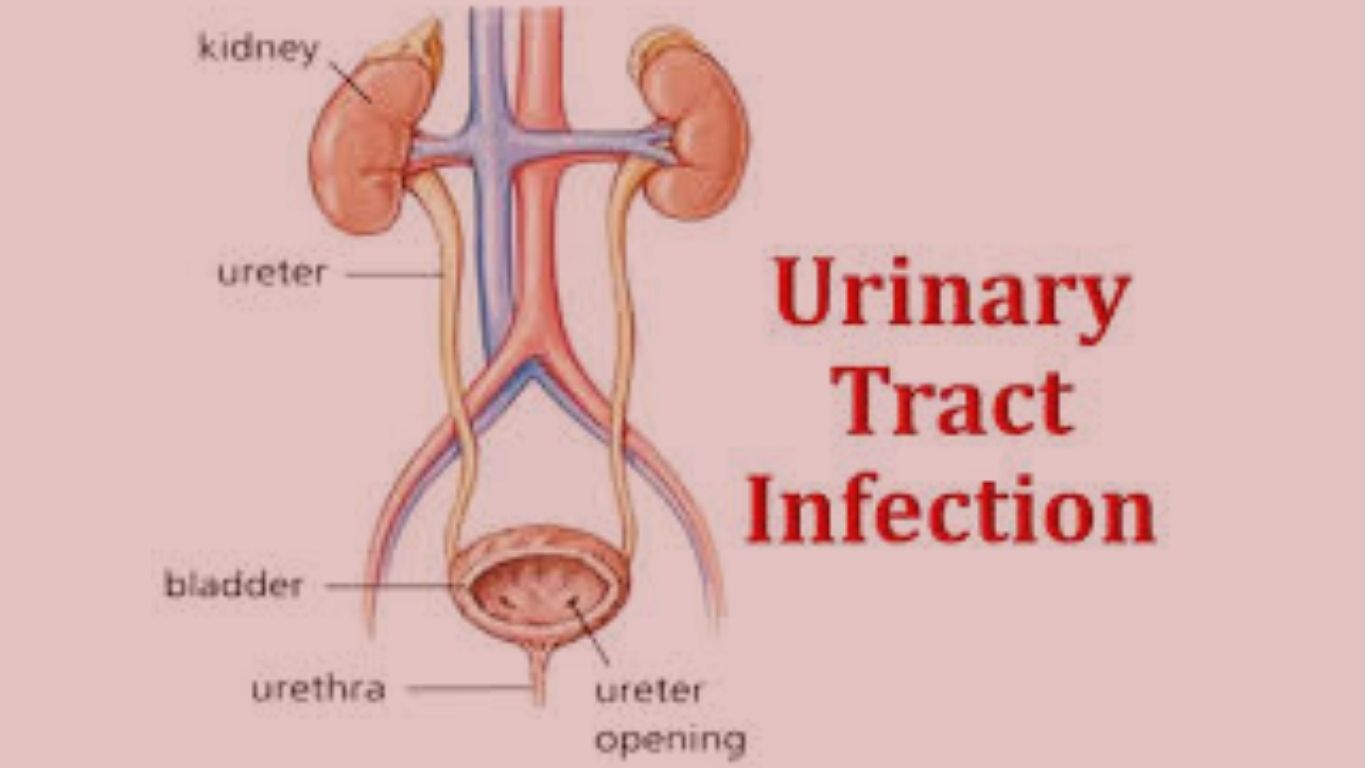
The urinary tract is the body’s drainage system for removing waste and excess fluid. It includes two kidneys, two ureters, the bladder, and the urethra. A UTI can occur in any part of this system, but infections are most common in the lower tract—the bladder (cystitis) and the urethra (urethritis). Upper tract UTIs, which involve the kidneys (pyelonephritis), are less frequent but more severe. The infection is typically caused by bacteria, most commonly Escherichia coli (E. coli), which normally lives in the intestines, finding its way into the urinary tract and multiplying.
Recognizing the Symptoms: More Than Just Discomfort
UTI symptoms can vary depending on the individual, the part of the tract affected, and age. They often develop quickly and can range from mild to debilitating.
Common Lower UTI (Bladder) Symptoms:
-
A Burning Sensation: The hallmark symptom is a painful, burning feeling during urination (dysuria).
-
Persistent Urge to Urinate: A constant, intense need to urinate, even when the bladder is nearly empty.
-
Frequent Urination: Passing small amounts of urine much more often than usual, including throughout the night.
-
Cloudy, Dark, or Strong-Smelling Urine: Urine may appear murky, reddish (a sign of blood), or have a foul, pungent odor.
-
Pelvic Pressure or Pain: Women often experience discomfort or a feeling of pressure in the center of the pelvis, just above the pubic bone.
-
Lower Abdominal Discomfort: Aching or cramping in the lower abdomen.
Symptoms of an Upper UTI (Kidney Infection):
These are more serious and often require immediate medical attention.
-
High Fever and Chills: A temperature above 101°F (38.3°C) with shaking chills.
-
Flank Pain: Severe pain in the back or side, usually below the ribs, where the kidneys are located.
-
Nausea and Vomiting: Gastrointestinal upset is common with kidney involvement.
-
Fatigue and Malaise: A general feeling of being unwell and profoundly tired.
Special Considerations:
-
In the Elderly: Symptoms may be atypical or vague, such as confusion, agitation, drowsiness, or a change in behavior, sometimes without classic urinary symptoms.
-
In Children: They may present with fever, irritability, poor feeding, vomiting, or bedwetting in a potty-trained child.
Unraveling the Causes: Why Do UTIs Happen?
Understanding the causes is key to prevention. UTIs occur when bacteria enter the urinary tract, overcome the body’s natural defenses, and establish an infection.
Primary Pathways of Infection:
-
Ascending Route: The vast majority of UTIs start when bacteria from the gastrointestinal tract, often E. coli, are transferred from the anus to the urethra. From there, they travel up into the bladder. This explains why UTIs are more common in women, as their urethra is shorter and located closer to the anus.
Key Risk Factors:
-
Female Anatomy: Women have a lifetime risk of over 50% for developing a UTI.
-
Sexual Activity: Intercourse can introduce bacteria into the urinary tract (“honeymoon cystitis”).
-
Certain Birth Control: Use of diaphragms or spermicidal agents can alter vaginal flora and increase risk.
-
Menopause: Declining estrogen levels lead to changes in the urinary tract that make it more vulnerable.
-
Urinary Tract Blockages: Kidney stones or an enlarged prostate can trap urine, creating a breeding ground for bacteria.
-
A Suppressed Immune System: Conditions like diabetes or treatments like chemotherapy impair the body’s ability to fight infections.
-
Catheter Use: Urinary catheters provide a direct pathway for bacteria.
-
Structural Issues: Congenital abnormalities or vesicoureteral reflux (where urine flows backward from the bladder to the kidneys) can predispose individuals to UTIs.
The Potential Effects: Beyond the Immediate Discomfort
While a simple bladder infection is easily treatable, ignoring it or having recurrent infections can lead to significant complications.
-
Recurrent Infections: Defined as two or more infections within six months or four within a year. This can significantly impact quality of life.
-
Permanent Kidney Damage: A untreated kidney infection can lead to permanent scarring, which may cause chronic kidney disease or, in rare cases, kidney failure.
-
Sepsis: This life-threatening complication occurs when the infection enters the bloodstream. It is a medical emergency requiring immediate hospitalization. Symptoms include high fever, rapid heart rate, confusion, and low blood pressure.
-
Pregnancy Complications: UTIs during pregnancy increase the risk of low birth weight and premature delivery.
-
Urethral Narrowing (Stricture): Recurrent urethritis, more common in men, can lead to scarring and narrowing of the urethra.
Proactive Prevention: Building a Defense Strategy
Prevention is powerful. Incorporating these evidence-based habits can drastically reduce the risk of developing a UTI.
-
Hydration is Paramount: Drink plenty of water throughout the day to dilute urine and flush bacteria from the urinary tract before an infection can begin.
-
Urinate When Needed and After Intercourse: Don’t hold urine for prolonged periods. Urinating shortly after sexual activity helps clear bacteria that may have been introduced.
-
Wipe from Front to Back: Always wipe from the urethra toward the anus after using the toilet to prevent spreading intestinal bacteria.
-
Mindful Feminine Hygiene: Avoid using potentially irritating products like douches, powders, or deodorant sprays in the genital area, as they can disrupt the natural bacterial balance.
-
Reconsider Birth Control Methods: If you experience recurrent UTIs and use a diaphragm or spermicide, discuss alternative options with your doctor.
-
Cranberry Prophylaxis: While evidence is mixed, some studies suggest cranberry juice or supplements (containing proanthocyanidins) may prevent bacteria from adhering to the bladder wall. It is not a treatment for an active infection.
-
Wear Breathable Clothing: Cotton underwear and loose-fitting pants help keep the area dry, making it less conducive to bacterial growth.
Homeopathic Treatment: A Holistic Perspective
Homeopathy is a system of alternative medicine based on the principle of “like cures like”—using highly diluted substances that, in larger amounts, would produce symptoms of the condition being treated. It approaches illness holistically, considering the individual’s unique physical and emotional symptom picture.
Important Preface: It is crucial to state that a suspected UTI, especially with symptoms of a kidney infection (fever, back pain), requires prompt evaluation by a conventional medical doctor. A urine culture is the gold standard for diagnosis, and untreated bacterial infections can be dangerous. Homeopathy should not be used as a substitute for necessary antibiotic therapy in acute, febrile, or complicated UTIs. However, some individuals explore it for acute, uncomplicated cystitis or as a complementary approach for chronic susceptibility under the guidance of a trained professional.
How Homeopathy Approaches UTIs:
A homeopathic practitioner selects a remedy based on the totality of the patient’s specific symptoms, personality, and reactions. The goal is to stimulate the body’s innate self-healing response. Common remedies considered for UTI symptoms include:
-
Cantharis: Often the first remedy considered for classic, intense UTI symptoms. It is indicated for a constant, urgent, and burning desire to urinate with severe cutting pains before, during, and after urination. The passing may be drop-by-drop, and the urge is unbearable.
-
Apis Mellifica: Suited for stinging, burning pains that feel better with cool applications. There may be swelling and sensitivity in the abdominal region and little output despite frequent urging.
-
Sarsaparilla: A key characteristic is severe pain at the end of urination. The individual may only pass urine freely while standing.
-
Berberis Vulgaris: Indicated when there is burning or stitching pain that radiates from the bladder or kidneys, often triggered by movement. Urine may be dark, cloudy, and contain sediment.
-
Staphysagria: Frequently used for “honeymoon cystitis”—UTIs that seem linked to sexual intercourse, new relationships, or feelings of suppressed anger or indignation. There may be a sensation as if a drop of urine is constantly rolling through the urethra.
Considerations and Cautions:
-
Consultation is Key: Self-prescribing for UTIs can be risky. A qualified homeopath will take a detailed case history to find the most appropriate single remedy and potency.
-
No Standard Protocol: Unlike antibiotics, there is no one-size-fits-all homeopathic “UTI pill.”
-
Integration with Conventional Care: A responsible homeopath will advise conventional diagnosis and treatment for severe infections. Some practitioners work alongside urologists, using homeopathy to address recurrent tendencies after the acute infection is cleared.
Frequently Asked Questions (FAQs): Homeopathic Medicines for Urinary Tract Infection (UTI)
Q1: What is the basic principle behind using homeopathy for a UTI?
Homeopathy is based on the “law of similars,” meaning a substance that can cause symptoms in a healthy person can, in a highly diluted form, treat similar symptoms in a sick person. For a UTI, a homeopath selects a remedy that most closely matches your unique set of symptoms—not just the physical ones like burning, but also the pattern, timing, and any accompanying emotional or general feelings. The goal is to stimulate the body’s own self-healing response.
Q2: Can I treat a UTI at home with homeopathic medicines instead of antibiotics?
This requires caution. For a suspected first-time or simple UTI, some individuals may try a well-selected homeopathic remedy for mild, initial symptoms while also increasing fluid intake. However, if symptoms do not improve significantly within 12-24 hours, or if they worsen, you must consult a doctor. For symptoms of a kidney infection (high fever, chills, flank/back pain, nausea) or if you are pregnant, elderly, diabetic, or have a compromised immune system, seek conventional medical care immediately. Untreated bacterial infections can become serious.
Q3: Are homeopathic remedies safe? Do they have side effects?
Due to the extreme dilution process used in their preparation, homeopathic remedies in their pure form are generally considered safe and non-toxic, with a very low risk of direct side effects or drug interactions. However, the primary risk lies in delay of effective treatment. Relying solely on homeopathy for a progressing bacterial infection while avoiding necessary antibiotics can allow the infection to spread and cause complications.
Q4: How do I know which homeopathic remedy to choose for my UTI?
Homeopathy is highly individualized. The correct remedy depends on your specific symptom picture. For example:
-
Cantharis is often considered for intense, constant burning and unbearable urgency.
-
Sarsaparilla may be indicated if you have severe pain specifically at the very end of urination.
-
Staphysagria is frequently linked to UTIs that seem to follow sexual intercourse or feelings of anger/humiliation.
It is strongly recommended to consult a qualified homeopathic practitioner for proper remedy selection, especially for recurrent issues.
Q5: How quickly should a homeopathic medicine work for acute UTI symptoms?
In an acute situation like the onset of a UTI, a well-matched remedy can sometimes produce a noticeable improvement in discomfort, urgency, or frequency within a few hours. If you see no change or a worsening of symptoms after a reasonable period (e.g., 12-24 hours for acute pain), the remedy may not be correct, or the infection may require conventional intervention. A homeopath would typically re-evaluate the symptoms and select a different remedy if needed.
Q6: Can homeopathy help prevent recurrent UTIs?
This is an area where homeopathy is often explored more deeply. A homeopath believes recurrent UTIs indicate an underlying susceptibility or imbalance in the body’s vital force. Through a detailed consultation (taking into account your full health history, personality, stress factors, and patterns), they would prescribe a constitutional remedy aimed at strengthening your overall system and reducing this susceptibility. This is a longer-term process distinct from treating an acute episode.
Q7: Can I use homeopathic medicines along with antibiotics?
Yes, many people use them concurrently. Homeopathic remedies are not known to interfere with the chemical action of antibiotics. Some individuals use homeopathy to help alleviate the discomfort of the UTI while the antibiotic works to eradicate the bacteria, or to manage side effects from the antibiotics themselves. It is important to inform both your medical doctor and your homeopath about all the medicines and supplements you are taking.
Q8: Where can I find reliable information and a qualified homeopathic practitioner?
Look for practitioners who are certified or licensed by recognized national organizations (e.g., in the U.S., the Council for Homeopathic Certification (CHC) or the American Institute of Homeopathy (AIH); in the UK, the Society of Homeopaths). They should have completed substantial training. Be wary of practitioners who outright dismiss conventional medicine or discourage necessary diagnostic tests like urine cultures.
Conclusion
Urinary tract infections, while common, command respect. Recognizing the telltale symptoms—the burning, urgency, and pain—allows for early intervention. Understanding the causes, from anatomical factors to behavioral habits, empowers individuals to take preventative action through hydration, proper hygiene, and mindful lifestyle choices. While the potential effects of a neglected UTI underscore the importance of timely treatment, conventional medicine, primarily antibiotics, remains the frontline, evidence-based therapy for active bacterial infections.
The discussion of homeopathic treatment offers insight into a holistic model of care that seeks to treat the individual rather than just the disease. Its potential role may lie in managing acute, uncomplicated symptoms for some, or in addressing underlying susceptibility patterns in recurrent cases. Ultimately, navigating a UTI effectively involves listening to your body, seeking appropriate medical diagnosis for concerning symptoms, and adopting a comprehensive, informed approach to both treatment and long-term urinary tract health. By combining the best of modern diagnostics and treatment with thoughtful, preventative self-care, the discomfort and disruption of UTIs can be effectively managed and often prevented.













6 thoughts on “Homeopathic Medicines for Urinary Tract Infection (UTI)”