Table of Contents
ToggleKidney Failure: Causes, Effects, Prevention and Homeopathic Medicines to Prevent Kidney Failure
Introduction:
Kidney failure is a serious health condition that affects millions of people worldwide. It represents the end stage of chronic kidney disease, where the organs have lost their ability to filter waste and excess fluids from the blood effectively. Understanding this condition is crucial because it often develops silently, and many people don’t realize they have a problem until significant damage has been done. This article explores kidney failure in detail, covering its symptoms, causes, effects on the body, prevention strategies, and the role of homeopathic treatment.
What is Kidney Failure?
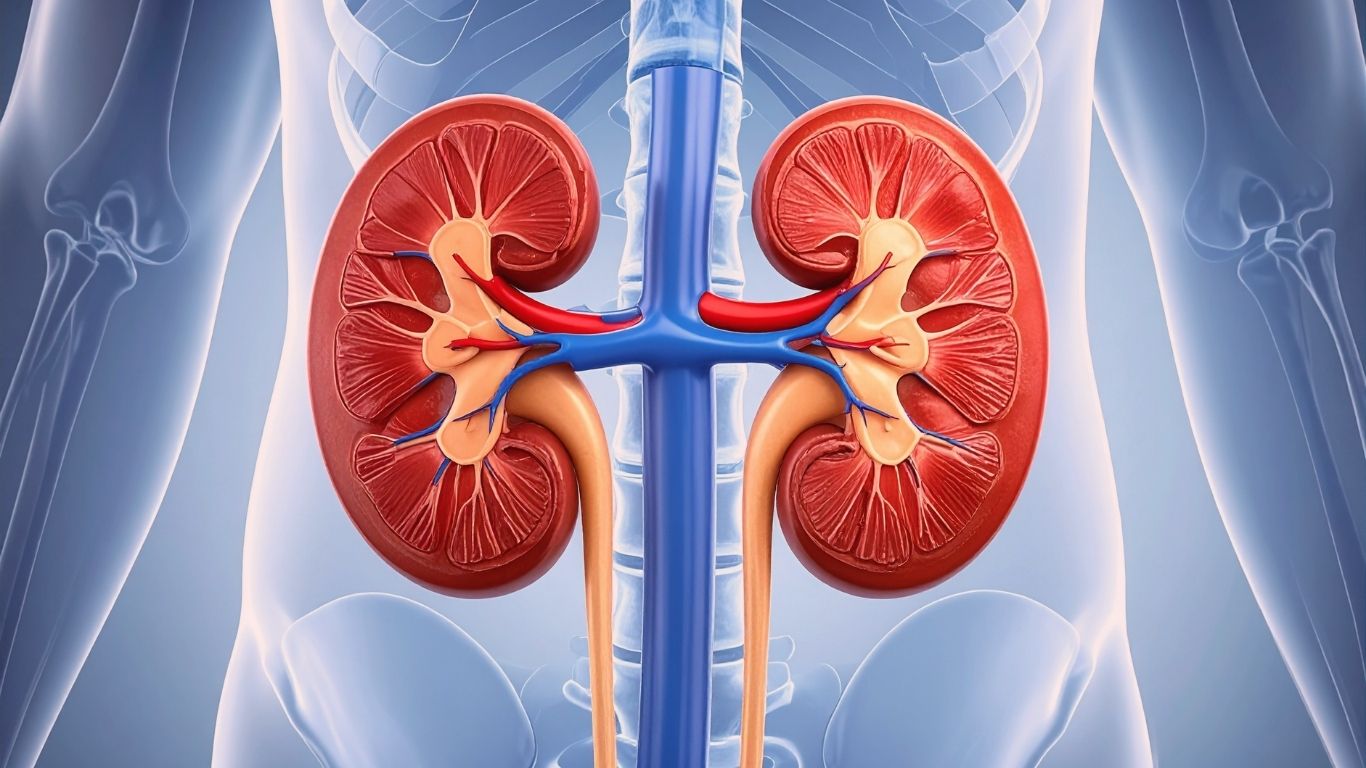
Kidney failure, medically termed end-stage renal disease (ESRD), is the final stage of chronic kidney disease (CKD). It occurs when the kidneys have lost about 85-90% of their function, leaving them unable to perform their essential tasks . The kidneys are remarkable organs that serve as the body’s filtration system. They remove waste products and excess fluid from the blood, maintain a healthy balance of salts and minerals, produce hormones that regulate blood pressure, make red blood cells, and keep bones strong.
When kidney failure sets in, dangerous levels of waste and fluid accumulate in the body. This condition is fatal if not treated with dialysis or a kidney transplant. It’s important to understand that kidney failure doesn’t happen overnight in most cases. It is typically the end result of a gradual loss of kidney function over months or years, which is why early detection and management of kidney disease is so critical .
Symptoms of Kidney Disease and Failure
One of the most challenging aspects of kidney disease is that it is a silent condition, particularly in its early stages. You can lose up to 70% of your kidney function before developing any noticeable symptoms . As the disease progresses and moves toward kidney failure, symptoms become more apparent.
Early and General Symptoms
The first signs of kidney trouble are often vague and can be mistaken for other illnesses. They may include:
-
Persistent tiredness and fatigue
-
Poor appetite and unintentional weight loss
-
Puffiness or swelling around the eyes and ankles due to fluid retention
-
Changes in urination patterns, such as urinating more or less frequently
-
Blood in the urine
Symptoms of Advanced Kidney Failure
As kidney function deteriorates further, symptoms become more severe and can include:
-
Swollen hands and feet
-
Bubbly or foamy urine, indicating excess protein
-
Consistent low energy levels and difficulty concentrating
-
Darkening of the skin
-
Nausea and vomiting
-
Frequent muscle cramps or numbness
-
Shortness of breath
-
Persistent itching
It is important to note that these symptoms occur because the kidneys are no longer able to filter toxins effectively, leading to a buildup of waste in the bloodstream, a condition known as uremia.
Primary Causes and Risk Factors
Kidney failure does not occur in isolation. It is usually the result of other health conditions that place stress on the kidneys over time. Understanding these causes is the first step in prevention.
Diabetes
Diabetes is the leading cause of kidney failure. When blood sugar levels are consistently high, it causes damage to the small blood vessels throughout the body, including the delicate filtering units in the kidneys called glomeruli. About 1 in 3 people with diabetes will develop some degree of kidney damage .
High Blood Pressure
High blood pressure is the second leading cause of kidney failure. Uncontrolled hypertension puts excessive force on the small blood vessels that bring blood to the kidney filters. Over time, this pressure damages and thickens these vessels, impairing their ability to function. This creates a dangerous cycle where kidney damage can also lead to further increases in blood pressure .
Other Medical Conditions
Several other conditions can contribute to kidney damage, including:
-
Glomerulonephritis: A group of diseases that cause inflammation of the kidney’s filtering units
-
Polycystic kidney disease: An inherited disorder where fluid-filled cysts grow in the kidneys, disrupting function
-
Lupus and other autoimmune diseases: Where the body’s immune system attacks its own tissues, including the kidneys
-
Repeated kidney infections: Can lead to scarring over time
-
Obstructions: Such as kidney stones or an enlarged prostate that block urine flow
Lifestyle Factors
Lifestyle choices play a significant role in kidney health. Smoking damages blood vessels, reducing blood flow to the kidneys. Excessive alcohol consumption can cause a sudden drop in kidney function and increases the risk of chronic disease . Being overweight increases the risk of developing diabetes and high blood pressure. Additionally, the long-term regular use of certain over-the-counter pain relievers, particularly non-steroidal anti-inflammatory drugs (NSAIDs) like ibuprofen, can harm the kidneys .
Effects on the Body and Complications
The kidneys’ role in overall health means that their failure has widespread consequences throughout the body. Kidney failure does not just stop at the inability to urinate; it creates a cascade of health crises.
Cardiovascular Issues
There is a very strong link between kidney disease and heart disease. Kidney failure puts a person at a much higher risk of heart attack and stroke . Fluid buildup can strain the heart, and imbalances in electrolytes like potassium can lead to dangerous heart rhythms. It can also cause pericarditis, an inflammation of the membrane surrounding the heart .
Electrolyte Imbalance
Healthy kidneys maintain a delicate balance of minerals in the blood. In kidney failure, potassium levels can become dangerously high (hyperkalemia), potentially causing cardiac arrest. Phosphorus levels can also rise, pulling calcium from the bones and weakening them.
Anemia and Weakened Bones
The kidneys produce a hormone called erythropoietin that signals the body to make red blood cells. In kidney failure, production of this hormone drops, leading to anemia, which causes fatigue and weakness. Additionally, the imbalance of minerals can lead to severely weakened bones that are more prone to fractures .
Other Systemic Effects
Kidney failure reduces the body’s immune response, making a person more vulnerable to infections . Fluid retention can cause swelling in the hands, feet, and even the lungs (pulmonary edema). In advanced stages, the buildup of toxins can affect the central nervous system, leading to confusion, seizures, and declined brain function.
Prevention Strategies
Preventing kidney disease is largely about managing the conditions that cause it and adopting a kidney-friendly lifestyle. The goal is to maintain the health of the blood vessels and reduce the workload on the kidneys.
Manage Chronic Conditions
For those with diabetes, maintaining good blood sugar control is essential. Regular monitoring and adherence to treatment plans can significantly slow or prevent kidney damage. For individuals with high blood pressure, keeping it under control—usually with medication and lifestyle changes—is the most important step. Recent guidelines suggest most people with CKD should aim for a blood pressure target of less than 130/80 mmHg .
Lifestyle Modifications
Several lifestyle changes can protect the kidneys:
-
Maintain a healthy weight to reduce the risk of diabetes and hypertension
-
Exercise regularly to improve cardiovascular health and blood pressure
-
Stop smoking and limit alcohol consumption
-
Eat a balanced diet, being mindful of salt intake
Avoid Nephrotoxic Substances
It is crucial to avoid or carefully manage medications that can damage the kidneys. This includes limiting the use of NSAIDs. Always stay well-hydrated, and treat urinary infections immediately to prevent them from traveling to the kidneys .
Regular Screening
For those at risk—people with diabetes, high blood pressure, a family history of kidney disease, or those over 50—regular check-ups are vital. Simple blood and urine tests can detect kidney problems long before symptoms appear . Early detection allows for interventions that can slow or halt the progression of the disease.
Conventional Treatment Options
When prevention fails and kidney disease progresses to failure, treatment focuses on replacing the work of the kidneys. There is currently no cure for chronic kidney disease, but treatments can manage symptoms and prolong life .
Dialysis
Dialysis is a treatment that performs the filtering function of healthy kidneys. It involves removing waste, salt, and extra water from the body, controlling blood pressure, and maintaining safe levels of chemicals like potassium. There are two main types: hemodialysis, where a machine filters the blood, and peritoneal dialysis, which uses the lining of the abdomen to filter blood inside the body. Once dialysis is started, it is typically a lifelong necessity unless a kidney transplant becomes an option .
Kidney Transplant
A kidney transplant is an operation to place a healthy kidney from a donor into the body of a person with kidney failure. For most people with end-stage renal disease, a successful transplant offers the best outcome, allowing them to live without the strict schedules and dietary restrictions of dialysis .
Supportive Care
For some individuals, particularly the elderly or those with other serious health conditions, dialysis or transplant may not be the right choice. Supportive care, also known as conservative or palliative treatment, focuses on managing symptoms, providing pain relief, and offering emotional and spiritual support to maintain the best possible quality of life .
The Role and Remedies of Homeopathy in Kidney Health
Alongside conventional medicine, some individuals explore complementary approaches like homeopathy to manage kidney conditions. Homeopathy is a system of medicine based on the principle of “like cures like,” using highly diluted substances to stimulate the body’s self-healing mechanisms. It is crucial to understand that in the context of serious conditions like chronic kidney disease (CKD), homeopathy is not presented as a replacement for conventional care but as a potential complementary therapy aimed at improving symptoms and quality of life .
What the Research Says About Homeopathy for Kidney Disease
The scientific investigation into homeopathy for kidney health is an emerging field. A systematic review of alternative medical systems for CKD patients found that while traditional Chinese medicine and Ayurveda are more extensively studied, homeopathy has shown some promise . Specifically, the review identified that homeopathic medications were associated with a reduction in uremic pruritus—a common and distressing symptom of advanced kidney disease—with studies showing a reduction in itch severity scores by 29.2% to 41.5% . This suggests a potential role for homeopathy in managing the debilitating symptoms of CKD, even if direct evidence for slowing disease progression is currently limited .
Most of the evidence for homeopathy in kidney-related conditions comes from case reports and clinical observations rather than large clinical trials . For example, a notable case study published in 2024 documented a 72-year-old woman with chronic renal failure secondary to recurrent urinary tract infections. Her initial lab work showed a serum creatinine of 6.9 mg/dL and a GFR of 7.5 mL/min/1.73m², indicating severe kidney dysfunction. After opting for homeopathic treatment, she maintained stable renal function over three years and did not require dialysis, with her creatinine levels sustained below 3.0 mg/dL . While such reports are not conclusive proof of efficacy, they highlight the need for further, more rigorous research .
Commonly Used Homeopathic Remedies for Kidney Conditions
In homeopathic practice, the selection of a remedy is highly individualized, based on the patient’s specific symptoms, overall constitution, and emotional state. The remedies listed below are among those frequently mentioned in homeopathic literature for various kidney-related issues, from stones to symptoms of CKD . It is vital to remember that these are not over-the-counter treatments for self-diagnosed conditions and should only be used under the guidance of a qualified homeopathic practitioner.
For Kidney Stones (Nephrolithiasis)
-
Berberis vulgaris: This is often considered a premier remedy for kidney stones. It is particularly indicated when the pain is radiating, shooting, or stitching, and may extend from the kidney region down the ureter into the bladder and thighs. The pain is often worse on the left side. It is also used for treating “gravel” (small stones or sand-like particles in the urine) .
-
Lycopodium clavatum: This remedy is frequently indicated for right-sided kidney stones, especially when the pain is accompanied by significant bloating and gas in the abdomen. The patient may have a craving for warm food and drinks and typically experiences a worsening of symptoms between 4 p.m. and 8 p.m. Observational studies have noted Lycopodium as one of the most useful medicines in treating urolithiasis .
-
Sarsaparilla officinalis: This remedy is known for its affinity for the urinary tract and is often prescribed when there is intense, burning pain at the end of urination. Patients may also pass small, gravel-like stones. It can be particularly helpful when there is a history of recurrent stones .
-
Cantharis vesicatoria: This is a key remedy for intense, burning, and cutting pain associated with urinary tract irritation. It is often indicated when there is a constant, frantic urge to urinate, passing urine drop by drop with severe burning. It is useful when a stone is causing significant inflammation and irritation in the ureter or bladder .
-
Hydrangea arborescens: In homeopathic literature, Hydrangea is often mentioned for its specific action on dissolving or preventing the formation of stones, particularly those composed of phosphates or urates .
For Symptoms Related to Chronic Kidney Disease (CKD)
-
Arsenicum album: This remedy may be considered for patients with CKD who experience significant weakness, restlessness, anxiety, and a burning pain that is temporarily relieved by heat. It is also indicated for nausea, vomiting, and diarrhea, which can be symptoms of uremia .
-
Phosphorus: This remedy is sometimes linked to conditions where there is a tendency for bleeding or easy bruising. In the context of kidney disease, it might be considered for patients who are anxious, easily fatigued, and have a thirst for very cold drinks, which are often vomited as soon as they warm in the stomach.
-
Silicea (Silica): This remedy is often used to help expel foreign bodies, including stones, from the body. It may be indicated when stones are slow to pass and the patient is chilly, exhausted, and lacks physical stamina. It is thought to help “push” stones out .
Frequently Asked Questions About Homeopathic Medicines to Prevent Kidney Failure
1. What is kidney failure?
Kidney failure is a serious condition in which the kidneys lose their ability to filter waste products and excess fluids from the blood. It may develop gradually as chronic kidney disease (CKD) or suddenly as acute kidney injury. If untreated, it can lead to life-threatening complications.
2. Can homeopathic medicines prevent kidney failure?
Homeopathy aims to support kidney health by improving the body’s natural healing ability and addressing the root causes such as diabetes, high blood pressure, recurrent infections, or inflammation. While homeopathy may help in early stages or slow progression, it should not replace emergency medical treatment in advanced kidney failure.
3. Which conditions increase the risk of kidney failure?
The most common risk factors include:
-
Diabetes
-
High blood pressure
-
Chronic kidney infections
-
Kidney stones
-
Long-term use of painkillers
-
Autoimmune diseases
Proper management of these conditions is essential to prevent kidney damage.
4. Which homeopathic remedies are commonly used for kidney problems?
Some commonly prescribed remedies (based on individual symptoms) include:
-
Berberis vulgaris – Often used for kidney stones and sharp radiating kidney pain.
-
Apis mellifica – Helpful in cases of swelling, reduced urine, and burning urination.
-
Cantharis – Used for intense burning sensation before, during, or after urination.
-
Lycopodium – Often considered in chronic kidney complaints with right-sided symptoms.
-
Solidago virgaurea – Traditionally used as a kidney tonic in homeopathy.
Note: Remedy selection in homeopathy is individualized. Self-medication is not recommended in serious kidney conditions.
5. Is homeopathy safe for kidney patients?
Homeopathic medicines are generally considered safe when prescribed by a qualified practitioner because they are highly diluted. However, patients with kidney disease must remain under regular medical supervision and continue necessary laboratory monitoring.
6. Can homeopathy reduce creatinine and urea levels?
Some patients report improvement in laboratory values with supportive homeopathic care, especially in early kidney dysfunction. However, results vary from person to person, and no remedy should be used as a substitute for dialysis or medical treatment in severe cases.
7. Can homeopathy help avoid dialysis?
In early or moderate kidney disease, homeopathy may help slow progression when combined with proper diet, lifestyle changes, and conventional care. However, in end-stage kidney failure, dialysis or kidney transplantation may be life-saving and should not be delayed.
8. What lifestyle changes help prevent kidney failure?
Preventive steps include:
-
Controlling blood sugar and blood pressure
-
Drinking adequate water
-
Reducing salt intake
-
Avoiding unnecessary painkillers
-
Maintaining a healthy weight
-
Regular kidney function tests if at risk
Homeopathy works best when combined with healthy lifestyle practices.
9. How long does homeopathic treatment take for kidney problems?
Chronic kidney issues usually require long-term treatment and regular follow-ups. The duration depends on the stage of kidney damage, the patient’s overall health, and how early treatment begins.
10. When should a kidney patient seek urgent medical help?
Immediate medical care is required if there is:
-
Severe swelling
-
Very little or no urine output
-
Breathlessness
-
Severe weakness
-
Confusion
-
Persistent vomiting
Conclusion
Kidney failure is a serious condition with profound implications for overall health. It is most often the culmination of years of damage from conditions like diabetes and high blood pressure. The silent nature of early kidney disease makes awareness and regular screening incredibly important, especially for those in high-risk groups.
Prevention remains the most powerful tool. By managing blood pressure and blood sugar, maintaining a healthy lifestyle, and avoiding nephrotoxic substances, we can protect our kidney health. For those who reach kidney failure, conventional treatments like dialysis and transplantation are life-saving.
The role of homeopathy in kidney health is an area of emerging interest. While case reports show promising outcomes in managing CKD and preventing dialysis, it is not a proven cure for kidney failure. Patients interested in this path must work alongside conventional medical providers to ensure their safety. Ultimately, the journey with kidney disease is one of vigilance, proactive management, and a comprehensive approach to health that respects both the power of modern medicine and the potential of complementary therapies.













5 thoughts on “Homeopathic Medicines to Prevent Kidney Failure”