Table of Contents
ToggleEar Infections: Causes, effects, Prevention and Homeopathic Remedies for Ear Infections
Introduction
Ear infections are among the most common reasons for doctor visits, particularly in childhood, and can cause significant pain and distress. Understanding the different types, their causes, and the range of treatment options available—from conventional medicine to homeopathic remedies—can empower you to make informed decisions for yourself or your family. This article delves into the intricate details of ear infections, exploring their symptoms, underlying causes, potential effects, preventive measures, and the principles of homeopathic treatment.
What is an Ear Infection?
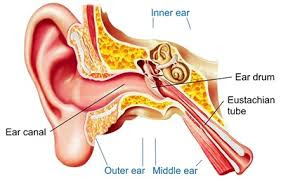
An ear infection is an inflammation of the inner, middle, or outer ear, typically caused by viruses or bacteria. It occurs when fluid builds up in the ear, creating a breeding ground for pathogens . While ear infections can affect people of all ages, they are most prevalent in children due to the structure of their Eustachian tubes and their still-developing immune systems .
There are three primary types of ear infections, each affecting a different part of the ear:
-
Middle Ear Infection (Acute Otitis Media): This is the most common type of ear infection. It occurs in the middle ear, the air-filled space behind the eardrum that contains the tiny vibrating bones of the ear. When the Eustachian tubes, which connect the middle ear to the back of the throat, become blocked or swollen, fluid gets trapped. This fluid can then become infected by bacteria or viruses, leading to the classic symptoms of pain and inflammation .
-
Otitis Media with Effusion: This condition can follow an acute middle ear infection. It is characterized by fluid that remains in the middle ear even after the initial infection has cleared up. While there is no active infection, the lingering fluid can cause a feeling of fullness in the ear and temporary, mild hearing loss .
-
Outer Ear Infection (Otitis Externa or Swimmer’s Ear): This infection affects the ear canal, the tube that carries sound from the outside of the body to the eardrum. It is often caused by moisture remaining in the ear after swimming or bathing, which creates an ideal environment for bacteria or fungi to grow .
Symptoms of Ear Infections
The symptoms of an ear infection can range from mild to severe and often appear suddenly. They can also differ between adults, children, and infants.
Common Symptoms in Adults and Older Children
-
Ear Pain: This is the hallmark symptom. The pain can be dull, sharp, or burning and may be constant or come and go. It can range from a mild ache to a sharp, piercing sensation .
-
A Feeling of Pressure or Fullness: The buildup of fluid can make the ear feel blocked or full.
-
Muffled Hearing: Fluid behind the eardrum can interfere with its ability to vibrate, leading to temporary hearing difficulties .
-
Fever: The body’s immune response to the infection can cause a rise in body temperature .
-
Drainage from the Ear: Yellow, brown, or white fluid (pus) draining from the ear can indicate a ruptured eardrum .
Symptoms in Infants and Young Children
Since young children cannot always verbalize their discomfort, parents and caregivers should watch for the following signs:
-
Tugging or Rubbing at the Ear: This is a common sign of ear discomfort .
-
Fussiness and Irritability: The child may cry more than usual, especially when lying down, as this position can increase ear pressure.
-
Difficulty Sleeping: The pain can make it hard for a child to fall or stay asleep .
-
Fever: A fever is a common indicator of infection .
-
Loss of Appetite: The pressure and pain in the ear can make sucking and swallowing painful.
-
Crying More Than Usual: General inconsolable crying is a key sign in infants .
Causes and Risk Factors
The root cause of an ear infection is often a malfunction of the Eustachian tubes. These small canals are responsible for draining fluid from the middle ear, regulating air pressure, and protecting the middle ear from pathogens. When they become blocked due to swelling and inflammation, fluid accumulates. This trapped fluid can then become a fertile ground for viruses or bacteria to grow.
Common Causes
-
Viral Infections: Viruses that cause the common cold and influenza are frequent precursors to ear infections. They can cause the Eustachian tubes to swell, leading to the fluid buildup that allows a secondary bacterial infection to take hold .
-
Bacterial Infections: The most common bacteria responsible for middle ear infections are Streptococcus pneumoniae and Haemophilus influenzae (nontypeable) .
Risk Factors
Several factors can increase the likelihood of developing an ear infection:
-
Age: Children between 6 months and 2 years are more susceptible due to the shape and size of their Eustachian tubes and their immature immune systems .
-
Group Childcare: Children in daycare centers are exposed to more germs, including cold and flu viruses, increasing their risk .
-
Bottle-Feeding: Infants who are bottle-fed, especially while lying down, may have formula or milk enter the Eustachian tubes, which can irritate and inflame them .
-
Seasonal Factors: Ear infections are most common during the fall and winter when colds and flu are prevalent.
-
Poor Air Quality: Exposure to tobacco smoke or high levels of air pollution can irritate the Eustachian tubes .
-
Genetics: A family history of ear infections can make a child more prone to them.
Effects of Ear Infections
While most ear infections resolve without complication, they can sometimes lead to more serious issues, especially if they are recurrent or left untreated.
Short-Term Effects
-
Pain and Discomfort: The immediate effect is significant pain and general malaise.
-
Temporary Hearing Loss: Fluid buildup can temporarily muffle sounds, which, in children, can sometimes lead to temporary delays in speech and language development if it persists.
Long-Term Effects
-
Chronic Middle Ear Infection (Chronic Suppurative Otitis Media): This is a persistent ear infection that doesn’t go away with treatment. It can lead to a permanent hole (perforation) in the eardrum .
-
Hearing Loss: Repeated or severe infections can cause permanent damage to the delicate structures of the middle ear, leading to lasting hearing impairment.
-
Spread of Infection: In very rare cases, an untreated infection can spread to nearby tissues, such as the mastoid bone (mastoiditis) or even to the brain .
-
Speech and Developmental Delays: In young children, prolonged hearing loss due to fluid can interfere with speech development, learning, and social skills.
Prevention of Ear Infections
While it’s not always possible to prevent ear infections, several strategies can significantly reduce the risk .
Lifestyle and Environmental Measures
-
Breastfeeding: Exclusively breastfeeding for the first six months of life provides infants with essential antibodies that boost their immune system and help fight off infections .
-
Avoid Secondhand Smoke: Keep your home and car smoke-free. Exposure to tobacco smoke weakens the immune system and irritates the Eustachian tubes .
-
Practice Good Hygiene: Frequent handwashing for the whole family can prevent the spread of germs that cause colds and flu .
-
Dry Ears Thoroughly: After swimming or bathing, gently dry the outer ear with a towel and tilt the head to help water drain from the ear canals to prevent swimmer’s ear .
-
Manage Allergies: Properly managing allergy symptoms can reduce inflammation in the nasal passages and Eustachian tubes.
Homeopathic Treatment for Ear Infections
Homeopathy is a system of alternative medicine based on the principle of “like cures like.” It uses highly diluted substances that, in larger amounts, would produce symptoms similar to the illness being treated. For ear infections, homeopathic remedies are chosen based on the individual’s specific and unique set of symptoms, not just the diagnosis itself .
It is crucial to understand that while many people use homeopathy, its effectiveness has not been conclusively demonstrated by large-scale scientific research. It is always advisable to consult with a healthcare professional for a proper diagnosis and to discuss any new treatment, including homeopathy, especially for children or for severe infections . If symptoms persist for more than 2-3 days, worsen, or are accompanied by high fever, medical attention is necessary .
Here are some common homeopathic remedies and the specific symptom profiles they are used for :
| Remedy | Symptom Profile |
|---|---|
| Belladonna | For intense, sudden-onset earaches with pounding/throbbing pain, high fever, flushed face, and heat. Often affects the right ear. |
| Chamomilla | For earaches linked to teething, where the child is extremely irritable, inconsolable, and overly sensitive to pain. |
| Hepar Sulphuris Calcareum | For very painful, advanced infections with pus formation. The pain feels like a splinter, and the person is extremely sensitive to cold and touch. |
| Mercurius Solubilis | For advanced infections with pus, shooting pains, and roaring in the ear. Associated with swollen glands, bad breath, and profuse sweating/drooling at night. |
| Pulsatilla | For infections following a cold with thick, yellow-green mucus. The person is often tearful, clingy, and seeks comfort. Pain is worse in warm rooms and in the evening. |
| Aconitum Napellus | For earaches that come on suddenly after exposure to cold, dry weather or wind. |
| Ferrum Phosphoricum | For the early stages of infection with a low-grade fever, weakness, and ear pain that is not yet intense. |
| Kali Muriaticum | For ear congestion with cracking sounds in the ear, often when there is fluid buildup but not much pain. |
| Magnesia Phosphorica | For neuralgic ear pain that is cramping and is significantly relieved by warmth and pressure. |
| Natrum Salicylicum | This remedy is indicated for symptoms related to hearing loss, tinnitus (ringing in the ears), and vertigo or dizziness associated with ear problems . |
How Homeopathic Remedies Are Used
Homeopathic medicines are typically available in small pellets or liquid dilutions. For self-treatment of minor, acute conditions, a lower potency (such as 6X, 6C, or 30C) is generally recommended. The common approach is to take one dose and wait for a response. If improvement is noted, the body is left to continue healing on its own. Another dose may be taken only if improvement stalls. The frequency can range from several times an hour in acute cases to once or twice a day. If there is no response after a few doses, it is best to stop and either try a different, more accurately indicated remedy or consult a professional .
Important Considerations
-
Safety and Side Effects: Homeopathic remedies are generally considered safe and are not known to cause serious side effects, largely because they are so diluted. However, it is vital to check labels, as some products marketed as “homeopathic” may actually contain measurable amounts of ingredients that could cause allergic reactions or interactions .
-
When to See a Doctor: Homeopathy is not a substitute for professional medical care in serious situations. If a child is under 3 months old with a fever, or if anyone experiences a high fever (over 102.2°F or 39°C), pus or discharge from the ear, worsening symptoms, or symptoms lasting more than 2-3 days, it is essential to see a healthcare provider immediately .
Frequently Asked Questions: Homeopathic Remedies for Ear Infections
Navigating the world of homeopathy for something as painful as an ear infection can be confusing. Here are answers to some of the most common questions to help you understand this approach better.
1. Is homeopathy safe for treating ear infections in babies and young children?
Homeopathic remedies are generally considered very safe for infants and children because they are highly diluted and typically have no risk of side effects or drug interactions. This makes them an appealing option for many parents. However, it is crucial to consult with a pediatrician or a qualified homeopathic practitioner before administering any remedy to a child. This ensures a proper diagnosis and that the chosen remedy is appropriate for the child’s specific symptoms. You should seek immediate medical attention if a baby under 3 months has a fever, or if any child has a high fever, severe pain, or symptoms that worsen or don’t improve within 24-48 hours.
2. How do I choose the right homeopathic remedy for an ear infection?
Homeopathy is highly individualised. Choosing the right remedy depends on matching the person’s total symptom picture to a specific remedy. This includes not just the ear pain, but also the person’s mood, other bodily sensations, and what makes the pain better or worse.
For example:
-
A child with a Chamomilla earache will be extremely irritable, inconsolable, and want to be carried constantly. The pain often seems unbearable to them.
-
A child needing Pulsatilla will be clingy, tearful, and want a lot of comfort. Their pain is often worse in a warm room and better in fresh, cool air.
-
Someone needing Belladonna will have a sudden, violent, throbbing pain with a high fever and a flushed face.
If you are unsure, it is always best to consult a professional homeopath who can take a detailed case history.
3. Can I use homeopathic remedies alongside conventional treatments like antibiotics or painkillers?
Yes, homeopathic remedies are generally safe to use alongside conventional medicine, as they are not known to interact with pharmaceutical drugs. Many people use them concurrently—for instance, using a homeopathic remedy to support the body’s healing while taking antibiotics prescribed by a doctor, or using a mild pain reliever like acetaminophen or ibuprofen for high fever while giving a homeopathic remedy for the ear pain itself. However, it is always good practice to inform both your medical doctor and your homeopathic practitioner about all treatments and remedies you are using.
4. How quickly do homeopathic remedies work for an acute ear infection?
The speed of response can vary. In acute conditions like a sudden ear infection, if the correct remedy has been chosen, you may see an improvement in symptoms within a few hours, sometimes even sooner. The pain may lessen, the child may become calmer, or a fever may start to subside. If there is no positive change or if symptoms worsen after a few doses (e.g., 3-4 doses over 6-12 hours), the remedy is likely not the right one. In that case, you should stop, re-evaluate the symptoms, and consider trying a different remedy or seeking professional medical advice.
5. What is the difference between a 6C, 30C, and 200C potency? Which one should I use?
These numbers refer to the level of dilution and succussion (vigorous shaking) the original substance has undergone, which in homeopathy is believed to determine its strength and depth of action.
-
Low Potencies (e.g., 6X, 6C, 12C): These are milder, act more on a physical level, and are often used for self-limiting, acute conditions like a mild earache. They may need to be repeated more frequently (e.g., every 2-4 hours).
-
Medium Potencies (e.g., 30C): This is a very common potency for home self-care. It is considered to act on both physical and mental/emotional levels. For an acute ear infection, a 30C potency is often a good starting point, and the dose can be repeated every 4-6 hours as needed.
-
High Potencies (e.g., 200C, 1M): These are very deep-acting and powerful. They are typically reserved for chronic, deep-seated conditions and are best prescribed by a professional homeopath. Using a high potency incorrectly can sometimes temporarily aggravate symptoms.
For a first-aid kit for common ailments like ear infections, having remedies in 30C potency is a common and practical choice.
6. Are there any side effects of homeopathic remedies?
Because they are so diluted, homeopathic remedies are generally free from direct side effects or toxicity. However, a small number of people may experience a phenomenon known as a “homeopathic aggravation,” where symptoms temporarily worsen very slightly before they begin to improve. This is considered by practitioners to be a positive sign that the remedy is working. If this happens, it is recommended to stop taking the remedy and let the body react. The symptoms should then quickly subside. If the aggravation is strong or persistent, you should stop the remedy and consult a professional.
7. Can homeopathy help prevent recurring ear infections?
Yes, this is one of the key strengths of homeopathy. While the remedies mentioned (like Belladonna or Chamomilla) are for treating the acute episode, a professional homeopath will look at the bigger picture to treat the person’s underlying susceptibility. This is called constitutional treatment. By considering the child’s overall health, genetics, emotional state, and reaction to stress, a homeopath can prescribe a deep-acting constitutional remedy aimed at strengthening the immune system and reducing the frequency and severity of recurring ear infections over the long term.
Conclusion
Ear infections are a common yet painful condition, especially for children. Understanding the symptoms—from ear tugging in infants to sharp pain and muffled hearing in adults—is the first step toward effective management. The causes are often linked to viral or bacterial agents that take advantage of a blocked Eustachian tube, with risk factors ranging from age and genetics to environmental factors like smoke exposure. While most infections clear up on their own, prevention through vaccination, good hygiene, and avoiding smoke is key. For those seeking alternative approaches, homeopathy offers a range of remedies tailored to an individual’s specific symptoms, from the sudden, intense pain of Belladonna to the clingy, tearful presentation of Pulsatilla. Ultimately, whether you choose conventional treatment, homeopathic care, or a combination of both, the most critical step is careful monitoring and knowing when to seek professional medical advice to ensure the best possible outcome for your health.













4 thoughts on “Homeopathic Remedies for Ear Infections”