Table of Contents
ToggleExplore Health Problems in Dogs: Types, prevention and homeopathic medicines for dogs.
Introduction
Our dogs are more than just pets; they are family. Witnessing them in discomfort is a heart-wrenching experience for any owner. Being able to recognize the early signs of common health issues, understand their root causes, and know the available options for care—including conventional and homeopathic approaches—is a cornerstone of responsible dog ownership. This guide delves into some of the most frequent health problems affecting dogs, offering a detailed look at their symptoms, causes, effects, prevention, and the principles of homeopathic treatment.
Skin Allergies and Dermatitis
One of the leading reasons for veterinary visits, skin problems in dogs manifest in various frustrating forms.
Symptoms: The hallmark is relentless itching (pruritus), which leads to scratching, licking, and chewing, particularly at the paws, ears, armpits, and groin. Visible signs include red, inflamed skin, hot spots (moist, raw lesions), hair loss, dry flaky skin, and recurrent ear infections. A dog may also develop a distinctive musty odor.
Causes and Effects: Allergies are typically the culprit, falling into three main categories. Environmental allergies (atopy), such as reactions to pollen, mold, or dust mites, are often seasonal. Food allergies, though less common, are usually triggered by specific proteins like beef, chicken, or dairy. Flea allergy dermatitis is a severe reaction to flea saliva, where even a single bite can cause widespread misery. Left untreated, chronic scratching breaks the skin’s barrier, leading to secondary bacterial or yeast infections, thickening of the skin, and significant pain and discomfort for the dog.
Prevention and Management: Prevention hinges on identifying and minimizing exposure to allergens. Regular flea prevention is non-negotiable. For food allergies, an elimination diet under veterinary guidance can identify the trigger. Omega-3 fatty acid supplements can support skin health. Frequent bathing with hypoallergenic or medicated shampoos can soothe skin and wash away environmental allergens.
Homeopathic Considerations: Homeopathy views skin conditions as an expression of an internal imbalance, often attempting to expel a deeper issue. A homeopathic veterinarian would select a remedy based on the dog’s unique symptom pattern. Sulphur might be considered for a dog with hot, red, intensely itchy skin that worsens with warmth. Graphites could be indicated for moist, oozing skin with thick honey-like discharge. Arsenicum album is often thought of for restless dogs with dry, scaly skin who feel worse at night. It is critical to note that homeopathy does not replace the need for diagnosing the underlying allergy (e.g., flea control, dietary change) or treating secondary infections, which may require conventional medicine.
Otitis Externa (Ear Infections)
Ear infections are a painful and common sequelae to allergies, but also arise independently.
Symptoms: A dog with an ear infection will frequently shake its head, scratch at the affected ear, and may hold its head tilted. The ear often appears red and swollen, emitting a foul odor. There may be a visible discharge that is yellow, brown, or black. The dog may yelp or shy away when the ear is touched due to pain.
Causes and Effects: The primary causes are allergies (leading to inflammation and ideal conditions for infection), moisture (from swimming or bathing), foreign bodies like grass awns, and anatomical features such as floppy ears that limit airflow. The effects range from acute pain and hematomas (burst blood vessels from violent head shaking) to chronic, resistant infections that can eventually damage the ear canal and eardrum, leading to hearing loss or deeper internal infections.
Prevention: Regular, gentle ear cleaning with a vet-approved solution is key, especially for prone breeds. Always dry ears thoroughly after swimming or bathing. Managing underlying allergies is the most effective long-term strategy.
Homeopathic Considerations: In homeopathy, the character of the discharge and the dog’s behavior guide remedy selection. Pulsatilla is commonly associated with mild, gentle dogs with a thick, bland, yellow-green discharge. Hepar sulphuris calcareum may be considered for extremely painful, sensitive ears where even a slight touch provokes a reaction, often with a foul-smelling discharge. Mercurius solubilis might be indicated for sensitive ears with offensive discharge and possible ulceration. These are used alongside, not instead of, proper ear cleaning and veterinary diagnosis to identify the causative bacteria or yeast.
Dental and Periodontal Disease
By the age of three, over 80% of dogs show signs of dental disease, making it the most prevalent chronic condition in companion animals.
Symptoms: The most obvious sign is persistent bad breath (halitosis). Other symptoms include visible yellow or brown tartar on teeth, red and bleeding gums, difficulty or discomfort when eating, dropping food, pawing at the mouth, and loose or missing teeth. Dogs may also show decreased interest in chew toys.
Causes and Effects: The disease begins when plaque, a film of bacteria, mineralizes into tartar. Tartar buildup at the gum line leads to gingivitis (inflamed gums) and eventually periodontitis, where the supporting structures of the tooth are destroyed. The effects are severe: chronic oral pain, tooth loss, and, most critically, bacteria from the infected mouth entering the bloodstream and damaging the heart valves, liver, and kidneys.
Prevention: Prevention is overwhelmingly effective. Daily tooth brushing with dog-specific toothpaste is the gold standard. Dental chews, water additives, and prescription dental diets can provide supplementary benefits. Most dogs require professional veterinary dental cleanings under anesthesia periodically throughout their lives.
Homeopathic Considerations: Homeopathy may be used to support oral health and address tissue inflammation. Silicea is sometimes called the “surgeon’s knife” and is thought to help the body expel foreign matter, like deep tartar. Calcarea fluorica is a tissue salt believed to help strengthen tooth enamel and gum elasticity. These remedies are seen as adjuncts to, not substitutes for, mechanical cleaning and professional dental care.
Arthritis (Osteoarthritis)
Arthritis is a degenerative joint disease involving the progressive deterioration of cartilage, and it affects a large percentage of senior dogs and even some younger large-breed dogs.
Symptoms: Symptoms develop gradually and are often mistaken for “just slowing down.” They include stiffness (especially after rest), reluctance to jump, climb stairs, or play, limping or favoring a limb, visible joint swelling, pain when touched in specific areas, and even behavioral changes like irritability due to chronic discomfort.
Causes and Effects: Causes include normal wear and tear with age, congenital conditions like hip or elbow dysplasia, previous injuries (e.g., torn ligaments), and obesity, which places excessive strain on joints. The effect is a continuous cycle of pain, inflammation, and reduced mobility, drastically diminishing a dog’s quality of life.
Prevention: Maintaining a lean, healthy body weight throughout a dog’s life is the single most impactful preventive measure. Providing appropriate, low-impact exercise strengthens supporting muscles. Using ramps for cars and furniture, providing orthopedic beds, and incorporating joint supplements like glucosamine and chondroitin from a young age in prone breeds are all beneficial strategies.
Homeopathic Considerations: Homeopathy offers several remedies targeted at joint pain and inflammation, chosen based on the modality—what makes the pain better or worse. Rhus toxicodendron is a classic remedy for stiffness that is worse on first movement but improves with continued, gentle motion. Bryonia alba, in contrast, is for pain that is worse with any movement and better with absolute rest and pressure. Arnica montana is the premier remedy for trauma, soreness, and bruising-type pain, often used after injury or surgery. These can be valuable tools for managing chronic discomfort alongside weight management, physical therapy, and conventional pain medication as prescribed by a veterinarian.
Gastrointestinal Upsets (Vomiting and Diarrhea)
Acute GI distress is extremely common and can range from a simple indiscretion to a sign of serious illness.
Symptoms: The primary symptoms are vomiting and/or diarrhea, which may contain blood, mucus, or undigested food. Associated signs include lethargy, decreased appetite, abdominal pain (a “tucked-up” posture), and dehydration (noticeable in dry gums and loss of skin elasticity).
Causes and Effects: Causes are myriad: dietary indiscretion (scavenging, sudden diet changes), infections (viral, bacterial, parasitic), ingestion of toxins or foreign objects, food intolerances, pancreatitis, and systemic diseases. The immediate effects are dehydration and electrolyte imbalance, which can become life-threatening if severe. Chronic issues lead to weight loss and malnutrition.
Prevention: Prevent what you can by keeping trash secured, avoiding sudden diet changes, and maintaining regular deworming and vaccination protocols. Be vigilant on walks to prevent scavenging.
Homeopathic Considerations: Homeopathy can be very effective for acute, self-limiting GI issues. Arsenicum album is a top remedy for food poisoning or gastroenteritis, with symptoms including vomiting, diarrhea, restlessness, and anxiety, often with coldness and a thirst for small sips of water. Nux vomica suits dogs with GI upset from overindulgence, with straining, irritability, and sensitivity to cold. Pulsatilla is for mild, changeable symptoms often linked to rich, fatty foods, with a dog that seeks comfort and fresh air. For any GI distress lasting more than 24 hours, or accompanied by severe lethargy or blood, immediate veterinary attention is essential to rule out obstructions or toxins.
The Holistic Perspective: Integrating Homeopathy
Homeopathic treatment operates on the principle of “like cures like,” using highly diluted substances that would produce symptoms in a healthy individual to stimulate the body’s own healing response in a sick one. It is a holistic, individualized system. A homeopathic veterinarian spends considerable time understanding not just the physical symptoms, but the dog’s temperament, preferences, and idiosyncrasies—the totality of the symptom picture.
Crucial Considerations for Homeopathic Treatment:
Individualization: There is no single “homeopathic remedy for arthritis.” The correct remedy depends entirely on the specific dog’s expression of the disease.
Professional Guidance: Consulting a veterinarian trained in homeopathy (a DVetHom or equivalent) is imperative. They can ensure an accurate conventional diagnosis is made first—a vital step, as homeopathy does not replace surgery for a broken bone or antibiotics for a severe bacterial infection.
Integration, Not Replacement: The most responsible approach is often integrative. Homeopathy can work alongside conventional medicine, potentially allowing for lower doses of pharmaceutical drugs, managing side effects, or addressing chronic conditions at a deeper level. For example, a dog with severe allergies might receive antihistamines for immediate relief while a homeopathic constitutional remedy is used to modulate the long-term immune response.
FAQs: Homeopathic Medicines for Dogs
Q1: What exactly is homeopathic medicine for dogs?
Homeopathy is a holistic system of medicine based on the principle of “like cures like.” It uses highly diluted natural substances—from plants, minerals, or animals—to stimulate the body’s own self-healing mechanisms. For dogs, a homeopathic veterinarian prescribes a remedy that matches the animal’s unique set of physical, emotional, and behavioral symptoms, not just the disease name.
Q2: Is homeopathy safe for dogs?
Due to the extreme dilution process, homeopathic remedies themselves are generally considered non-toxic and safe, with a very low risk of direct side effects or drug interactions. However, safety also depends on correct usage. The major risk lies in using homeopathy instead of necessary conventional veterinary care for serious or acute conditions like trauma, parvovirus, or a blocked bladder, which can be life-threatening. Always consult a professional.
Q3: Can I use human homeopathic remedies for my dog?
The physical remedies (like Arnica or Nux Vomica) are often the same substances used in human homeopathy. However, the critical difference is in the selection of the remedy and the potency (strength). Giving the wrong remedy for your dog’s specific symptom picture will be ineffective at best. It is strongly advised to seek guidance from a veterinarian trained in homeopathy to ensure the correct diagnosis and remedy choice for your pet.
Q4: How do I give my dog a homeopathic remedy?
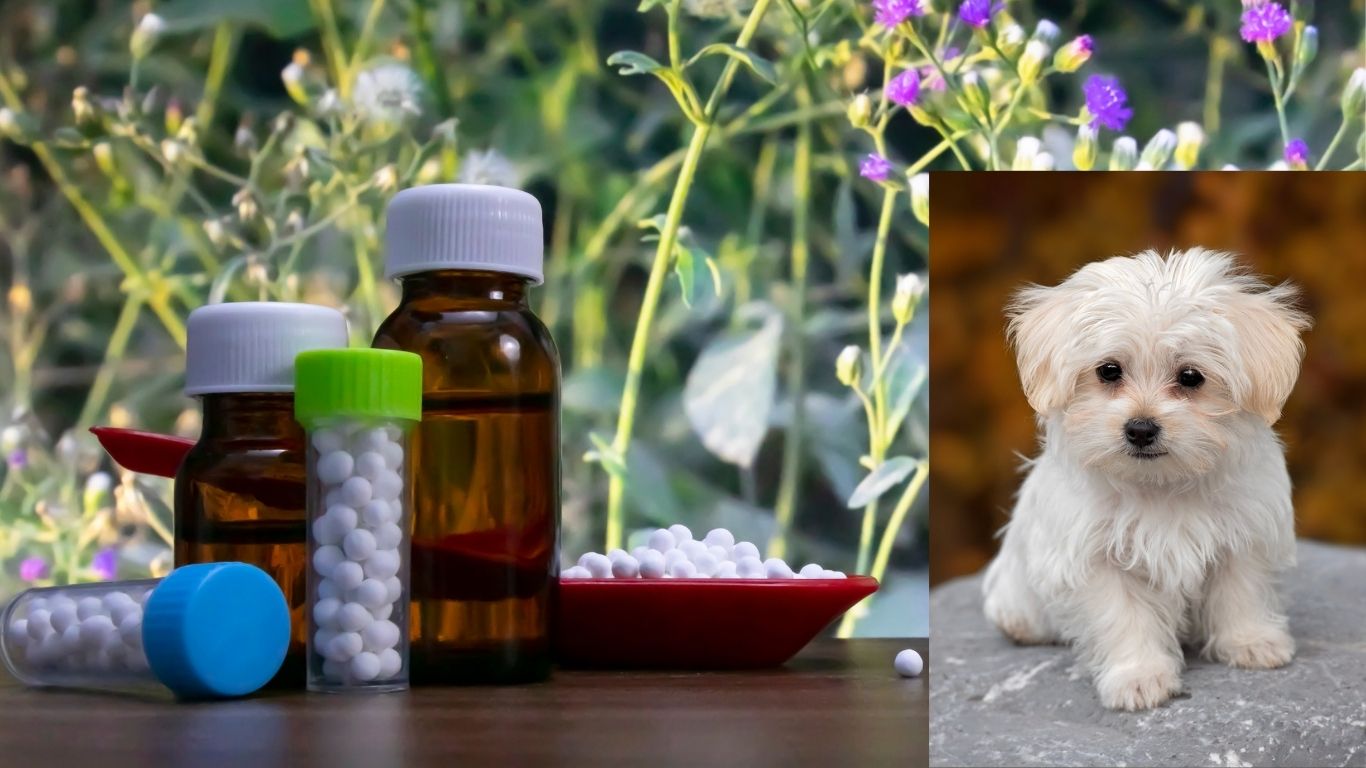
Remedies usually come as small white pellets. The goal is to allow them to dissolve and be absorbed through the gums. The standard method is to give the pellets directly into the mouth without touching them (use the bottle’s cap or a clean spoon). You can also dissolve a few pellets in a small amount of pure, unchlorinated water and administer it via a syringe into the cheek pouch. Avoid feeding or giving treats for about 15-20 minutes before and after administration.
Q5: What should I avoid when giving homeopathic remedies?
Homeopaths believe strong smells can potentially “antidote” or cancel the effect of a remedy. Common advice is to avoid exposing your dog (and the remedy itself) to strong aromatics for a period around dosing. This includes:
Camphor, Eucalyptus, or Tea Tree Oil: Found in some topical balms, shampoos, or diffusers.
Strong Menthol: In some muscle rubs or human medications.
Conventional Veterinary Drugs: Such as corticosteroids or antibiotics, unless specifically advised by an integrative vet who is managing both protocols. Always inform all treating veterinarians about all medicines and supplements your dog is receiving.
Q6: Will homeopathy interfere with my dog’s conventional medications (like antibiotics or painkillers)?
In an integrative approach, homeopathy and conventional medicines are often used together. There is no known biochemical interference. However, some effects might mask each other. For example, a strong steroid will suppress symptoms, making it difficult for a homeopath to observe the dog’s natural reaction and adjust the remedy. Open communication between you and both your conventional and homeopathic vets is essential for safe, coordinated care.
Q7: How long does it take to see results with homeopathy?
This varies greatly:
Acute Issues (like a minor sprain or sudden scare): A well-chosen remedy may work within minutes or hours.
Chronic Conditions (like long-term allergies or arthritis): It may take weeks or months of careful, supervised treatment to see significant and sustained improvement. The healing process is often seen as moving from deeper, more vital organs outward, and symptoms may change during treatment.
Q8: My dog’s symptoms got worse for a short time after the remedy. Is this normal?
Sometimes, a temporary aggravation or return of old symptoms can occur. This is often seen as a positive sign that the remedy has stimulated a healing response. However, it should be mild and brief. If an aggravation is strong, prolonged, or worrying, you must contact your homeopathic veterinarian immediately for guidance. They will advise if this is part of the healing process or if the remedy needs to be changed.
Q9: Where do I find a qualified homeopathic veterinarian?
Look for a licensed Doctor of Veterinary Medicine (DVM or VMD) who has completed additional, rigorous training in veterinary homeopathy. Credentials to look for include DVetHom (Diploma in Veterinary Homeopathy) or certification from a recognized body like the Academy of Veterinary Homeopathy (AVH) in the US or the Faculty of Homeopathy in the UK. Your conventional vet may have a referral, or you can search the directories on the AVH or similar organizations’ websites.
Q10: Is homeopathy a cure-all or a replacement for vaccines and surgery?
No. Responsible homeopathy is part of a holistic healthcare model but has its limits. It is not a substitute for:
Critical Care: Emergency surgery, blood transfusions, or ICU support.
Diagnostic Tools: X-rays, blood tests, or ultrasounds, which are vital for an accurate diagnosis.
Preventive Medicine: While some homeopaths offer “nosodes,” their efficacy for preventing serious diseases like rabies or distemper is not scientifically proven, and using them may not satisfy legal vaccination requirements. Always discuss the risks and benefits of any preventive protocol with your vet.